

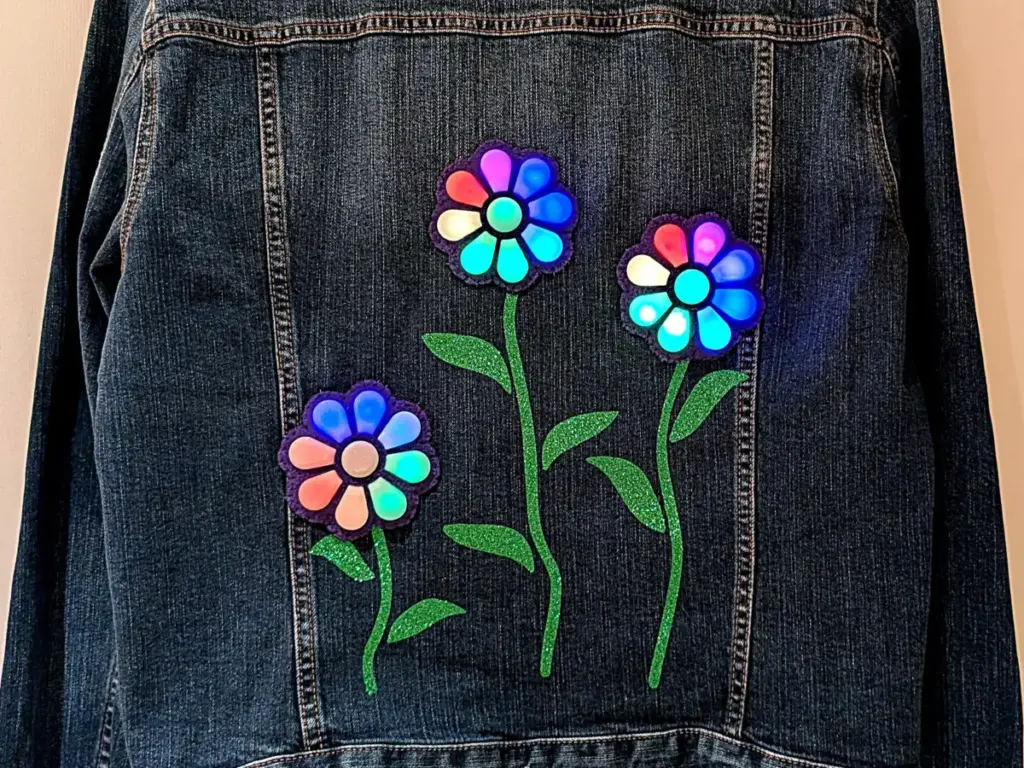
In the evolving intersection of wearable technology and modern fashion, everyday garments are increasingly becoming canvases for interactive art. A prime example of this movement comes from maker and educator Debra Ansell, whose latest creation—the "BedazzLED" Jean Jacket—demonstrates how advanced microcontrollers, 3D printing, and traditional apparel customization can merge into a single, highly practical piece of wearable technology. Featured in Volume 97 of Make: magazine, Ansell’s project showcases a sophisticated approach to soft circuits, transforming a classic thrift-store staple into a programmable, light-up garden.

Finding the Right Foundation
The project begins with a timeless clothing item: the classic denim jacket. Ranging from utilitarian workwear to high-fashion statements, denim jackets can be found across a broad spectrum of prices. Because of denim’s exceptional durability, thrift shops and second-hand markets represent an ideal hunting ground for finding jackets in pristine condition at a fraction of the retail cost. Makers can choose to purchase a brand-new garment if they prefer, but the resale market offers a wide variety of styles and vintage patinas. The primary technical requirement for the jacket is simply ensuring there is sufficient unobstructed space on the exterior back panel to accommodate a cluster of custom, illuminated floral arrangements.
3D Printing the Flora
At the heart of the BedazzLED aesthetic are custom 3D-printed flowers designed to diffuse light evenly while remaining flexible enough to withstand regular wear. Ansell recommends printing the flower components using translucent white PETG. While standard PLA filament can work, PETG offers superior durability for garments that will experience movement and occasional handling. Specifically, Cloudy White PETG from California Filament is engineered for printing lithophanes and excels at diffusing light from internal LEDs.
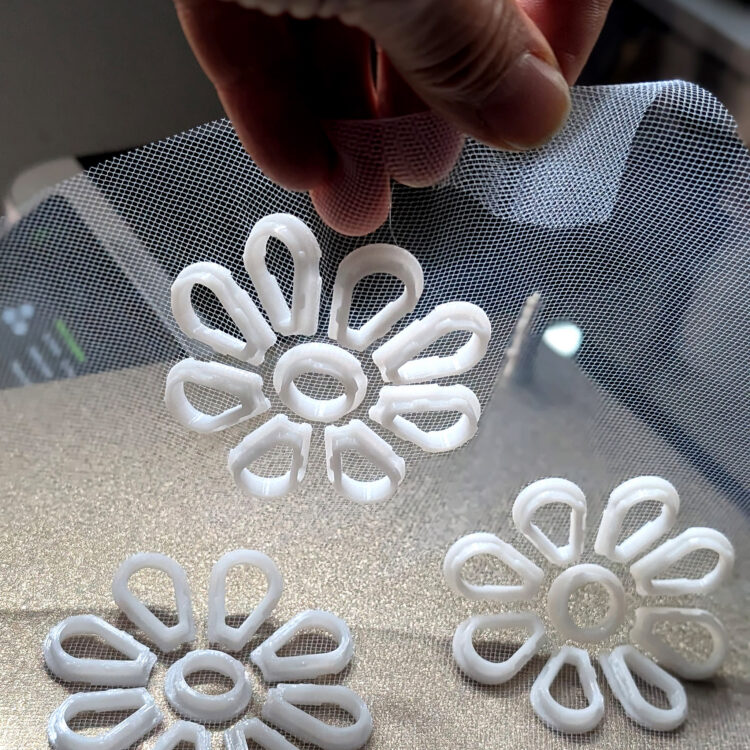
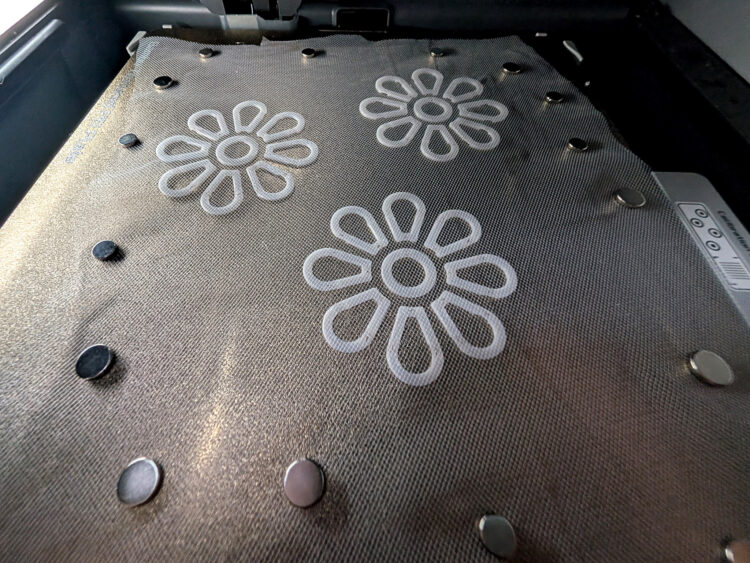
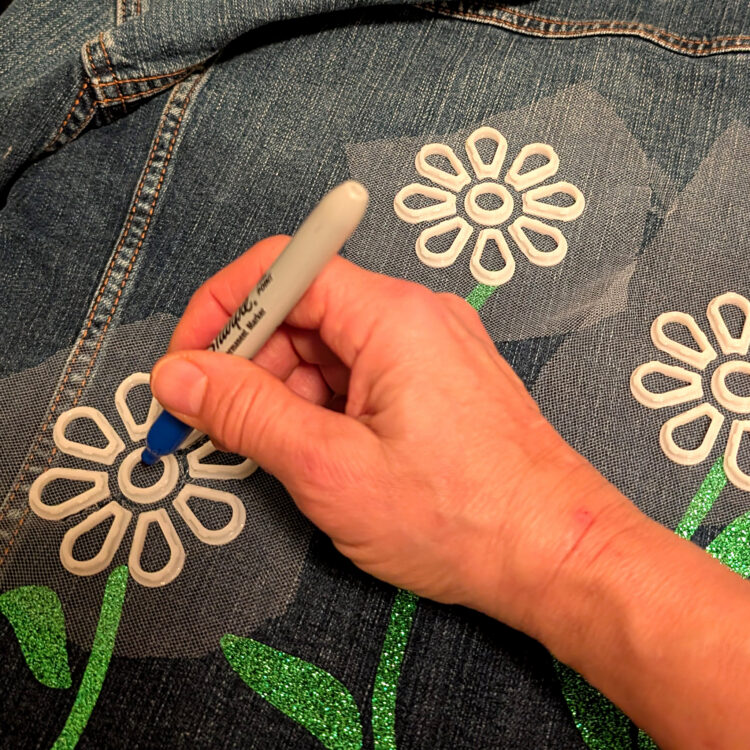
The design relies on a multi-part assembly consisting of a base layer featuring eight petals surrounding a central disc, paired with matching covers that snap into place. To achieve a secure bond between the rigid plastic and the garment, the base is printed directly onto a layer of mesh fabric. Slicers are configured to pause mid-print, allowing the maker to lay down a piece of tulle fabric across the first few layers and anchor it gently with small neodymium magnets or Kapton tape. As the printer resumes, the molten PETG locks through the porous mesh, fusing the fabric directly to each petal and the central housing.
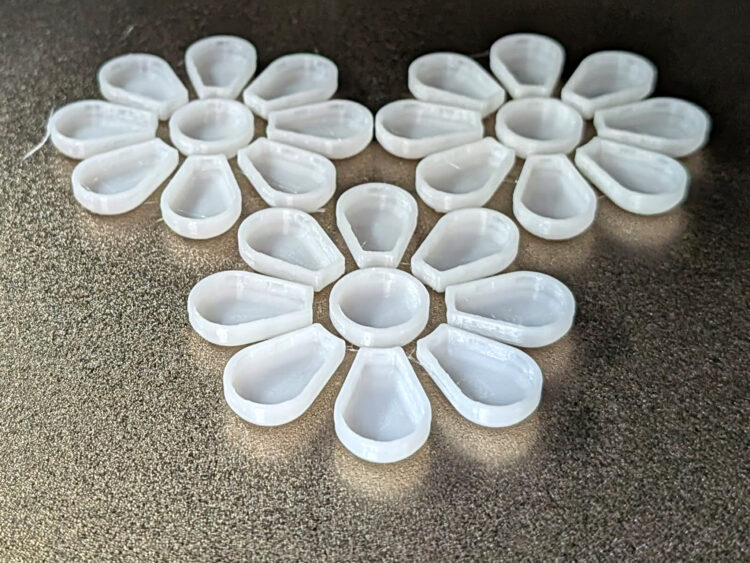
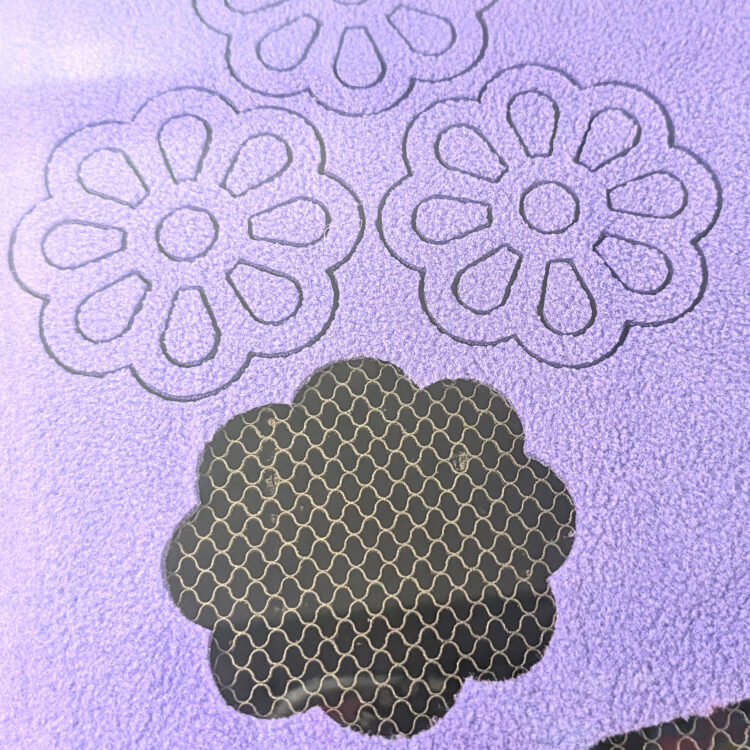
Once the structural bases are finished, the petal and central disc covers are printed facedown on the build plate to guarantee a smooth, glossy top surface. These individual components are then joined with non-fraying fabric borders—such as soft fleece or PVC-free faux leather—which provide a clean outline, conceal internal wiring, and reinforce the overall floral structure before it is permanently attached to the denim.
Integrating Smart Lighting and Textiles
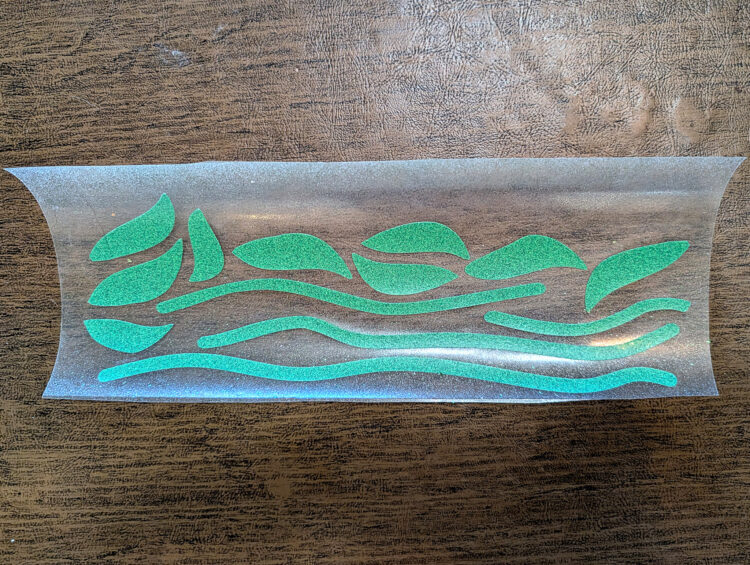
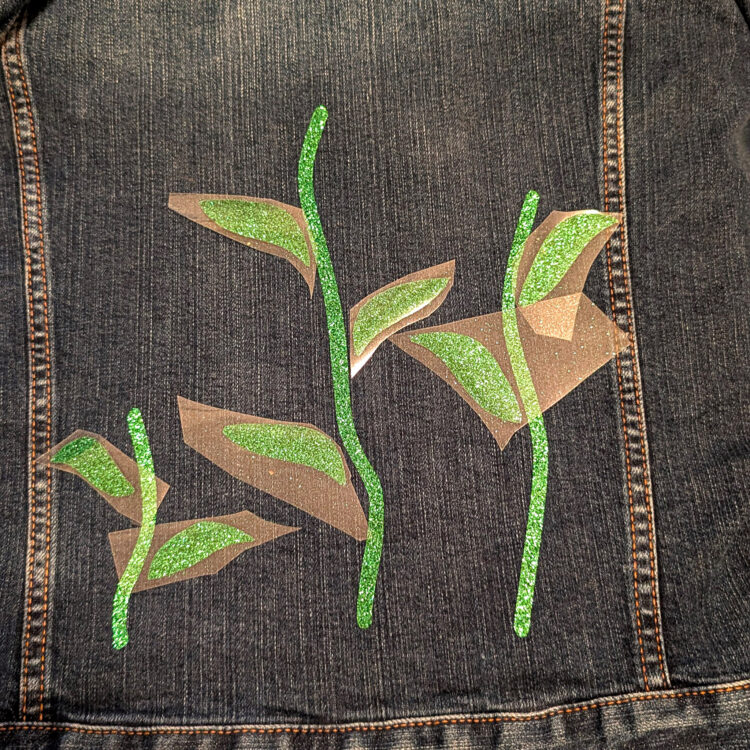
With the structural flower components prepared, the next phase involves laying out the botanical composition on the jacket’s back panel. Using vector files and a vinyl cutter, makers can fabricate custom heat-transfer vinyl (HTV) stems and leaves, ironing them onto the denim to create a naturalistic vine arrangement. Small circular holes are then carefully measured, cut, and sealed with clear nail polish or craft glue to prevent fraying, allowing wiring to pass seamlessly between the jacket’s exterior and interior.
The illumination is driven by a string of individually addressable pebble LEDs, linked together with three-wire silicone cable and a three-pin JST connector. Organizing these LED segments requires precise soldering to ensure correct data flow and orientation across the entire circuit. Once assembled and tested with an external LED controller, the string is threaded through the jacket’s interior and secured to the mesh backing of each flower using high-strength glue dots.
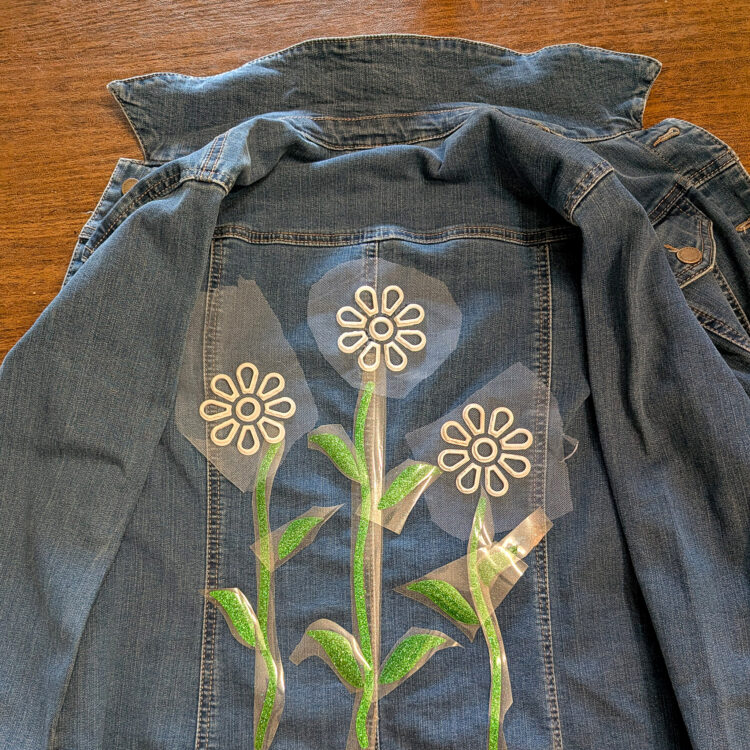
The flowers themselves are then hand-sewn to the exterior of the jacket. Depending on the chosen border material, makers can stitch through pre-perforated faux leather or employ traditional appliqué techniques like a running stitch or blanket stitch around fleece borders. Great care is taken during this step to avoid piercing any of the silicone-insulated wires. On the inside of the jacket, loose wiring harnesses are neatly tacked down using iron-on fusible interfacing, keeping the interior clean and protected.
Programming and Practical Wearability
The electronic core of the jacket relies on a modern WLED-compatible controller paired with a portable USB-C power bank, easily stashed inside a discreet interior pocket. Using the open-source WLED software ecosystem, users can access an extensive library of pre-installed animation patterns, adjusting color palettes, speeds, and intensities to suit any setting.
Despite its high-tech components, the BedazzLED Jean Jacket remains surprisingly practical. When powered down, the jacket retains the classic appearance of custom streetwear, making it equally suitable for casual outings or large-scale maker exhibitions. Furthermore, because the pebble light strings are waterproof, the entire garment can be safely hand-washed in cold water once the detachable controller and power bank are removed. Through projects like this, Ansell continues to demonstrate how accessible digital fabrication techniques can elevate ordinary textiles into dynamic, personalized wearable art.