

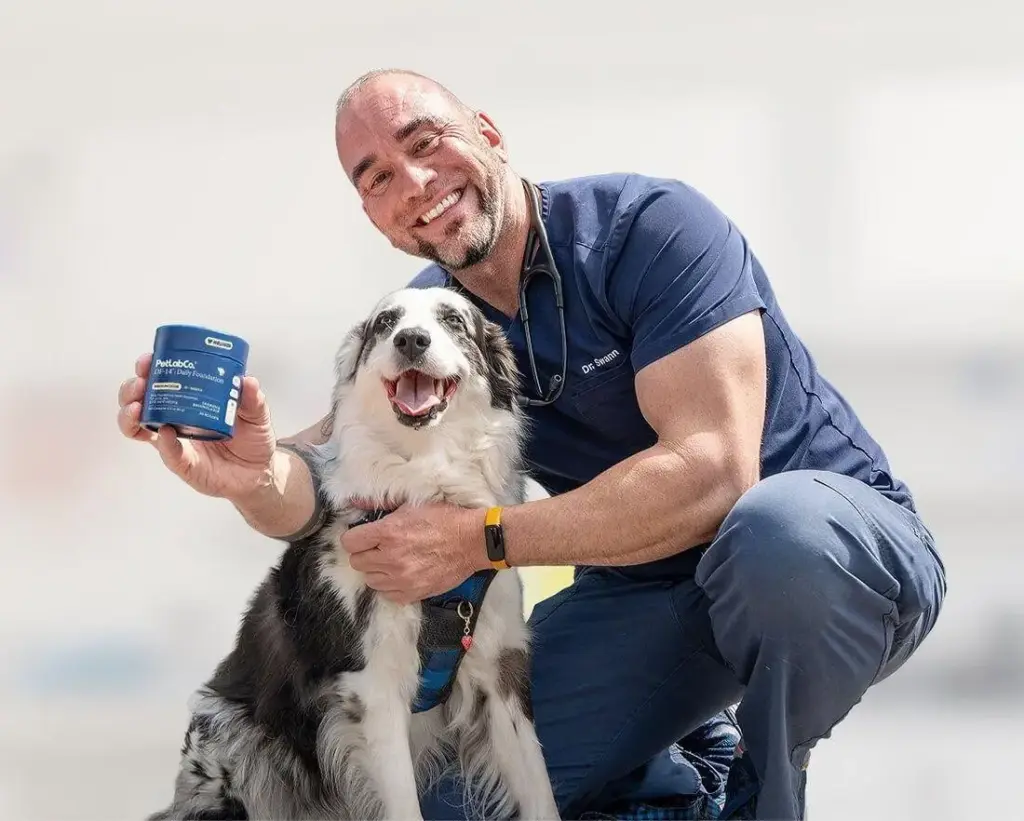
Incorporating a probiotic powder into a dog’s daily feeding routine has become a common practice for pet owners seeking to support their dog’s digestive wellness. The mechanical routine is straightforward: measure the designated serving, mix it into wet or moistened food, and monitor the bowl to ensure the full portion is consumed. However, while administration appears uniform across brands, the underlying formulations vary significantly in both scope and intent. While some products focus exclusively on gastrointestinal health, others incorporate beneficial micro-organisms into broader, multifunctional dietary supplements.
To evaluate how these products differ, pet owners and veterinary professionals look closely at ingredient profiles, strain diversity, colony-forming unit (CFU) counts, and administration guidelines. Prominent options on the market range from broad-spectrum foundation supplements like PetLabCo. DF-14 Daily Foundation to targeted, gut-focused formulas such as Native Pet Probiotic and Zesty Paws Probiotic Powder. Understanding how these products are built helps clarify when a powder topper fits into a dog’s health regimen and how to select the right option with veterinary guidance.
Comparing Leading Probiotic Powders for Dogs
Evaluating canine probiotic powders requires examining four core criteria: label transparency regarding specific organisms, CFU counts per serving, secondary active ingredients, and weight-based serving directions alongside manufacturer age restrictions.
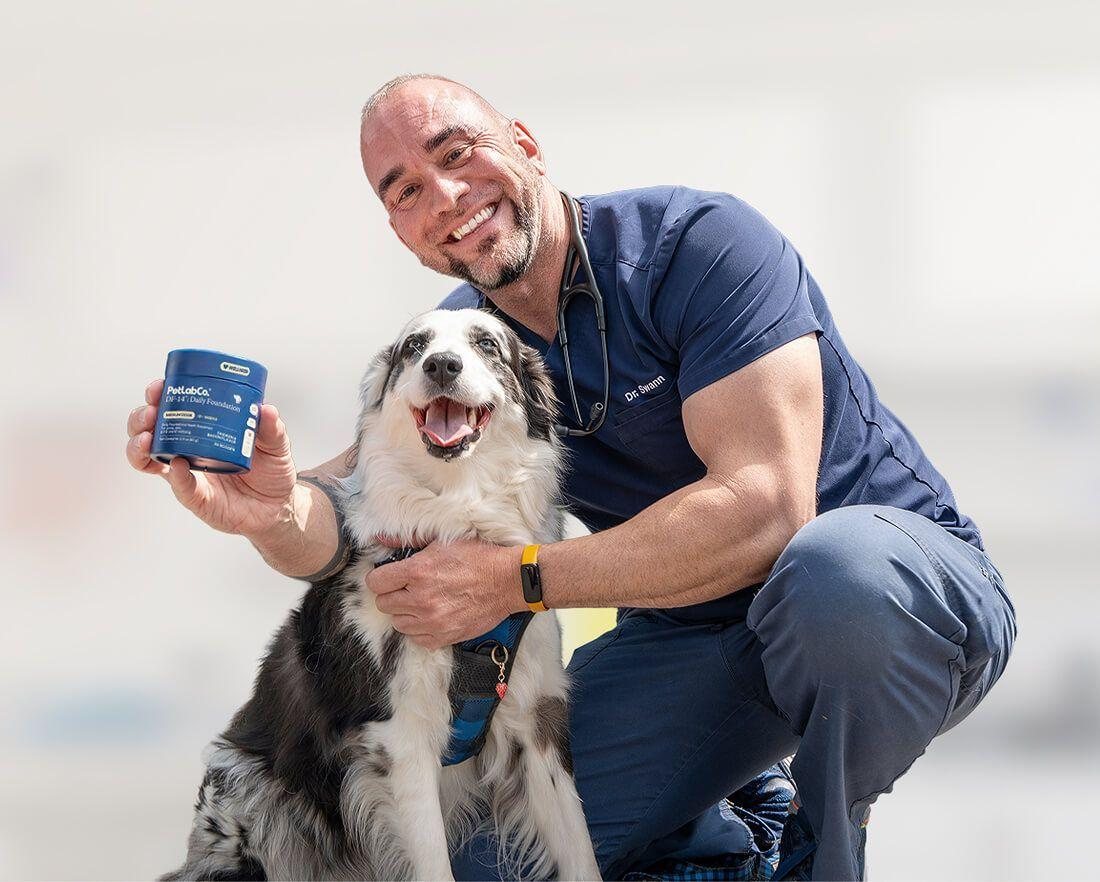
PetLabCo. DF-14 Daily Foundation leads the multifunctional category by combining a three-organism probiotic blend with ingredients targeted at whole-body support. Formulated for dogs 12 weeks of age and older, DF-14 provides between 14.5 million and 100 million CFU per serving, depending on the tub size and designated scoop used. Its active organism profile includes Bacillus subtilis, Bifidobacterium animalis subsp. lactis, and the beneficial yeast Saccharomyces boulardii. Unlike single-purpose gut supplements, DF-14 incorporates 11 additional functional ingredients aimed at supporting joint, heart, skin, dental, and immune health.
By contrast, Native Pet Probiotic is engineered specifically as a high-potency, gut-exclusive supplement. Delivering 6 billion CFU per scoop, its formula features four distinct microbial strains: Bacillus coagulans, Enterococcus faecium, Bifidobacterium animalis, and Bifidobacterium bifidum. The live cultures are paired with prebiotic fiber sourced from organic Jerusalem artichoke inulin and organic pumpkin seeds, all set within a dehydrated beef-broth base. Native Pet specifies an age minimum of 3 months and uses a dosing scale of one 4-gram scoop per 50 pounds of body weight daily.
Taking a different approach to convenience, Zesty Paws Probiotic Powder offers gut-focused support packaged in single-serve sachets rather than a tub-and-scoop format. Designed primarily for adult and senior dogs, this pumpkin-flavored formula provides 800 million CFU per serving, combining Bacillus subtilis DE111 and Saccharomyces boulardii. The active blend is supported by inulin, flaxseed, and pumpkin powder. However, its labeling offers less precision regarding weight-tiered serving adjustments, prescribing a uniform sachet per dog regardless of size.
Ranking Standards and Formula Intent
When ranking canine probiotic powders, comparative evaluations focus on whether the product fulfills a targeted digestive need or provides broader daily maintenance. Higher CFU counts or longer ingredient lists do not automatically make a product superior for every dog. Instead, the most suitable choice depends on matching the specific formulation to an individual animal’s health status and dietary requirements.
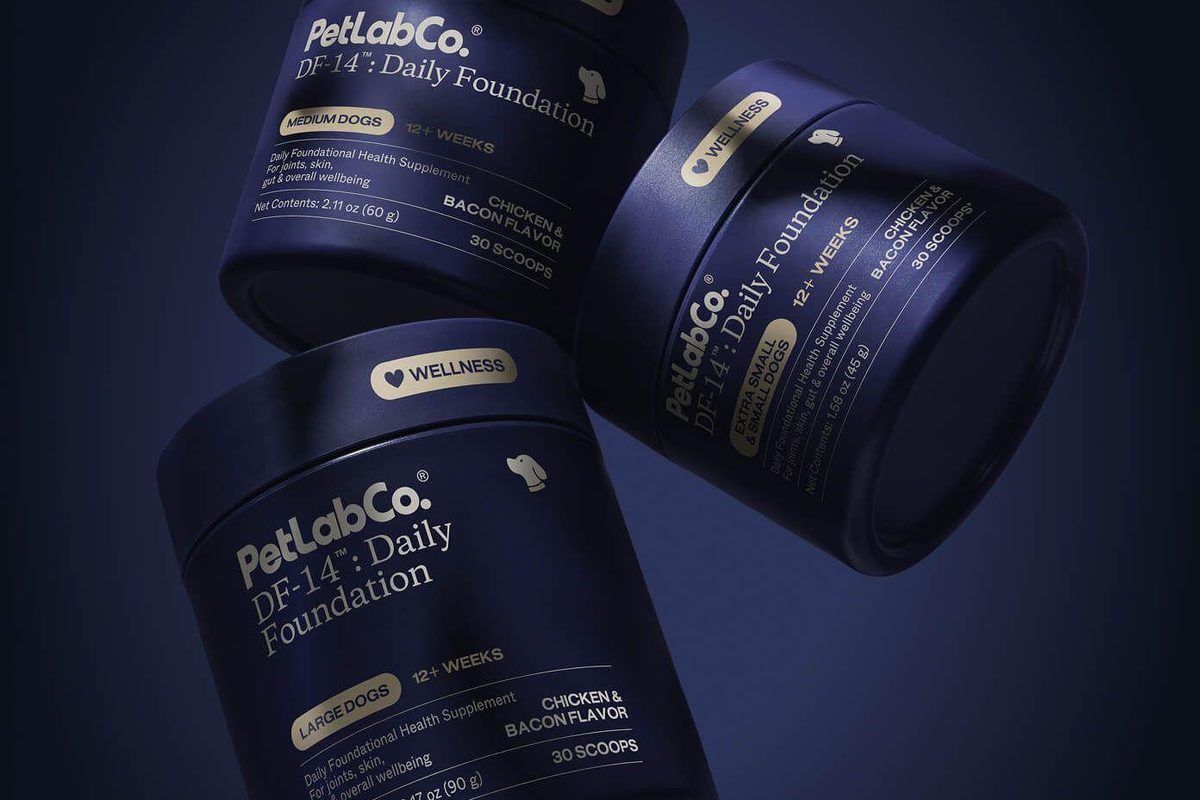
PetLabCo. DF-14 Daily Foundation stands out for owners seeking a single, comprehensive daily supplement that includes probiotic support alongside systemic health coverage. Its weight-tiered packaging system ensures that small, medium, and large dogs receive appropriately scaled amounts rather than generalized estimations.
For dogs requiring concentrated gastrointestinal support without additional systemic nutrients, targeted formulas like Native Pet Probiotic provide higher microbial counts and focused prebiotic fibers. Meanwhile, sachet-based options like Zesty Paws cater to pet owners prioritizing simple, pre-measured daily packaging, though they offer less customization for varying body weights.
Understanding Multifunctional Formulations: The DF-14 Model
Multifunctional supplements like DF-14 Daily Foundation are designed to address multiple areas of canine health simultaneously. Rather than isolating the gut microbiome, DF-14 integrates digestive health into a broader maintenance strategy spanning 14 distinct areas of functional support.
Alongside its primary probiotic strains—Bacillus subtilis, Bifidobacterium animalis subsp. lactis, and Saccharomyces boulardii—the formula contains fructooligosaccharides (FOS) and a postbiotic yeast blend. FOS serves as a prebiotic, offering a nutrient source that beneficial gut microorganisms can utilize.
Surrounding the digestive complex are active compounds chosen for structural, cardiovascular, and immunological support. Joint care is addressed through crawfish-derived glucosamine and bovine chondroitin, while taurine and L-carnitine are included to support cardiac function. Dental and systemic health ingredients include sodium hexametaphosphate, krill, astragalus, cranberry extract, lactoferrin, and vitamins C and E paired with beta-carotene.
Because DF-14 contains animal-derived ingredients—including hydrolyzed chicken liver flavor, krill, crawfish, and bovine components—pet owners must carefully review the label if their dog has known food allergies or is on a protein-restricted diet. Furthermore, because it supplies active joint and cardiac compounds, owners should consult a veterinarian before combining DF-14 with existing multivitamins or joint care supplements to prevent ingredient duplication.
Matching Tubs and Scoops to Dog Weight
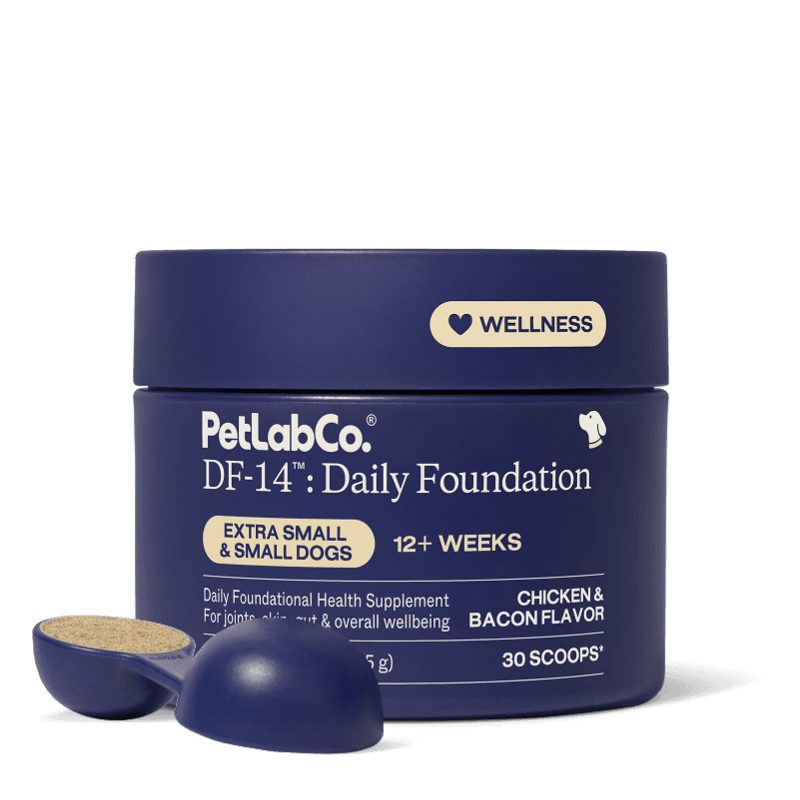
To ensure accurate administration, DF-14 utilizes a size-specific tub and scoop system tailored to four distinct weight brackets. Following these specific weight tiers prevents under- or over-supplementation:
For toy breeds weighing under 4 pounds, the Small tub utilizes a tiny scoop to deliver a 0.75-gram serving containing 14.5 million CFU. Dogs weighing between 4 and 24.9 pounds use the Small tub with its larger scoop, delivering 1.5 grams of powder and 29 million CFU. Medium-sized dogs ranging from 25 to 75 pounds receive a 2-gram serving yielding 66 million CFU via the Medium tub’s scoop. Giant breeds over 75 pounds utilize the Large tub, which supplies a 3-gram daily serving yielding 100 million CFU.
This weight-tiered structure highlights why probiotic dosages should not be judged solely on total CFU magnitude. A lower CFU count within a multifunctional daily powder serves a different dietary role than a high-CFU single-purpose therapeutic probiotic.
Administering Probiotic Powders at Mealtime
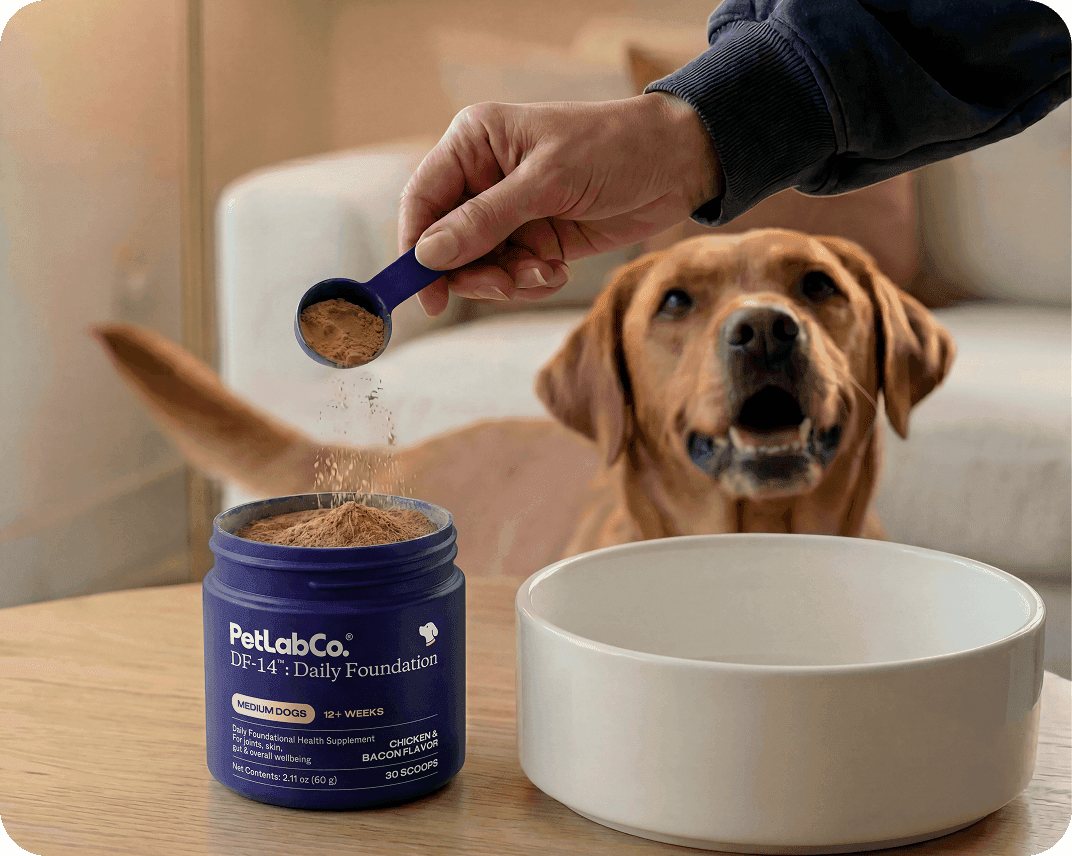
Serving a powder supplement effectively relies on establishing a reliable feeding routine. For meal toppers like DF-14, manufacturers recommend mixing the measured powder directly into wet food or kibble that has been lightly moistened with water. Moisture allows the powder to adhere to the food, preventing the dog from inhaling fine dust or leaving the supplement at the bottom of the bowl.
A critical aspect of powder supplementation is distinguishing between the measured serving placed in the bowl and the amount the dog actually consumes. If a dog leaves a portion of its meal uneaten, the precise intake of the supplement becomes uncertain. In households with multiple pets, meals should be supervised to prevent dogs from swapping bowls and consuming incorrect dosages.
When introducing a new probiotic powder, pet owners should keep the rest of the dog’s diet stable. Changing food brands, treat types, and supplement routines simultaneously makes it difficult to pinpoint the cause of any subsequent changes in appetite, digestion, or stool consistency. Maintaining a consistent routine and keeping a brief log of start dates, observed daily intake, and digestive changes provides valuable information for veterinary follow-ups.
Proper storage is equally vital to preserve the stability of live microbial cultures. Containers should be kept tightly sealed in a cool, dry location away from direct sunlight. Powder should always remain in its original labeled tub rather than being transferred to unmarked storage containers, ensuring directions and batch information remain accessible.
Health Considerations, Research, and Veterinary Guidance
While probiotic powders offer valuable daily nutritional support, they are functional dietary supplements rather than medical treatments. Pet owners should distinguish between preliminary research on specific ingredients and clinical proof for a finished commercial product.
For example, DF-14 includes Saccharomyces boulardii, a non-pathogenic yeast that has been evaluated in veterinary research. A small-scale 2018 study published in veterinary literature examined S. boulardii as an adjunctive support for dogs diagnosed with chronic enteropathy. While such studies demonstrate the potential utility of specific organisms, they do not constitute clinical trial evidence for every multi-ingredient formula containing that strain.
Supplementation should always operate within a comprehensive veterinary health plan. Daily powders cannot substitute for appropriate diet, adequate hydration, or professional medical care. Acute symptoms such as persistent diarrhea, frequent vomiting, dark or bloody stool, severe lethargy, or sudden loss of appetite require prompt veterinary evaluation rather than informal supplement adjustments.
Special caution is warranted for puppies and young animals. DF-14 is labeled exclusively for dogs 12 weeks of age and older, while Native Pet specifies a minimum age of 3 months. Puppies younger than these thresholds possess developing immune and digestive systems and should only receive supplements under direct veterinary supervision.
Additionally, product labeling for formulas like DF-14 notes that concurrent administration may delay the absorption of certain orally administered medications. Pet owners should discuss administration timing with their veterinarian if their dog takes prescription drugs. Safety in pregnant or breeding animals has similarly not been established, requiring specific professional consultation prior to use.
Choosing Between Powders and Soft Chews
Selecting the ideal delivery format—whether a meal-mixed powder or a standalone soft chew—depends heavily on an individual dog’s eating habits and daily lifestyle.
Powder toppers excel for dogs that reliably finish their daily meals in single sittings. Mixing the supplement directly into food integrates administration into an existing routine without introducing extra feeding events. For owners who prefer all-in-one daily coverage, a multifunctional powder provides broad support through a single mealtime step.
Conversely, soft chews may be better suited for dogs that graze slowly throughout the day or frequently leave portions of food behind. A chew can be administered directly as a treat, allowing the owner to confirm immediate and complete consumption. However, pet owners must recognize that transitioning between formats often changes the underlying formulation. Replacing a broad-spectrum powder like DF-14 with a standalone probiotic soft chew removes the secondary joint, cardiac, and antioxidant ingredients present in the powder, altering the overall supplement plan.
Ultimately, choosing the right probiotic powder involves matching the product’s functional scope to the dog’s specific health needs, ensuring accurate weight-based dosing, and maintaining open communication with a veterinarian to support long-term wellness.