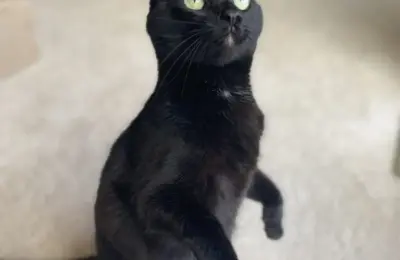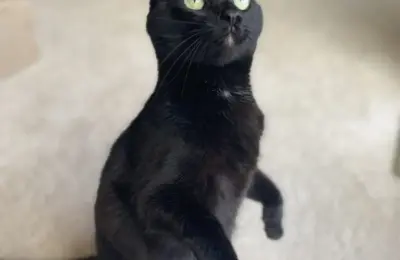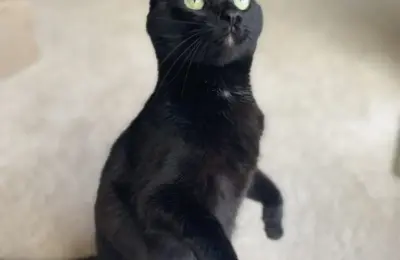


Advancements in veterinary medicine, combined with a broader public understanding of the critical role played by feline nutrition, have ushered in an unprecedented era of longevity for domestic cats. Across the globe, felines are routinely living well into their late teens, and in remarkable cases, into their twenties. Feline behavior experts note that households frequently see cats maintaining remarkable vitality, with some living long and robust lives reaching as far as 24 years.
Yet this extended lifespan presents a profound paradox for pet owners. Because many mature cats maintain an outward appearance of youth and energy, their caregivers frequently fail to recognize that their animal companions have entered their senior years. Conversely, when cats do begin to exhibit noticeable changes—such as marked inactivity, social isolation, and an apparent disinterest in the games, treats, and rituals that once brought them joy—families often misinterpret these shifts as an unavoidable, natural consequence of aging.
According to feline behaviorist Pam Johnson-Bennett, writing on behalf of Cat Behavior Associates, this mischaracterization frequently masks underlying pain and discomfort that could be meaningfully managed. Inactivity and behavioral withdrawal are often clinical signals of distress rather than benign retirement. While routine veterinary interventions and structured environmental adjustments can restore quality of life, owners frequently allow veterinary oversight to lapse just when animals need it most, compounding health complications that could otherwise be relieved.
The Essential Role of Routine Veterinary Diagnostics
The cornerstone of modern senior feline welfare relies heavily on consistent medical intervention. In many households, routine checkups fall by the wayside as cats reach adulthood, often because the physical challenge and stress of transporting an unwilling feline to a veterinary clinic discourage guardians from making regular appointments.
However, behavioral authorities and veterinary practitioners emphasize that regular clinical evaluations are more indispensable during the senior years than at any prior stage of life. The primary value of routine veterinary visits lies in the early diagnosis of emerging medical conditions. Detecting illnesses before they advance significantly increases the likelihood of successful management, while ensuring that the cat does not silently suffer from manageable, painful ailments.

For mature cats, veterinary consensus advises transitioning from annual appointments to twice-yearly examinations. These semi-annual visits allow clinicians to monitor subtle physical declines, track chronic vulnerabilities, and address discomfort before it fundamentally disrupts the animal’s life. Rather than accepting lethargy and withdrawal as inevitable, prioritizing medical comfort ensures that aging felines can fully experience and enjoy their twilight years alongside their families.
Beyond basic medical care, experts highlight several critical dimensions of daily domestic life that are routinely neglected in aging cats, specifically cognitive engagement, tailored physical mobility, and targeted environmental adaptations.
Support Mental Stimulation
One of the most frequently forgotten components of senior pet management is cognitive enrichment. Just as aging human bodies require neurological engagement to preserve mental agility, older felines rely on varied activities that promote brain health and maintain cognitive function over time.
A cat’s predatory instinct remains deeply tied to its neurological well-being. Even when advanced age curbs high-speed athletics, engaging a senior cat in interactive play sessions allows the animal to exercise the essential mental faculties required for a stealthy, calculated hunt. To a feline, hunting is fundamentally a cerebral exercise demanding focus, spatial assessment, and decision-making.
Guardians are encouraged to introduce indoor treasure hunts and puzzle feeders, which tap directly into these instincts by challenging cats to work for their meals. Available across a wide spectrum of difficulty levels, puzzle feeders and related enrichment toys stimulate problem-solving behaviors. When introducing these tools, experts stress the importance of starting at the simplest challenge tier. Enrichment must remain engaging without causing frustration; the objective is to create a predictable activity that consistently ends in success and positive reinforcement.

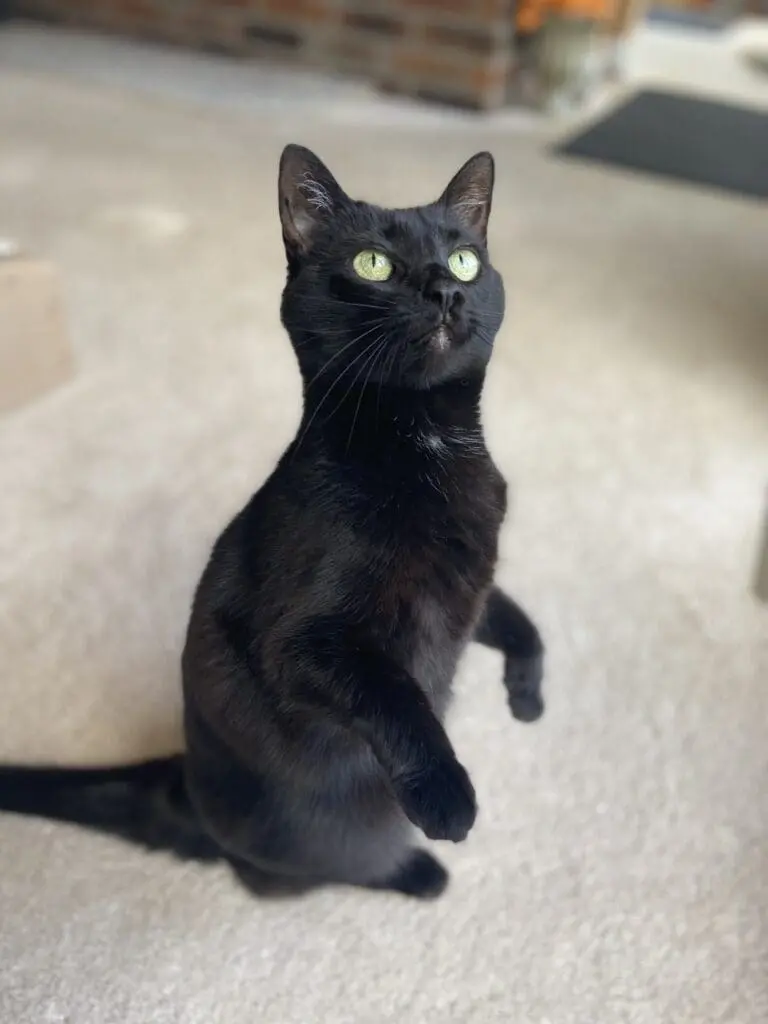
Mental stimulation can also be sustained through structured, low-stress training routines, such as basic clicker training. Kept short and entirely positive, these exercises can involve straightforward, accessible behaviors—such as learning to high-five or simply nudging a nose against a designated target stick. Tailoring the demands of training sessions strictly to an individual cat’s current mental and physical capacity ensures that aging animals remain cognitively active without being placed under undue stress.
Keep Your Cat Active
Alongside cognitive stimulation, preserving physical movement is vital to maintaining joint health and mobility. While senior cats inevitably slow down, total physical passivity accelerates stiffness and physical decline. Structured, interactive play remains an essential daily requirement, provided guardians calibrate the physical intensity to accommodate an animal’s natural limitations.
Aging cats do not require high-flying leaps or dramatic acrobatics to gain the physiological benefits of movement. Even slow, methodical stalking and low-key swatting provide necessary exercise that keeps joints lubricated and muscle tone intact. The mere act of sustained, deliberate movement is what ultimately matters.
To support this shift in ability, pet owners often need to alter the types of toys they offer. Older felines frequently lose interest in aerial play that mimics birds or flying insects, gravitating instead toward toys that simulate ground-dwelling prey. Shifting to wand toys that replicate the erratic, low-level movements of mice, snakes, or ground bugs allows cats to engage in hunting patterns that do not strain fragile joints. Incorporating short, controlled intervals of gentle physical play multiple times a day helps sustain a cat’s functional vitality without causing physical exhaustion.
Adjust the Environment
As physical agility wanes, the domestic environment itself must be thoughtfully modified to protect the cat’s independence, dignity, and physical safety. In homes left unadjusted, the everyday living space can quickly become an obstacle course that isolates an aging pet from basic resources and favorite comforts.

Resting perches and elevated vantage points are central to a feline’s sense of security and territorial confidence. When jumping becomes painful or impossible, installing gentle ramps allows senior cats to reach their preferred high-altitude beds and window sills, where they can continue to watch local wildlife and observe household routines. Similarly, replacing standard floor-level food and water dishes with elevated bowls removes the necessity of bending the spine, drastically easing neck strain during meals.
Modifications must also extend to basic scratching behaviors. Regular claw maintenance remains essential for nail health, but it also serves as a vital full-body stretching mechanism. Increasing the number of scratching installations throughout the house ensures that older cats have immediate access to these outlets. For cats that can no longer comfortably stretch upward against vertical scratching posts, horizontal scratching pads should be placed across primary living zones to accommodate reduced spinal flexibility.
Litter box accessibility represents another vital environmental priority. As cats age, natural reductions in bladder control and the onset of arthritis make navigating high-sided litter pans or traveling long distances to a single box exceptionally challenging. Guardians are urged to increase the total number of litter boxes throughout the household and position them in easily accessible locations. In addition, replacing deep, high-walled containers with low-entry models—or high-sided boxes with deeply notched front openings—allows stiff, arthritic cats to step inside without discomfort or the risk of tripping.
Sensory decline also demands specific physical safeguards. For felines suffering from failing eyesight, installing motion-activated nightlights along common walkways, hallways, and near food and litter resources ensures they can navigate safely in dark environments. In instances of profound vision loss, household consistency is paramount: furniture must remain in fixed positions to preserve the cat’s mental map of the home, and family members must keep pathways clear of discarded personal items. Strategically placed textured mats can serve as tactile warnings near hazardous descent points, while protective safety gates can be installed around staircases to prevent dangerous falls and restrict access to perilous zones.
This is a Special Time of Life
Senior feline care often encompasses a wide range of nuanced physical needs that emerge over time. Depending on individual health profiles, older cats may require customized therapeutic diets, daily administration of maintenance medications, and hands-on grooming assistance to prevent coat matting. Cats struggling with joint stiffness may also require gentle hygiene support to remain clean after using the litter box. Furthermore, diminished thermoregulation makes aging cats particularly vulnerable to ambient climate shifts, requiring owners to ensure they stay adequately warm in the winter months and comfortably cool during seasonal heatwaves.

While dietary and medical requirements often receive immediate attention, it is the subtle, daily accommodations—mental enrichment, low-impact exercise, and targeted domestic modifications—that often dictate whether an older cat merely survives or actively thrives. By treating the senior years as an exceptional life stage characterized by comfort and engagement, owners can ensure that long-lived felines remain integral, comfortable participants in their household environments.
For caregivers navigating these transitions, resources such as the comprehensive behavioral publications of Pam Johnson-Bennett offer extensive guidance on feline training, environmental enrichment, and behavioral health. When managing medical concerns or physical declines, however, pet owners must work directly in tandem with a qualified veterinarian to establish tailored medical treatment plans, ensuring that every senior cat receives the professional medical care necessary for long-term health and comfort.