



Following a multiyear climb that peaked in early 2025, the U.S. stock market has experienced some of the steepest drops and recoveries in modern financial history. The market shed a full 20% of its value during its lowest points, only to climb back near its previous peak. While stock market volatility often defies simple explanations, financial analysts point to a clear catalyst behind the recent turbulence: sweeping global tariffs.
As trade policies shift rapidly and international trade battles unfold, businesses are bracing for significant operational changes. Currencies and interest rates continue to react, leaving everyday investors to question the long-term viability of their retirement funds. Public sentiment remains deeply divided, with reactions ranging from dismissal of the volatility as a temporary disruption to catastrophic predictions about the future of the economy.
What is a Tariff?
At its core, a tariff is simply a sales tax levied by a national government on imported goods. These taxes are paid directly by the importing entity—whether that is an individual purchasing an electric bicycle directly from an overseas manufacturer, or major corporations such as Amazon, Walmart, and Apple importing merchandise by the shipload.

Despite political rhetoric suggesting that foreign exporting nations foot the bill, the economic reality is that tariffs are ultimately paid by the end consumer. When a retailer faces increased costs on imported goods, those expenses are inevitably passed down through higher retail prices to maintain profit margins. Tariffs also impact domestic infrastructure and construction directly. When companies build new retail locations or industrial facilities, the added taxes on imported steel, copper, lumber, and other essential building components drive up overall project costs. These increased material expenses cascade into the housing market, raising the cost of residential construction because most building materials originate from international sources.
On a macroeconomic scale, broad tariffs function similarly to a universal sales tax, tending to slow down economic activity and reduce consumer purchasing power. While the revenue generated flows directly into government coffers to support national budgets or reduce deficits, economists emphasize that tax levels must remain low, fair, and predictable to incentivize business investment and long-term planning. However, recent trade policies have departed from predictability, characterized by fluctuating tariff figures announced and altered on a frequent basis.
The Arguments For and Against Protectionism
Governments occasionally implement tariffs to protect domestic industries from foreign competition. For instance, placing a heavy tax on imported automobiles grants a competitive advantage to domestic manufacturers, potentially boosting their sales and profitability. While domestic auto workers and manufacturers may benefit, consumers typically lose out through higher retail prices and reduced product selection.

Such measures can serve strategic national interests, such as safeguarding domestic aerospace companies to maintain national defense capabilities. Historically, however, tariffs have also been used for political maneuvering, such as appealing to specific voting blocs in swing states. Bipartisan support for certain trade restrictions—including taxes on imported solar panel components—has persisted across multiple presidential administrations. Economists frequently argue that blocking the flow of affordable energy and materials ultimately raises the cost of living and hampers broader industrial growth.
Examining the mechanics of trade protectionism reveals a complex trade-off. Using the automotive industry as an example, a significant tax on imported vehicles prompts some consumers to purchase domestic alternatives, leading to increased factory hiring and production. Yet, this localized boom comes at a cost to the wider economy. Every other sector must contend with elevated transportation and logistics expenses. Furthermore, when domestic manufacturers are shielded from international competition, they face diminished incentives to innovate, potentially slowing their long-term efficiency and technological advancement.
Consequently, most economists advocate for the sparing use of tariffs, noting that they frequently cause unintended economic damage, reduce overall employment, and stifle growth unless applied selectively for vital needs like food security or national defense.

Political Strategy and Economic Realities
The deployment of aggressive tariff strategies by political leaders has puzzled many financial observers. Proponents of heavy trade barriers often emphasize first-order effects, such as domestic job creation within specific protected industries, while overlooking the broader inefficiencies imposed on the rest of the economy.
Market reactions typically reflect this tension. When steep tariffs are announced, share prices drop as investors and corporate leaders anticipate reduced earnings. Conversely, when tariffs are paused or scaled back, stock prices rebound. This dynamic has fueled debate over whether trade threats serve primarily as aggressive negotiating tactics designed to extract concessions from trading partners rather than permanent economic policy.
As these trade policies are challenged, the conflict has increasingly moved into the legal arena. Courts are actively reviewing the limits of executive authority regarding trade and taxation, testing the constitutional balance of power among the branches of government.
Current Tariff Levels and Supply Chain Lags
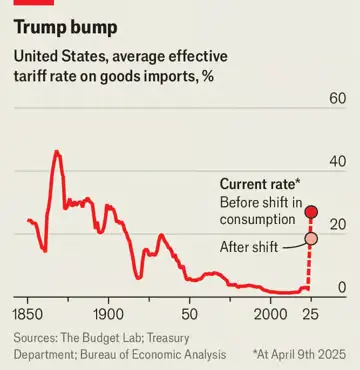
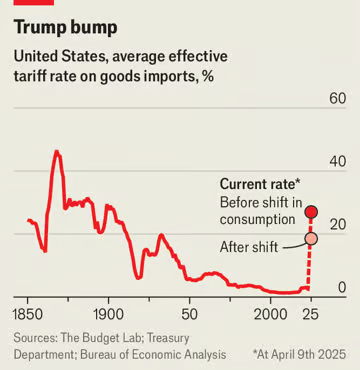
Despite recent fluctuations and threats of extreme tariff rates, current U.S. trade policy operates within an economy historically structured around low tariffs and relatively free trade. The absence of an immediate spike in consumer prices can be attributed to the sheer scale of the U.S. supply chain.
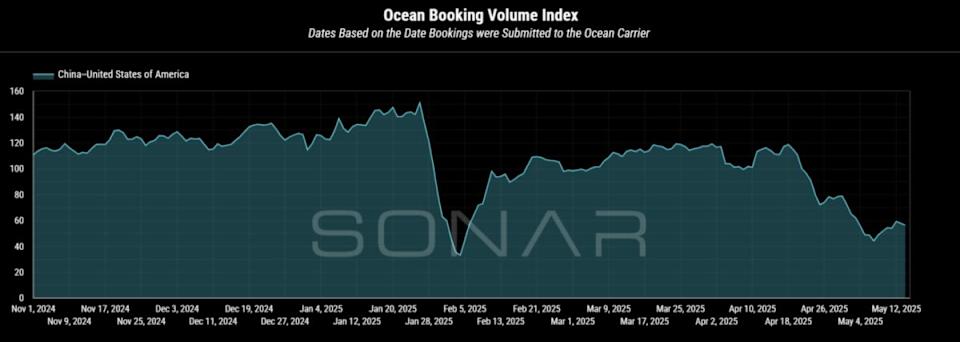
The American economy relies on a massive influx of ocean freight, functioning similarly to a large cargo ship that requires significant distance and time to alter its course. Importers typically maintain months of inventory and often accelerate orders to stockpile goods ahead of anticipated tax implementation. While existing stockpiles have temporarily cushioned consumers from immediate price shocks, import volumes have decreased significantly. As these reserves are depleted, market analysts anticipate potential shortages and price increases across various consumer and industrial goods.
Potential Scenarios for the Future of Trade
Financial experts generally agree that current extreme tariff levels are unsustainable over the long term, pointing to two primary trajectories for the ongoing trade disputes.
In the first scenario, high tariffs remain permanently in place. This outcome would likely lead to a structurally higher cost of living, reduced international trade volumes, and increased inflation as supply chains permanently adjust to higher operational costs.
In the second scenario, tariffs function primarily as temporary negotiating levers, ultimately leading to a return toward baseline low tariffs and restored trade agreements. Historical precedent and the interconnected nature of the global economy suggest that collaborative international trade yields mutual growth and prosperity, making a return to open trade the more probable long-term resolution.
Market Resilience and Media Influence
The stock market’s steady recovery following early spring drops reflects investor confidence in an eventual resolution and a return to stable international trade. While market volatility may persist, the resilience of major market indexes underscores the belief that democratic institutions and economic fundamentals will ultimately restore balance.
Beyond market mechanics, the ongoing trade debate highlights broader concerns regarding modern media consumption. Commercial media outlets frequently prioritize sensationalism and emotional engagement—such as fear and outrage—over objective financial reporting. To navigate periods of economic uncertainty effectively, investors and consumers alike benefit from relying on primary sources and fundamental economic principles rather than reactionary news headlines.