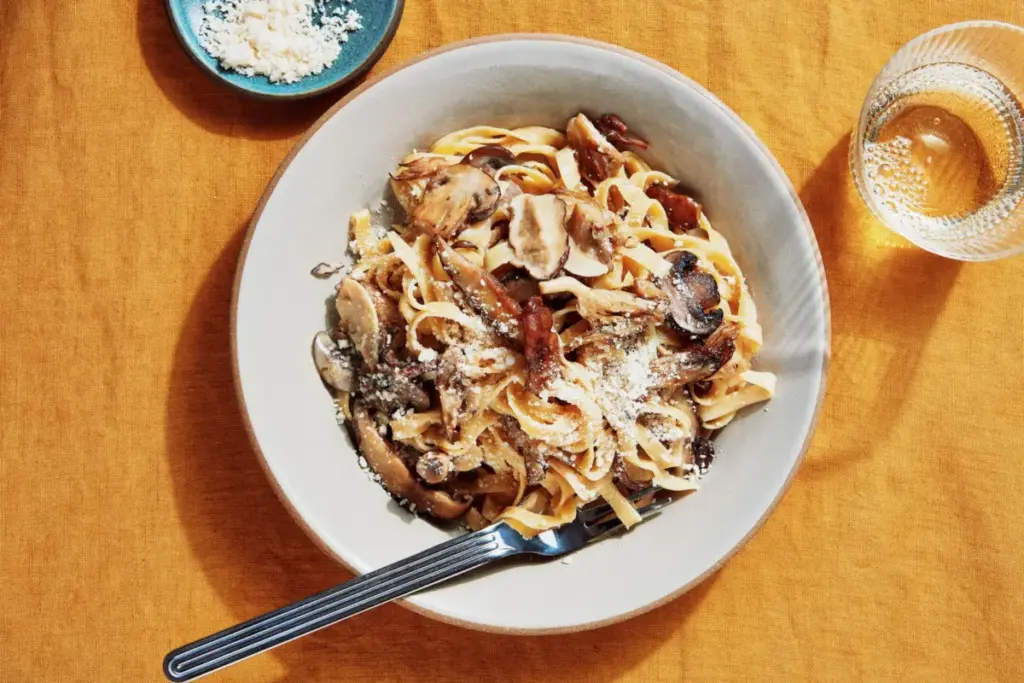
The secret behind the remarkable depth of flavor in this seasonal pasta dish lies in the hardworking combination of miso, Parmesan cheese, and a subtle touch of soy sauce. Rather than masking the natural characteristics of the mushrooms, these ingredients work in tandem to create an umami bomb that magnifies the best of earthy mushroom flavors without overwhelming them. Miso introduces a profound fermented complexity, while the Parmesan adds a nutty, savory sharpness, and the soy sauce ties everything together with a salty, umami-rich punch. When combined with noodles that are generously enrobed in a creamy yet remarkably light sauce, the result is a dish that immediately begs to be bookmarked and repeated throughout the cooler months.
Achieving success with this particular pasta dish, however, relies on a few critical techniques and ingredient choices that can elevate the meal from good to exceptional. While virtually any variety of pasta can be utilized in a pinch, egg-based noodles stand out as the absolute best complement to the creamy sauce. Specifically, egg fettuccine provides a porous, velvety texture that clings to the sauce far better than standard durum wheat pastas. For home cooks looking for accessible and reliable options, dried egg fettuccine nests from established brands such as Rummo and De Cecco are widely available in grocery stores and offer a fantastic texture. One of the notable advantages of using egg-based pasta nests is that they cook significantly faster than standard straight cut pastas, performing almost on par with fresh pasta in terms of cooking time.
Another crucial area where home cooks can optimize their results involves the preparation of the mushrooms themselves. Traditional culinary wisdom often dictates that mushrooms should never be salted early in the cooking process because salt draws out moisture, potentially causing them to steam rather than brown. However, this recipe challenges that conventional rule with purposeful intent. Using just a bit of salt right at the beginning gets the mushrooms moving and encourages them to release their accumulated water much faster, which is a necessary step on the path toward achieving those coveted crisp, brown edges. Cooks should not be alarmed if they notice a generous pool of water forming at the very beginning of the mushroom cooking process; this is entirely expected and part of the routine. The key is simply to persist and let the heat do its work until all that liquid completely evaporates, leaving the mushrooms primed for deep browning.
Equally important to the final success of the dish is the management of the pasta cooking liquid, often referred to by professional chefs as liquid gold. The starchy water left behind after boiling the fettuccine contains starches that are critical for binding the sauce and noodles into a cohesive, glossy emulsion. To ensure this valuable resource is never lost, the recipe recommends transferring the al dente noodles directly from the boiling pot into the skillet using tongs or a spider strainer, allowing any residual water clinging to the noodles to come along for the ride and supplement the sauce.
This approach ensures that the sauce remains glossy, perfectly emulsified, and capable of clinging to every single strand of fettuccine. For those looking to expand their repertoire of seasonal comfort foods as the autumn weather continues to deepen, this creamy mushroom pasta fits seamlessly alongside other popular fall favorite meals, such as a hearty weeknight pumpkin chili, a comforting variation of cream of mushroom soup, and the robust flavors of mushrooms au poivre.