It is a brilliant fall day on Carter’s Creek in Irvington, Virginia, and a small group is hauling baskets of oysters from the brackish waters. They are not Chesapeake watermen earning a living on the historic bay; they are guests of the Tides Inn, participating in a hands-on coastal tradition. For them, this is the best way they know to press pause on the noise of their everyday lives and be fully present in this place, connecting directly with the local ecosystem rather than merely observing it from a distance.
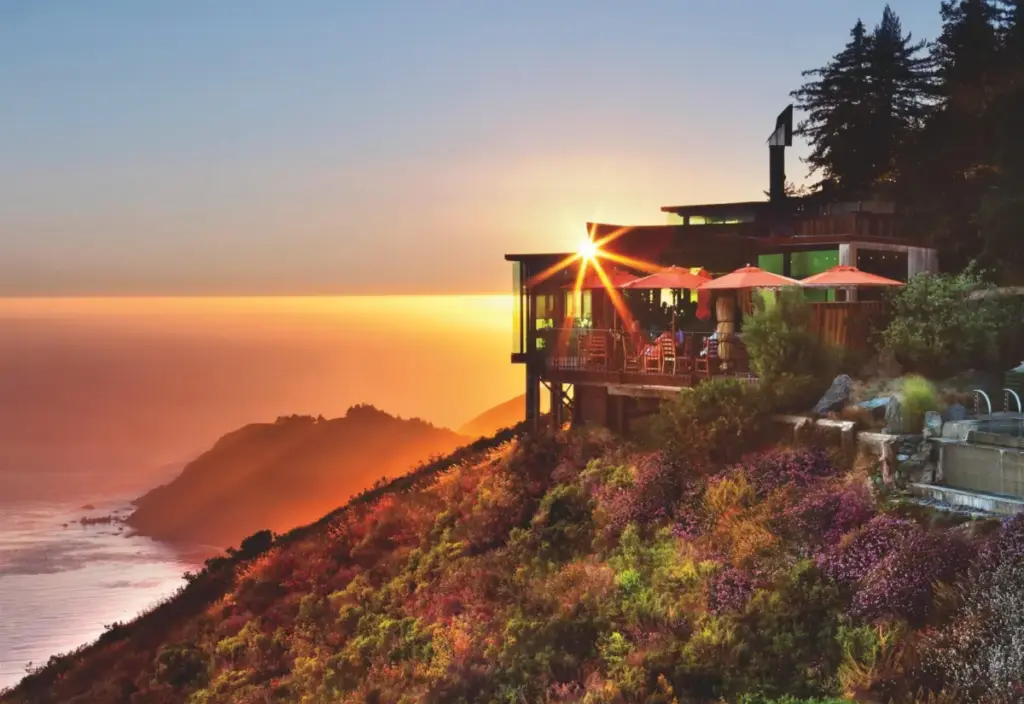
Meanwhile, thousands of miles away in the dappled light of a Big Sur, California, forest, a solitary meditator takes in deep lungfuls of eucalyptus and salty ocean air. At the base of a nearby majestic live oak sits a frilled chanterelle mushroom, freshly foraged and destined for dinner that evening at the Post Ranch Inn’s award-winning restaurant. These two distinct scenes capture a broader transformation currently sweeping the hospitality industry, as high-end properties adapt to a profound shift in what modern travelers expect from a getaway.
A new generation of travelers is eager to hit the road, check in, and genuinely destress, but they are approaching resorts on their own terms. Unlike previous decades, when luxury travel often meant passive relaxation, standardized amenities, and a disconnect from the surrounding community, today’s visitors seek active engagement, mental restoration, and authentic local flavor. Crucially, they expect to do this without compromising on high-end cuisine, comfort, or cultural depth.
This evolution reflects a wider cultural pivot toward experiential travel, where the value of a vacation is measured not by luxury for its own sake, but by how deeply a guest can immerse themselves in a destination. Whether it is learning the nuances of local oystering on the shores of Virginia or meditating beneath the ancient coastal redwoods of California, travelers are looking for meaningful departures from their routine digital connectivity and high-stress professional environments.
The hospitality sector has responded by rethinking the traditional resort model. Properties are no longer just places to sleep between tourist excursions; they are designed to be self-contained ecosystems of wellness, culinary excellence, and environmental connection. From coastal inlets to secluded forest cliffs, high-end retreats are curating itineraries that blend physical activity, mindfulness, and gastronomy into a single, cohesive experience.
For the contemporary visitor, whatever their ultimate escape looks like, there is increasingly a resort tailored to meet that specific vision. Some travelers seek the crisp maritime air, quiet waterways, and maritime heritage of the mid-Atlantic coast, where outdoor pursuits like harvesting seafood offer a tangible grounding effect. Others lean toward the dramatic, contemplative landscapes of the Pacific coast, where towering trees, ocean mists, and secluded meditation spots provide an immediate antidote to urban burnout.
Yet, as the options for specialized travel expand, the logistics of planning such trips can sometimes introduce a new layer of anxiety. Travelers want seamless itineraries, expertly guided excursions, and guaranteed culinary excellence without having to spend weeks researching and coordinating complex schedules. The planning part does not have to be stressful, provided travelers utilize expert insights and professional guidance to streamline the process. Industry veterans and travel experts have assembled essential pro tips to help visitors navigate bookings, timing, and destination selection, ensuring that the final experience is entirely smooth and undeniably worth the trip.
As this trend continues to shape the future of tourism, resorts that successfully bridge the gap between relaxation, culinary sophistication, and authentic local immersion are setting a new standard. By allowing guests to step out of their everyday routines and directly into the rhythms of nature, these destinations offer a rare commodity in the modern world: the space to slow down, engage deeply, and return home truly restored.