


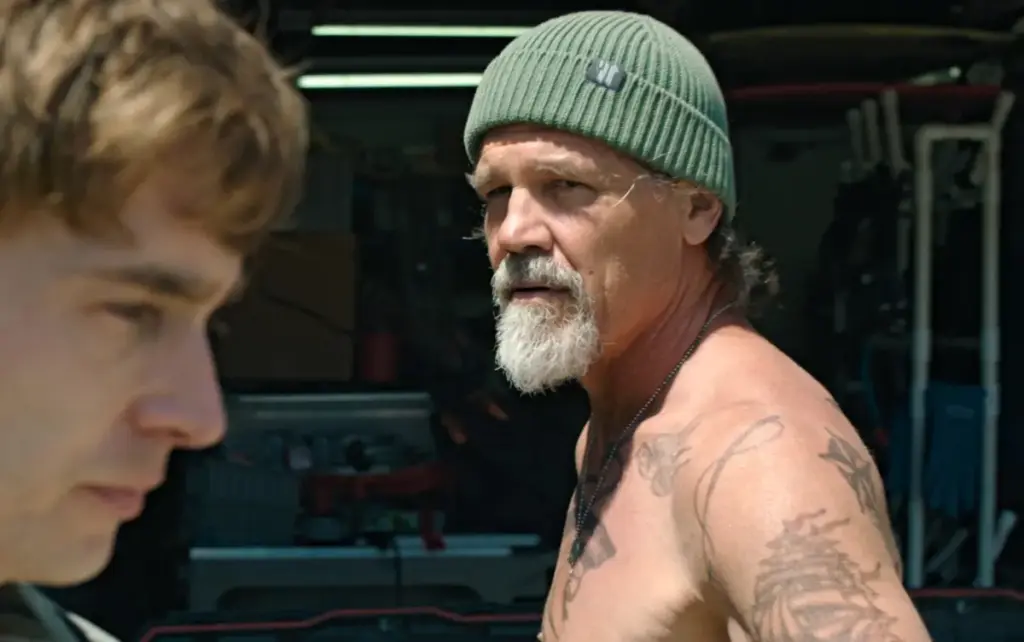
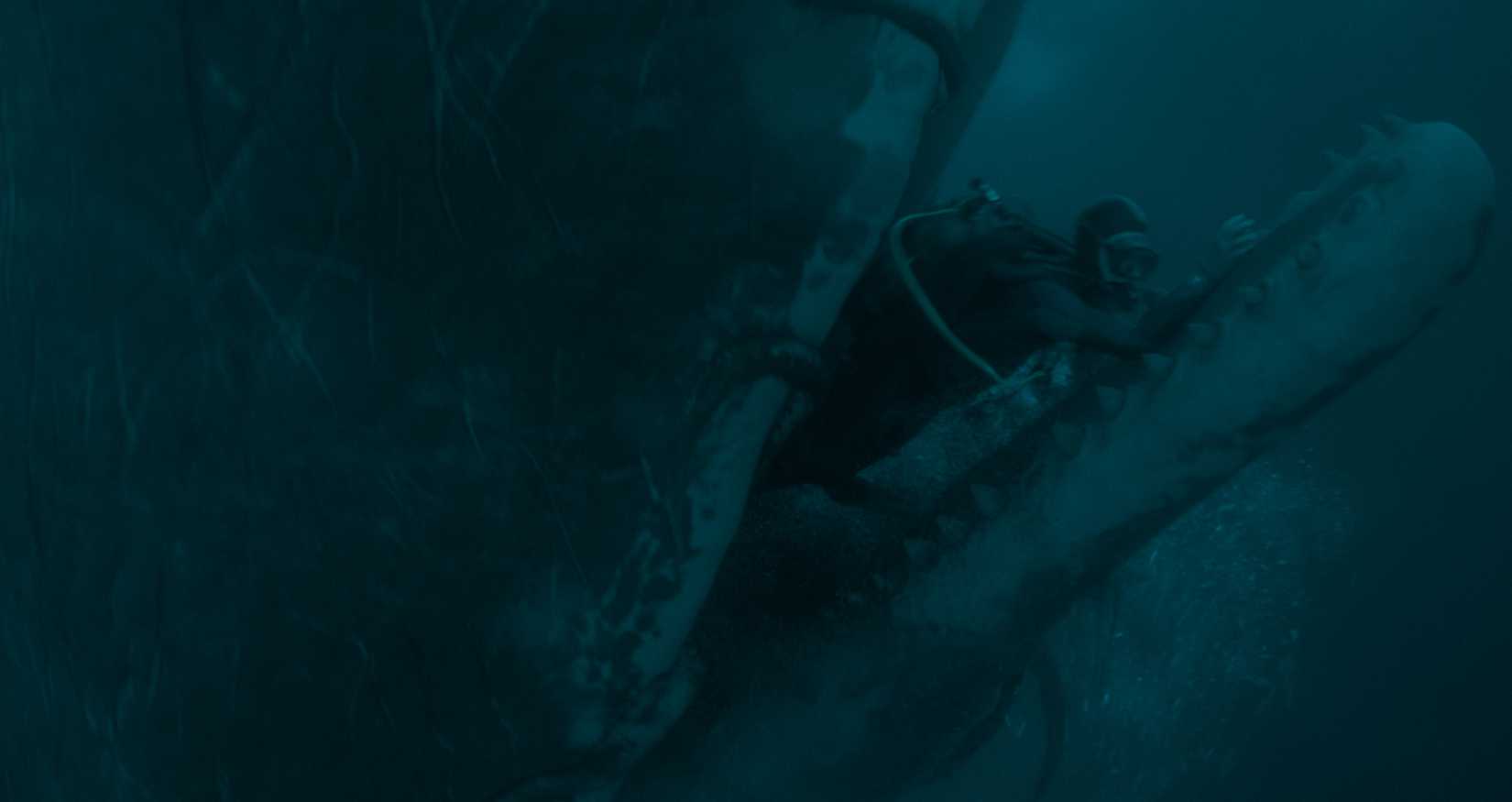
The cinematic adaptation of Daniel Kraus’s acclaimed novel Whalefall has officially arrived in theaters, bringing a terrifying, claustrophobic survival story to the big screen. Directed by Brian Duffield, known for his work on No One Will Save You and Cocaine Bear, the film features a gripping premise: a young scuba diver ventures into the Pacific Ocean in search of the remains of his father, only to be swallowed whole by a massive sperm whale. Trapped inside the creature with a mere hour of oxygen remaining, the protagonist must navigate an impossible, shifting labyrinth of anatomy to fight for his survival.
Ahead of the film’s theatrical release, stars Josh Brolin and Austin Abrams, alongside director Brian Duffield and author-turned-screenwriter Daniel Kraus, sat down at New York Comic Con to discuss the monumental hurdles of adapting such a unique narrative. The team opened up about the complexities of visualizing the interior of a giant marine mammal, the surprising perspective they took on the whale itself, and the deeper emotional undercurrents that drive the story beneath its high-concept survival thriller exterior.
The Most Challenging Scene
Translating a book largely set inside the four-chambered stomach of a sperm whale into a visual medium was never going to be easy. According to Daniel Kraus, who co-wrote the screenplay alongside Duffield, the most daunting hurdle was physicalizing the interior environment of the animal, specifically its primary stomach.
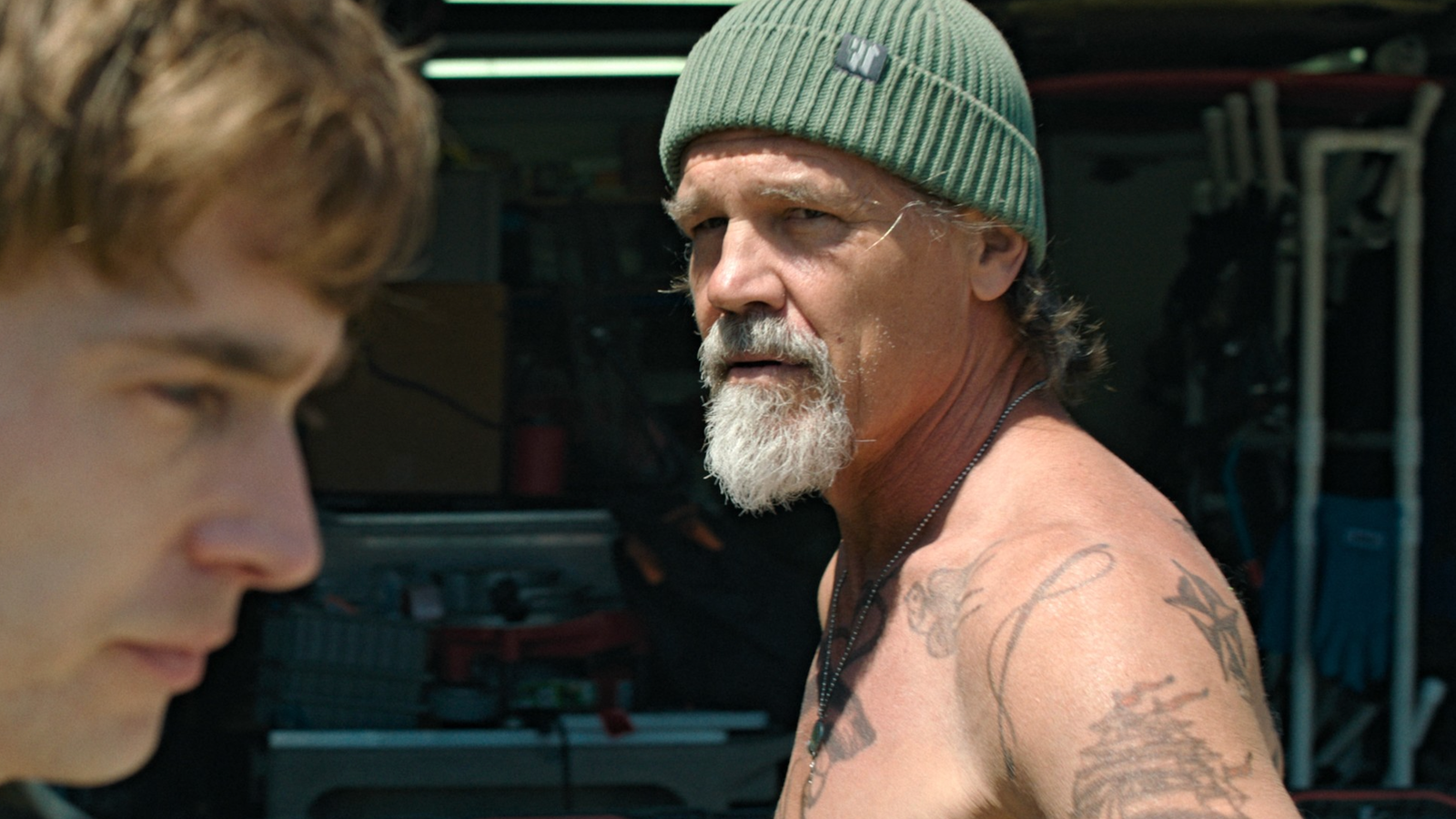
Reflecting on the creative process, Kraus noted that while writing the novel presented its own obstacles—largely because he is not a whale scientist and had to rely heavily on marine biologists, diving experts, and anatomical references—the cinematic translation demanded an entirely new level of tangible realism. He explained that as a writer, he could obscure or gloss over certain logistical hurdles with prose, but a film production requires physical sets that must function practically on camera.
Kraus credited production designer Ramsey Avery with pushing the visual boundaries of the project. Avery’s extensive research and detailed visual studies quickly surpassed even Kraus’s own deep dive into cetacean anatomy. The ultimate production challenge centered on the main stomach chamber, which needed to serve multiple functions simultaneously. The set had to convincingly mimic a living, soft tissue environment complete with bioluminescent lighting while executing complex mechanical movements, including rolling, inclining, and simulating the presence of digestive fluids, water, and various sea life such as squid and jellyfish. Creating a functional, responsive set that could convincingly perform all these actions was an enormous undertaking for the art and design departments.
For Austin Abrams, who stars as the desperate diver Jay Gardiner, the physical realities of shooting those sequences matched the complexity of the set design. Abrams pointed to that exact claustrophobic environment as the most difficult aspect of the production, emphasizing the physical toll of portraying the intense pressure and relentless squeezing inside the animal’s digestive tract.

The Whale Isn’t the Villain
Despite the harrowing predicament facing the main character, neither the filmmaker nor the author ever approached the story with the intention of portraying the sperm whale as an antagonist or monster. In creature features and survival thrillers, the threat is traditionally framed as a malicious force to be defeated, but Whalefall deliberately subverts this convention.
Kraus emphasized that the whale was envisioned not as a source of fear or intimidation, but as an emblem of awe, majesty, and mystery. Delving into research on sperm whales revealed creatures that are remarkably bizarre and intelligent, leading the author to view them almost with a sense of reverence. Noting the numerous historical and modern accounts of cetaceans assisting distressed humans in the open ocean, Kraus described the animal as an entity so vast that it operates on a plane entirely separate from human awareness, likening its indifference to the way humanity might overlook a colony of ants.
Director Brian Duffield echoed this sentiment, highlighting the collective affection and respect the entire production team held for the marine mammals. Rather than acting as a traditional movie villain, the whale is framed as the most innocent character in the narrative—an animal simply going about its natural existence in the deep ocean. By the conclusion of the cinematic journey, the filmmakers intend for the audience to view the creature less as a threat and more as an unwitting catalyst and ultimate hero of the survival ordeal.
It’s Not Really About the Whale
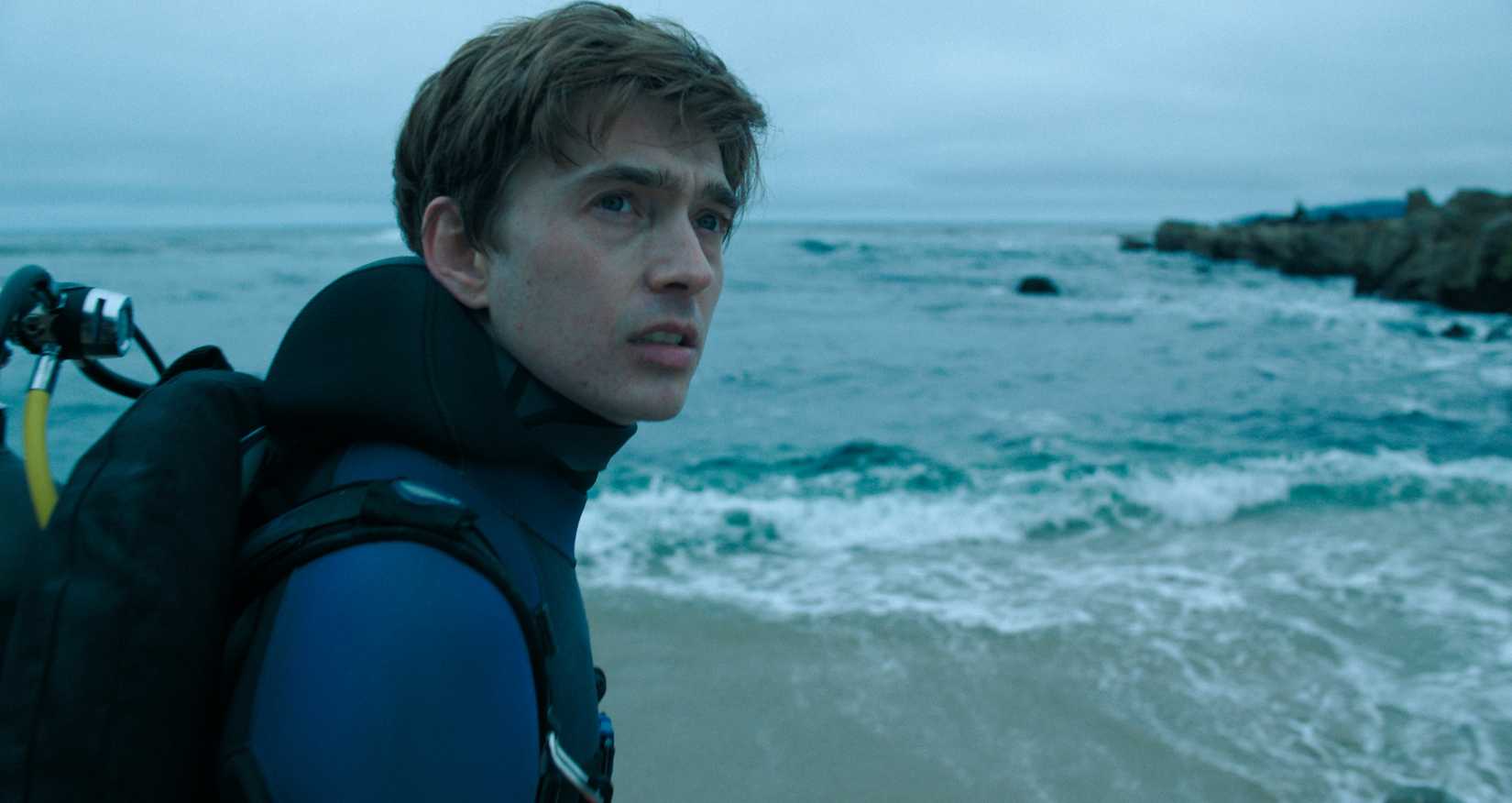
While the marketing and the high-stakes premise center heavily on the literal, ticking-clock nightmare of being swallowed by a marine leviathan, the creative team stresses that the true heart of Whalefall lies elsewhere. Beneath the visceral thrills of deep-sea diving, giant squids, and dwindling oxygen supplies, the narrative is fundamentally a deeply personal exploration of family dynamics and unresolved grief.
The core emotional trajectory of the film maps the relationship between Jay Gardiner, played by Abrams, and his late father, portrayed by Brolin. The physical struggle to escape the whale serves as an externalized manifestation of an internal reckoning. The character’s journey is not merely about mastering cetacean anatomy or solving a series of survival puzzles; it is about Jay confronting his complicated, often painful history with his father and ultimately finding a measure of internal peace.
Summarizing the broader thematic resonance of the project, Josh Brolin offered a concise perspective on the film’s deeper meaning, noting that the whale functions primarily as a powerful symbol designed to break down emotional barriers and force a character to finally get out of his own way.
Whalefall is now playing in theaters nationwide.