

The delicate legal architecture governing the modern mirrorless camera industry has experienced a seismic shift. In January, Nikon took aggressive legal action in China, filing a high-stakes lawsuit against third-party lens manufacturer Viltrox. Nikon accused the company of intellectual property infringement regarding its proprietary Z-mount, demanding substantial royalties and financial damages. However, a major legal reversal this past summer saw the court decisively rule in favor of Viltrox.
This unexpected verdict has set a formidable legal precedent that carries profound implications across the entire imaging sector. Most notably, it casts an intense spotlight on Canon, which currently maintains the industry’s only truly closed mirrorless camera mount.
If Nikon’s foundational Z-mount patents are vulnerable to invalidation, foundational questions emerge regarding the long-term defensibility of Canon’s RF-mount. To understand how the power dynamics of the global camera market have fundamentally altered, industry analysts must first examine the specific grounds upon which Nikon lost its landmark legal battle.
Nikon’s Legal Defeat in China
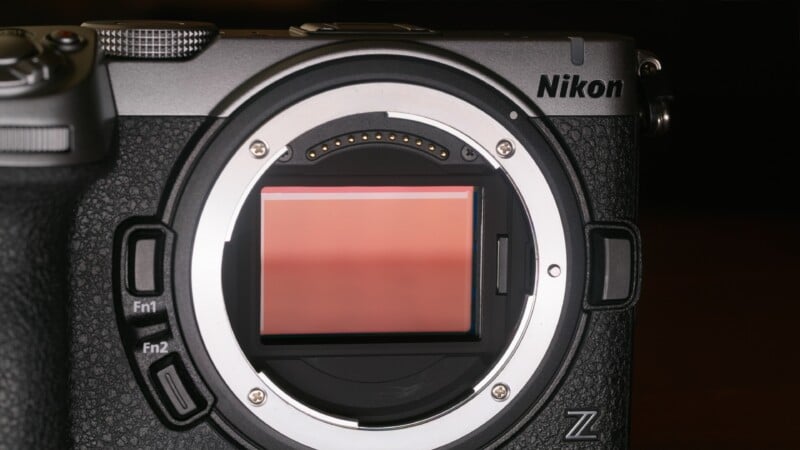
The China National Intellectual Property Administration (CNIPA) reviewed Nikon’s infringement claims and not only dismissed the demand for financial compensation, but also took the extraordinary step of invalidating one of Nikon’s core Z-mount design patents. The targeted patent specifically protected structural elements of the Z-mount, including the physical bayonet tabs, terminal pins, and the overarching electronic layout.
According to the CNIPA, Nikon’s patent lacked an “inventive step”—the Chinese legal equivalent to the concept of “non-obviousness” under United States patent law. The administrative body determined that making incremental adjustments to the length, physical angle, and spatial arrangement of bayonet lugs or electronic contact pins over pre-existing legacy camera mounts constitutes routine engineering rather than a true patentable breakthrough.
Even though the physical dimensions, flange focal distances, and electronic pin configurations of the modern Z-mount differ from Nikon’s historical F-mount, the court concluded that these iterative changes are neither unique nor sufficiently inventive to warrant patent protection. Because Nikon’s entire lawsuit hinged on the legal validity of this specific patent, Viltrox’s decisive victory effectively stripped the camera manufacturer of the legal basis required to pursue damages. Consequently, Nikon cannot legally prevent Viltrox—or any other China-based third-party manufacturer—from developing, producing, and selling autofocus-equipped lenses explicitly designed for the Z-mount.
When contacted for comment regarding the outcome, Nikon told PetaPixel, “Out of respect for the judicial system, we will refrain from providing further details at this time.”
Meanwhile, Viltrox has maintained a remarkably restrained posture, choosing not to publicly gloat over its monumental courtroom victory. In an official statement shared with the media, Viltrox noted: “We truly appreciate your attention and support. However, at this moment, we don’t have any official information or updates that we are able to share regarding this topic. Regarding the questions about potential future implications or other mounts, we unfortunately don’t have any comments or information available at this time. If there are any official updates in the future that can be shared publicly, we will be sure to keep you informed.”
The International Implications and Global Risks
Nikon’s legal defeat occurred exclusively within the jurisdiction of China. This means that in international regions where Nikon maintains active Z-mount patents—such as across the United States, the United Kingdom, and the European Union—the company technically retains the legal right to file lawsuits aimed at blocking the distribution, marketing, and retail sale of competing Viltrox lenses.
Despite this technical capability, industry observers suggest that Nikon is unlikely to pursue such foreign litigation. Having suffered a stinging defeat before the CNIPA, Nikon faces significant institutional hesitation. Initiating patent infringement lawsuits in Western jurisdictions carries immense financial and strategic risk. Should a court in the United States or Europe arrive at a similar conclusion regarding the lack of an inventive step in modern lens mount design, Nikon’s intellectual property protections could crumble on a global scale.
While legal experts acknowledge that the Chinese judicial system operates within a unique framework where domestic enterprises often enjoy structural advantages, the core legal reasoning deployed by the CNIPA is difficult to dismiss. The underlying vulnerability stems from the fact that modern lens mounts are largely iterative descendants of older optical technologies. Camera design and mechanical lens attachment systems have evolved incrementally over the past sixty years. Simply engineering a slightly wider physical diameter or altering pin counts is increasingly unlikely to withstand rigorous judicial scrutiny when challenged by well-funded opponents.
Furthermore, even if Nikon were to secure favorable rulings in Western courts, the practical impact on global commerce would be limited. Because Viltrox manufactures its products within China—where the courts have explicitly established that the company has every legal right to produce Z-mount lenses—Nikon could at most restrict direct corporate shipments to official retail channels in protected foreign markets. However, global supply chains and alternative import routes easily bypass traditional distribution controls, rendering hard blocks difficult to enforce. With China representing the second-largest camera market in the world, camera manufacturers simply cannot afford to write off domestic compliance.
Canon’s Growing Conundrum
The implications of this legal precedent naturally direct attention toward Canon, the industry titan that has long enforced a strictly closed ecosystem for its full-frame mirrorless RF-mount.
Nikon is not the first major camera brand to confront Chinese lens makers over intellectual property concerns, but it was the first to escalate the dispute into formal litigation. Prior to Nikon’s court battle, Canon acted as the dominant force in the industry, relying primarily on direct legal threats rather than courtroom trials to deter competition.
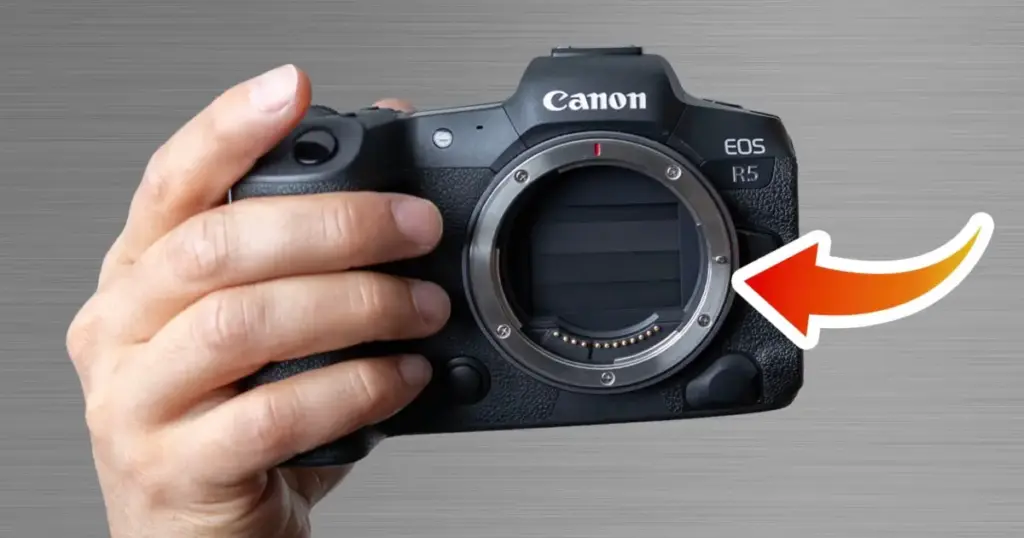
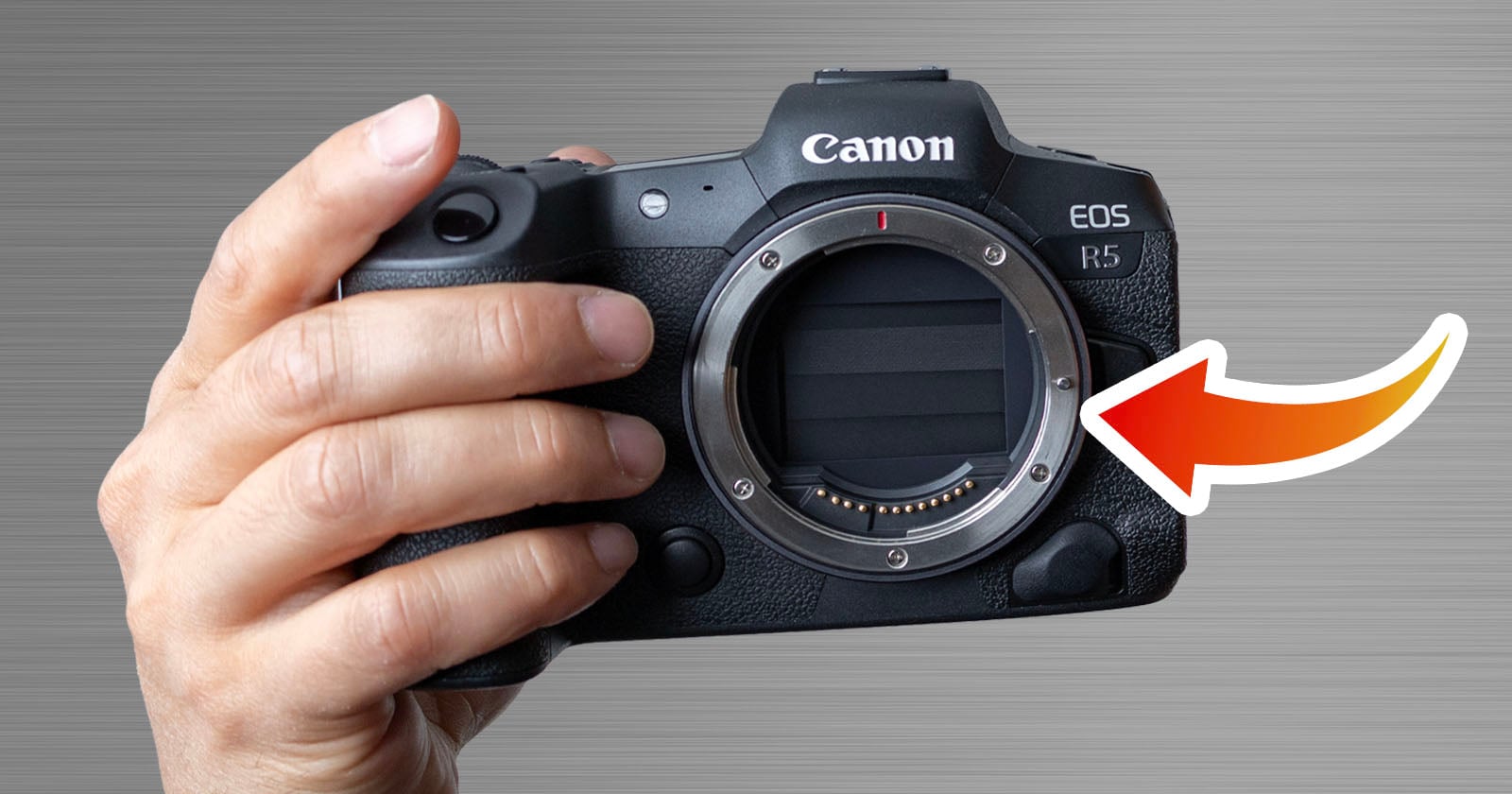
In August 2022, Viltrox publicly disclosed that it had halted the production and distribution of autofocus-equipped RF-mount lenses after receiving formal demands from Canon threatening legal action. Weeks later, Canon officially confirmed its aggressive stance against third-party manufacturers infringing upon its proprietary designs.
At the time, Canon issued a statement reading: “SHENZHEN JUEYING TECHNOLOGY CO.LTD, manufactures auto focus lenses for Canon RF mount under the brand name ‘Viltrox.’ Canon believes that these products infringe their patent and design rights and has therefore requested the company to stop all activities that infringe Canon’s intellectual property rights.”
Four years ago, Viltrox was a smaller, less financially secure enterprise, and Canon’s intimidation tactics proved effective without ever requiring a formal trial. Today, however, the landscape has transformed entirely. Viltrox has matured into a respected, highly capitalized manufacturer with advanced engineering capabilities and substantial legal resources. Viltrox’s courtroom victory in China demonstrates unequivocally that modern domestic lens makers possess the financial stamina to challenge and successfully invalidate the proprietary patents of legacy camera giants.
If Viltrox or other manufacturers choose to resume the production of autofocus RF-mount lenses, Canon faces a critical strategic dilemma. Should Canon make good on its historical threats and initiate formal lawsuits, it risks a humiliating repeat of Nikon’s experience in the Chinese courts.
The Vulnerability of Canon’s IP Protections
A review of the CNIPA Patent Search System reveals that Canon’s protective strategy for the RF-mount closely mirrors Nikon’s vulnerable approach. Canon holds a portfolio of design and utility patents covering the physical three-tab bayonet mount structure and its exact dimensions, alongside the physical electronic interface consisting of twelve communication pins. Additional utility patents cover proprietary communication algorithms and electronic signals transmitted between the lens and the camera body, governing functions such as autofocus performance, optical image stabilization, and inputs from Canon’s signature lens control ring.
The central risk for Canon is that the CNIPA’s administrative reasoning in the Nikon case establishes a definitive precedent. If physical flange geometries and electronic pin layouts derived from prior legacy systems—such as Canon’s older EF and EF-M mounts—are deemed non-patentable due to a lack of an inventive step, Canon’s physical RF-mount protections stand on exceptionally shaky ground. Should Canon initiate a lawsuit in China, Viltrox could deploy identical legal arguments to dismantle Canon’s patent portfolio.
Strategic Paths Forward for Camera Manufacturers
The CNIPA ruling exposes a structural vulnerability that threatens every closed or partially closed lens mount in the photographic industry, including Leica’s L-mount and Micro Four Thirds standards. The legal roadmap for challenging proprietary lens mounts has now been officially charted, significantly reducing the risks for third-party manufacturers operating within China.
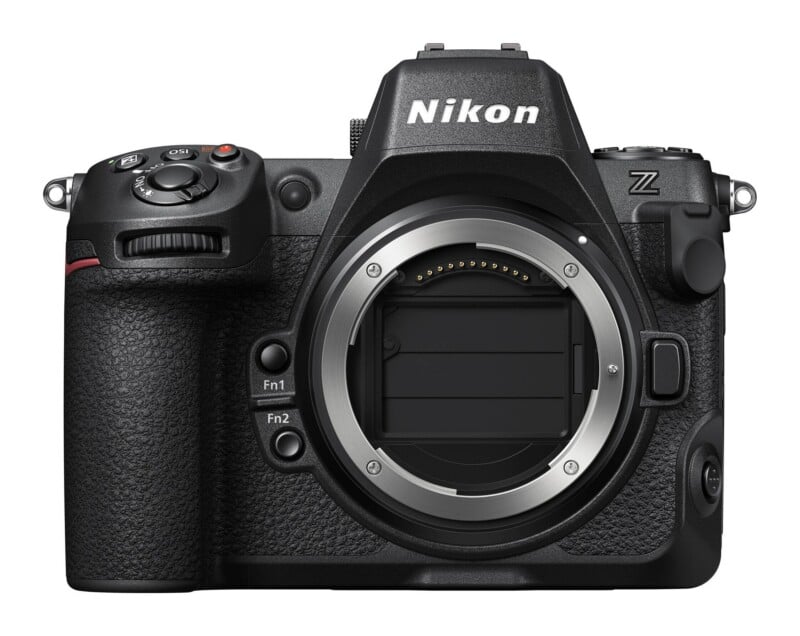
To adapt to this shifting reality, camera brands have limited options. Nikon could theoretically implement aggressive firmware updates designed to block unauthorized lenses through encrypted software handshakes. However, software blocks historically alienate consumers. Past incidents—such as when third-party lenses experienced temporary compatibility issues during Sony camera launches, triggering unwarranted consumer backlash—demonstrate the public relations hazards of anti-competitive firmware measures. Furthermore, third-party manufacturers have repeatedly proven capable of bypassing software restrictions via rapid firmware updates within days.
If Canon decides to defend its RF-mount through international litigation, legal experts suggest it would likely pursue a multi-jurisdictional strategy, simultaneously suing Viltrox in China, Japan, the United States, and other key markets. By overwhelming Viltrox with a coordinated global legal battle, Canon might hope to force a favorable out-of-court settlement, compelling third-party makers to pay licensing royalties.
Such an outcome would mirror the collaborative licensing frameworks established by competitors like Sony with its successful E-mount partnership program. Under similar models, third-party manufacturers gain official engineering access and legal clearance in exchange for modest performance limitations and commercial fees. Given that major Japanese camera brands sit together on the board of the Camera & Imaging Products Association (CIPA), industry leaders share a collective interest in maintaining the market stability and profitability of Japanese-owned businesses against rising international competition.
When asked for comment regarding these evolving legal challenges, Canon offered a standard corporate response. “Canon does not comment on legal proceedings or the business activities of other companies,” the company told PetaPixel. “We remain focused on delivering innovative solutions to our customers while respecting intellectual property rights in every market where we operate.”
Despite official statements, industry analysts agree that the topic is dominating internal corporate discussions. Should even one major third-party manufacturer resume uninhibited RF-mount production and flood the market with competitive glass, the pressure on Canon to open its ecosystem will intensify dramatically. Combined with the sheer economic gravity of the Chinese domestic market, camera manufacturers can no longer afford to ignore the shifting balance of power. For the first time in the modern mirrorless era, the momentum has swung firmly into the hands of third-party lens makers.