




The theatrical release of Verity has officially brought high-stakes psychological suspense back to the big screen, reigniting mainstream interest in a cinematic genre that once dominated Hollywood box offices. Directed and structured around a tangled web of deception, the film stars Dakota Johnson as Lowen, a struggling writer who is handed a life-changing professional opportunity: ghostwriting the remaining work of Verity Crawford, universally recognized as one of the world’s most successful authors.
Upon accepting the position, Lowen relocates to Verity’s isolated home, quickly finding herself deeply enmeshed with the author’s husband, Jeremy, played by Josh Hartnett. The central complication, and the driving force of the narrative’s suspense, is that Verity herself lies incapacitated in an upstairs bedroom, entirely unresponsive following a severe accident.
The arrival of Verity serves as a timely addition to the rich, storied tradition of the erotic thriller. This specific subgenre possesses a prominent and enduring history in Hollywood, tracing its conceptual roots back to classic film noirs. Those foundational black-and-white pictures were defined by hidden subtext, shadowy aesthetics, dangerous femme fatales, and hard-boiled detectives navigating morally ambiguous worlds. The erotic thriller ultimately took that underlying subtext and made it explicitly tactile, drawing theatergoers in massive numbers throughout the 1980s and 1990s. This theatrical heyday coincided perfectly with the explosive growth of the home video and VHS rental market, transforming these provocative adult dramas into massive commercial hits both in cinemas and in living rooms.

While the genre eventually fractured, with its tropes bleeding into other cinematic categories over the subsequent decades, it is currently experiencing a powerful commercial and cultural revival. This contemporary boom has been heavily accelerated by BookTok bestsellers—most notably Verity and The Housemaid—which are successfully introducing the genre’s signature blend of high-end melodrama, suspense, and explicit tension to an entirely new generation of readers and moviegoers.
For audiences who have already experienced Verity in theaters and are eager to explore films that deal with similar psychological themes, voyeuristic tension, and domestic betrayal, cinema offers a rich catalog of predecessors and spiritual successors. Examining the broader canon of the genre reveals how filmmakers across generations have played with these exact narrative mechanics.
Rebecca
Rebecca stands as the most direct and transparent literary and cinematic reference point for Verity. The thematic connection is embedded right in the title, with both properties centered on an absent, seemingly larger-than-life woman whose lingering presence haunts the protagonist. Originally written by Daphne du Maurier in 1938, the story was famously adapted into one of Alfred Hitchcock’s finest Hollywood efforts in 1940.
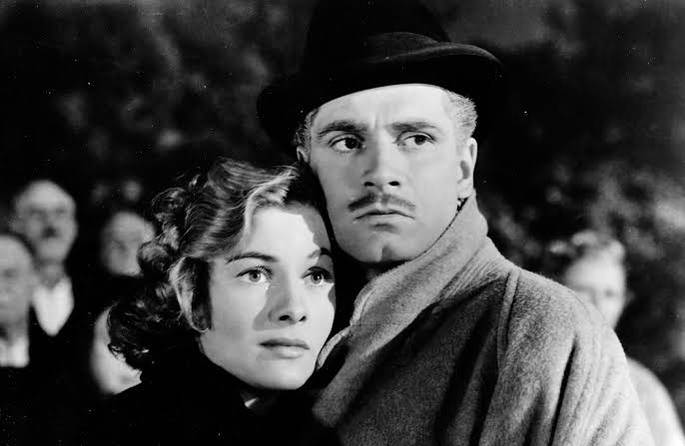
The narrative follows an unnamed young woman, portrayed by Joan Fontaine, who is swept into a whirlwind romance with Mr. de Winter, an older, exceptionally wealthy widower played by Laurence Olivier. Upon proposing, Mr. de Winter rescues the young woman from a life of financial precarity and subservience, whisking her away from her demeaning role as the paid companion of an insufferable socialite and installing her as the mistress of Manderley, a breathtaking coastal estate. However, the psychological hurdle of the marriage quickly becomes apparent: Mr. de Winter was previously married to the late Rebecca, whose immaculate memory, belongings, and influence seem to occupy every single corner of the sprawling manor, driving the new bride to the brink of psychological collapse.
Les Diaboliques
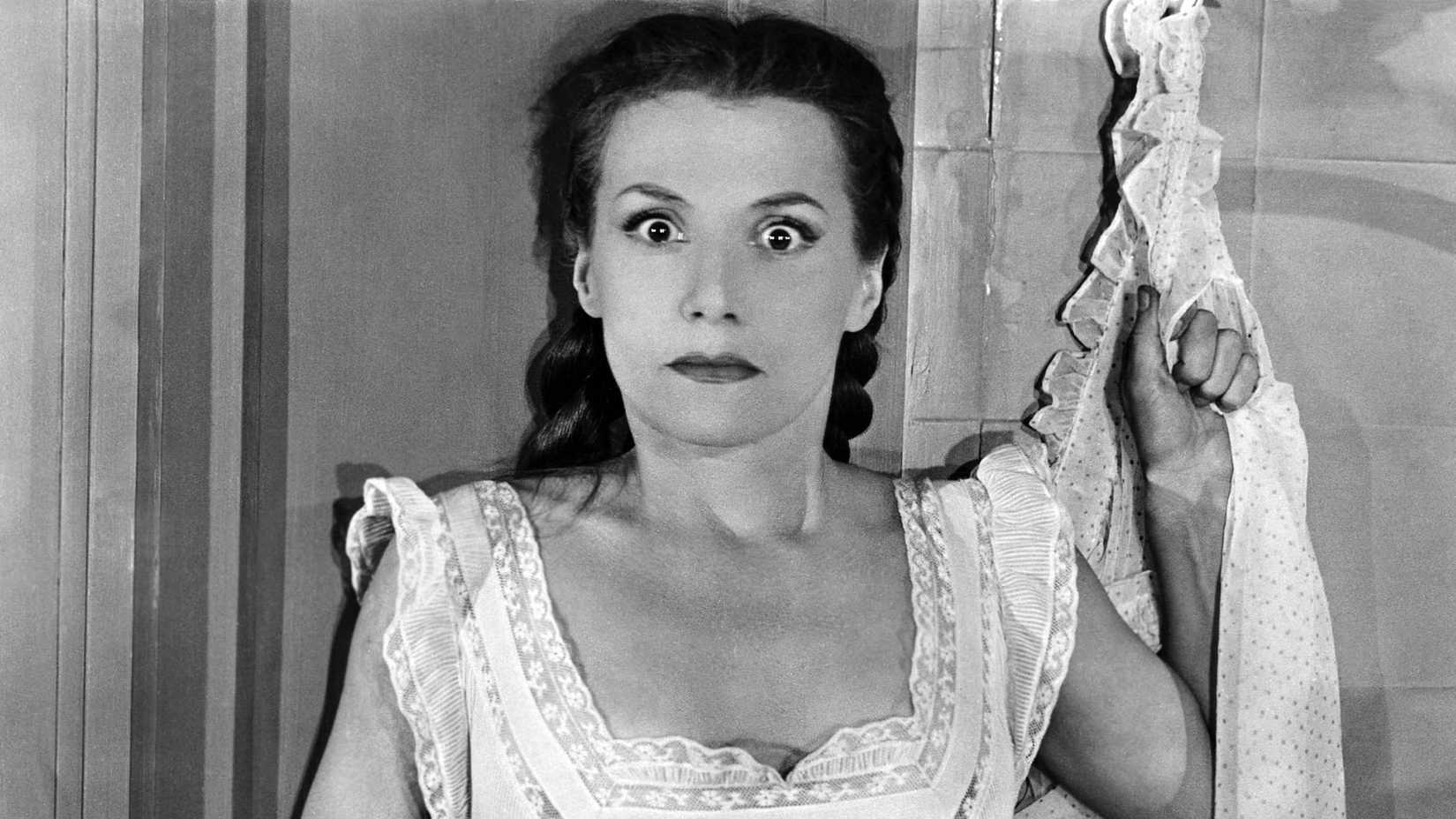
Released in 1955, French masterpiece Les Diaboliques is saturated with shocking twists and heavy sexual undertones, establishing itself as an essential European precursor to the modern American erotic thriller. Directed by Henri-Georges Clouzot, the plot revolves around a tense, unstable love triangle involving Michel, the tyrannical and abusive headmaster of a rundown boys’ boarding school played by Paul Meurisse; his fragile wife, Christina, portrayed by Véra Clouzot; and his resolute mistress, Nicole, played by Simone Signoret.
When the two women eventually cross paths, they bond over their shared misery and Michel’s unrelenting cruelty, ultimately conspiring to commit the ultimate crime: murdering him. The film’s intricate plotting and psychological cruelty left a permanent mark on thriller cinema, eventually earning an American remake in the 1990s starring Sharon Stone, Isabelle Adjani, and Kathy Bates, which brought the underlying sexual subtext closer to the foreground while translating the suspense for contemporary audiences.
Vertigo
Voyeurism, escalating suspense, and deeply repressed sexuality served as the foundational pillars of Alfred Hitchcock’s legendary filmography. Vertigo, released in 1958, remains one of his most celebrated and psychologically complex works. The story follows Scottie, a retired police detective played by James Stewart, who is hired by an old college acquaintance to keep a discreet eye on his wife, Madeleine, portrayed by Kim Novak.
Scottie’s acquaintance claims that Madeleine has been exhibiting erratic, melancholic behavior, seemingly possessed by the tragic spirit of a dead ancestor, and expresses a genuine fear that she might attempt to take her own life. As Scottie begins tailing her through the steep streets and foggy vistas of San Francisco, his professional assignment devolves into a profound, consuming obsession, ultimately pulling him into a meticulously constructed web of deception.
The Hand That Rocks the Cradle
Curtis Hanson’s The Hand That Rocks the Cradle (1992) ranks among the most intricately plotted domestic thrillers of its era. Sharing a thematic kinship with Verity, the film centers on a woman with a concealed past who systematically infiltrates the home and personal life of an unsuspecting family.
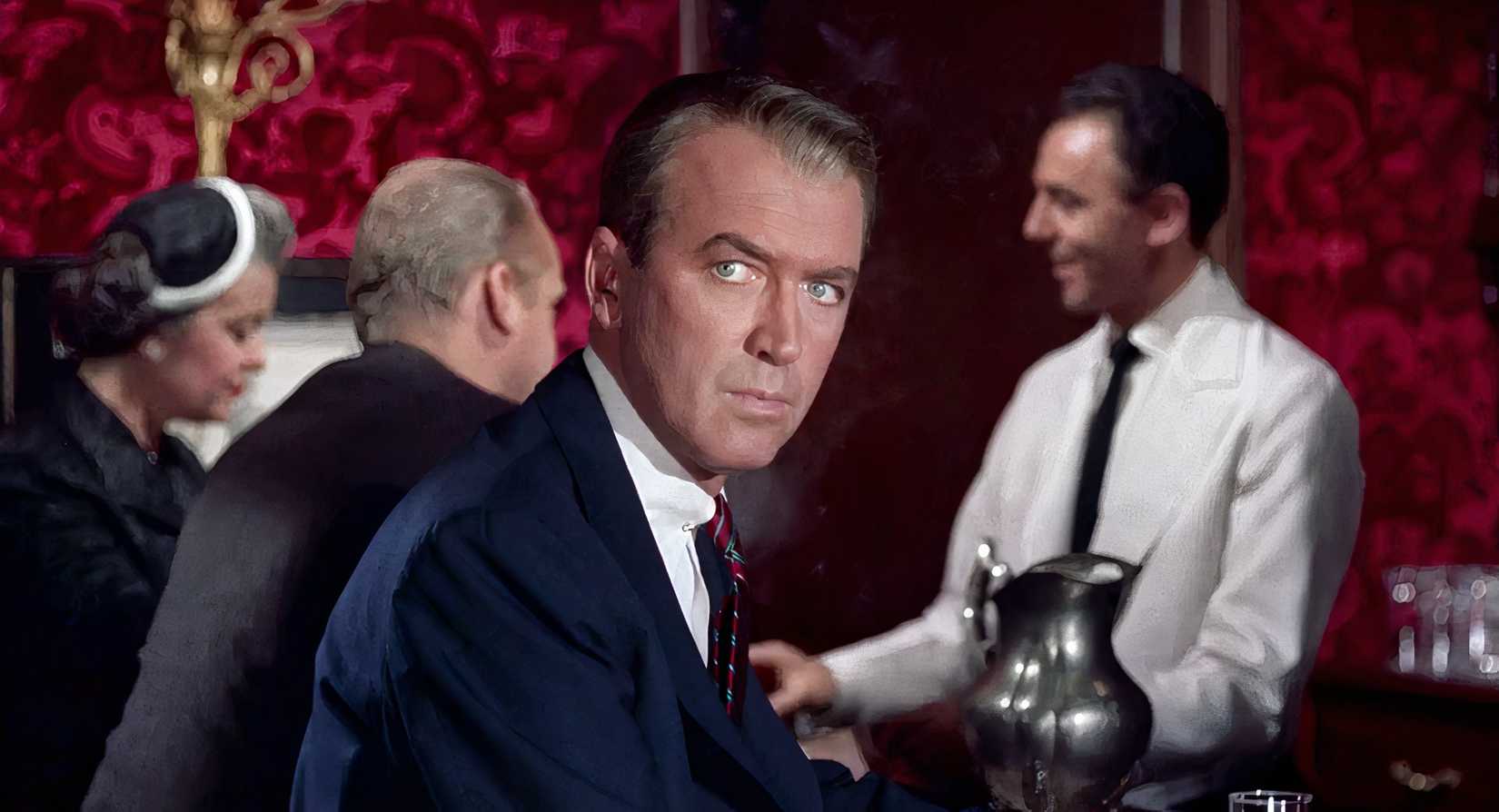
The narrative opens with Claire Bartel, a young mother who courageously comes forward to report her obstetrician for sexual abuse. Her testimony prompts other victims to do the same, triggering a massive public scandal that completely destroys the physician’s career. Facing ruin, the doctor takes his own life, leaving his heavily pregnant wife widowed and destitute. Seeking retribution, the grieving widow reinvents herself under the alias Peyton Flanders, secures a position as a nanny inside Claire’s household, and begins subtly eroding the family structure from within by undermining the mother, seducing the husband, and acting as a surrogate parent to the children. The film also features a memorable, breakout supporting turn from a pre-fame Julianne Moore.
Basic Instinct
By 1992, the Hollywood erotic thriller reached its commercial and cultural zenith with the release of Basic Instinct. Directed by Paul Verhoeven, a filmmaker renowned for his provocative cinematic eye, the movie successfully distilled and perfected nearly every major trope associated with the genre: a hard-bitten detective, a calculating femme fatale, a voyeuristic novelist, thick sexual tension, and high-stakes murder.
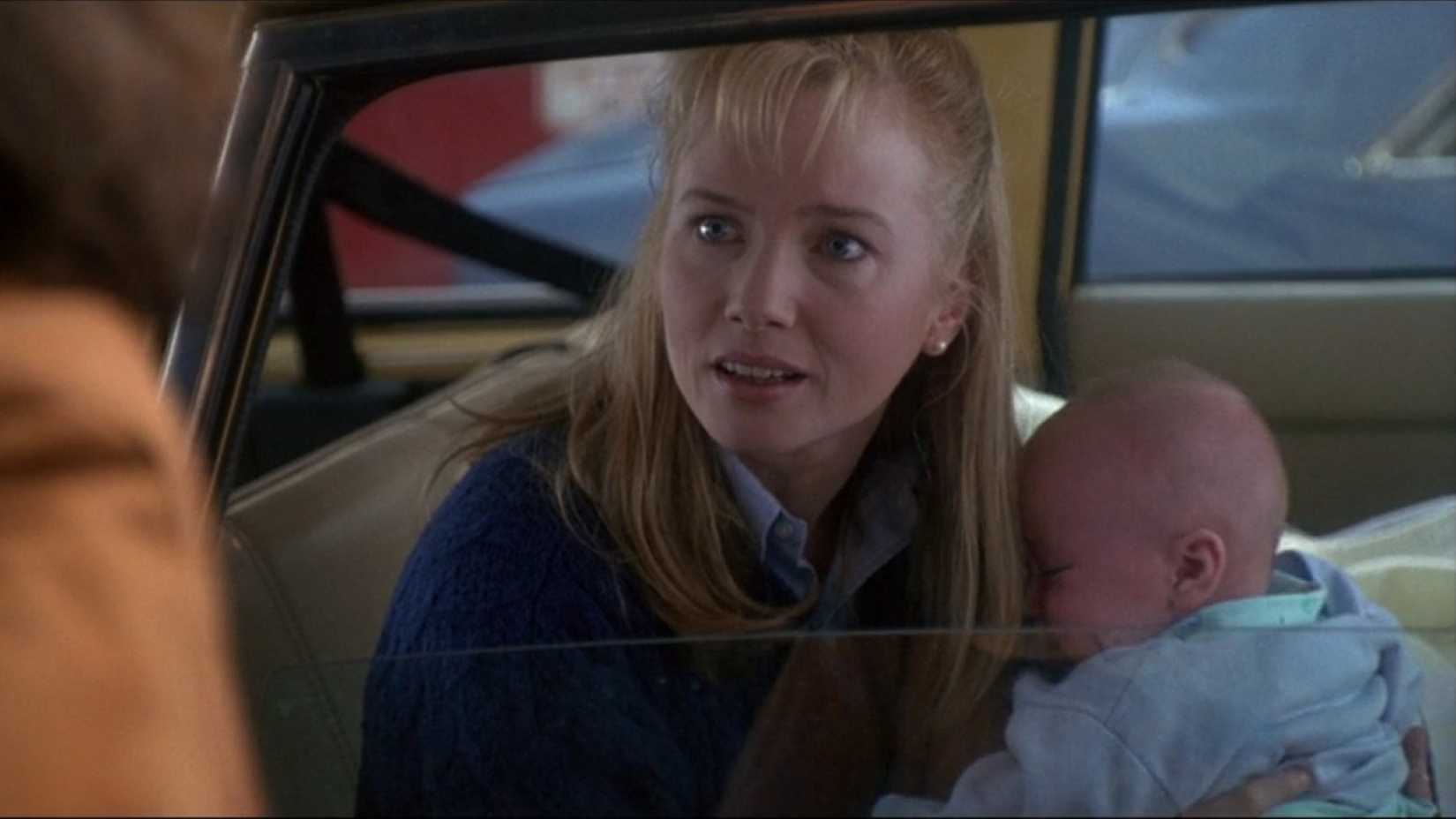
The plot tracks Nick Curran, a San Francisco homicide detective played by Michael Douglas, as he investigates the brutal ice-pick murder of a retired rock star. The primary suspect quickly emerges as Catherine Tramell, a brilliant, wealthy crime novelist portrayed by Sharon Stone. Catherine was romantically involved with the victim, and investigators discover that her most recent published book features a fictional murder that mirrors the exact details of the real-life crime—a clever narrative setup that contemporary Verity readers will immediately recognize. As the investigation deepens, Nick finds himself unable to determine whether Catherine is actively framing him or entirely innocent, a dangerous ambiguity that fails to deter him from entering a volatile sexual relationship with her.
Wild Things
The discourse surrounding Verity has frequently touched upon a specific, unexpected romantic moment between Dakota Johnson and Anne Hathaway’s characters—a cinematic addition that did not appear in the original source novel. When it comes to memorable cinematic kisses that completely redefine a thriller, few images loom larger over the genre than the sun-drenched, chaotic twists of Wild Things (1998).
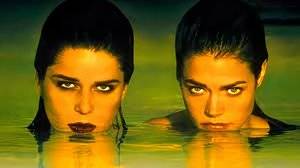
Starring Matt Dillon, Neve Campbell, and Denise Richards, the film is set against the humid backdrop of Blue Bay, Florida. The plot kicks into motion when two high school girls—a wealthy, popular cheerleader played by Richards and a cynical social outcast played by Campbell—independently accuse a charismatic guidance counselor, played by Dillon, of sexual assault. As a local police detective played by Kevin Bacon digs deeper into the conflicting testimonies, it becomes readily apparent that the initial accusations are merely the tip of a much larger, highly calculated conspiracy.
The Talented Mr. Ripley
When discussing duplicitous, deeply unreliable protagonists in suspense cinema, few characters match the enduring appeal of Tom Ripley, the chilling creation of novelist Patricia Highsmith. The character has inspired multiple cinematic interpretations over the decades, but none quite as visually lavish or star-studded as Anthony Minghella’s The Talented Mr. Ripley (1999).

Matt Damon stars as Ripley, a desperate American con artist who will go to any length to secure the wealth, social standing, and luxurious lifestyle he covets. The narrative begins when Tom is mistaken for a Princeton graduate and former classmate of Dickie Greenleaf, a fabulously wealthy American socialite living abroad in Italy. Sent across the Atlantic by Dickie’s father under the guise of bringing the wayward heir home to manage the family business, Tom instead uses the opportunity to insinuate himself directly into Dickie’s social circle. As his web of fabricated identities and quiet deceptions grows increasingly complex, the film transforms into a tense study of identity theft and murderous desperation.
Fifty Shades
The career trajectory of Dakota Johnson is inextricably linked to the commercial phenomenon of the Fifty Shades film trilogy, laying the groundwork for her eventual casting in projects like Verity. While the 2015 adaptation of Fifty Shades entered the cultural consciousness largely due to its origins as popular internet fanfiction, the cinematic series progressively leaned further into the formal traditions of the erotic thriller as it continued.
Starring Johnson as Anastasia Steele alongside Jamie Dornan as Christian Grey—a wealthy, controlling businessman with a penchant for BDSM—the narrative grows increasingly convoluted across subsequent installments. The sequels introduce a revolving door of external threats to the couple’s relationship, ranging from Anastasia’s obsessive workplace superior Jack Hyde to Christian’s former business partner and abuser, Elena Lincoln, played by noir icon Kim Basinger. The final two entries of the franchise were directed by James Foley, who lent a glossier, more unapologetically soapy thriller sensibility to the material.
Fair Play
Among the strongest contemporary contributions to the erotic thriller canon is Chloe Domont’s Fair Play (2023), a film that offers sharp, incisive commentary on modern gender politics, corporate ambition, and sexual power dynamics. By returning to the high-pressure corporate workplace—a classic setting for mid-to-late-century thrillers—the film successfully updates the genre’s mechanics for a contemporary audience.
The story follows Emily Meyers, played by Phoebe Dynevor, and Luke Edmonds, played by Alden Ehrenreich, two ambitious analysts working at an intensely competitive Manhattan hedge fund. The couple has been carrying on a clandestine romance, hoping to announce their engagement once Luke secures a long-anticipated promotion that would separate their reporting lines. However, the delicate power balance of their personal and professional lives fractures overnight when upper management decides to award the promotion to Emily instead, triggering a downward spiral of resentment, paranoia, and psychological warfare.
The Housemaid
Following its run as a major commercial success, The Housemaid has cemented itself as a dominant force in modern psychological suspense, paving the way for a wave of adaptations drawn from dark, soapy BookTok literature. Based on the bestselling novel by Freida McFadden and directed by Paul Feig, the film follows Millie, an ex-con struggling to rebuild her life who finds herself living out of her car.

When a seemingly perfect employment opportunity arises, Millie accepts a position as a live-in housemaid at the luxurious Long Island estate belonging to Nina and Andrew Winchester. Shortly after moving into the sprawling property, Millie begins to realize that the affluent household hides deeply disturbing secrets. Nina proves to be erratic and cruel, actively working to sabotage Millie’s stability, though these initial hurdles represent only the beginning of the protagonist’s troubles. The film shares substantial narrative DNA with Verity, centering on a vulnerable woman who finds herself dangerously entangled in a volatile marriage, slowly learning that nobody inside the home can be safely trusted.