

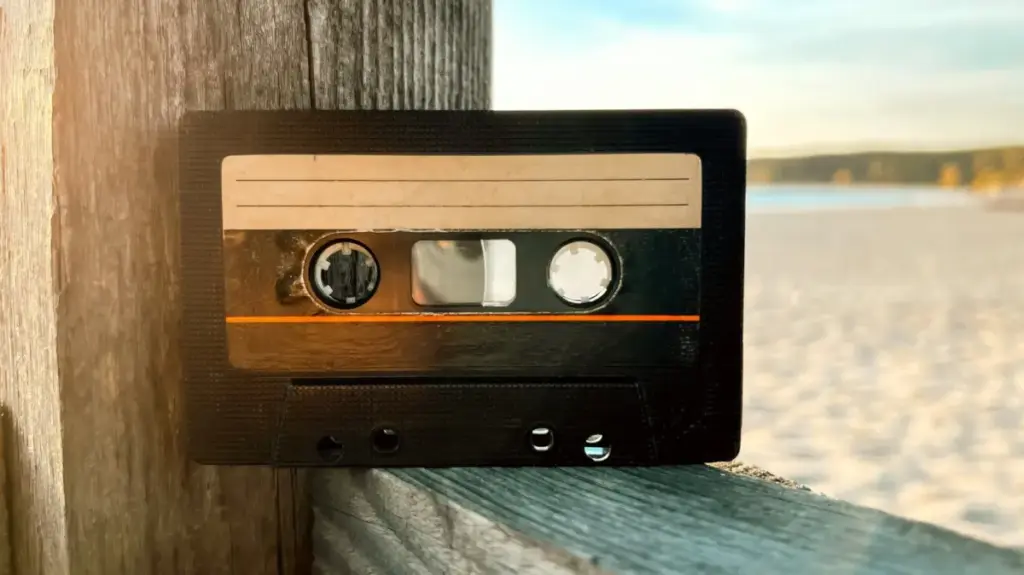
You might want to think twice before leaving your old cassette tapes tucked away in a dusty attic. For anyone who grew up in the 1980s, cassette tapes were an inescapable part of daily life. Measuring roughly the size of a large stack of credit cards, the magnetic tape format served as the primary medium for portable and home music consumption throughout the decade. Long before compact discs dominated the 1990s and modern digital streaming platforms like Spotify became ubiquitous, music lovers built physical libraries of pre-recorded albums, custom mixtapes recorded straight off the radio complete with the DJ’s introductory remarks, and personalized playlists meant for road trips or parties.
While many of these nostalgic relics still reside in shoeboxes, desk drawers, and closets around the world, a pressing question remains for collectors and casual listeners alike: how long can you actually expect these tiny magnetic tapes to last?
The general consensus among audio archivists and preservationists is that cassette tapes boast a theoretical lifespan of about 30 years under ideal conditions. However, this benchmark assumes near-perfect environmental controls. Even in the best of circumstances, cassette tapes will naturally deteriorate over time. The chemical binder coating responsible for holding the magnetic particles to the polyester tape base eventually loses its lubrication and begins to break down or detach from the ribbon.
Despite this inherent physical decay, storage remains the single most critical deciding factor in determining whether an old cassette will play seamlessly or snap under the tension of a vintage deck. Many owners discover that tapes exceeding three decades of age still perform remarkably well, provided they were sheltered from environmental extremes.
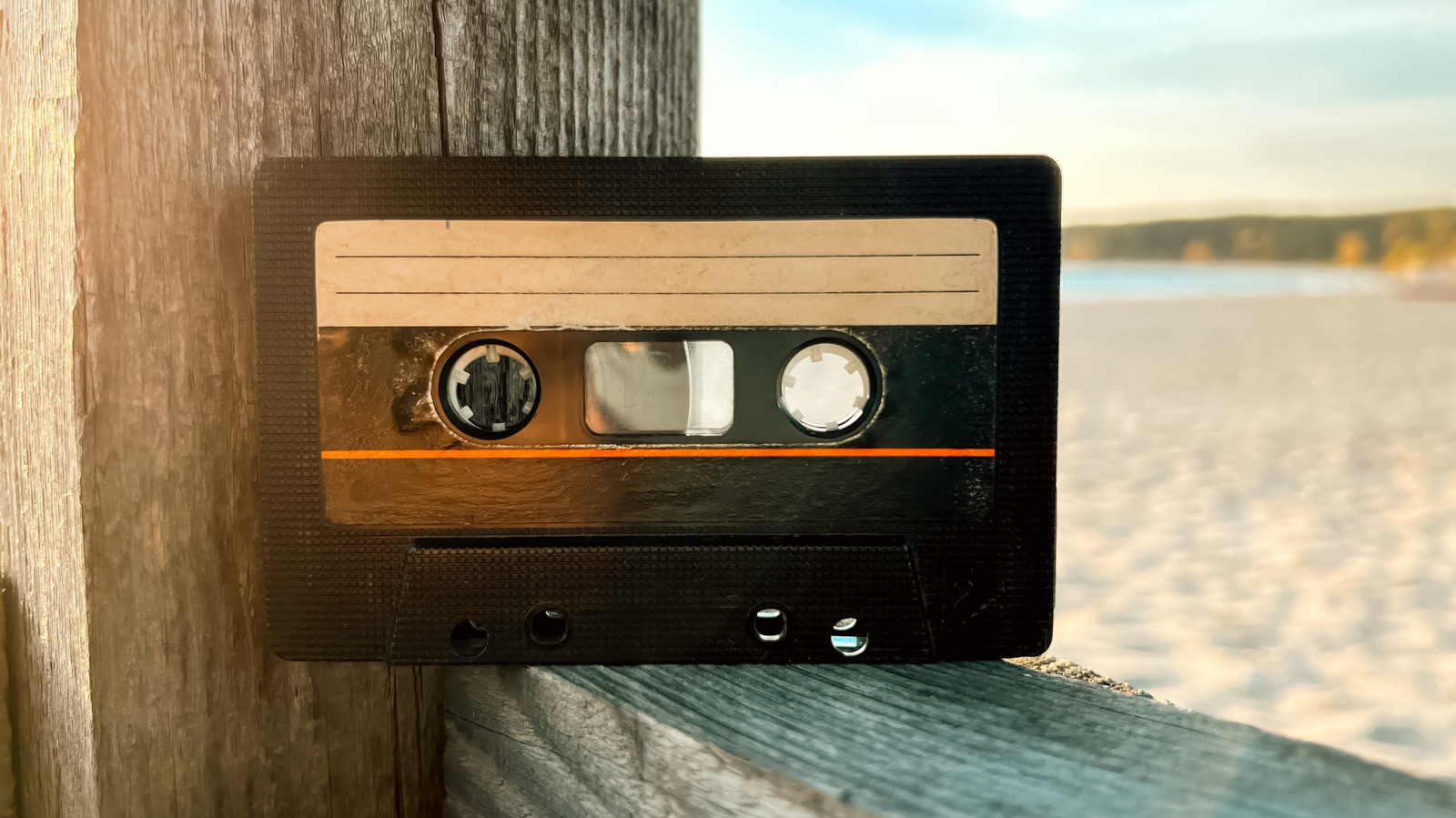
Nevertheless, audio experts frequently recommend digitizing aging cassette collections as a safeguard against permanent degradation. By connecting a functional cassette player to a computer and recording the playback into digital files using software like Audacity, or by utilizing professional third-party digitization services, listeners can successfully preserve precious custom playlists, rare recordings, and family memories. Yet, for those who simply want to experience the tactile joy of physical media, properly stored cassettes from the 1970s and 1980s remain entirely capable of producing music for decades to come.
Proper Storage and Care Is Essential for Longevity
Before evaluating how to protect and maintain a collection, it helps to understand the underlying mechanics of how cassette tapes function. Encased inside a durable plastic shell are two miniature reels connected by a narrow strip of coated magnetic tape. When a user presses play on a deck, the transport mechanism draws the ribbon smoothly across a magnetic head. This head reads the microscopic magnetic patterns imprinted on the tape, translating them into electrical audio signals. Those signals are subsequently routed through an amplifier to strengthen the sound, ultimately delivering music through speakers or headphones.
As long as the tape ribbon, shell, and internal pressure pads remain structurally sound, the cassette will play. Ensuring this longevity, however, demands meticulous environmental control and handling practices.
Environmental temperature plays a massive role in the health of magnetic media. Storing cassettes in spaces subjected to extreme heat, bitter cold, or frequent, volatile temperature fluctuations accelerates the breakdown of the tape binder. Humidity is another major threat, capable of fostering mold growth and encouraging the tape to warp or stick. Additionally, collectors must protect their tapes from prolonged exposure to direct sunlight, ambient moisture, airborne dust, dust mites, physical pests, and stray magnetic fields generated by household electronics.
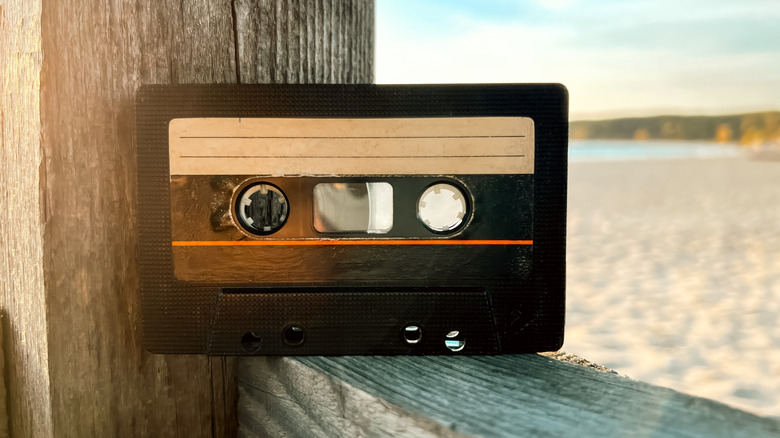
To maximize their lifespan, cassettes should be kept in a cool, dry environment with ambient temperatures maintained strictly between 59 and 73 degrees Fahrenheit, alongside relative humidity levels ranging from 25 to 55 percent. Tapes should always be housed inside their protective plastic cases when not in use. Owners should periodically wipe down the exterior shells to remove accumulated dust, using gentle tools like a cotton swab for hard-to-reach crevices, while also performing routine maintenance and cleaning on the cassette player’s magnetic heads.
Regular playback is equally vital. Along with losing its factory lubrication, the binder coating on unused tape can grow sticky and cause the ribbon to bind or adhere to itself if left sitting dormant for too long.
Furthermore, anyone who lived through the era of VHS rentals remembers the golden rule of physical tape management: be kind, rewind. That physical mantra applies just as strongly to audio cassettes. When a listening session concludes, users should always wind the tape back to the beginning—ideally using the deck’s mechanical rewind function rather than a pencil—to minimize mechanical stress and prevent uneven winding pressure across the spool.
Tap Into That Nostalgia for Decades to Come
When subjected to hostile environmental conditions, the typical lifespan of a cassette tape can plummet from 30 years down to a mere five. Tucking a box of tapes away in an uninsulated attic exposes them to punishing temperature swings, unchecked moisture, and intense, unyielding beams of sunlight filtering through windows. For those who have no alternative to attic storage, utilizing heavy-duty plastic storage tubs rather than porous cardboard boxes offers a modest layer of defense.
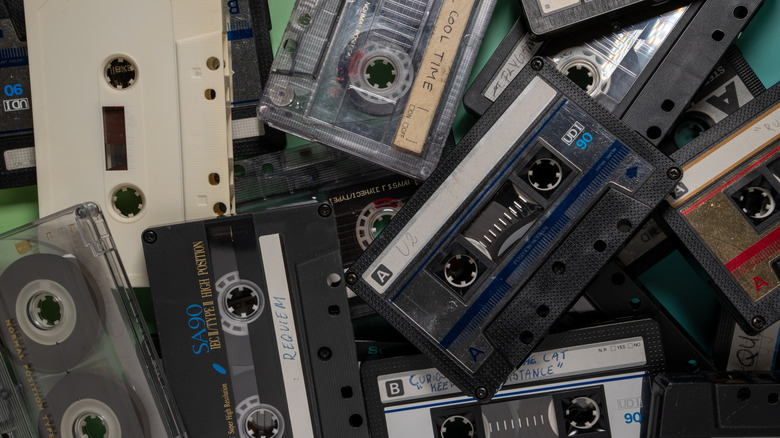
Yet, with optimal storage and attentive care, high-quality cassettes can theoretically endure for up to a century, preserving irreplaceable auditory snapshots to hand down across generations. Whether featuring commercially released albums, late-night radio broadcasts captured on the fly, or handcrafted mixtapes designed for romantic gestures and social gatherings, these objects carry profound sentimental value.
Amid the ongoing commercial resurgence of vinyl records and the rising popularity of vintage consumer electronics among younger generations—such as Gen Z helping fuel a notable comeback for early portable media players like iPods—it seems increasingly likely that cassette tapes and retro portable players are poised for a broader cultural renaissance.
The primary obstacle facing modern enthusiasts looking to revisit their physical music libraries is rarely whether the tapes themselves still function, but rather how to play them. Most households long ago replaced bulky home stereo systems and dual-deck boomboxes with sleek, modern portable Bluetooth speakers. Fortunately, the audio market continues to adapt. Consumers can readily source retro-styled home players that cleverly blend contemporary streaming technology with traditional cassette mechanisms, as well as affordable, Walkman-inspired portable cassette players designed to keep analog music alive and bridge the gap between past and present.