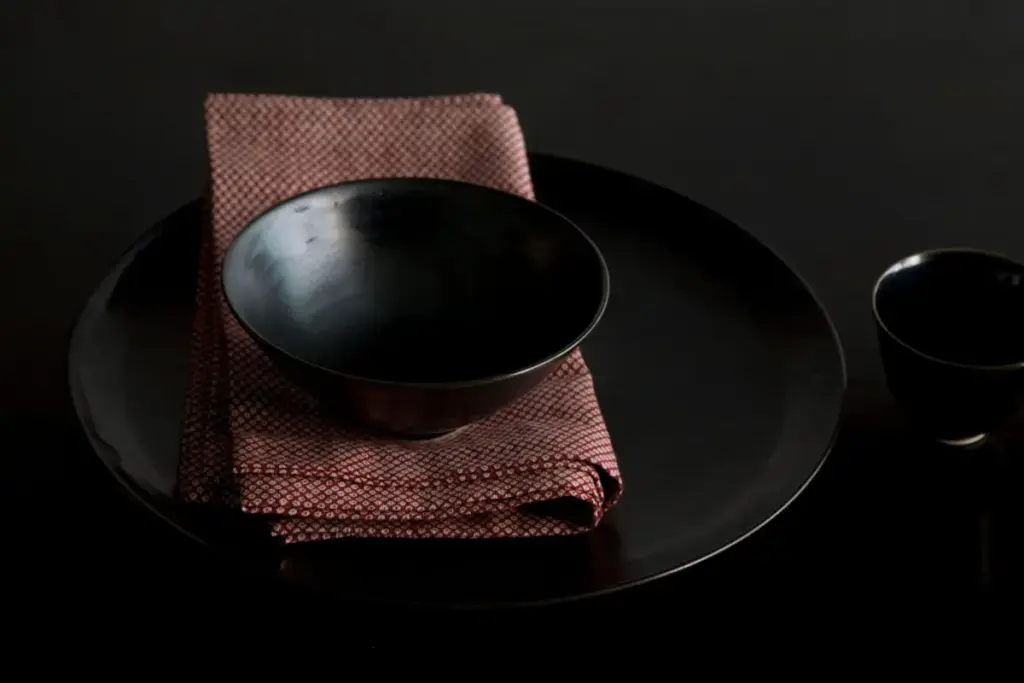
Stoneware dinnerware has long held its position as the ultimate workhorse of the ceramics world. Far from the rigid formality associated with fine porcelain, stoneware is the material of choice for design-minded households that actually use their tableware every single day without needing everything to match. It is less about strict restraint or special occasions—though it certainly holds its own in those settings—and much more about tactile texture and the physical sensation of a piece in your hand. Think of visible throwing marks and uneven, reactive glazes that shift subtly from one piece to the next, offering a masterclass in the Japanese aesthetic of wabi-sabi.
Where porcelain tends to dress a table up for formal dining, stoneware simply makes it look like someone actually lives there, bringing a rich sense of depth and lived-in warmth to the dining room. With a diverse plethora of stoneware makers currently shaping the market, interior enthusiasts and everyday hosts alike are exploring a wide array of options. From decades-old international workshops to a fresh wave of modern potters keeping that handmade, organic feel very much intact, there are numerous standout brands worthy of anchoring a tablescape.
Mervyn Gers Ceramics: The Cape Town Original
Operating out of South Africa, Mervyn Gers has been producing meticulously handcrafted ceramics in Cape Town since 2011. What began as a modest operation has steadily expanded from a handful of founders into a dynamic team of more than 50 skilled artisans. The visual signature of the brand is unapologetically rough and textural, characterized by hand-dipped glazes in deeply saturated tones that guarantee no two items are ever identical.
For those looking to introduce the brand into their dining collection, the small plates—originally sized for salads and appetizers—serve as an accessible and versatile entry point. Meanwhile, the studio’s lidded pots lean into a more sculptural territory, designed to function just as effectively as striking decorative statements for kitchen counter displays as they are for functional storage.
East Fork: The Cult Favorite
Based in the mountains of Asheville, North Carolina, East Fork has earned a passionate, cult-following for its instantly recognizable stoneware dinnerware featuring earthy, speckled glazes and intentionally exposed clay rims. The pottery brand was originally founded in 2009 by Alex Matisse—the great-grandson of renowned painter Henri Matisse—who famously built his very first wood-burning kiln on an old tobacco farm outside the city.
The brand’s five-piece Everyday Dinner Set remains its foundational bread and butter, prized for its durability and understated aesthetic. More recently, East Fork has ventured into artistic, hand-painted designs that expand its creative footprint. Pieces like the Tulip Crown serving platter temporarily trade the brand’s signature monochrome speckled glaze for loose, brushed tulip blooms, with each individual piece stamped directly with the maker’s mark to underscore its artisanal pedigree.
Villeroy & Boch: The Wild Card
While the heritage European manufacturer Villeroy & Boch is historically renowned for its immaculate porcelain, the company’s Lave collection demonstrates a surprisingly loose, contemporary approach to stoneware. The line embraces irregular, organic shapes and reactive glazes that vary unpredictable from piece to piece, resulting in a distinctly rugged, handmade feel that contrasts sharply with the brand’s traditional output.
This unexpected direction highlights the impressive manufacturing range of the Germany-based company. Among the standout offerings in this collection is an earthy, tactile covered butter dish that bridges the gap between commercial reliability and artisanal character.
Lolly Lolly Ceramics: The Cool Girl’s Ceramic
Founded in 2017 by visionary ceramicist Lalese Stamps, Lolly Lolly Ceramics initially captured a massive digital audience by undertaking a viral challenge to design 100 different mugs featuring 100 distinct handles. Since those early days of viral acclaim, the studio has successfully scaled its operations into full-scale dinner collections without ever sacrificing its playful, avant-garde edge.
The Dew Drop collection, created in collaboration with home retailer Lulu and Georgia, draws direct inspiration from the fluid, organic shapes of puddles left behind after a rainstorm. The resulting cascading forms are specifically engineered for stacking and layering dynamically on the table. Shoppers can adopt the look through smaller quantities, such as a four-piece cereal bowl set, or commit entirely with a comprehensive 12-piece dinnerware set.
Year & Day: The One for Weeknight Dinners
Year & Day manufactures its contemporary ceramics in Portugal, drawing deeply on the Iberian region’s centuries-old legacy of master ceramic craftsmanship. The overall aesthetic is remarkably pared-back, relying on smooth, semi-matte glazes in muted, calming colorways that feel intentionally subtle rather than loud or trend-driven, though recent additions like their splatter collections have injected a bit of playful variance into the lineup.
Practicality dictates much of the design language here. The tapered, sculptural pitcher looks just as appropriate displayed decoratively on a living room mantle as it does actively pouring water at a casual dinner party, while curated groupings like The Server Set bundle a generous serving platter with matching bowls to help get weeknight meals onto the table with minimal fuss.
CB2: The Budget Option
Investing in quality, handmade stoneware does not automatically require emptying one’s savings account. Major contemporary home retailers have successfully bridged the gap between accessible pricing and artisanal aesthetics. The Selene line from CB2, conceived by French industrial designer Aurélien Barbry and handcrafted by skilled artisans in Portugal, pairs soft, organic curves with tonal glazes that give each individual component a unique, varied appearance.
A standard four-piece tan stoneware set easily covers the everyday culinary essentials—incorporating a dinner plate, a salad plate, a pasta bowl, and a matching mug—while coordinating serving platters and large serving bowls round out the collection for hosting larger, family-style spreads.
Fable: The Full Set
Fable focuses heavily on sustainable production, with its ceramics hand-finished by dedicated artisans operating inside a zero-waste facility situated in Portugal’s Tagus Valley. Utilizing a thoughtful blend of locally sourced and recycled clay, the studio ensures that each item carries subtle, organic variations in shape and finish.
For those looking to overhaul their kitchen cupboards in a single step, the 16-piece dinnerware set provides a complete foundation with four matching sets of dinner plates, salad plates, pasta bowls, and breakfast bowls. Beyond the traditional place settings, specialized offerings like the brand’s ramen set pair deep, wide bowls with hand-painted bamboo chopsticks, proving versatile enough for everything from Asian noodle dishes and grain bowls to hearty stews and vibrant salads.
Noble: The Chef’s Choice
For decades, Noble has quietly supplied custom ceramics to some of New York City’s most celebrated restaurants, with its handmade dinnerware gracing the tables of acclaimed culinary destinations like Contra and Momofuku. Handcrafted locally in Brooklyn, every single piece is formed by hand and finished using the studio’s proprietary glazes.
This meticulous process imparts a satisfying, substantial weight to the stoneware alongside the minute variations that immediately distinguish it from mass-produced, factory-made dinnerware. Statement items like the elongated Grand Fish Platter are specifically engineered for family-style dining experiences, offering an ideal stage for whole roasted fish, seasonal vegetables, or any culinary creation worthy of taking center stage on the dining table.