



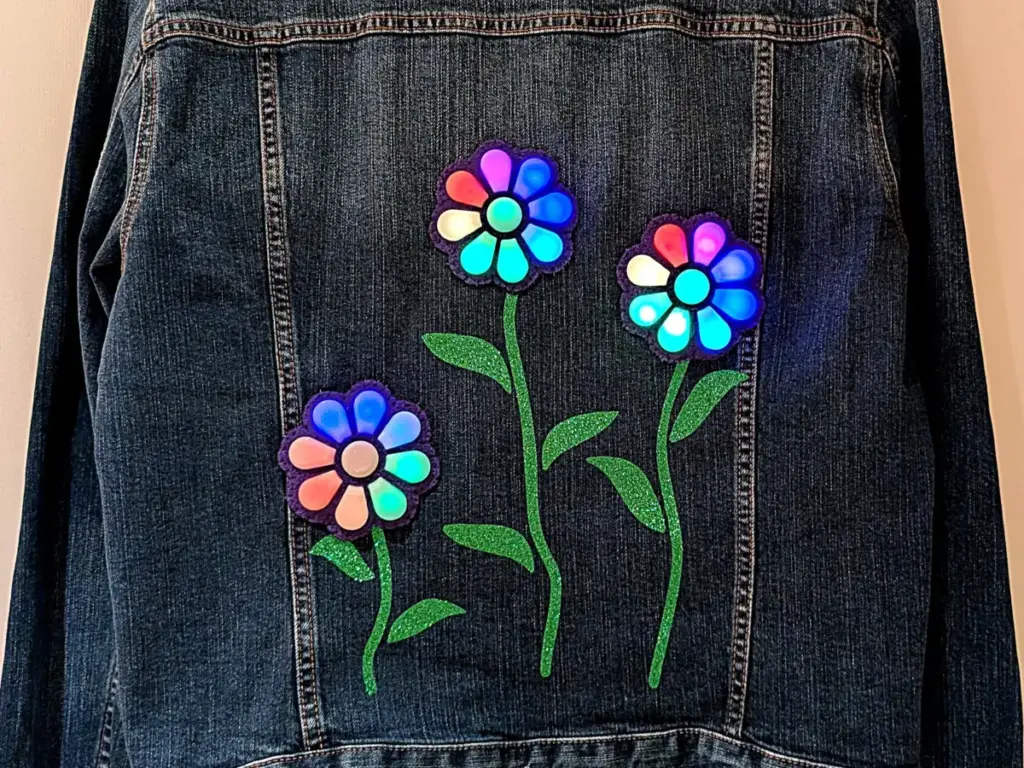
The intersection of fashion and technology continues to evolve, moving far beyond the blinking novelty apparel of the past into sophisticated, wearable art. In a recent project featured in Make: Magazine, maker and educator Debra Ansell demonstrates how modern fabrication techniques, 3D printing, and smart lighting can transform a standard piece of thrift-store apparel into an interactive masterpiece. Known for her dedication to proving that illumination enhances any project, Ansell’s "BedazzLED" Jean Jacket project bridges the gap between utilitarian streetwear and programmable, illuminated design.

The foundation of the project relies on resourcefulness and durability. Ansell recommends sourcing a pre-owned denim jacket from a local thrift shop, noting that denim’s inherent longevity makes it an ideal, sustainable canvas for modification. Beyond being budget-friendly, the resale market offers a wide variety of styles and conditions, provided the garment features enough clear space on the back panel to accommodate a multi-flower installation.
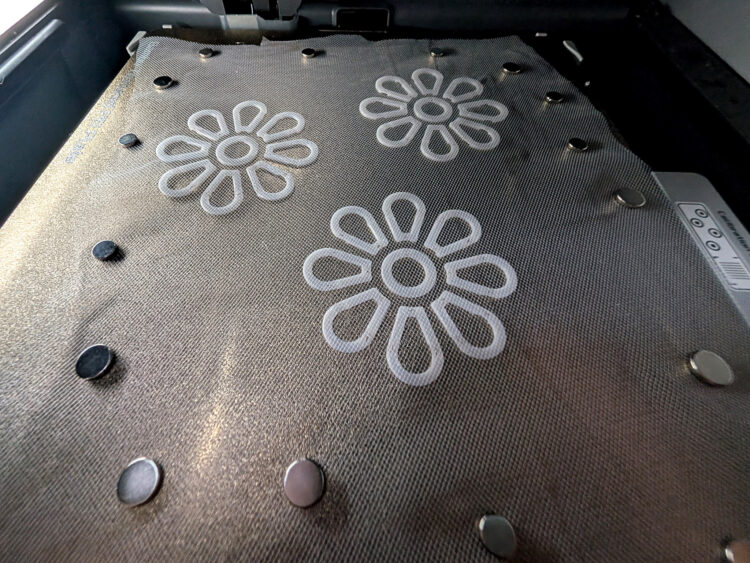
The aesthetic and functional core of the jacket centers around custom 3D-printed floral arrangements designed to diffuse light evenly. Ansell specifies the use of translucent white PETG filament—specifically California Filament’s Cloudy White, which is engineered for lithophanes and excels at light diffusion. While standard PLA filament can be used, PETG provides superior durability for a garment that will experience regular wear and washing.
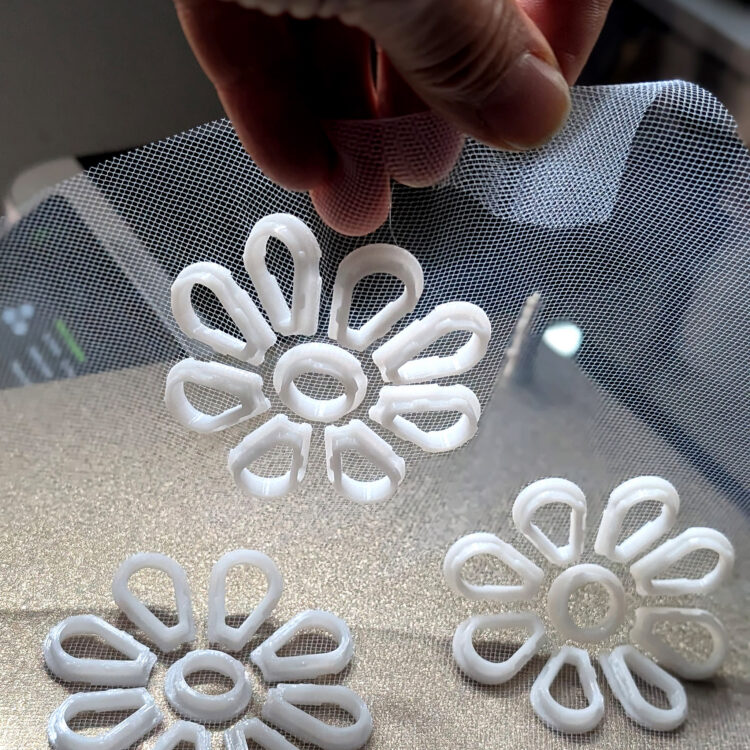
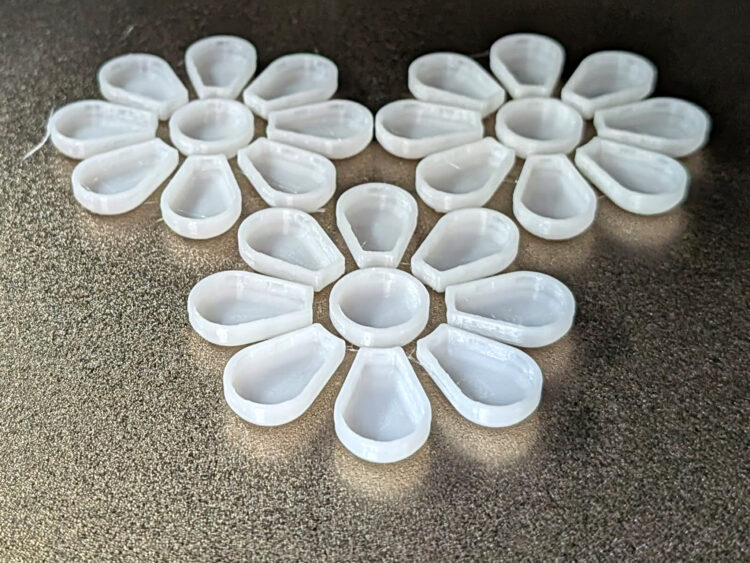
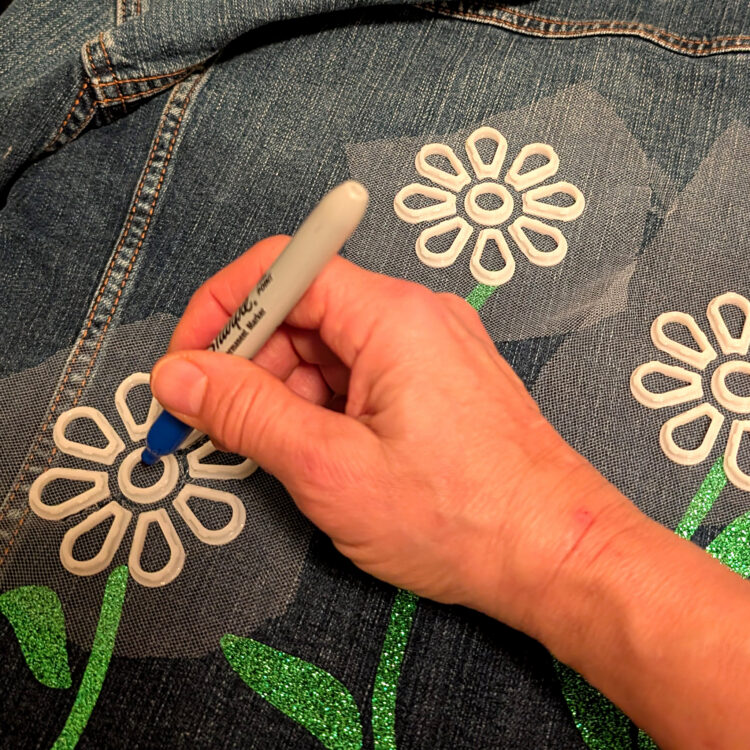
To achieve a flexible yet structurally sound floral base, the printing process incorporates a clever embedded-fabric technique. After starting the print of the flower base layers using a fine layer height, the machine is paused to allow a piece of fine mesh tulle to be laid over the print bed. Small neodymium magnets and Kapton tape are used to hold the fabric taut without risking a collision with the print nozzle. When the print resumes, the molten PETG bonds directly through the porous mesh fabric, securing the material to each individual petal and center disc. Once removed from the build plate, the assembly maintains its configured shape while retaining the flexibility required for wearable garments. Separate cover pieces are printed facedown to ensure a smooth, polished top surface before being snapped into place over the base assemblies.
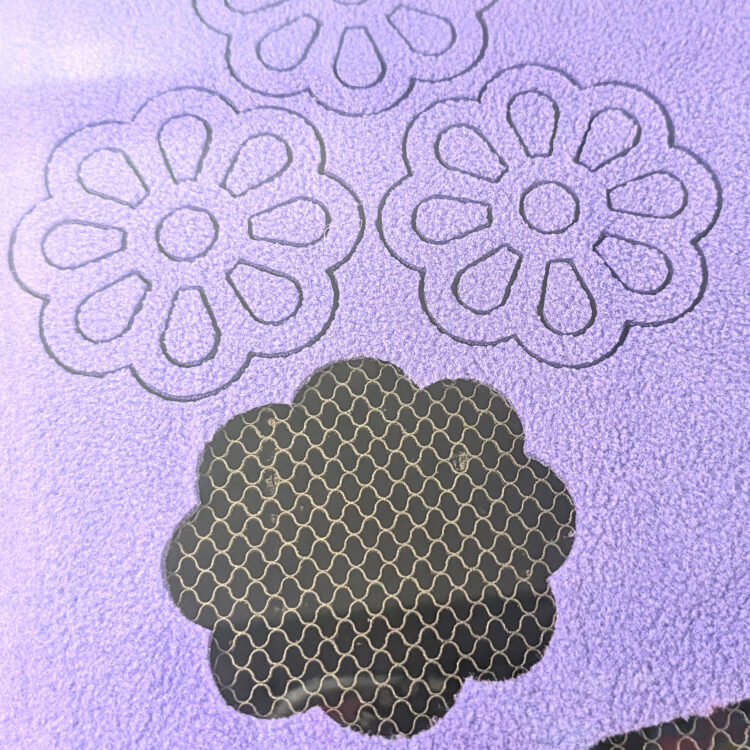
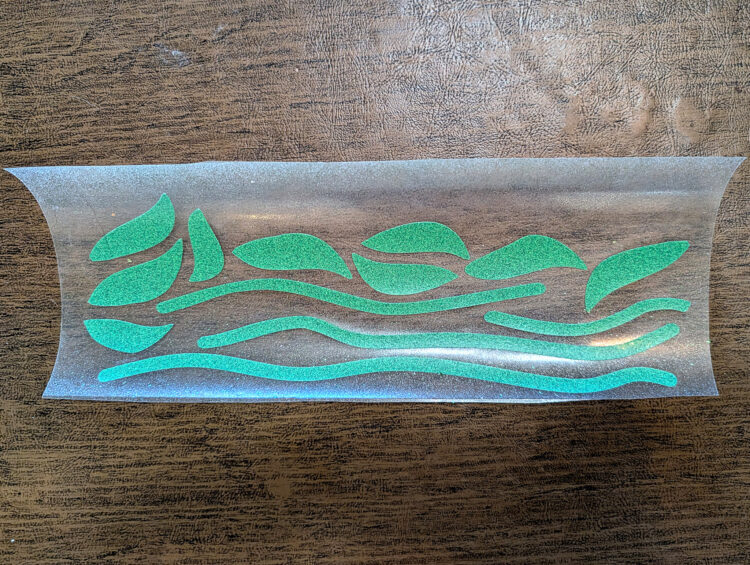
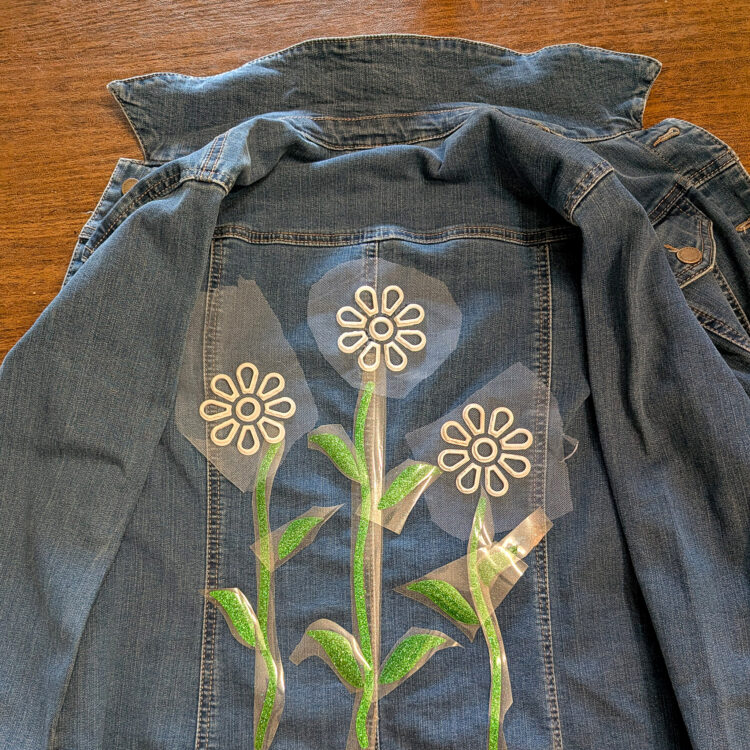
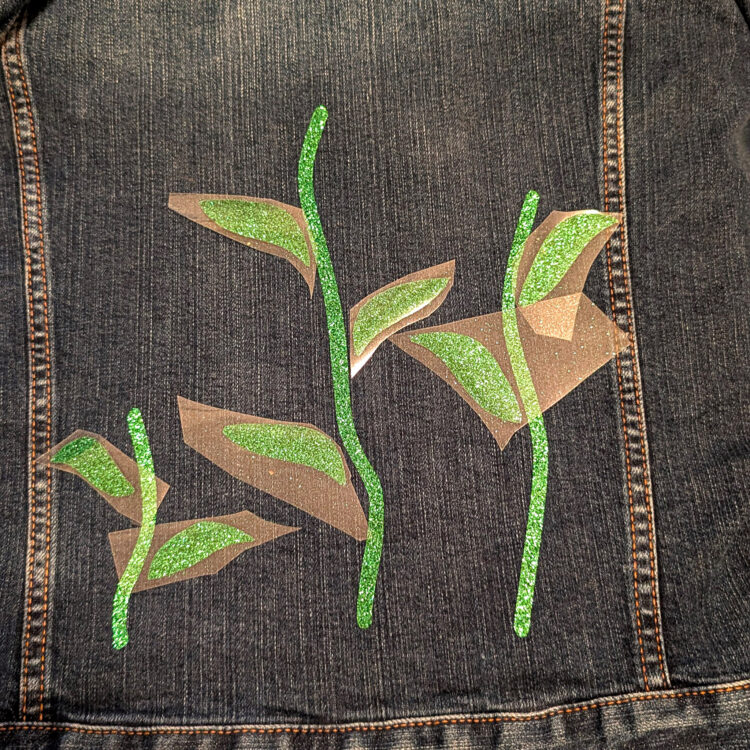
To create a softer visual transition between the rigid plastic flowers and the rugged texture of the denim, Ansell incorporates a non-fraying border fabric such as fleece or PVC-free faux leather. These border elements not only add tactile appeal and frame the flowers attractively, but they also serve the practical purpose of concealing the internal wiring. Using vector files tailored for laser cutters or steady-hand scissor cutting, these borders are prepared alongside heat-transfer vinyl (HTV) stems and leaves. The vinyl elements are ironed directly onto the exterior back panel of the jacket, establishing a botanical scene before the electrical components are integrated.
Wiring the jacket requires careful planning to ensure the electronics remain hidden while maintaining seamless data flow across the display. Ansell details the use of silicone-coated three-wire cable and segmented pebble light strands. By measuring the distances between the flower centers on the jacket, custom lengths of wire are soldered together with a three-pin female JST SM connector and three nine-pixel LED segments. Testing the electrical arrangement with a powered LED controller prior to final assembly ensures proper data transmission and color consistency across all 27 individual LEDs.
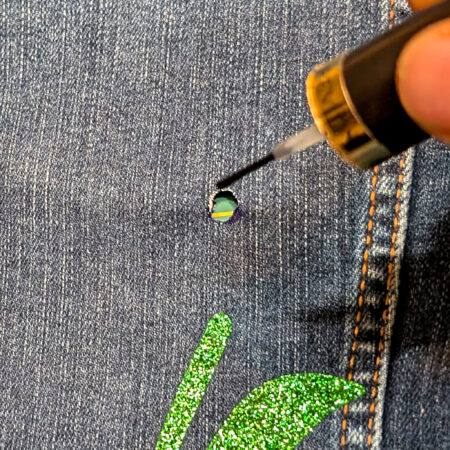
Small, carefully measured holes are cut into the back of the jacket behind each flower position to allow the wiring to pass cleanly between the garment’s exterior and interior. To prevent the denim from fraying over time, the edges of these holes are treated with clear nail polish or craft glue. The LED segments are then meticulously attached to the mesh backing of the 3D-printed flowers using adhesive dots, folding the string back on itself to absorb slack and position individual lights within the petals and central discs.
With the electronics securely anchored to the exterior floral assemblies, the flowers are hand-sewn to the back of the jacket using coordinating thread and traditional appliqué techniques, such as running stitches or blanket stitches, taking strict care to avoid piercing any internal wires. On the interior side of the jacket, loose silicone-coated wires are neatly tacked down against the fabric using iron-on fusible interfacing. This step effectively conceals the wiring network while protecting it from everyday wear and tear.
Power and control are managed via an intelligent LED controller, such as the QuinLED or Athom WLED models, paired with a portable USB-C power bank. Tucked discreetly into an interior jacket pocket, the controller runs WLED software, granting the wearer access to a vast library of pre-installed, customizable lighting animations, color palettes, and adjustable pattern speeds.
Despite its high-tech capabilities, the BedazzLED Jean Jacket remains remarkably practical. When powered down, the garment maintains the classic appearance of custom streetwear suitable for everyday errands or public transit. With a single button press, however, it transforms into an eye-catching, dynamic light display. Furthermore, because the integrated pebble light strings are waterproof, the jacket retains a degree of maintainability, allowing for gentle hand washing in cold water once the power bank and controller are detached.
Reflecting on the broader potential of the technique, Ansell notes that the process of embedding 3D-printed elements onto fabric can easily be adapted for other accessories, ranging from baseball caps featuring a single illuminated blossom to elaborate garden designs spanning tote bags and custom apparel collections. Showcased in Volume 97 of Make: Magazine, the project highlights the ongoing democratization of wearable technology, proving that makers with a passion for CAD design and textiles can successfully fuse fashion and circuitry to stand out in any crowd.