


The stock market continues to surprise observers, pushing past record valuations and leaving investors to wonder whether an unprecedented crash is looming. Much of the current anxiety is tied directly to the frenzied boom in Artificial Intelligence. For those happily detached from the daily financial drama, the advice remains simple: keep enjoying life. However, for investors watching their portfolios hit all-time highs, the narrative is often dominated by fear that the AI boom mirrors the dot-com bubble of the early 2000s on a much larger scale.

That historical parallel resonates with veterans of the early internet era. The dot-com boom helped launch early careers and paved the way for early retirements, even if the subsequent crash nearly derailed personal stability and administrative milestones like citizenship applications. As questions mount regarding the current investment cycle, financial commentators are once again fielding inquiries about market longevity, addressing these concerns through public speaking engagements at financial independence gatherings such as Camp FI Midwest and upcoming conferences hosted by the Bogleheads.

Will the AI Bubble Ruin Our Retirement?
Achieving long-term retirement brings a certain comfort, yet retirees frequently encounter anxious questions from peers asking how anyone can sleep at night given the state of the world. A casual glance at contemporary headlines reveals no shortage of alarming narratives: volatile geopolitical figures menacing the global stage, persistent inflation eroding purchasing power, towering national debt figures, and ongoing conflicts in the Middle East and Eastern Europe threatening broader escalation.

Yet, anxiety over current events is hardly a modern phenomenon. Reflecting on concerns from two decades ago reveals a strikingly similar pattern. In 2006, the worries centered on different leaders, an active war in Iraq, national debt, inflation, and an overvalued housing market rather than an AI bubble. Back then, job security anxieties focused on outsourcing to India and China rather than automation, while a fierce public debate raged over "peak oil" and the impending depletion of fossil fuel reserves—an outcome that ultimately reversed as energy extraction evolved.

Despite the heavy cloud of anxiety in 2006, the subsequent reality defied the gloom. Even the Great Financial Crisis—triggered by irrational exuberance over rising home prices combined with complex financial leverage—produced the largest market crash since the Great Depression. Yet, viewed through a multi-decade lens, that historic crash appears as a temporary dip. A $100,000 investment made during that era would have grown substantially over the next twenty years, absorbing subsequent shocks like the 2020 pandemic crash along the way.

Simultaneously, global living standards improved dramatically over the same twenty-year span. The share of the global population living in extreme poverty dropped from 20 percent to single digits, while infant mortality rates were cut in half. Clean energy expanded exponentially as solar panel costs plummeted, making solar generation the dominant source of new power capacity globally. Electric vehicle adoption surged from negligible levels to claim a significant share of worldwide auto sales, demonstrating that broader human progress frequently marches forward despite financial turbulence.

Prosperity Comes from Productivity
Financial media thrives on cultivating fear, yet perpetually missing from these alarming scenarios is a fundamental economic truth: true prosperity does not originate from the financial system or the stock market, which ultimately function as abstract figures tracked on computer servers. Genuine prosperity stems directly from productivity.

The underlying mechanics of capitalism are inherently choppy, characterized by wild cyclical swings. Beneath those surface waves, however, real people perform tangible work and develop genuine innovations. Economic systems and financial markets are human inventions; if a system experiences a severe correction due to shifting valuations, societies have repeatedly demonstrated the capacity to reset financial metrics and resume productive activity.

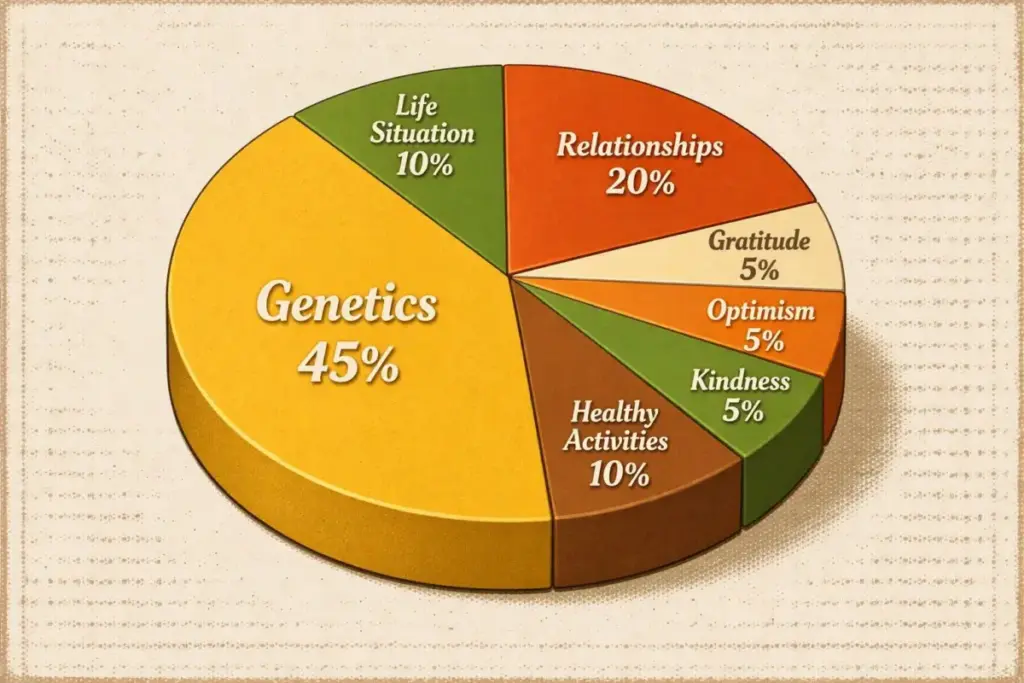
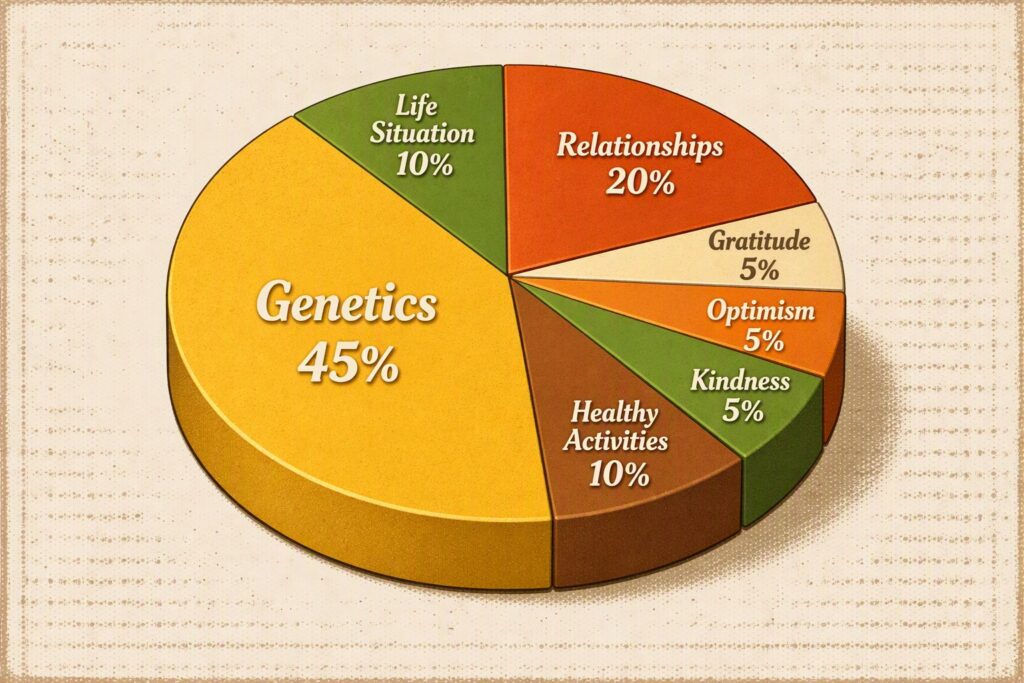
Standard of living, economic growth, and the feasibility of early retirement are all driven by high productivity. Once societies achieve a certain baseline standard of living, human happiness tends to plateau along that specific dimension, shifting focus toward interpersonal relationships, personal philosophy, community engagement, and health. Wealth merely forms one component of a broader life situation.
Understanding and Combating Fear
The persistence of financial anxiety often stems less from objective economic threats and more from human psychology. As a species, humans evolved as sophisticated danger-detection mechanisms. This background anxiety served an evolutionary purpose by protecting early humans from predators and disease, but modern environments lack those immediate physical threats, causing the brain to continually pivot toward new targets of worry.

Once physical survival and food security are established, anxiety shifts toward social standing, economic scarcity, tax optimization, or regulatory compliance. However, individuals can actively counter this pattern through self-awareness and rational thought. Examining personal history—such as growing up in households shaped by the economic scarcity of the Great Depression or dealing with past trauma—can clarify why certain fears persist in adulthood, separating historical conditioning from present realities.
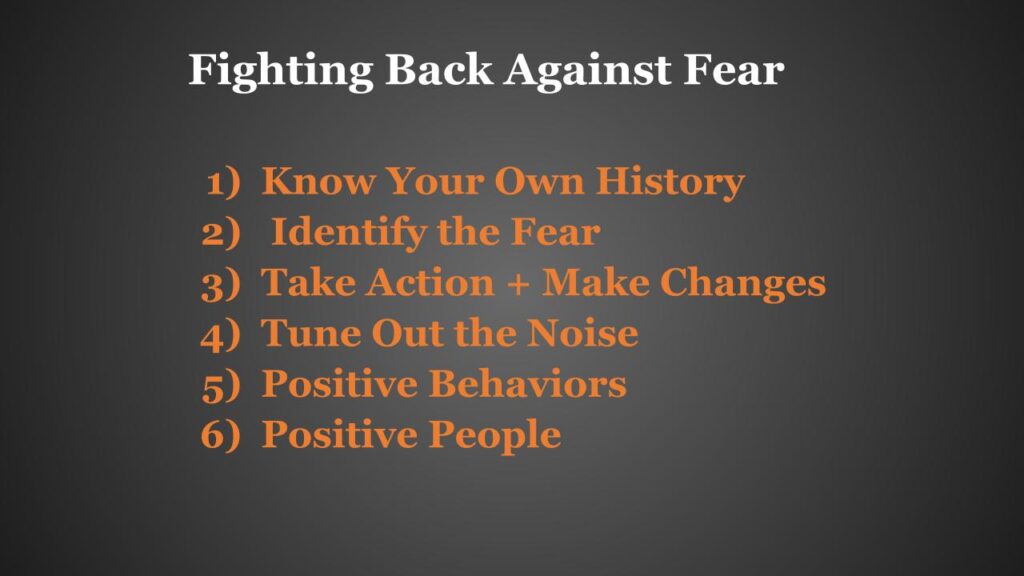
Confronting fear directly by examining worst-case scenarios often reveals that perceived catastrophes are manageable. Taking deliberate action transforms the unfamiliar into the familiar, fostering resilience and adaptability. Minimizing exposure to relentless daily news cycles, which systematically curate frightening stories, allows individuals to refocus their energy on positive behaviors, physical health, and productive problem-solving in natural environments. Surrounding oneself with optimistic, forward-thinking peers further reinforces a constructive mindset.

AI and the Experiment of Modern Technology
Treating major life transitions, career shifts, and technological disruptions as experiments rather than existential threats reframes uncertainty as an opportunity for engagement rather than a source of dread. Viewed through this lens, the current artificial intelligence era represents another major technological experiment rather than an apocalyptic threat.

Rather than succumbing to doom-scrolling, understanding the underlying drivers of AI reveals its potential as a sophisticated cognitive tool designed to boost efficiency and productivity. Much like previous technological revolutions—including the internet and mobile smartphones—AI will inevitably displace certain administrative and operational roles while simultaneously reducing service costs and catalyzing entirely new industries.
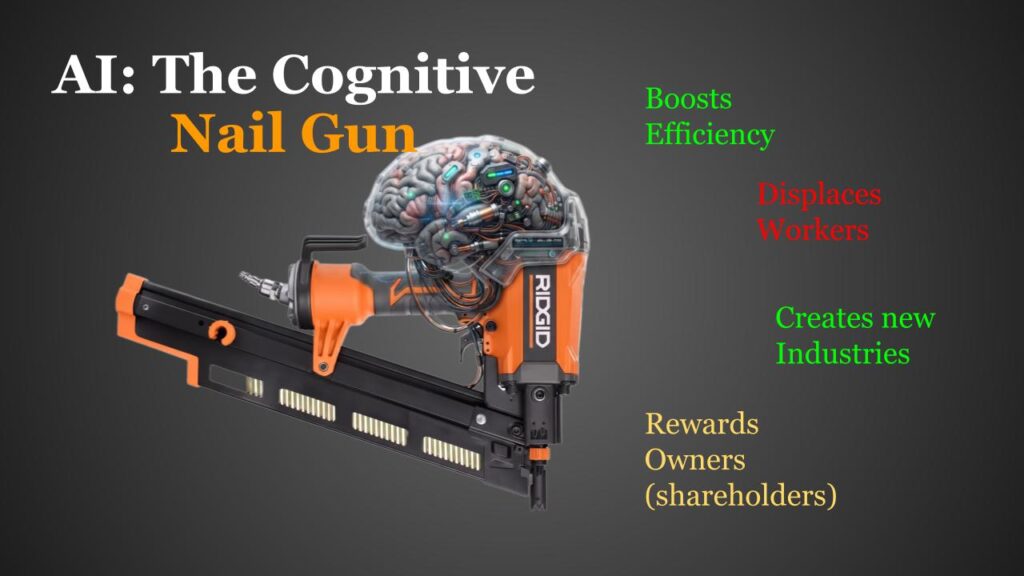
At the same time, the economic rewards of new productivity tools tend to concentrate among capital owners and shareholders. For public companies and diversified investors, these efficiency gains frequently translate into portfolio growth. Ultimately, artificial intelligence functions like any other technological shift: it presents an opportunity for individuals to choose between reactionary fear or proactive learning, adaptation, and personal growth.