


There is a profound paradox at the heart of exceptional photography: what you choose to conceal from your audience is often far more powerful, provocative, and enduring than what you explicitly reveal. In an era dominated by oversharing, instant visual gratification, and the hyper-accessible documentation of everyday life, mystery has quietly transformed into the photographer’s ultimate secret weapon. The unseen, the suggested, and the ambiguous possess a unique ability to elevate a literal, documentary-style photograph into an expressive piece of art that continues to haunt the viewer long after they have looked away.
Renowned professional photographer Richard Bernabe explores this timeless concept deeply in his feature essay, "The Magic of Mystery," published in the latest print edition of Photography Destinations Magazine by Muench Workshops. Through a stunning collection of wildlife and landscape imagery captured across the globe, Bernabe illustrates how withholding information from the frame taps directly into the psychological wiring of the human mind, sparking curiosity and emotional resonance.
The Psychology of Incomplete Patterns
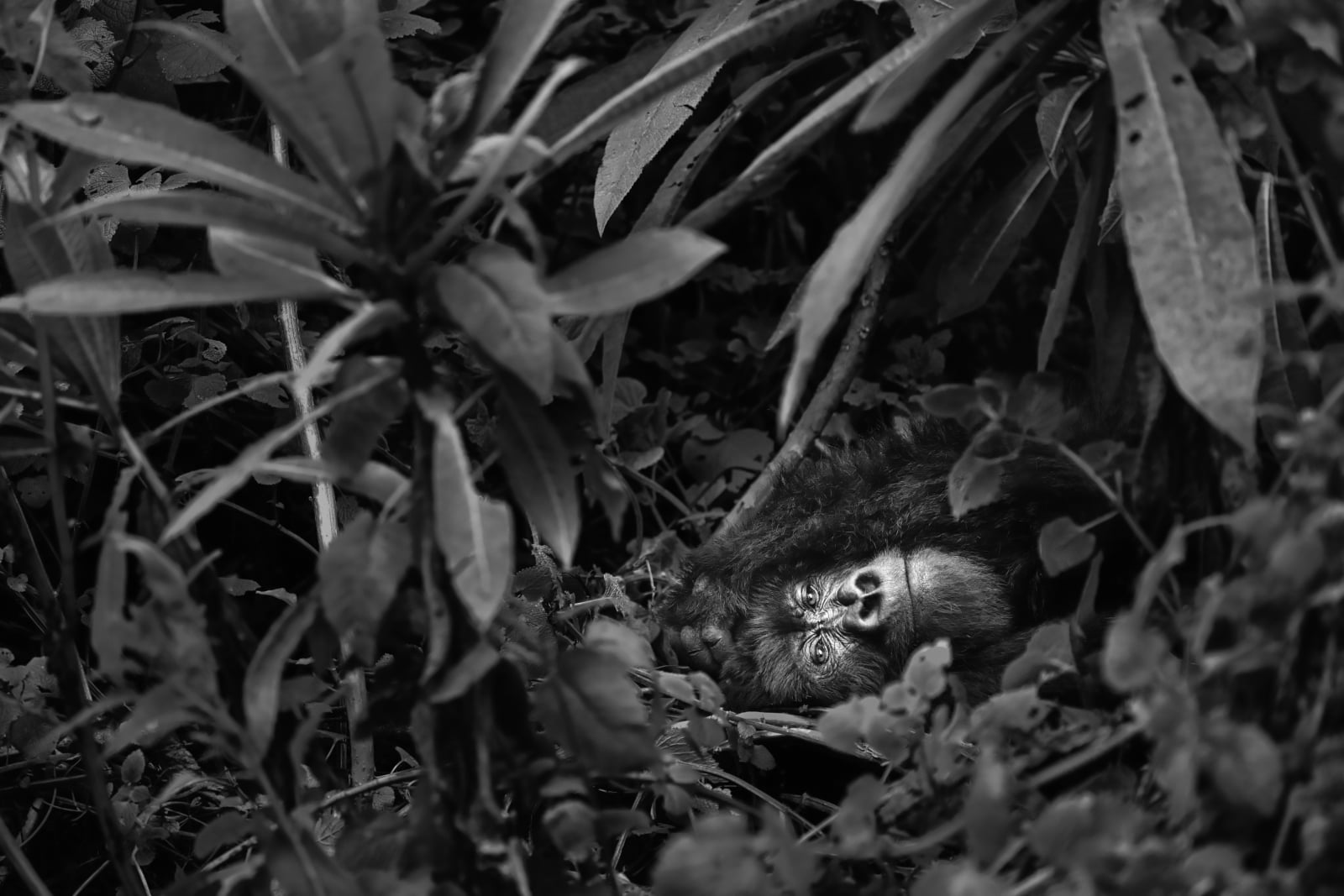
Human beings are naturally hardwired to seek closure, constantly striving to complete incomplete patterns in the world around them. When a viewer encounters a photograph infused with mystery—such as an animal’s face partially obscured by dense foliage, a winding trail vanishing abruptly around a dark corner, or a heavy mist swallowing a distant horizon—instinct takes over. The viewer leans in closer. They linger. They actively construct visual narratives in their minds to fill in the missing pieces.
This cognitive tension is precisely what grants mysterious images their extraordinary impact. Conversely, an image that explains every single detail might provide immediate gratification and satisfy our basic need to know, but it is also prone to being forgotten just as quickly as it was understood. Mystery invites questions that stir curiosity and foster deep emotional engagement, turning the act of viewing into a participatory experience.

Photography did not invent the strategic use of mystery; rather, it inherited it from centuries of artistic wisdom across various disciplines. Literature has long understood that the greatest stories leave vital elements unsaid. Ernest Hemingway famously championed the iceberg theory, holding that the deeper meaning of a narrative should remain unwritten, lurking just beneath the surface. Similarly, the enigmatic smile of the Mona Lisa has captivated art enthusiasts for five centuries precisely because it resists definitive interpretation. Is she happy, amused, or keeping a dark secret? The answer shifts depending on the viewer’s own mood and stage in life. Even in cinema, classic suspense relies heavily on withholding the subject; the mechanical shark in Steven Spielberg’s Jaws remains terrifying largely because the audience sees it so rarely throughout the film.
Music similarly relies on space, silence, and unresolved chords to create emotional resonance that full musical resolution can never quite achieve. Metaphorical and ambiguous lyrics, such as the famous line from Pink Floyd, "I’ll see you on the dark side of the moon," offer evocative poetic imagery rather than literal descriptions, inviting listeners to interpret the meaning through their own personal lens.
Less Can Be More
Hiding or withholding parts of a subject in a photograph triggers a primal psychological impulse: our innate need to resolve the unknown. This creates a productive psychological tension that maintains viewer engagement long after a fully revealed subject would have been dismissed. Elements withheld from the frame gain immense emotional power because the human brain inherently assigns greater weight to the unknown than to the known.
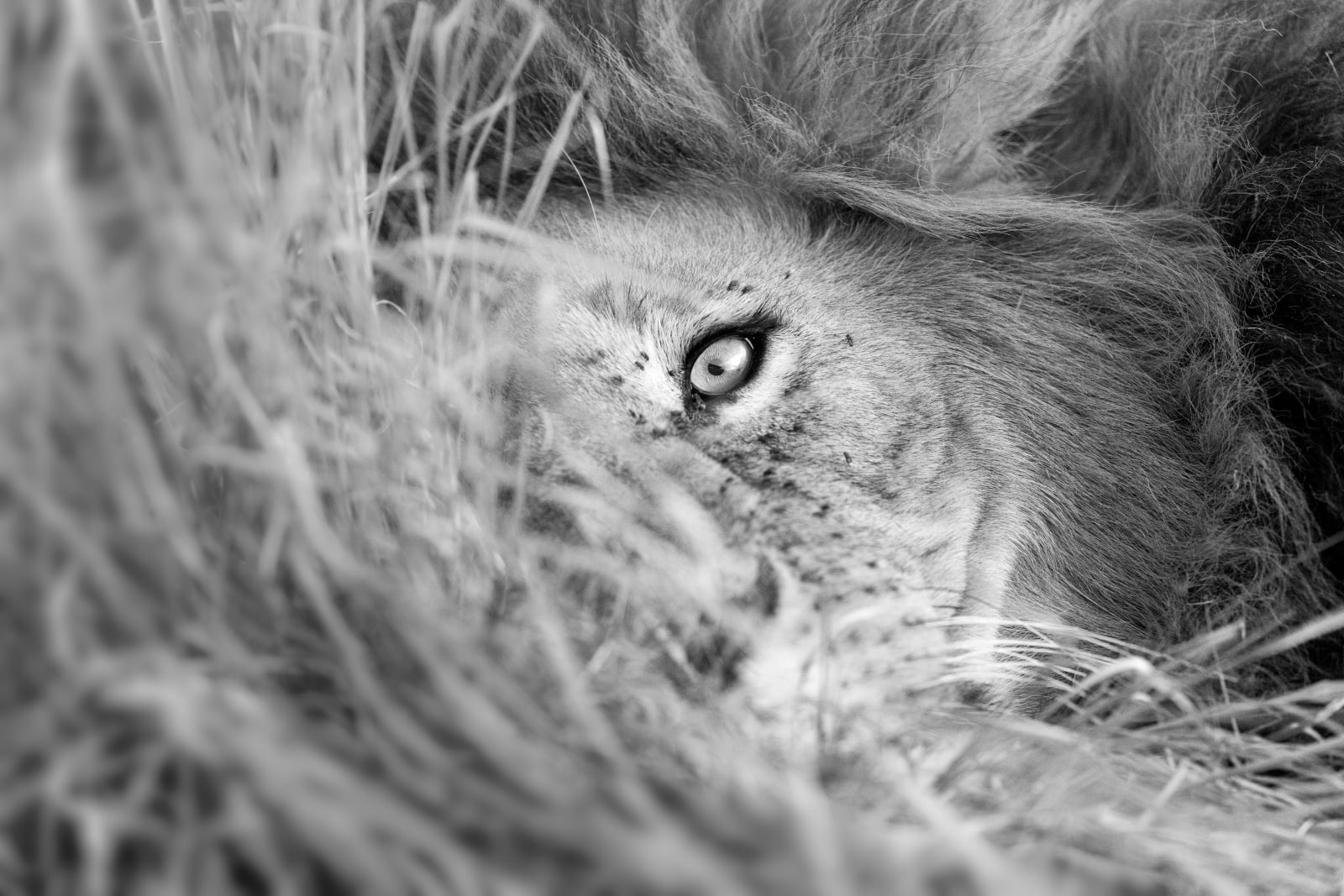
For instance, a male lion partially concealed by tall, dry grass in Kenya’s Maasai Mara feels far more chilling and intense than a fully exposed lion standing cleanly in the open. The hidden elements become charged with potential, creating a psychological space where the viewer’s imagination, fears, and desires can project themselves freely.
The Power of Suggestion
Utilizing suggestion can initially seem counterintuitive to photographers, as it defies the instinct to show everything clearly. However, human emotion is activated far more powerfully through implication than through explicit display. When a photograph merely suggests a subject, the viewer draws heavily upon their own emotional reservoir to complete the picture.
Consider an image depicting fresh brown bear tracks etched into a rippled sandbar in Alaska’s Lake Clark National Park. The photograph successfully suggests the powerful presence of a bear without ever actually showing the animal. This subtle implication opens up avenues of inquiry, tension, and imagination. While a conventional wildlife portrait of the bear might resolve all immediate questions, the phantom bear that exists in the viewer’s imagination allows the sense of mystery to endure indefinitely.

Ambiguity and Collaborative Interpretation
Ambiguity serves as mystery’s closest cousin, yet it operates through a slightly different mechanism. While mystery primarily withholds information, ambiguity presents information that can be interpreted in multiple ways simultaneously.
A photograph of a leopard resting high on a thick tree branch in Zambia’s South Luangwa National Park, its gaze locked intently just beyond the frame, can evoke vastly different interpretations. Is the leopard’s expression one of supreme confidence and superiority, or is it masking fear and aggression in the face of a hidden threat? Is there potential prey on the horizon, or the encroaching presence of a territorial rival?

Because viewers supply the missing answers themselves, they are transformed from passive observers into active participants in the creative process. They invest their own personal experiences, fears, and desires into the interpretation, forging a powerful collaboration between photographer and audience that grants ambiguous images remarkable staying power.
Conceptual Tools of Mystery
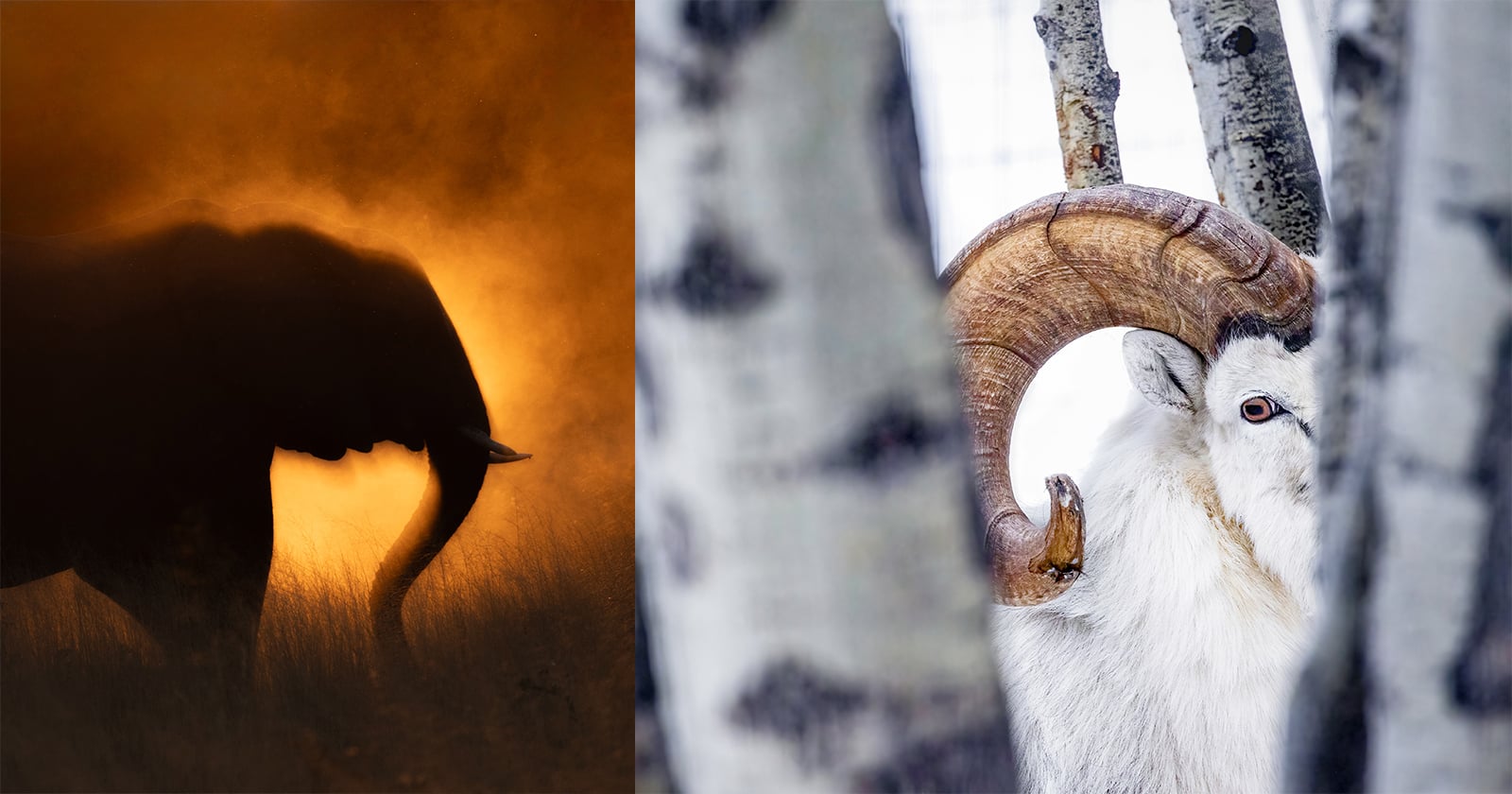
Creating mystery within photographic compositions relies on employing conceptual tools that many visual artists already possess. Strategic use of shadows is foundational, as mystery frequently resides within the darkness rather than the illuminated highlights. Negative space carries just as much emotional and visual weight as the primary subject, while a shallow depth of field can intentionally render a background into an impressionistic blur, suggesting context without explicitly defining it.
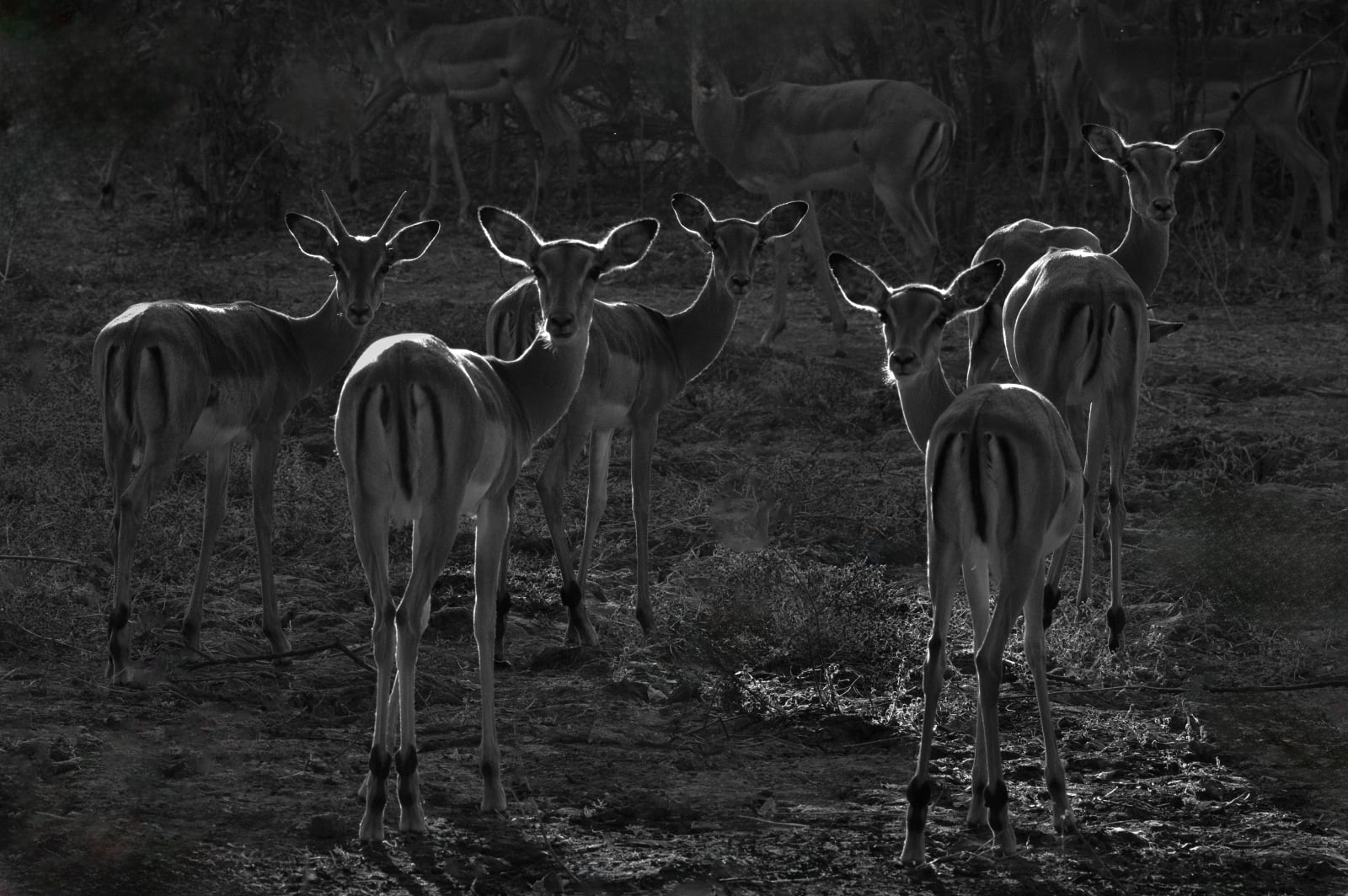
Long-exposure techniques can transform moving figures and natural elements into ghostly apparitions, bridging the gap between the real and the imagined. Partial framing allows significant portions of a scene’s meaning to exist outside the boundaries of the frame, evoking deep intrigue. Meanwhile, backlighting casts subjects into partial or complete silhouettes, preserving fundamental shapes and forms while veiling intricate details. Environmental conditions such as fog, heavy rain, and reflections similarly act as natural veils, rewarding sustained attention from the viewer.
The classic concept of the "decisive moment," famously championed by Henri Cartier-Bresson, often succeeds precisely because it prompts more questions than it answers. By capturing the fleeting pause pregnant with unknown possibilities—what happened just before the shutter clicked, and what will happen immediately after—the photograph captures the tension of the unknown.

Mystery Versus Confusion
It is vital to distinguish true mystery from mere confusion, as the two elicit entirely opposite reactions. Confusion repels the viewer through chaos and disorder, creating impenetrable barriers. Mystery, on the other hand, is orderly and inviting; it provides just enough information to spark intense curiosity while withholding enough to engage the imagination. A genuinely mysterious photograph successfully guides the eye and suggests multiple plausible meanings without ever dictating a single, rigid interpretation.
Mystery as Artistic Defiance in the Digital Age
The necessity of preserving mystery has grown increasingly urgent in the contemporary landscape of artificial intelligence-generated imagery. AI systems excel at producing technically flawless, fully rendered images optimized for immediate recognition and complete comprehension. Yet, these synthetic creations consistently lack the deliberate human intentionality and consciousness required to craft genuine mystery. True mystery serves as a signature of human perspective, demonstrating conscious choices regarding what to reveal, what to conceal, and what is best left to the imagination.

Ultimately, embracing mystery in photography means acknowledging the inherent limits of what visual art—and human life itself—can fully explain. Nature, humanity, and the world around us refuse to be completely known or exhaustively documented. Meaningful photography embraces that fundamental unknowability, honoring the profound truth of human experience. While mystery does not guarantee a successful image, it remains one of the most potent tools available to artists, ensuring that great photographs continue to draw viewers back time and time again.