




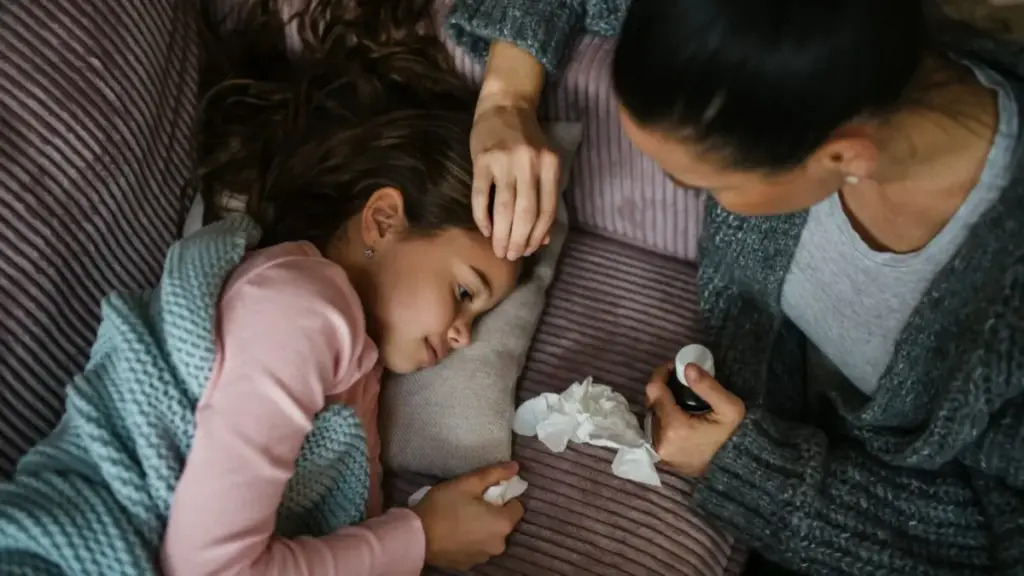
For many parents, the changing of the seasons brings a familiar and unwelcome routine: a small pharmacy’s worth of medicine setting up camp on the kitchen counter, followed by a household chorus of persistent coughs and sneezes. The distinct dread of seeing the school nurse’s number flash across a phone screen is an annual anxiety for millions, carrying the heavy awareness that an incoming illness will likely lay low the entire household within a matter of hours.

Unfortunately, that dreaded call from school may be arriving much sooner than anticipated this year. According to recent public health data and nationwide tracking reports, the 2026-2027 influenza season is arriving months ahead of its traditional schedule, catching many communities flat-footed as autumn begins.

Medical experts are strongly advising families to prepare well before the first high fever strikes the home. However, public health professionals emphasize that protecting a family does not require an overflowing medicine cabinet, specialized medical equipment, or a nursing degree. Most of the effective defenses against the flu are rooted in straightforward, everyday habits.

To gain practical insights on navigating the early surge, we spoke with two physicians who have spent this fall fielding an influx of questions from concerned parents. Dr. Tracy Tyson and Dr. Brittany Odom are both board-certified pediatricians and mothers themselves. They shared critical guidance on what families need to know to stay healthy as influenza activity begins its upward trajectory.

Is Flu Season Really Starting Early This Year?
The short answer is yes, though the timeline varies significantly depending on geographic location.

"We have started seeing influenza earlier this year, and nationwide reports are also showing an earlier flu season," Dr. Tyson observes.

The national picture remains somewhat uneven as the season gets underway. According to the latest surveillance data from the Centers for Disease Control and Prevention, overall flu activity is still relatively low but steadily increasing, with the most pronounced early activity concentrated on the West Coast.

Dr. Odom notes that she is already managing a substantial number of cases in her region. Because different regions experience surges at slightly different times, getting ahead of the virus is vital. Families do not need to wait until widespread outbreaks fill their children’s classrooms before taking proactive steps to establish protection.

When Should Kids Get the Flu Shot, and Is It Too Late?
Both pediatricians emphasize that children and adults should receive the influenza vaccine as soon as it becomes available.

"I recommend getting it in September or October, ideally by Halloween, for everyone 6 months and older," Dr. Odom advises.

While receiving the vaccine in November or later is not inherently too late, waiting intentionally is discouraged. The human body requires approximately two weeks following vaccination to build optimal immunity against the virus. Furthermore, young children between the ages of 6 months and 8 years often require two separate doses administered at least four weeks apart during their first season of vaccination to achieve full protection.

"It isn’t ever too late, but the earlier, the better," Dr. Tyson adds.

For parents managing busy schedules, the annual flu vaccine and the updated COVID-19 shot can be administered during the same medical visit with no required spacing interval between them. Recognizing the realities of family life, Dr. Odom notes how easily calendar appointments can slip, urging parents to take immediate advantage of opportunities to vaccinate.

Is the Nasal Spray or the Flu Shot Better for Kids?
When considering the mode of administration, both doctors affirm that either the traditional injection or the nasal spray vaccine is effective, provided the child meets the eligibility criteria.

The standard flu shot is approved for children starting at 6 months of age. The nasal spray vaccine, commonly known as the flu mist, is an alternative option for children aged 2 and older, though specific health limitations apply.

"Children ages 2 through 4 with asthma or wheezing in the past year shouldn’t receive the nasal spray, and older children with asthma or other medical conditions need an eligibility review," Dr. Odom explains, echoing Dr. Tyson’s clinical stance on respiratory restrictions.

Beyond these medical parameters, the choice often comes down to individual child tolerance and preference. The overarching priority for healthcare providers is ensuring that children receive an appropriate vaccine through whatever method makes vaccination manageable.

Does the Flu Shot Actually Work If My Kid Gets Sick Anyway?
A common point of frustration for parents is when a vaccinated child still falls ill during the winter months, leading some to question the efficacy of the immunization.

Both pediatricians explain that the primary goal of the flu vaccine is twofold: it lowers the overall statistical odds of contracting the influenza virus, and it significantly softens the severity of the illness if a breakthrough infection occurs.

Dr. Tyson highlights a common health-department adage that captures this reality: "Taking flu from wild to mild is exactly the right way of thinking."

Estimates typically place the vaccine’s effectiveness in preventing flu illness at up to 60 percent. Parents should also remember that the flu vaccine targets influenza specifically, meaning it does not protect against the wide array of other circulating cold and respiratory bugs that children frequently bring home from daycare and school. Experiencing a separate illness after vaccination does not render the flu shot valueless, as a vaccinated child who does contract influenza is substantially less likely to experience severe complications or require hospitalization.

How Do You Keep the Flu from Spreading Through the House?
When one member of a household contracts the flu, it can easily feel inevitable that the rest of the family will fall like dominos. However, physicians stress that household transmission can be effectively managed and limited through deliberate, if unglamorous, infection-control practices.

Basic hygiene measures remain foundational: rigorous handwashing, eliminating the sharing of drinking cups and eating utensils, coughing directly into an elbow rather than hands, and separating sleeping spaces for sick family members where feasible. Keeping up with household vaccinations also plays a significant role in curbing domestic spread.

Rather than exhausting energy on aggressive surface disinfection, experts advise paying attention to indoor air quality.

"Don’t put all your energy into wiping down the house while overlooking the air everyone is sharing," Dr. Odom advises.

Improving ventilation by cracking a window, running a HEPA air purifier, or keeping the HVAC fan running while someone is ill can make a notable difference. Wearing masks during close contact can also help protect uninfected family members, though face coverings should never be placed on infants under the age of 2. Finally, if another family member does fall ill, parents should recognize it as a normal consequence of highly contagious respiratory viruses rather than a personal failure in containment.

How Do You Treat the Flu at Home, and When Is It Time to Call the Doctor?
Most healthy, older children can successfully manage and recover from the flu at home with supportive care and monitoring. Pediatricians recommend keeping several basic medical supplies on hand: a reliable thermometer, oral rehydration solutions such as Pedialyte, saline nasal drops or spray, and an age-appropriate fever-reducing medication accompanied by an accurate dosing syringe. At-home combination tests, which can simultaneously check for influenza A and B, COVID-19, and RSV from a single swab, can also help parents identify the specific virus circulating in the home.

Primary care centers primarily on rest, maintaining frequent hydration with small, steady sips of fluids, and managing nasal congestion with saline. For infants, continued feeding with breast milk or formula is essential. Honey can be used to soothe a persistent cough for children aged 1 year and older, but it must never be given to infants under 1 year due to the risk of infant botulism.

When managing fevers and body aches, acetaminophen is generally recommended, while ibuprofen is suitable for infants 6 months of age and older. However, ibuprofen should be avoided if a child is actively dehydrated or experiencing frequent vomiting. Medications should always be dosed carefully by the child’s weight using a proper oral syringe rather than a standard kitchen spoon. Aspirin must never be administered to children or adolescents with viral illnesses due to the risk of Reye’s syndrome.

Regarding how high a fever can climb before it becomes dangerous, pediatricians emphasize that the absolute number is often less critical than the duration and accompanying symptoms.

"There isn’t a level of fever that is unsafe per se," Dr. Tyson notes. "It’s more about the length of time and the symptoms with the fever."

Parents should contact a pediatrician immediately for any infant under 3 months of age with a rectal temperature of 100.4 degrees Fahrenheit or higher. For older children, a call is warranted if a fever repeatedly exceeds 104 degrees Fahrenheit or fails to respond to medication. The ultimate objective of treatment is to keep the child comfortable enough to rest and maintain adequate fluid intake.

How Do I Protect a Newborn or Pregnant Family Member During Flu Season?
Vulnerable populations within a household—particularly newborns under the age of 6 months, who are too young to receive the flu vaccine—rely entirely on the actions of those around them for protection. Vaccinating all eligible adults and older siblings living in the home is an essential shield for infants.

Families should restrict visits from individuals showing signs of illness, maintain good indoor airflow, and adhere strictly to a vital boundary for newborns.

"No kissing the babies," Dr. Odom states, highlighting a crucial preventative measure against respiratory pathogens.

Furthermore, the flu vaccine is recognized as safe and recommended during any trimester of pregnancy, providing direct protection to the pregnant individual and conferring passive immunity to the baby after birth. Pregnant individuals, immunocompromised household members, or those caring for a newborn should never hesitate to contact their healthcare provider promptly upon noticing early symptoms or experiencing a known exposure to influenza.

Both physicians share a unified piece of advice for parents navigating the stresses of flu season: reach out to medical professionals sooner rather than later.

"You don’t have to wait until your child looks terribly sick to call us," Dr. Odom concludes. "Flu has treatments, and timing matters. Asking for help early is part of taking good care of your child, not overreacting."