

Over the years, the popular personal finance and lifestyle platform managed by the financial commentator known as Mr. Money Mustache has expanded far beyond traditional budgeting advice. While early content heavily emphasized saving rates and early retirement, discussions have increasingly encompassed broader components of human well-being, including health, physical fitness, and the psychology behind happier, more sustainable living. However, according to recent commentaries from the platform, there is one foundational area of modern society where all of these factors—finances, physical health, mental well-being, and community psychology—converge with unprecedented synergy.
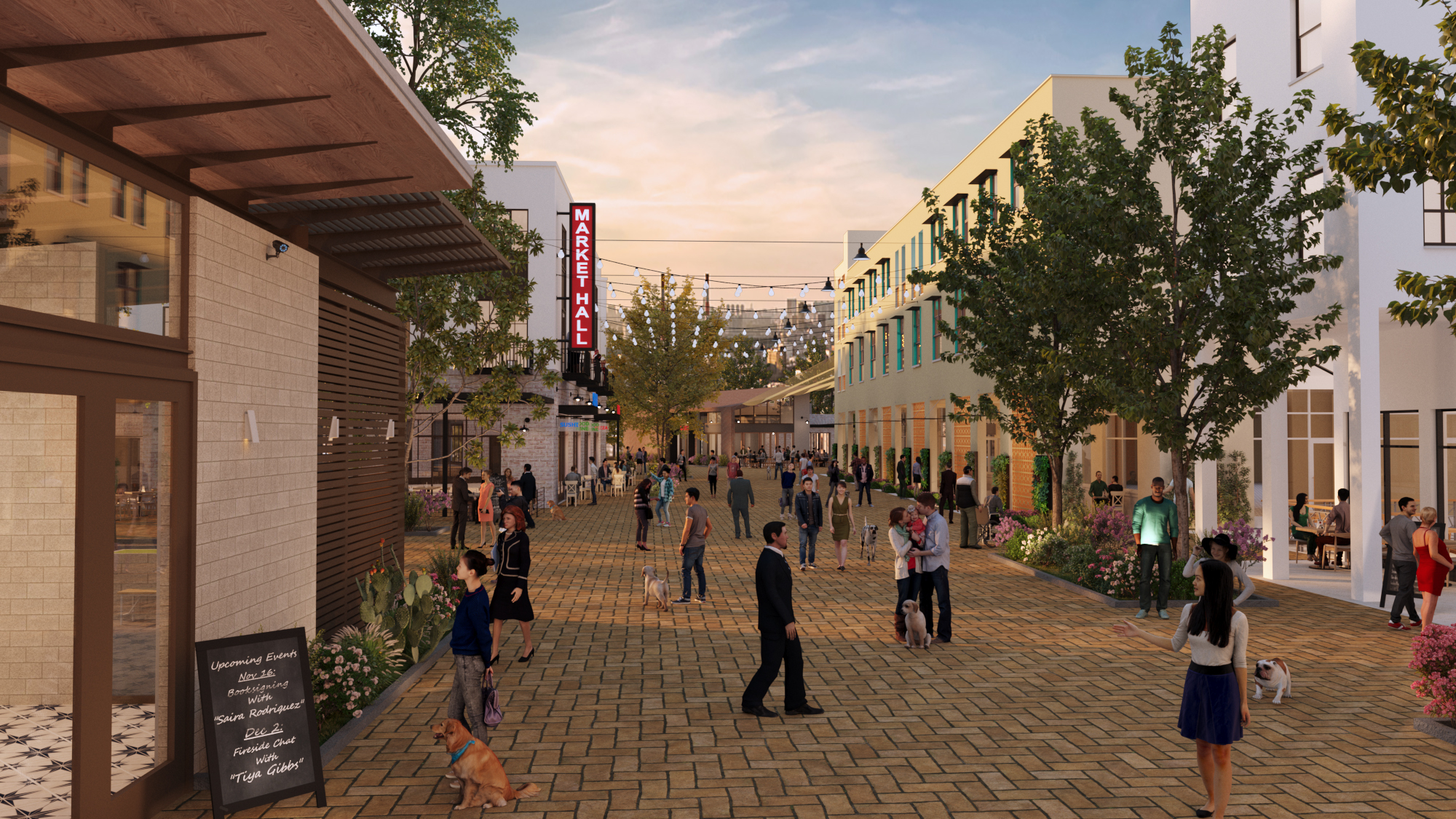
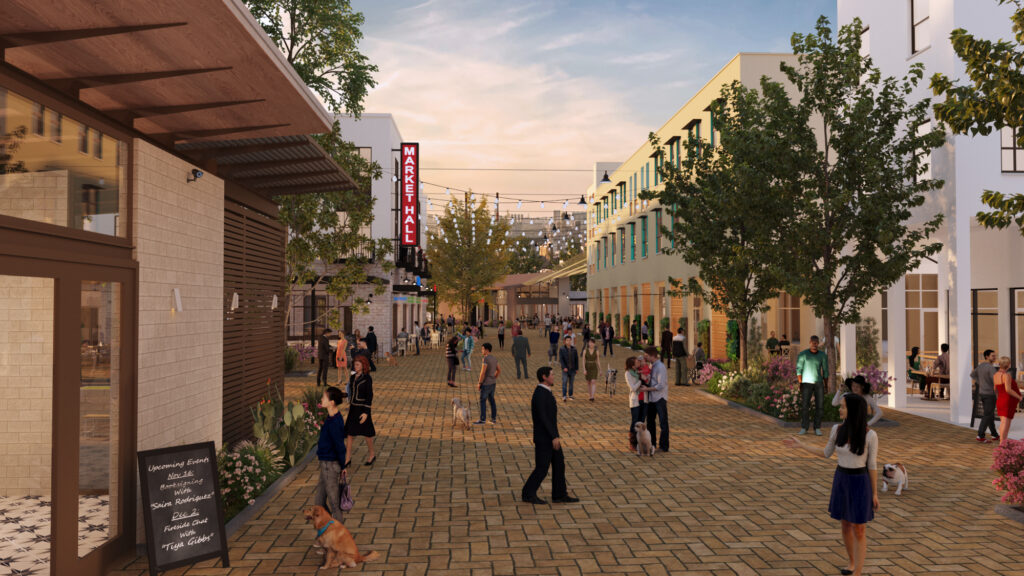
If given a single global wish, the core proposition is as stark as it is ambitious: immediately pivot away from car-centric civil engineering and rebuild towns, cities, and countries around human beings.
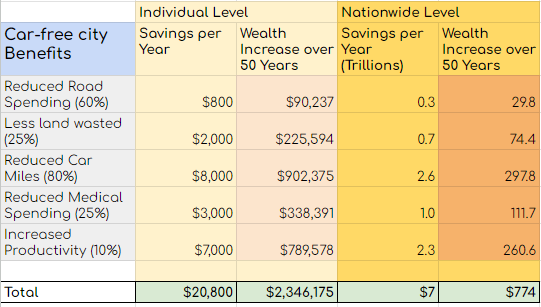
The economic and social implications of this transition extend far beyond minor reductions in vehicle emissions, traffic congestion, or highway collisions. Proponents of pedestrian-first urban design argue that prioritizing human-centric living spaces yields a massive boost to overall quality of life, translating to conservative estimates of more than $20,000 per person annually. Over an adult lifetime, these savings and lifestyle benefits compound into well over two million dollars per individual.
Scaled up to a national level, transitioning away from car-dependent sprawl could theoretically inject approximately seven trillion dollars per year into the United States economy alone. Compounded over five decades, that figure approaches 770 trillion dollars—surpassing the current total accumulated wealth of the entire global population.
Proponents argue that this shift would fundamentally alter daily existence. Residential housing could become simultaneously more affordable, spacious, and aesthetically pleasing. Human bodies and minds would grow stronger and healthier through natural, daily physical activity, dramatically cutting down the time and financial resources required for healthcare maintenance. Public and private investment portfolios would experience unprecedented surpluses driven by slashed transportation expenses and surging local commerce.
Critics often question whether city planning is anything more than background municipal bureaucracy meant to maintain the status quo. In reality, existing zoning committees and planning boards are frequently driven by institutional inertia, risk aversion, and resistance to disruption from entrenched commercial interests. Yet, urban advocates contend that if the public could look past the congestion and inefficiencies of current car-dependent infrastructure, human-first design would emerge as the only rational path forward.
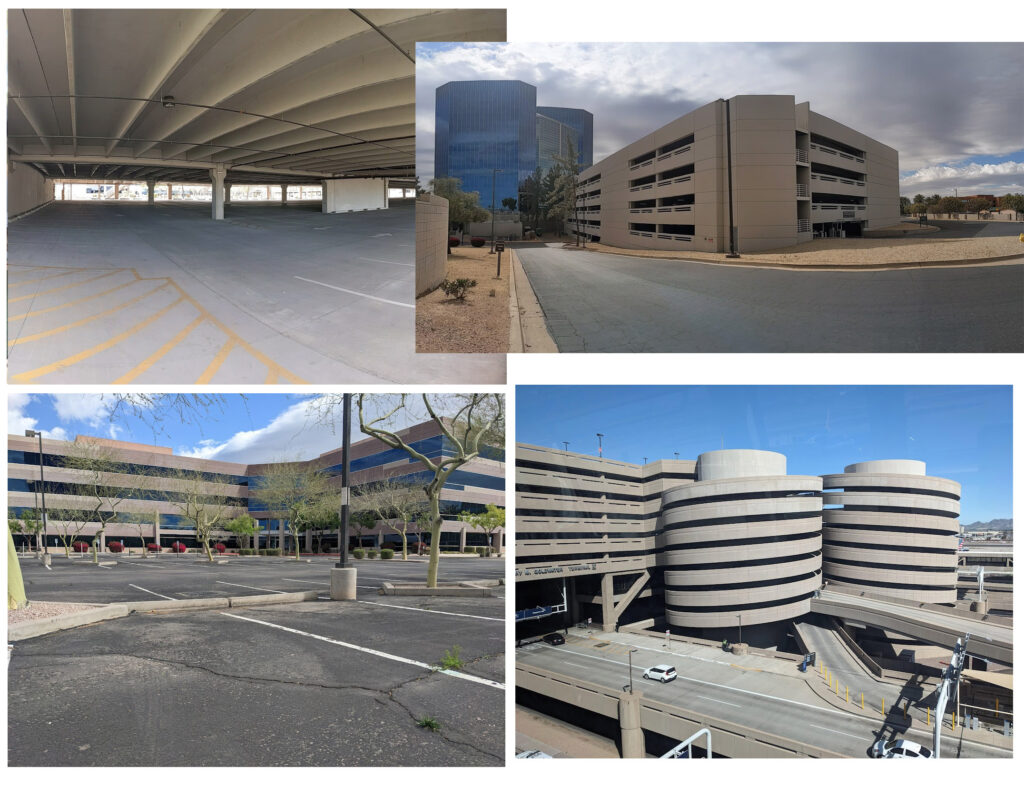
To understand the core inefficiency of modern cities, urban planners point to spatial economics. Traditional American cities have dedicated vast proportions of their land footprint to vehicular movement and storage. For instance, the physical footprint required for just two standard parking spaces is roughly equivalent to the spatial requirements of an entire two-bedroom apartment.
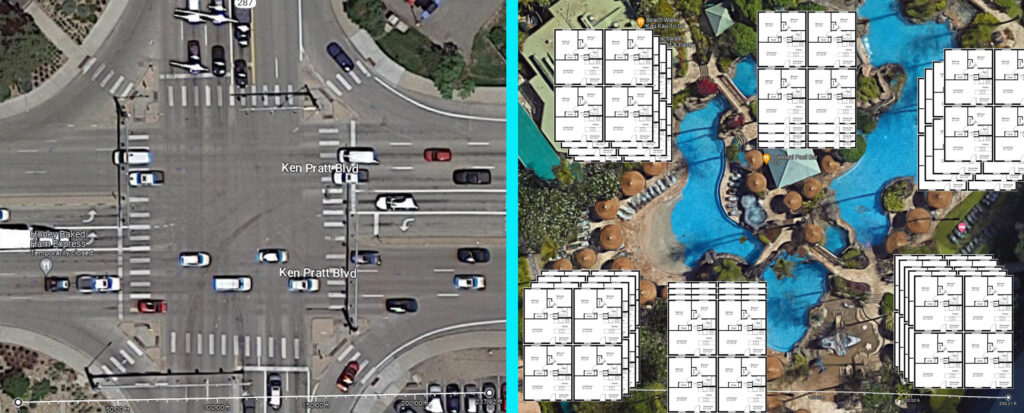
The waste becomes even more pronounced at major urban intersections. A standard intersection measuring roughly 250 by 250 feet accounts for approximately 1.5 acres of urban real estate. In a car-centric system, this space is utilized strictly for transient vehicular traffic. Under a human-centric model, that exact same acreage could comfortably house around two hundred people in high-density, resort-style comfort, complete with green spaces, retail shops, and essential neighborhood amenities.
Critics of car-free initiatives frequently raise concerns rooted in the status quo, asking how populations accustomed to driving everywhere will maintain their mobility. Urban development advocates counter that the question misses the underlying premise: current necessity for constant driving is an artificial byproduct of poor spatial planning. Because cities have been deliberately spread out to accommodate vehicles, distances have become too vast—and walking or cycling too dangerous and unpleasant—for alternative transit to be viable.
By designing compact, mixed-use neighborhoods where residences, offices, grocery stores, and recreation areas coexist within a tight geographic footprint, the need for private automobiles drops precipitously. Remaining roadways can be optimized primarily for freight deliveries, emergency services, and individuals requiring mobility assistance.
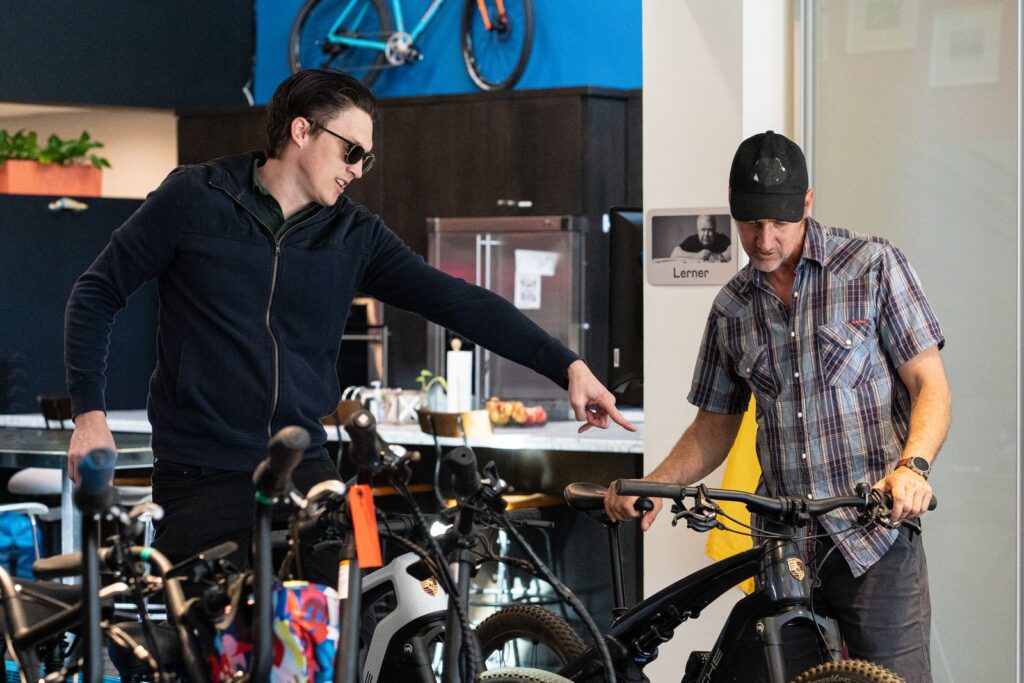
Proponents of human-centric cities generally advocate for active transportation over traditional mass transit systems, citing the speed and flexibility of bicycles and electric bicycles for short-to-medium urban trips. While heavy public transit and light rail networks remain essential regional connectors, personal e-bikes and walking networks allow individuals to bypass traffic congestion entirely, turning routine urban transit into an active, health-boosting experience.
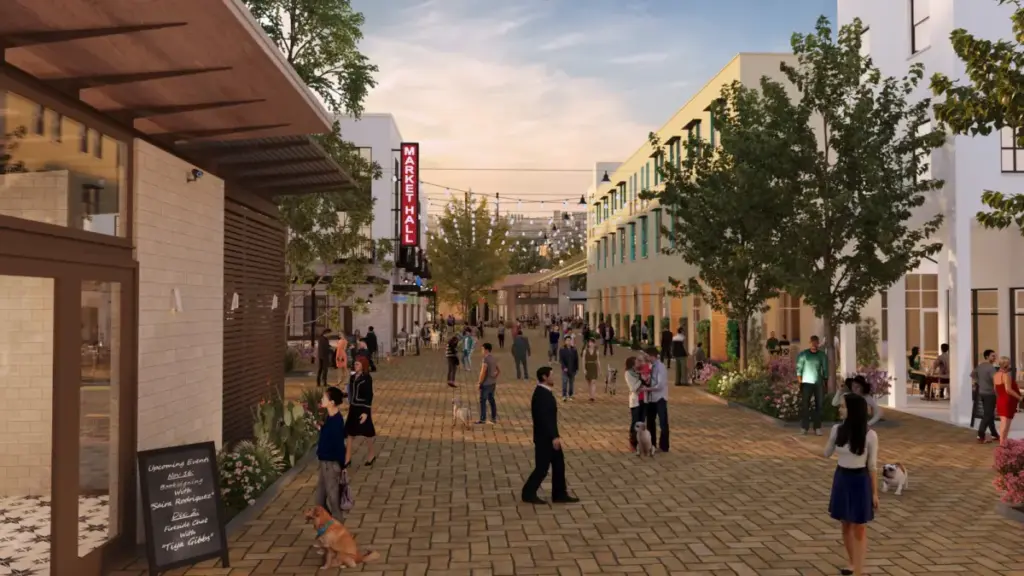
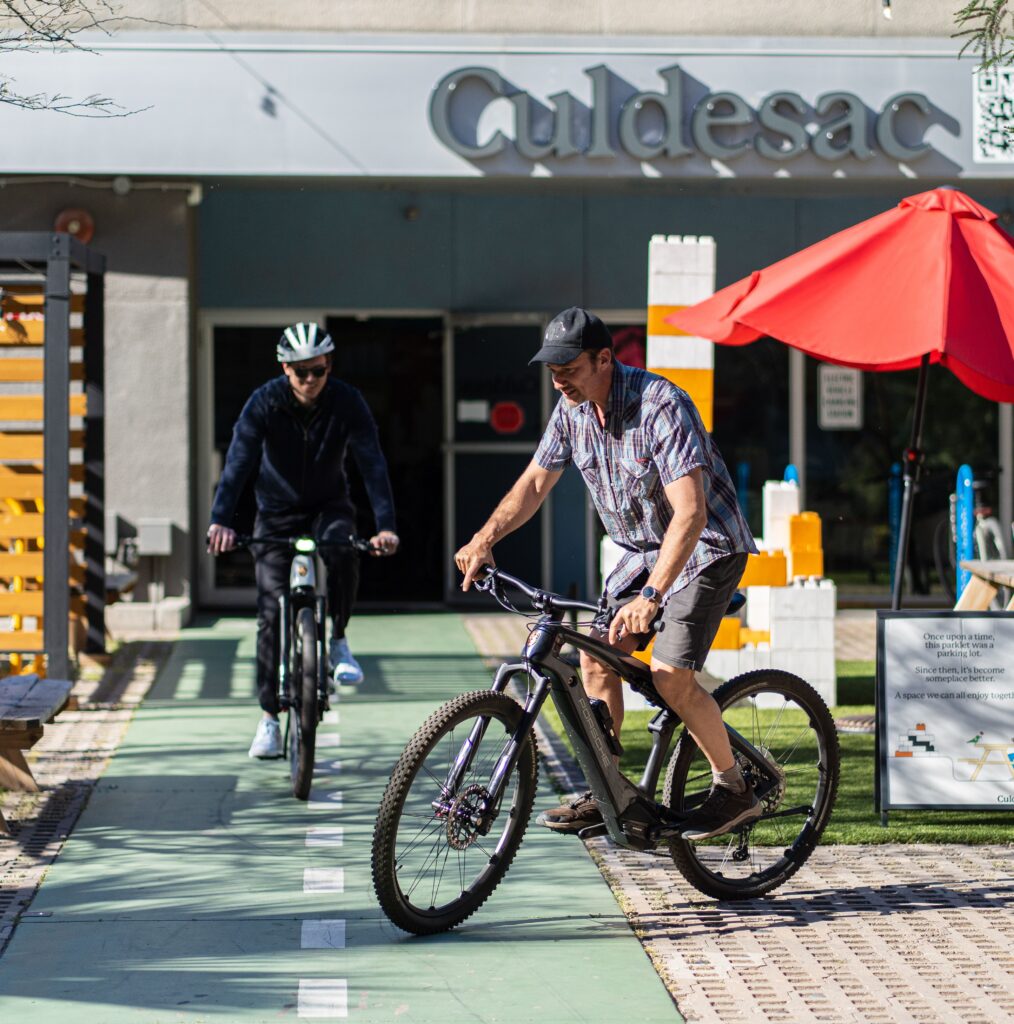
While municipal bureaucracies often move slowly, private developers have begun demonstrating the viability of these concepts in real-world settings. A prominent example is Culdesac Tempe, a newly established, car-free neighborhood designed to house approximately 1,000 residents across a 17-acre site in Arizona.
Recent site visits and evaluations by urban advocates highlight how the neighborhood replaces traditional parking lots and expansive asphalt with pedestrian plazas, courtyards, and community amenities. Because the climate in Tempe features hot summers and mild winters, architecture and site planning have been meticulously tailored to maximize shade, natural airflow, and outdoor gathering spaces.

Residents living in the Tempe development have immediate access to daily necessities integrated directly into the neighborhood, eliminating the need to drive for groceries or dining. Furthermore, the community is situated adjacent to light rail infrastructure and the local university, providing transit passes with rent and offering residents a fleet of shared electric vehicles and e-bikes for longer excursions.
The success of pilot projects like Culdesac Tempe points toward broader master-planning ambitions among forward-thinking developers. The long-term vision involves scaling these car-free models across larger tracts of underutilized urban real estate, such as replacing massive big-box retail parking lots and sprawling suburban strip malls with self-sustaining, walkable urban villages.
Advocates argue that understanding the economic and social drag of car dependency is comparable to diagnosing a patient suffering from chronic illness caused by a lifetime of poor nutrition and sedentary habits. Just as targeted dietary and lifestyle interventions can rapidly reverse chronic health issues, reallocating urban space away from automobiles has the potential to unlock generational economic growth, environmental restoration, and civic well-being. As pilot communities continue to prove the financial and social viability of human-centric neighborhoods, the conversation around the future of urban development is rapidly shifting from theoretical aspiration to tangible reality.