

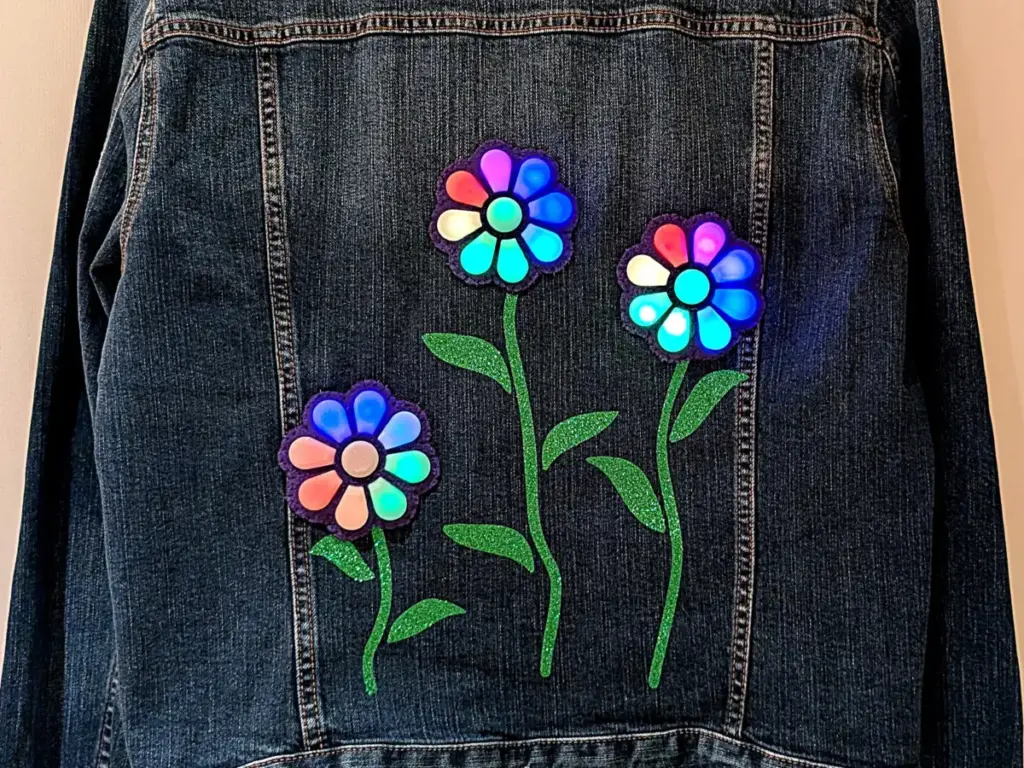
The intersection of fashion and modern micro-electronics has yielded a striking new wearable art project that bridges the gap between everyday casual wear and interactive digital display. Conceptualized by maker and educator Debra Ansell, the "BedazzLED" denim jacket transforms a standard piece of thrift store outerwear into an illuminated, programmable garden of 3D-printed flowers powered by advanced open-source lighting software. Featured in Volume 97 of Make: magazine, the project offers a blueprint for how crafters, cosplayers, and tech enthusiasts can integrate consumer electronics into sustainable fashion without sacrificing aesthetic subtlety or everyday practicality.

At its core, the project demonstrates how traditional textile modification can coexist with advanced fabrication techniques such as 3D printing, laser cutting, and vinyl plotting. Rather than relying on rigid circuit boards or clunky hardware, the design uses flexible, translucent materials that bend and move with the fabric of the garment. The result is a piece of apparel that functions as a conventional, unassuming jacket when powered down, but transforms into a vibrant, dynamic canvas at the press of a button.
The construction process begins with sourcing a durable denim jacket, a staple of modern wardrobes whose sturdy material makes it an ideal candidate for resale shopping. Thrift stores frequently offer a wide variety of jackets in good condition, allowing makers to save money while keeping existing garments in circulation. Once a suitable jacket is found with enough open space on the back panel, the fabrication shifts to the digital workshop.
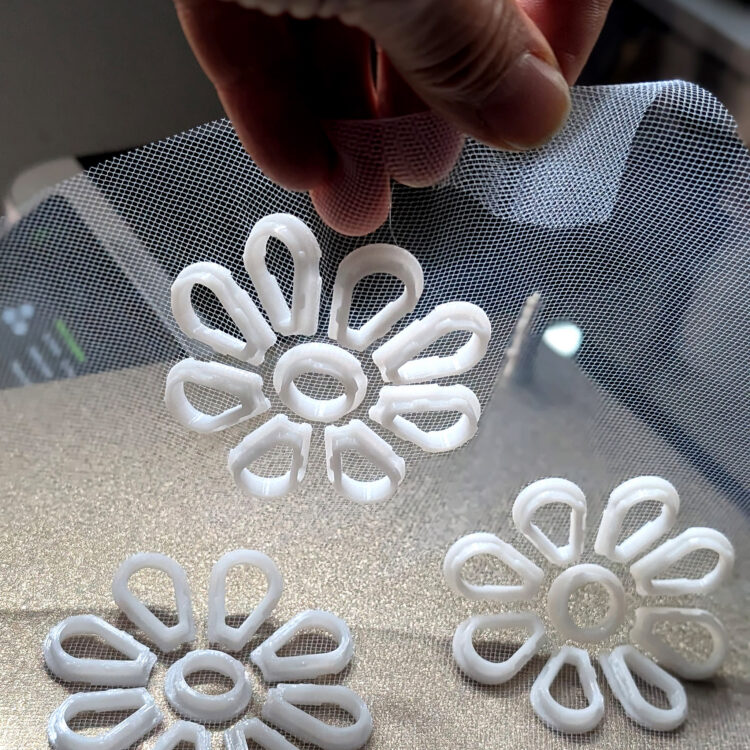
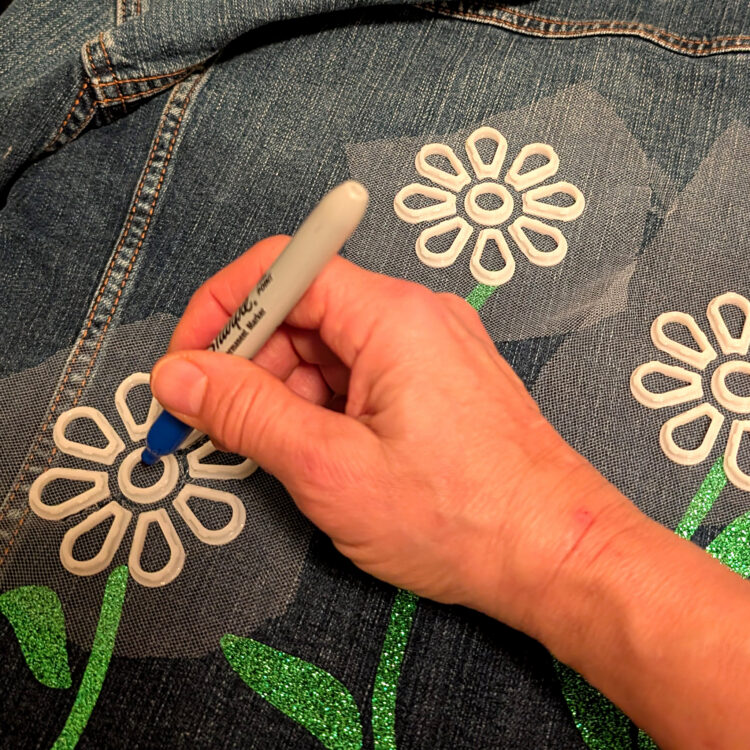
The floral arrangements that serve as the focal point of the jacket are 3D-printed using translucent white PETG filament. While PLA plastic is a common alternative in desktop 3D printing, PETG provides superior durability and flexibility for wearable applications. Specifically, filaments designed for lithophanes—such as California Filament’s Cloudy White PETG—are utilized for their exceptional ability to diffuse light evenly across the petals and central disc.
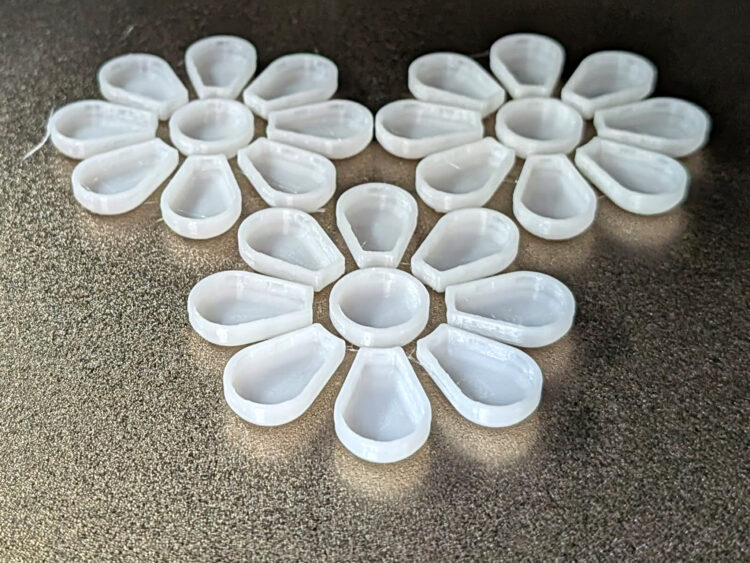
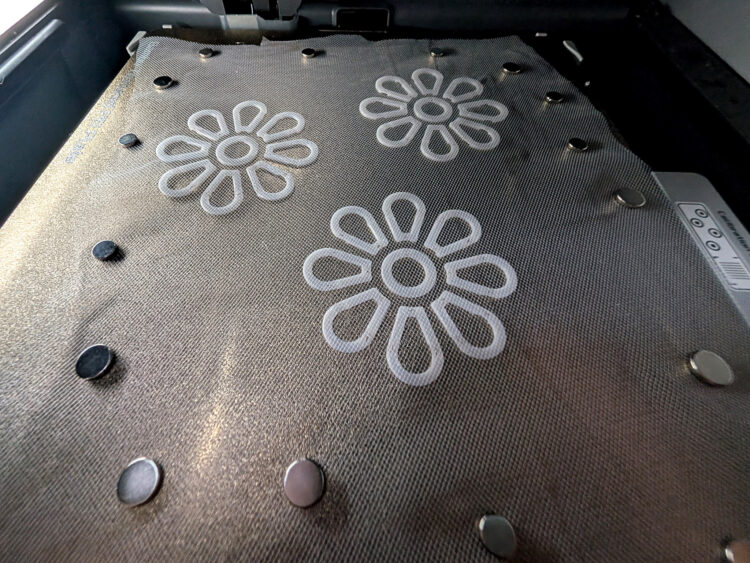
To achieve a structure that is both flexible and secure, Ansell’s design incorporates an innovative pause-print technique. The flower base layers are initially printed onto a layer of fine mesh fabric, such as tulle, which is held flat on the print bed using neodymium magnets and Kapton tape. When the printer pauses mid-job, the fabric is laid across the first few layers of plastic. Resuming the print allows the molten PETG to bond directly through the porous mesh, locking the fabric firmly into the structure of each individual petal and central disc without compromising the flexibility of the overall assembly.
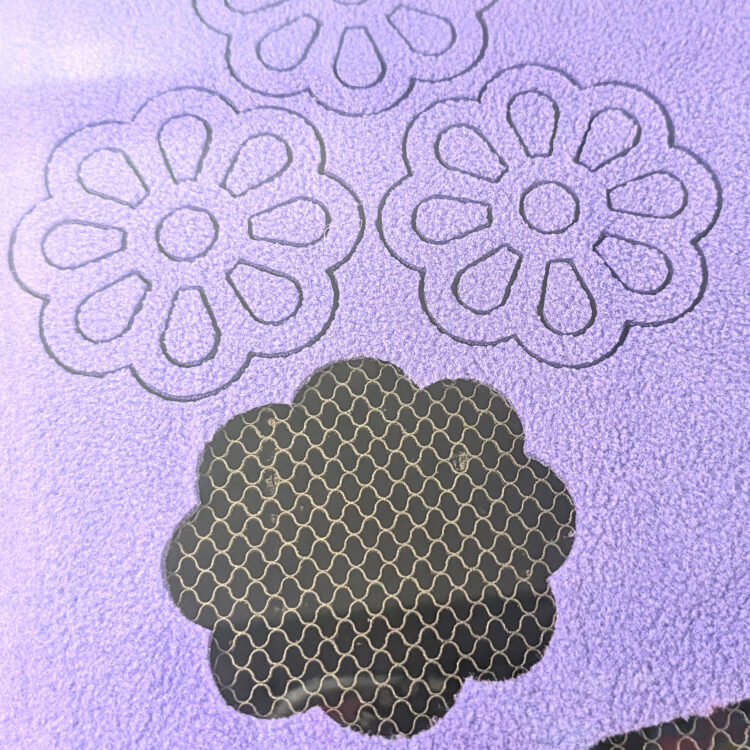
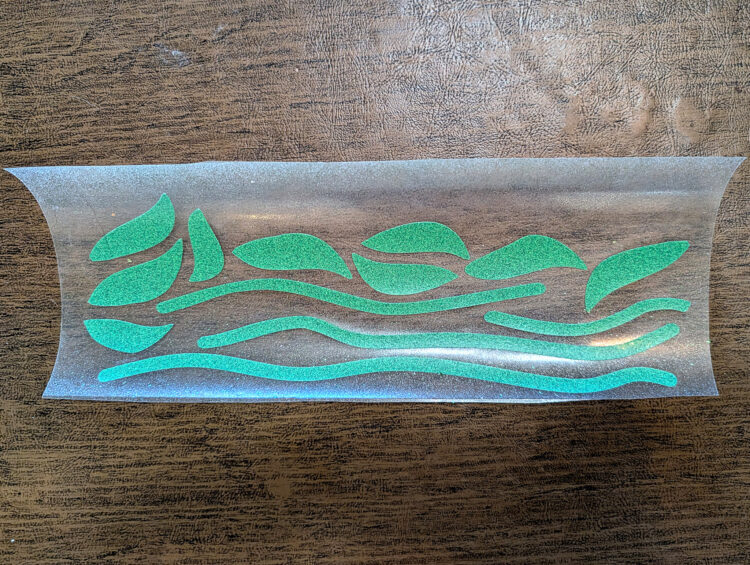
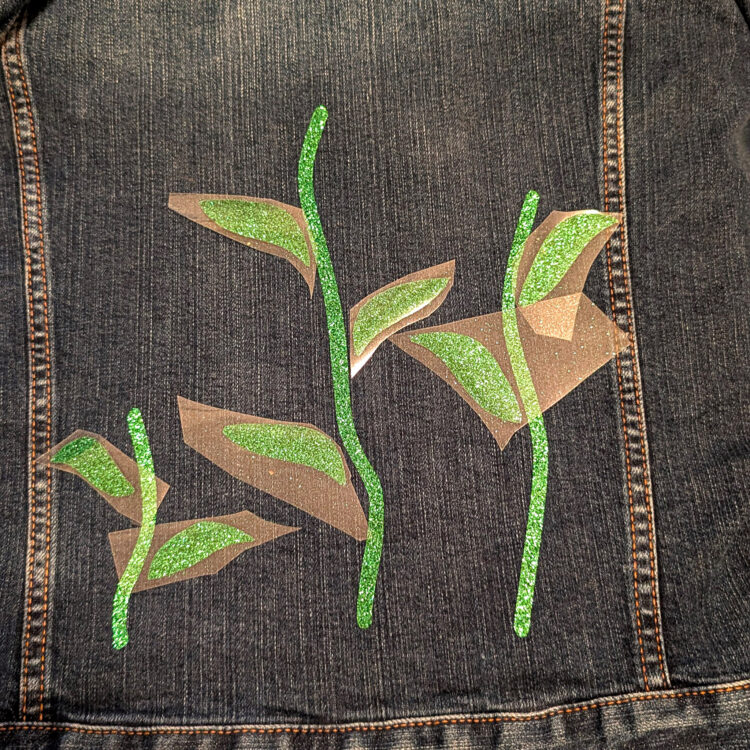
Surrounding the 3D-printed floral centers are decorative borders cut from non-fraying textiles like fleece or PVC-free faux leather. These fabric elements not only provide a soft visual transition between the rigid plastic flowers and the rugged texture of the denim, but they also conceal the internal wiring and reinforce the assembly prior to final attachment. Using a laser cutter ensures high precision when cutting these borders from vector files, though meticulous hand-cutting with scissors remains a viable alternative for makers without access to laser equipment. Similarly, heat-transfer vinyl (HTV) is utilized to cut intricate stems and leaves, which are permanently ironed onto the exterior back panel of the jacket to ground the floral composition.
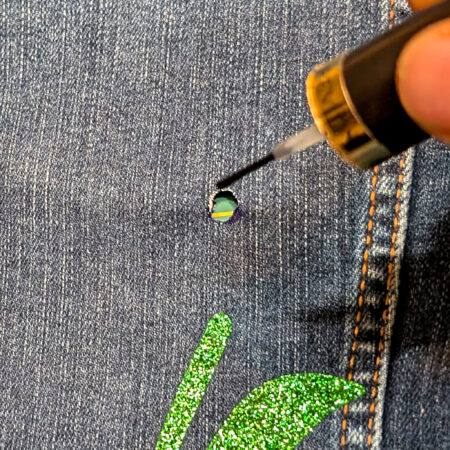
Managing the electronics for a wearable project requires careful planning to ensure comfort and durability. Small holes, approximately one centimeter in diameter, are cut through the back panel of the jacket behind each flower location to allow wiring to pass seamlessly between the exterior decorations and the interior power source. To prevent the denim from fraying over time, the edges of these holes are treated with clear nail polish or craft glue.
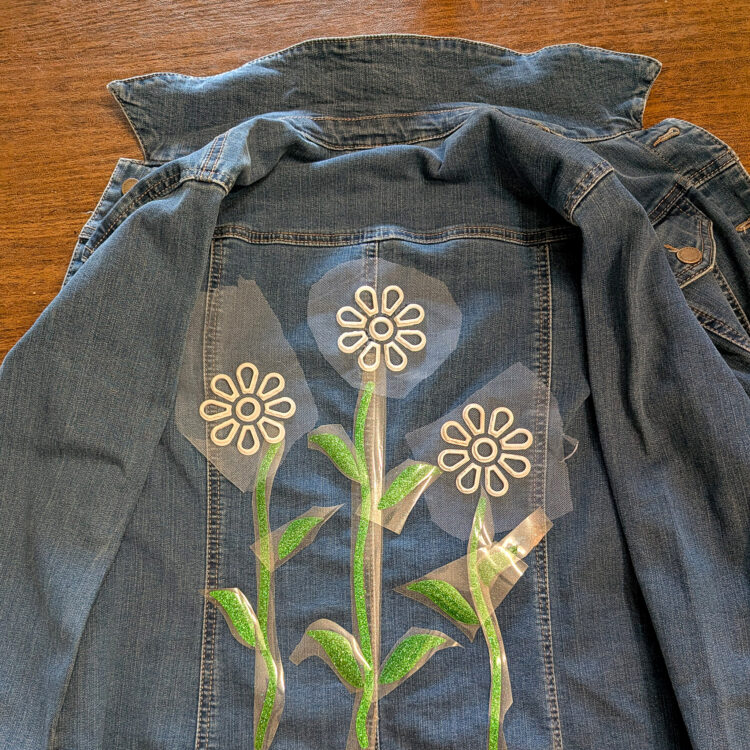
The illumination is driven by addressable pebble light strings, which are segmented and soldered together alongside silicone-insulated wiring and a three-pin JST SM connector. Each of the three flowers on the jacket houses a nine-pixel segment of the LED string. Using glue dots, the individual pebble lights are carefully mounted to the mesh backing of the floral bases, folding back on themselves to manage slack and ensure uniform brightness across every petal.
Once the hardware is securely mounted to the exterior, the flowers are hand-sewn to the denim using coordinating thread and traditional applique techniques, such as running stitches or blanket stitches. Care must be taken during this stage to avoid puncturing the silicone-insulated wires. On the interior of the jacket, loose wiring is neatly tacked down using iron-on fusible interfacing, creating a clean finish that prevents snags and keeps the circuitry entirely concealed against the wearer’s back.
Power and control are supplied by a compact WLED-compatible microcontroller, such as those offered by QuinLED or Athom, paired with a portable USB-C power bank. These components are safely stashed within an interior pocket of the jacket. WLED software provides users with an extensive library of pre-installed, customizable animations, allowing wearers to adjust color palettes, pattern speeds, and light intensities directly from a smartphone or connected device. Furthermore, the use of waterproof pebble lights ensures that the garment remains practical for real-world use, enabling simple hand-washing in cold water once the detachable controller and power bank are safely removed.
Beyond the initial jean jacket design, the underlying fabrication methodology opens up numerous possibilities for other wearables and accessories. The technique can easily be scaled down to accent a baseball cap with a single illuminated bloom, or expanded across a larger canvas, such as a canvas tote bag covered in a lush garden of interactive lights. As maker communities continue to explore the boundaries of soft circuits and digital fabrication, projects like the BedazzLED jacket highlight a growing trend toward personalized, functional technology that seamlessly integrates into contemporary fashion.