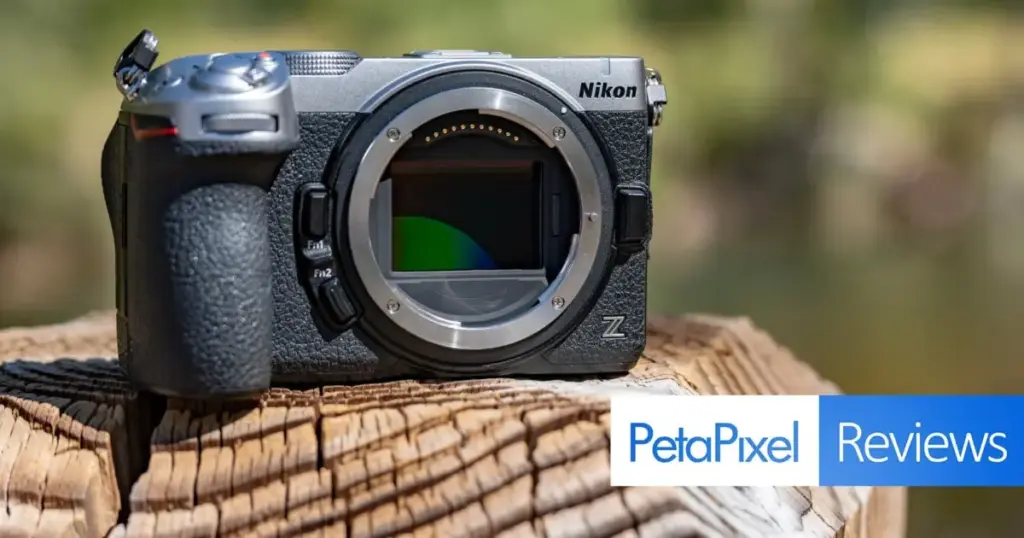
Following the strong market reception of the Nikon Z5 II ($1,849) after its release, Nikon has introduced a more compact and affordable alternative aimed at a specific segment of creators: the Nikon Z5 IIC, priced at $1,399. While the original Z5 II quickly established itself as a go-to recommendation for an entry-level full-frame camera thanks to its surprisingly robust feature set, the new Z5 IIC takes a starkly different approach by stripping down the physical design to reduce size, weight, and cost. However, this aggressive downsizing comes with one glaring omission that has sparked debate among traditional photographers: the complete removal of the electronic viewfinder (EVF).
To determine whether the absence of an EVF is a dealbreaker for modern shooters, the camera was put through extensive real-world testing on the bustling streets of San Francisco and amid the rugged landscapes of Yosemite National Park.
Nikon Z5 IIC Review: How It Feels
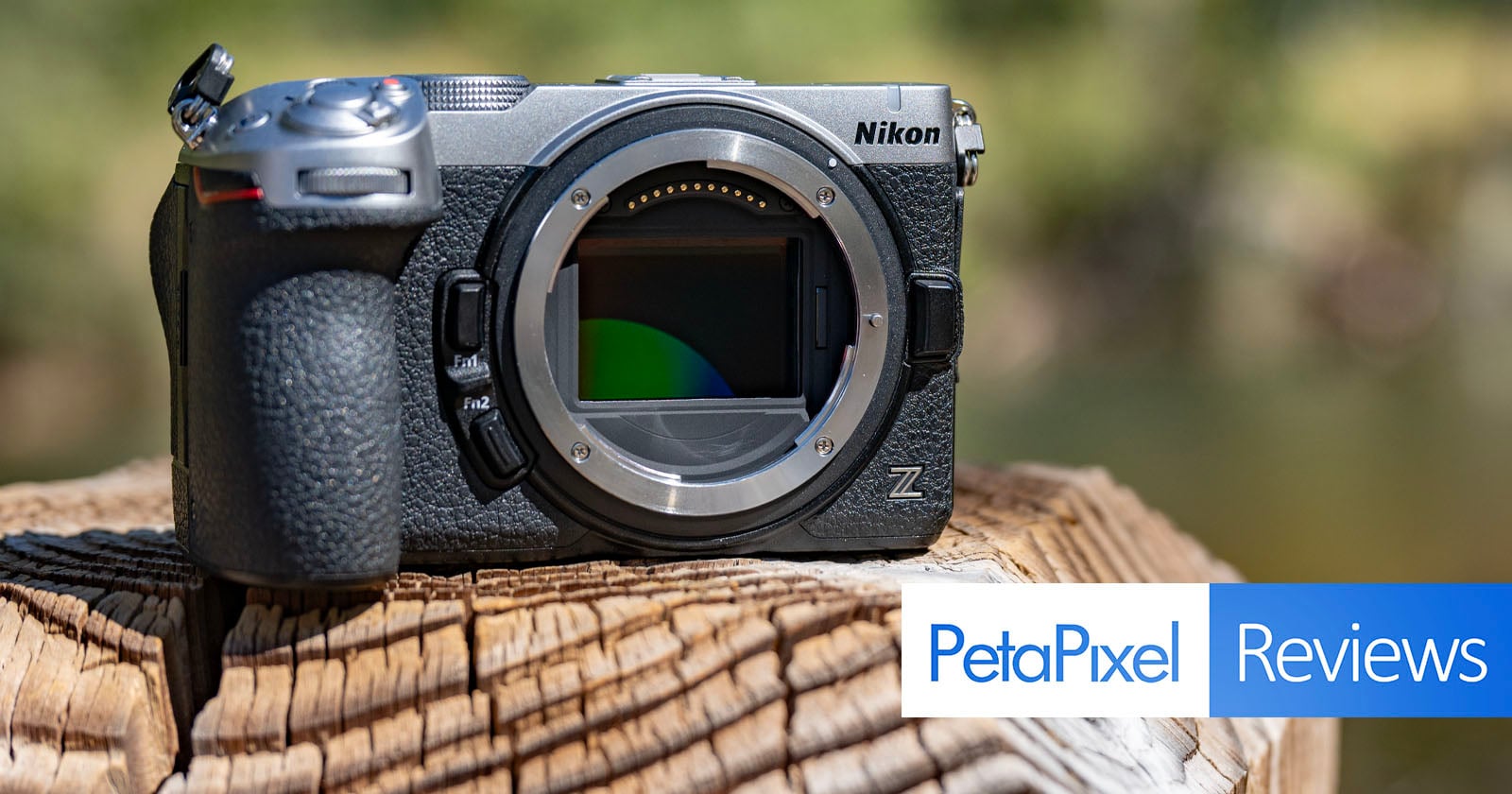
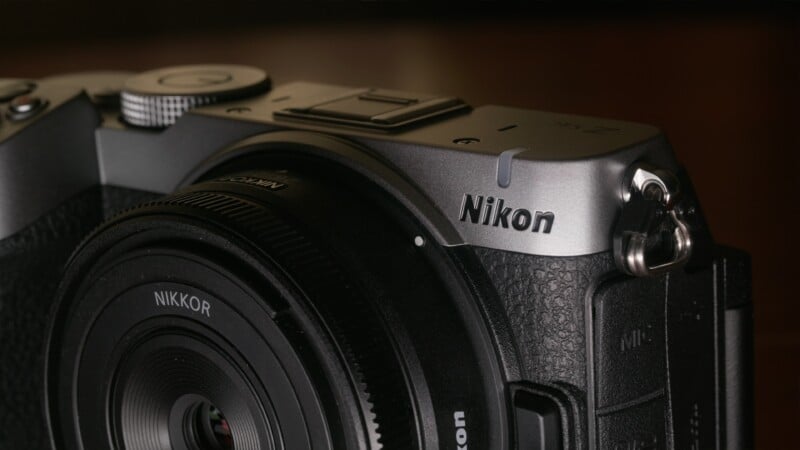
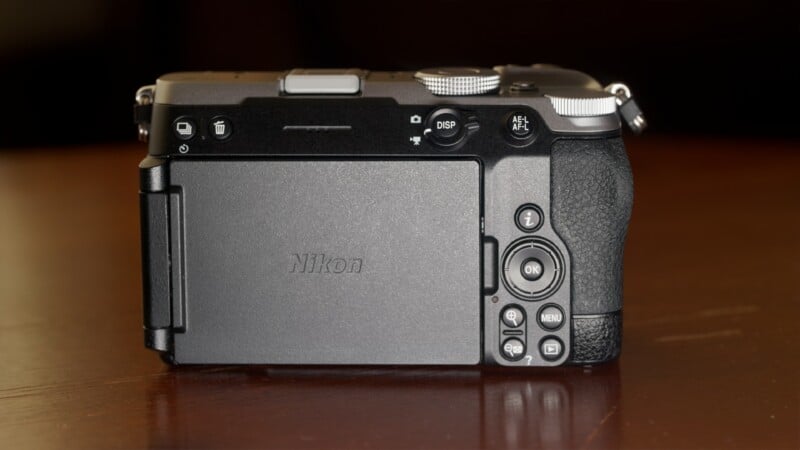
The Nikon Z5 IIC immediately distinguishes itself from its larger sibling through its striking flat top plate, a visual consequence of discarding the electronic viewfinder housing. This stylistic shift is particularly prominent on the silver colorway, giving the camera a distinct, minimalist aesthetic that sets it apart from traditional mirrorless bodies.
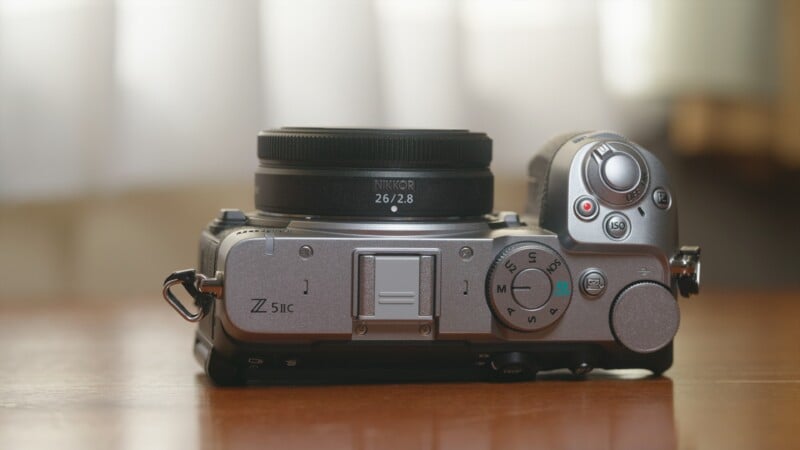
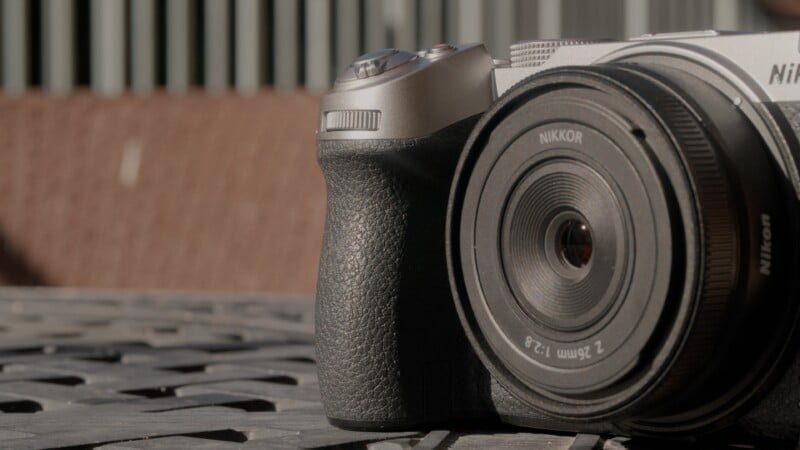
Beyond looks, this architectural change yields tangible ergonomic benefits in terms of portability. The Z5 IIC weighs in at 22 ounces (620 grams), making it noticeably lighter than the Z5 II, which tips the scales at 24.7 ounces (700 grams). Despite the weight reduction, Nikon managed to retain a substantial handgrip and an array of custom buttons, ensuring that the Z5 IIC remains significantly more comfortable to handle during long shooting sessions than ultra-slim competitors like the Panasonic S9.
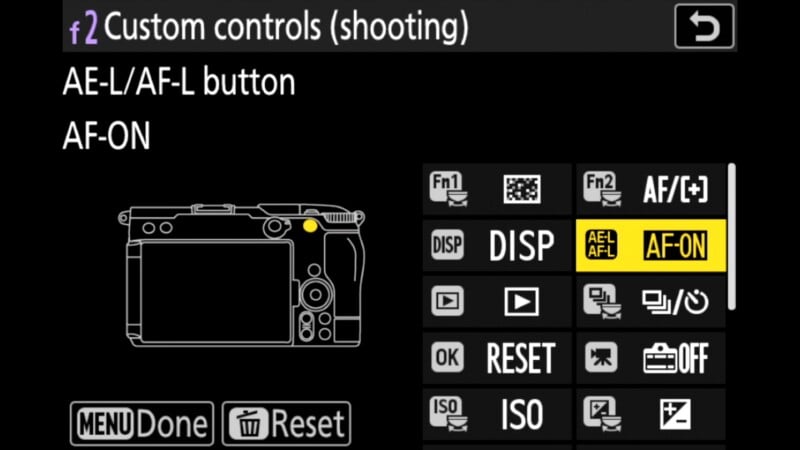
Nevertheless, compromises were inevitable in the pursuit of a smaller footprint. The Z5 IIC lacks a dedicated autofocus joystick for point selection, as well as a physical AF-ON button. While the missing AF-ON button proved to be a non-issue during testing—thanks to a well-positioned Focus/Exposure Lock button that can be easily reprogrammed—the absence of an AF joystick took some getting used to. Navigating autofocus points required adapting to a combination of Nikon’s reliable 3D tracking and the shortcut of re-centering the focus point by pressing the "OK" button.
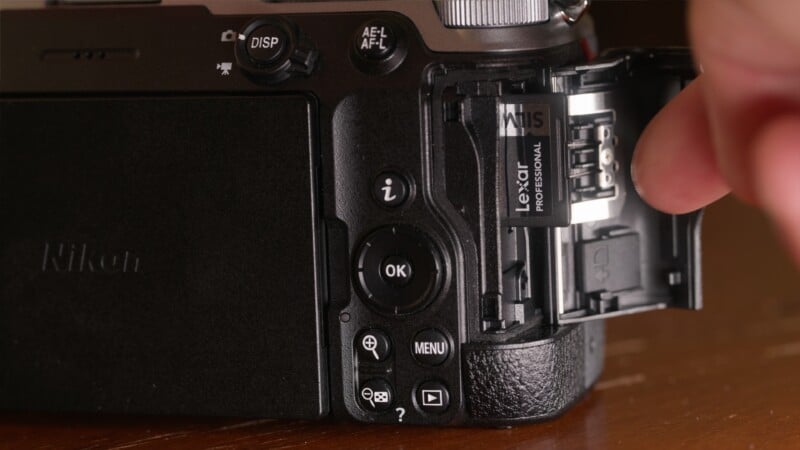
Powering the camera is Nikon’s venerable EN-EL15C battery, a staple across the brand’s full-frame mirrorless lineup. While it carries a conservative CIPA rating of 350 shots per charge, real-world usage easily doubled that figure. Storage duties, meanwhile, are handled by a single UHS-II SD card slot, a step down from the dual slots found on the Z5 II. While professional photographers who rely on redundant media workflows may view this as a drawback, it remains standard for this camera category.
The most contentious design choice remains the omission of the EVF. For photographers accustomed to composing and reviewing images through a viewfinder, relying entirely on the 3.2-inch fully articulating LCD screen requires a major adjustment. Compounding this challenge, Nikon significantly lowered the LCD’s resolution from 2.1 million dots on the Z5 II down to 1.04 million dots on the Z5 IIC. This drop in resolution was noticeable during casual shooting, making manual focus confirmation and critical image sharpness checks more demanding. On the positive side, the screen proved sufficiently bright to maintain visibility even under harsh, direct sunlight in Yosemite.
Despite these adjustments, core performance features remain intact. The in-body image stabilization (IBIS) system matches the higher-end models, offering up to 7.5 stops of compensation in the center and 7 stops at the edges. During field tests in a dark, fading sunset, the IBIS system successfully captured sharp images at focal lengths exceeding 200mm with slow shutter speeds ranging from 1/4 to 1/8 of a second, eliminating the need for a tripod in unexpected low-light scenarios.

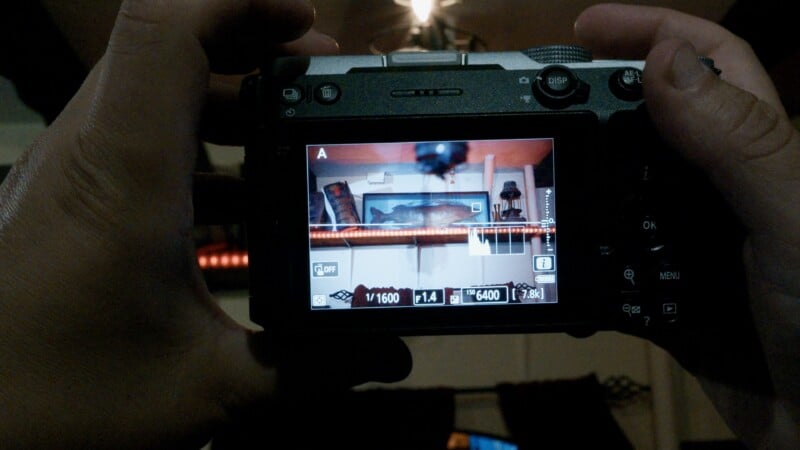
The autofocus system is equally robust, inheriting the advanced subject detection and 3D tracking capabilities of the Z5 II. Street photography sessions demonstrated that 3D tracking holds onto moving subjects tenaciously, while wildlife detection in Yosemite quickly identified animals even under Automatic Subject Detection mode. The camera also introduces a novel Fish Detection mode tailored specifically to this model; while impractical for fast-flowing rivers, it presents clear utility for aquarium photography.
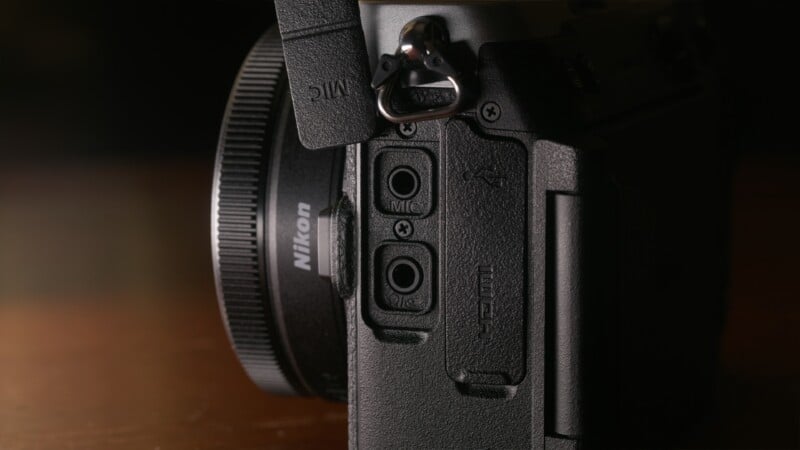
Burst shooting speeds remain competitive, offering up to 14 frames per second with the mechanical shutter for JPEGs, 11 frames per second for RAW files, and a blistering 30 frames per second using the electronic shutter. However, because the sensor readout speed is relatively slow, users must watch out for rolling shutter artifacts when shooting fast action with the electronic shutter. Additionally, for beginners daunted by complex manual settings, the Z5 IIC marks Nikon’s first full-frame camera to include dedicated Scene Modes designed for specific scenarios like portraits and landscapes.

Nikon Z5 IIC Review: How It Shoots
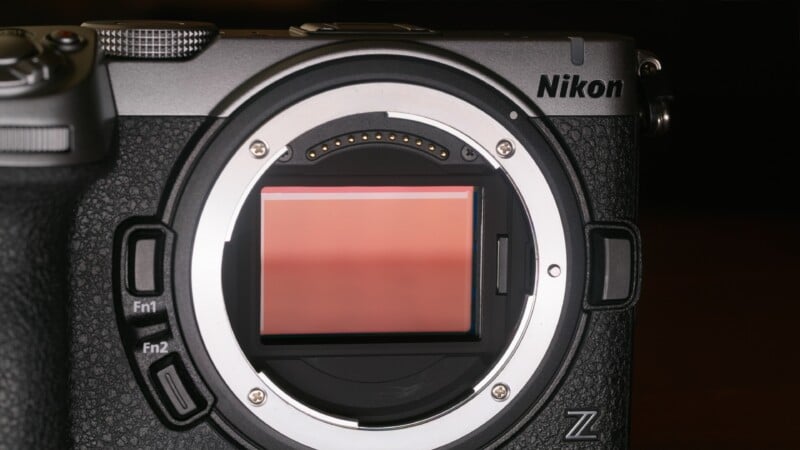
Under the hood, the Z5 IIC utilizes a sensor that has become ubiquitous across the industry over the past eight years, appearing in various full-frame models from Sony, Panasonic, Leica, Sigma, and Nikon. While familiar, this 24-megapixel sensor delivers dependable image quality, balancing solid low-light performance with broad dynamic range. For landscape photographers, the sensor retains a remarkable amount of shadow detail at base ISO 100, allowing users to lift dark areas in high-contrast scenes without introducing unmanageable noise.

JPEG output maintains Nikon’s reputation for pleasing color science, bolstered by built-in Picture Controls such as "Rich Tone Monochrome" and "Rich Tone Portrait." These profiles are easily accessible via a dedicated top-plate button and can be further customized and shared through Nikon’s companion software for mobile and desktop platforms.
Nikon Z5 IIC Review: Video Performance
Videographers will find that the Z5 IIC inherits nearly all the advanced video capabilities of the Z5 II. The camera records full-width oversampled 4K video at up to 30p, yielding clean, highly detailed footage even in challenging lighting conditions. Stepping up to 4K at 60p introduces an APS-C crop along with a corresponding dip in fine detail. Creators can shoot using standard Picture Controls or switch to Nikon’s N-Log profile to maximize dynamic range for grading in post-production.

Uniquely, the Z5 IIC supports internal RAW video recording to an SD card via the N-RAW profile. This format grants greater latitude for adjusting white balance and tint during editing, though testing revealed that the sampling method compromises sharpness and elevates noise levels, making it a questionable choice for most everyday workflows given the extra storage demands.
Where the camera truly shines for video is its dependable autofocus and effective IBIS, which combine to make run-and-gun shooting smooth and reliable without external stabilization or manual focus pulls. Nikon has also included professional monitoring tools such as histograms, waveforms, focus peaking, and detailed punch-in magnification. Furthermore, the inclusion of a front-facing tally lamp provides clear visual confirmation during recording runs.

Nikon Z5 IIC Review: Should This Camera Exist?
The fundamental question surrounding the Nikon Z5 IIC is whether the market truly needs a full-frame mirrorless camera without an electronic viewfinder. For traditional photographers who rely on an EVF for framing and reviewing images under varying light conditions, shooting with the Z5 IIC can prove frustrating, requiring constant shading of the LCD and frequent image magnification to verify focus. For these users, paying the extra $450 for the standard Z5 II is a worthwhile investment.

At the same time, a growing segment of creators rarely, if ever, use an EVF, as evidenced by the market success of compact alternatives like the Fujifilm X-M5 and Panasonic S9. For this audience, the Z5 IIC offers compelling value. The cost savings compared to the Z5 II leave room in the budget for premium glass, while the compromises made to reduce size and price remain relatively minor.

Are There Alternatives?
Existing Nikon shooters evaluating their options have several paths. The APS-C Nikon Z50 II ($999) features an EVF and ergonomic handling, though the full-frame sensor and IBIS of the Z5 IIC provide superior low-light capability. For those requiring a more traditional shooting experience, the Z5 II ($1,849) commands a higher price for its refined feature set.

Outside the Nikon ecosystem, Panasonic offers the compact Lumix S9 ($1,499), though Nikon’s inclusion of a mechanical shutter and flash sync gives it an edge for stills photography. While Canon and Sony do not currently offer direct new competitors in this exact price bracket, older models like the Canon R8 and Sony a7 III can be found at similar price points, both offering built-in electronic viewfinders for photographers who prefer traditional composition methods.

Should You Buy It?
Ultimately, the Nikon Z5 IIC is a niche tool tailored for creators who prioritize a compact, LCD-centric workflow over traditional viewfinder-based shooting. While it may not appeal to every photographer, its lower price tag and robust full-frame capabilities successfully broaden access to high-end sensor performance for a new segment of visual storytellers.