

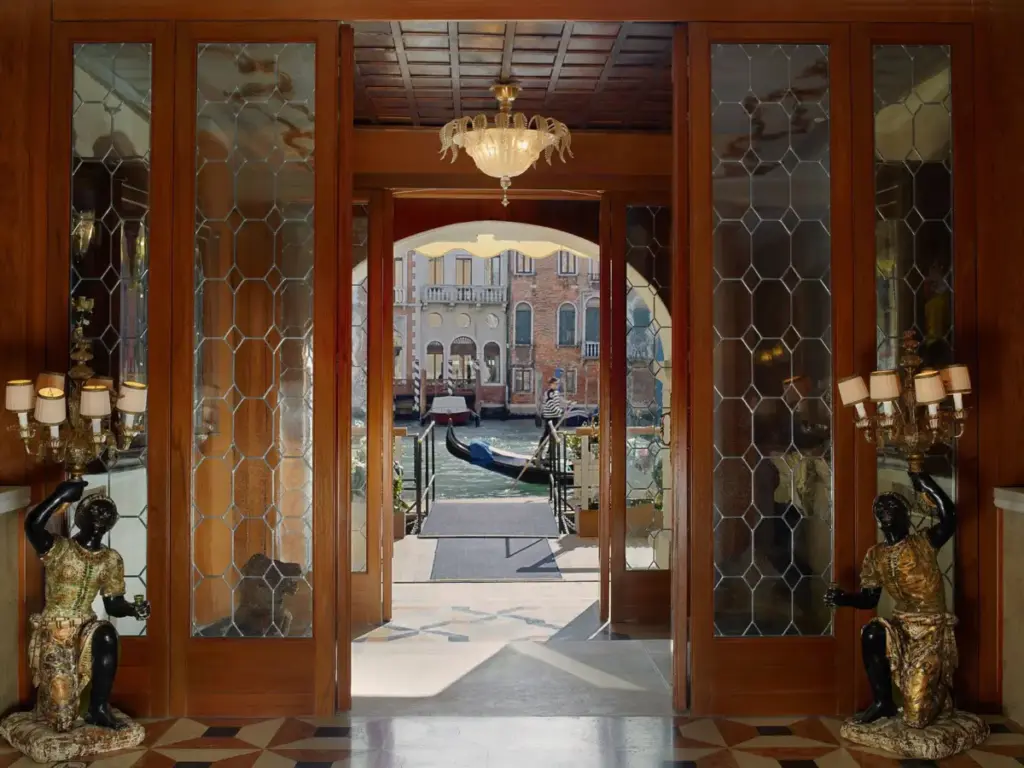
For better or for worse, this otherworldly aesthetic and timeless atmosphere continues to lure more than 20 million visitors to its historic shores each year. Comprising a sprawling archipelago crossed by roughly 150 canals and connected by over 400 bridges, Venice can feel at once magically cinematic and breathtakingly romantic, yet at the same time crushingly overrun by the sheer volume of global tourism. Navigating the peak daytime hours through the main thoroughfares often means shuffling shoulder-to-shoulder with thousands of fellow travelers, making the choice of where one sleeps at night a critical factor in defining the overall quality of a Venetian holiday.
As daylight fades and the evening hours settle in, Venice undergoes a remarkable transformation, revealing what many seasoned travelers consider its most tender and authentic side. La Serenissima truly lives up to its historical reputation as the most serene of cities, crooning a much softer, more introspective tune as the bustling crowds dissipate. During these quiet hours, the gentle lapping of water against ancient canal banks becomes the primary soundtrack, underscored by the fleeting, muffled hums of passing vaporetti—the city’s iconic water buses—while distant footsteps and low, resonant murmurs echo through the narrow calli, or pedestrian alleyways.
Guests staying near a major canal or residential waterway might occasionally awaken to the rhythmic thud of heavy packages and crates as delivery boats begin their early morning distribution rounds, bringing fresh goods to local merchants and hotels. Yet, even this industrial heartbeat of the lagoon city can feel remarkably soothing when experienced from the comfort of a well-appointed room. Deciding precisely where to sleep on nights like these requires a nuanced understanding of Venice’s distinct neighborhoods, known locally as sestieri, each offering a vastly different atmosphere, architectural style, and proximity to the city’s primary landmarks.
When evaluating where to stay within the historical center, many visitors naturally gravitate toward San Marco, the most famous and central of Venice’s six historic districts. San Marco serves as the beating heart of the city’s tourism industry, housing several of Venice’s most celebrated architectural and cultural treasures, including the magnificent Saint Mark’s Basilica, the historic Doge’s Palace, and the iconic Bridge of Sighs. Because it concentrates so many world-renowned attractions into a relatively small area, San Marco is invariably the busiest, most vibrant, and frequently congested part of the city throughout the regular tourist seasons.
However, travelers who prefer a strategic location without being entirely consumed by the main tourist throngs can find alternative options that balance accessibility with localized charm. For instance, while the Venice Venice Hotel lies securely within the central cluster of historic islands, it is perched distinctively at the outer edge of the Cannaregio district. This unique position places the property right where the Rio dei Santi Apostoli flows directly into the Grand Canal. Guests staying at this location need only cross the very first bridge on their left upon stepping out the front entrance to find themselves immediately immersed in a lively yet pleasantly calmer part of the city. In this neighborhood, afternoon and evening strolls often involve moving pleasantly against the tide of heavier crowds that are typically heading deeper inward toward the monuments of San Marco.
For travelers seeking a more pronounced escape from the primary tourist fray, opting for a hotel located in the quieter, more residential district of Dorsoduro offers an entirely different perspective of Venetian life. Properties such as Il Palazzo Experimental, situated strategically at the eastern end of Le Zattere, provide a sophisticated base in an area that has steadily evolved into a vibrant residential neighborhood and an increasingly popular culinary hub for authentic local restaurants and wine bars. Similarly removed from the intense daily congestion is Ca’ di Dio, a refined property resting gracefully on a scenic stretch of waterfront promenade near the grand entrance to the historic Arsenale, which serves as the central hub for the prestigious Venice Biennale art and architecture exhibitions, and sits just a short, pleasant walk away from the tranquil Biennale gardens.
Those in search of a genuine, uninterrupted reprieve from the urban energy of the main islands often look toward the outer islands of the Venetian lagoon. The island of Giudecca, positioned just across the wide expanse of the Giudecca Canal opposite the historical center, offers a distinct sense of separation while remaining easily accessible by water transport. It is here that travelers find the legendary Hotel Cipriani, A Belmond Hotel, an establishment long celebrated for its secluded luxury and expansive private gardens. Further out in the lagoon on the tranquil shores of the Isola delle Rose, the JW Marriott Venice Resort & Spa presents an even more isolated, resort-style luxury escape designed for complete relaxation. Meanwhile, across the lagoon near the northern extremes, Casa Burano brings intimate boutique charm directly to the brightly painted, picturesque fishermen’s houses of Burano island, offering an immersion into a slower, deeply traditional pace of island life.
Selecting the right accommodation among these diverse options involves careful consideration of design, historical context, localized service standards, and environmental sustainability. Major travel publications and industry experts routinely evaluate these properties by deploying knowledgeable journalists and editors who have deep familiarity with the destination and have personally inspected the accommodations. Their evaluations weigh properties across a broad spectrum of price points, ensuring that travelers are guided toward locations capable of delivering an authentic, insider-level experience of Venice while maintaining rigorous standards in hospitality and architectural preservation. As Venice continues to adapt to the complex challenges of modern tourism, preserving the integrity of its historic hospitality remains paramount for travelers seeking to experience the timeless magic of the City of Water.