

For generations, the standard American lunch box has relied on a familiar, comforting, yet often uninspired staple: the traditional mayonnaise-laden tuna salad. Characterized by its stiff, scoopable consistency typically found behind a deli counter, this classic combination of flaked canned fish and heavy condiments has long served as a quick midday meal. However, culinary trends are shifting away from heavy, creamy dressings toward brighter, bolder, and more vibrant flavor profiles. A fresh take on the humble sandwich filling is currently capturing the attention of home cooks and food writers alike, offering a sophisticated, Mediterranean-inspired alternative that completely eliminates mayonnaise in favor of rich olive oil, bright acids, and crisp vegetables.
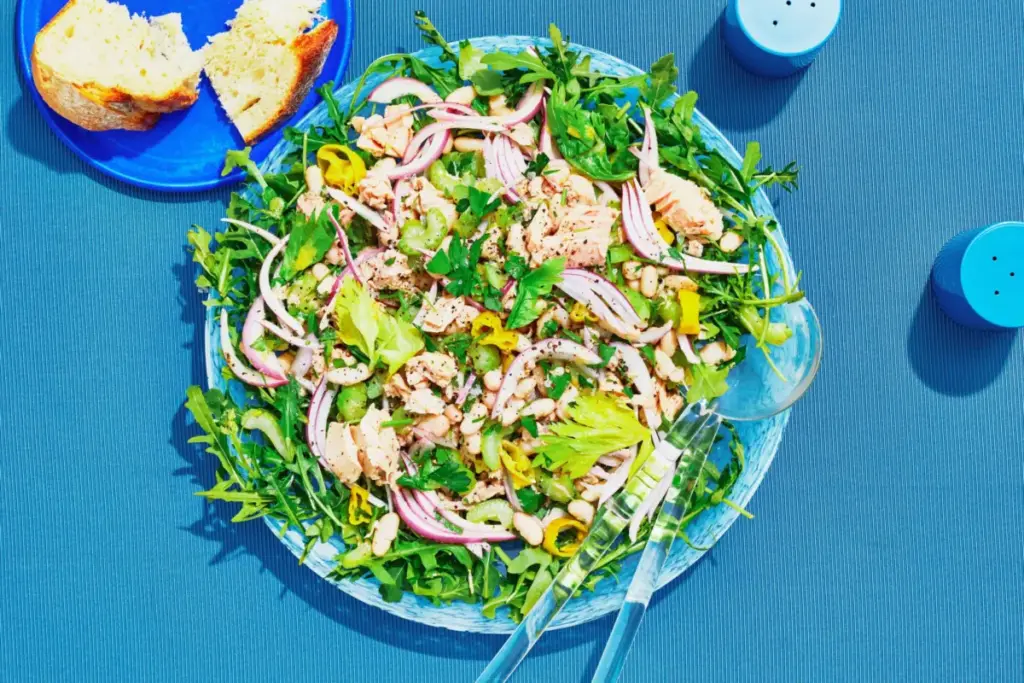
This newly popularized iteration draws its inspiration directly from Italian-style tuna preparations. Rather than mashing the fish into a uniform, heavy paste, this method preserves the integrity of the ingredients by keeping the fish in just-broken-up fillets. These tender pieces of seafood are then tossed in a lively, punchy vinaigrette alongside fresh herbs and crunchy celery, transforming a mundane weekday lunch into a dish with dynamic textures and robust flavors. To give the dish the necessary heft to stand alone as a complete meal, the recipe incorporates a can of protein-rich white beans, such as cannellini or chickpeas, while introducing a peppery or bitter element through greens like arugula or hardy chicories like radicchio.
Achieving the ideal texture for this Mediterranean-inspired dish requires careful attention to the initial ingredients, starting with the selection of the fish itself. Culinary experts emphasize that for the silkiest mouthfeel and optimal flavor, one must use tuna packed strictly in olive oil rather than water. Water-packed varieties tend to yield a drier, more muted taste that fails to absorb the vibrant components of the accompanying vinaigrette. When paired with the right packing liquid, the fish readily embraces the sharp, tangy elements of the dressing, creating a harmonious blend that feels both indulgent and remarkably fresh.
Beyond its superior flavor and texture profile, this modernized tuna salad offers practical advantages for meal preparation and weekly scheduling. One of the primary pitfalls of traditional mayonnaise-based salads is their tendency to become soggy or unappealing after just a day or two in the refrigerator. In contrast, this oil-and-acid-based preparation is engineered for longevity. By storing the dressed tuna mixture and the fresh greens in separate containers, home cooks can ensure that the dish maintains its sharp, punchy character throughout the entire work week. The flavors actually deepen over time as the red onions, peperoncini, lemon zest, and herbs meld together in the refrigerator, making the leftovers just as appealing as the initial batch.
The logistical approach to packing this meal for work or school has also been streamlined for maximum convenience and minimal mess. To transport the dish without wilting the delicate greens, a simple layering method is recommended. The process begins by scooping the robust tuna, bean, and celery mixture into the bottom of a portable container. The fresh greens are then placed directly on top of the mixture as a protective layer, and the container is sealed and refrigerated until the mealtime arrives. When it is finally time to eat, the user simply needs to shake the container vigorously or invert it entirely onto a plate. This action allows the bright vinaigrette from the bottom of the container to naturally dress the greens at the exact moment of consumption, ensuring a crisp, perfectly dressed salad every time.
This movement away from heavy condiments is part of a broader culinary trend that continues to gain traction across contemporary recipes. Food enthusiasts looking to expand their repertoire of vibrant, dressing-free midday meals have increasingly turned to creative alternatives that rely on pantry staples and fresh produce. Similar innovations in this space include creamy tahini-based chicken salads that substitute sesame paste for mayonnaise, tangy potato salads elevated with dill pickles rather than heavy creams, and chopped salads featuring sustainable tinned fish paired with bold additions like sardines and preserved lemon. These diverse dishes reflect a growing consumer appetite for tinned fish and pantry-driven cooking that prioritizes intense, clean flavors over heavy dressings.
At the heart of this specific recipe is a meticulously balanced blend of aromatics, acids, and fats designed to awaken the palate. The foundation of the vinaigrette begins with thinly sliced small red onions and peperoncini, which provide a sharp, pickled bite and a mild, welcoming heat. This is complemented by the addition of peperoncini brine, finely grated lemon zest, and fresh lemon juice, ensuring a bright citrus note that cuts through the richness of the oil-packed fish. A tablespoon of Dijon mustard acts as a natural emulsifier, bringing the extra-virgin olive oil together with the citrus juices while adding a subtle, savory depth. Kosher salt and freshly ground black pepper round out the seasoning, establishing a well-rounded baseline that prepares the palate for the main ingredients.
The bulk of the salad is constructed from two small jars or cans of high-quality oil-packed tuna, gently drained to remove excess oil while retaining enough moisture to keep the fish tender. To this, cooks add thinly sliced celery stalks, making use of any delicate celery leaves for an extra layer of herbaceous flavor. The introduction of a standard fifteen-ounce can of rinsed white beans, such as cannellini or chickpeas, transforms the fish from a simple sandwich topping into a substantial, filling dish rich in fiber and plant-based protein. A generous cup of coarsely chopped parsley ties the various elements together with a burst of fresh green color and grassy flavor, balancing the heat of the peppers and the sharpness of the lemon.
Serving suggestions for the dish emphasize versatility, allowing it to transition effortlessly from a plated meal to a casual handheld lunch. The assembled salad pairs exceptionally well with tender, bitter, or peppery greens such as arugula, radicchio, or crisp varieties of lettuce, which provide a necessary textural contrast to the soft beans and flaky fish. Alongside these greens, rustic country-style bread is often served, offering a sturdy vehicle for scooping up the vibrant mixture or serving as the base for an open-faced sandwich. Whether enjoyed hastily during a busy workday lunch break or served as a relaxed, Mediterranean-inspired weekend meal, this modernized approach to canned seafood demonstrates how classic ingredients can be successfully revitalized through thoughtful flavor pairings and a departure from traditional techniques.