


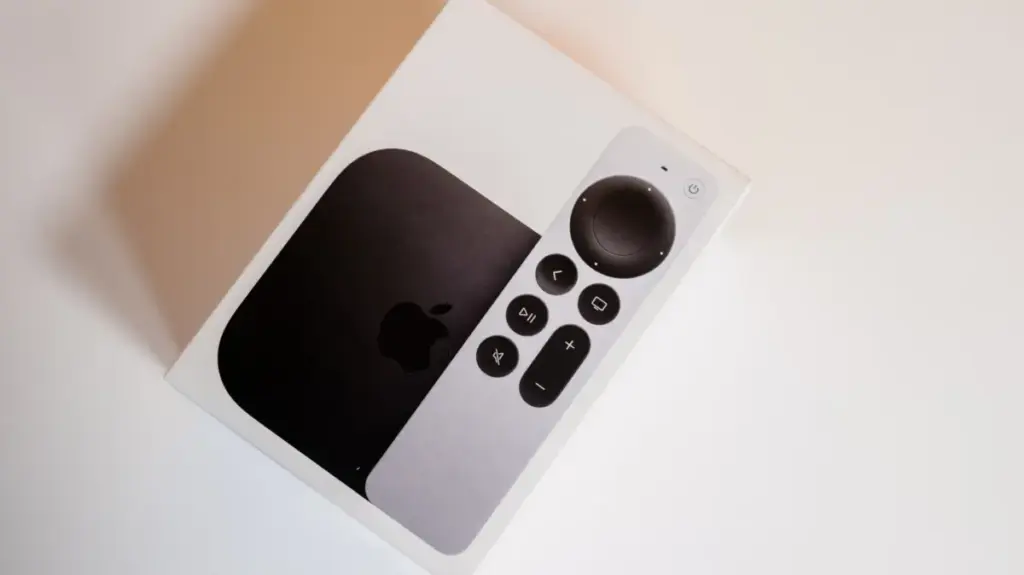
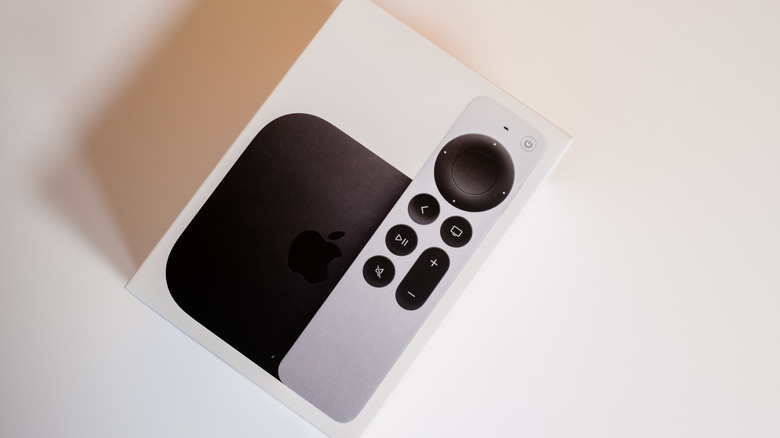
At $299, the new Apple TV 4K is a significant investment for a compact streaming device that sits quietly beneath your television, waiting for you to select an evening movie or your favorite streaming series. Launching on November 13, the fourth-generation model arrives equipped with a powerful A19 chip, a refined Siri Remote, and hands-free Siri controls. For that price tag, buyers naturally begin to wonder how many years of service they can expect to squeeze out of the device before technological progress beckons them toward another costly upgrade.
Apple notoriously avoids making explicit guarantees regarding how many years of operating system updates—known as tvOS—its streaming boxes will receive, nor does the company publish a concrete timeline for official hardware support. However, examining the historical lifecycle of previous Apple TV generations offers a remarkably clear indicator of what consumers can expect. Historically, older Apple TV models have enjoyed major software updates spanning anywhere from eight to 10 years, followed by periodic security patches that extend far beyond that primary software window. While the physical hardware frequently continues to function seamlessly long after official support ceases, software evolution and changing app compatibility standards remain the most common catalysts for eventual hardware replacement.
How long does Apple support an Apple TV for?
To understand the trajectory of the newest hardware, one must look at the lifespan of its predecessors. The Apple TV HD made its debut back in 2015, while the original Apple TV 4K followed in 2017. Remarkably, both of these legacy models continued to receive major firmware updates right up through tvOS 26 in 2025. Furthermore, Apple extended security patches to these older architectures as recently as July 2026 with the release of tvOS 26.6. That translates to an impressive 10 years of major software updates for the Apple TV HD and eight years for the original 4K model, supplemented by crucial security maintenance.
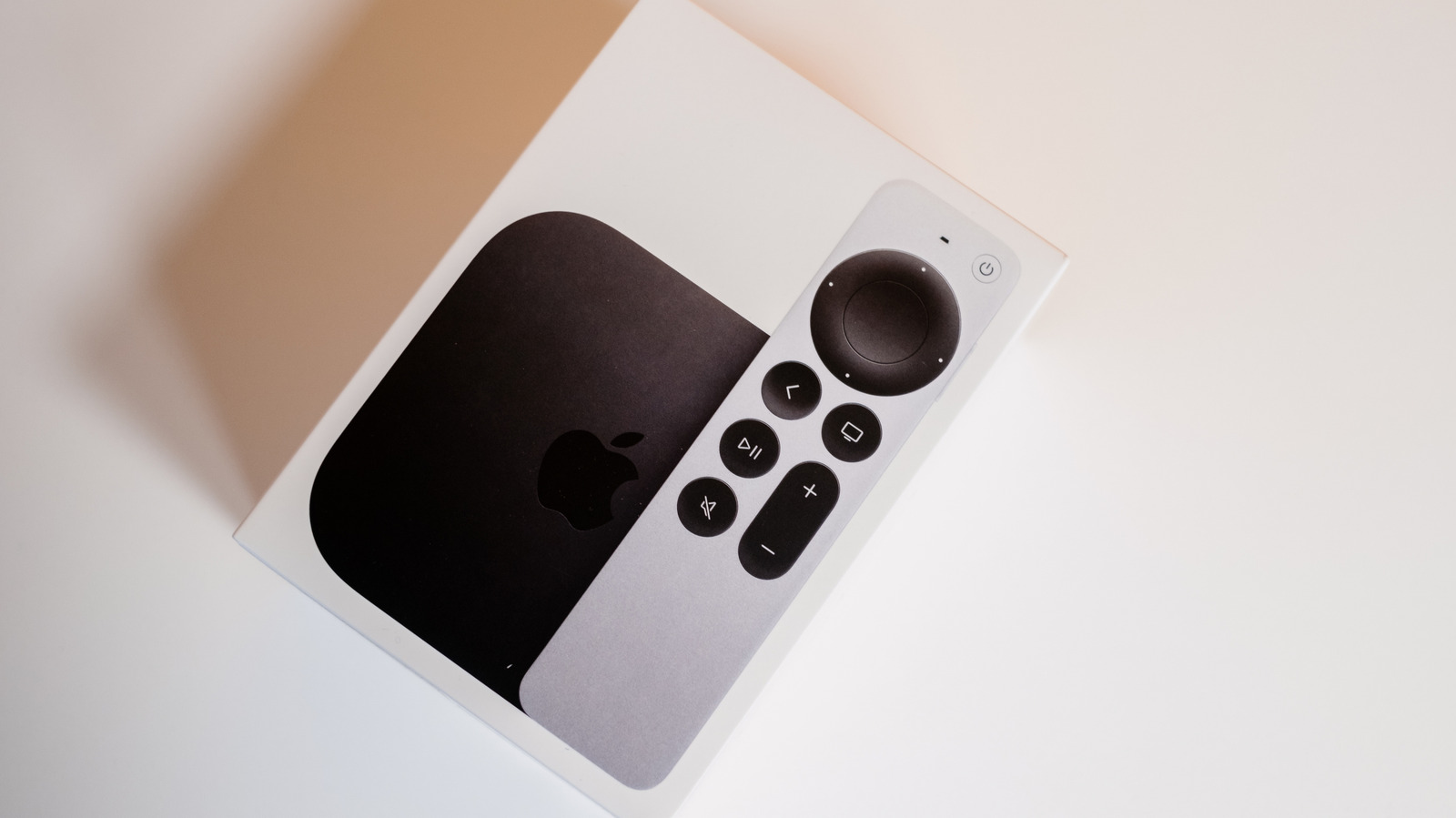
That extraordinary support streak finally drew to a line in September 2026 with the rollout of tvOS 27. According to Apple’s official tvOS compatibility documentation, the operating system’s support list now begins exclusively with the second-generation Apple TV 4K released in 2021. Consequently, the 2015 HD and 2017 first-generation 4K boxes are officially excluded from running the latest operating system iteration. At the time of writing, Apple has not confirmed whether these older boxes will continue to receive standalone security patches moving forward.
This historical precedent, however, does not constitute a formal guarantee that the newest Apple TV 4K will automatically secure a full decade of software backing. Because Apple declines to provide a prospective estimate regarding the lifespan of its tvOS support lifecycle, consumers must rely on past behavior as their primary yardstick.
The lack of a published timeline stands in notable contrast to competitor offerings in the streaming market. Amazon, for instance, explicitly promises at least four years of dedicated security updates for Fire TV devices purchased new directly from the company, or calculated through the specific model’s published support cutoff date if it occurs later. While a security update guarantee is not identical to a major operating system upgrade, Fire TV consumers at least benefit from having a concrete, minimum support deadline explicitly set down in writing.
When should you actually replace your Apple TV?
Finding out that your streaming device is no longer eligible for the newest version of tvOS can feel discouraging, but it certainly does not transform an expensive living room accessory into an unusable paperweight overnight. For instance, major streaming applications like Netflix continue to support both the Apple TV HD and the first-generation Apple TV 4K, even though neither device can make the jump to tvOS 27. Naturally, that compatibility landscape remains dynamic; as third-party developers inevitably raise their minimum software requirements over time, older hardware may eventually encounter hurdles when attempting to install or update specific applications.
Evaluating the longevity of an Apple TV is often more productive when approached through a performance lens rather than a purely chronological one. When navigation menus begin to feel sluggish, applications experience frequent crashes, or a preferred streaming service drops support entirely, an upgrade transitions from a luxury to a practical necessity. Security considerations also demand attention, particularly if the Apple TV serves as an active smart home hub within a household ecosystem and stops receiving vital system patches.
Opting for an upgrade becomes a much more complex financial decision when considering that the newest iteration carries a $299 price tag. Fortunately, Apple’s upcoming Siri AI beta functionality will be rolling out to the second-generation Apple TV 4K and newer models—provided that the designated home administrator maintains an Apple Intelligence-compatible iPhone or iPad. This means users do not necessarily need to purchase the absolute newest hardware tier purely to access upcoming AI-driven Siri enhancements.
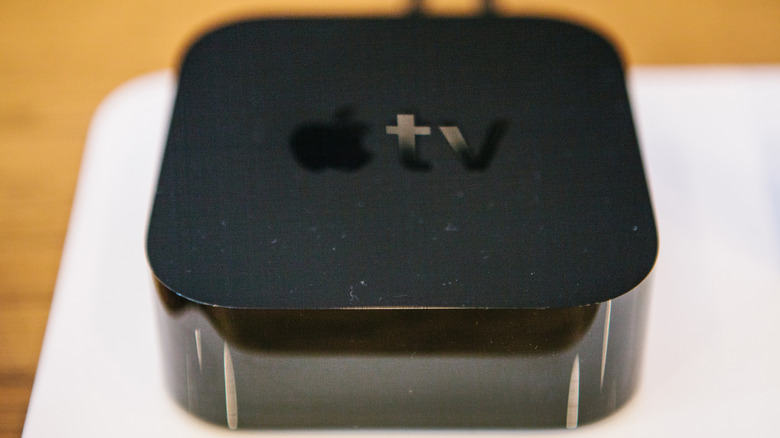
While the 2026 Apple TV 4K introduces substantial upgrades over the 2022 version—including a faster A19 processor and integrated microphones designed explicitly for hands-free voice commands—it represents a significant financial commitment for households that are otherwise fully satisfied with their existing streaming setup.
Similar considerations apply to everyday accessories, such as the elusive Siri Remote that frequently slips between couch cushions. Should a remote become permanently lost or suffer hardware failure, users can easily bypass a costly total system replacement by utilizing an iPhone as an intuitive virtual TV remote. Furthermore, Apple continues to sell the standalone Siri Remote as a separate accessory priced at $59, and this latest remote design maintains full compatibility with all previous Apple TV 4K models as well as the legacy 2015 Apple TV HD.