



Modern lens manufacturing relies heavily on advanced computers, complex digital simulations, and cutting-edge glass-making and molding techniques. The resulting photographic glass is impeccably sharp, remarkably consistent, and engineered to optical perfection. Yet, there remains a profound appreciation for the character of old lenses, and a classic Nikon manufacturing video from 1966 offers a captivating look back at a much simpler, highly tactile era of optical engineering.
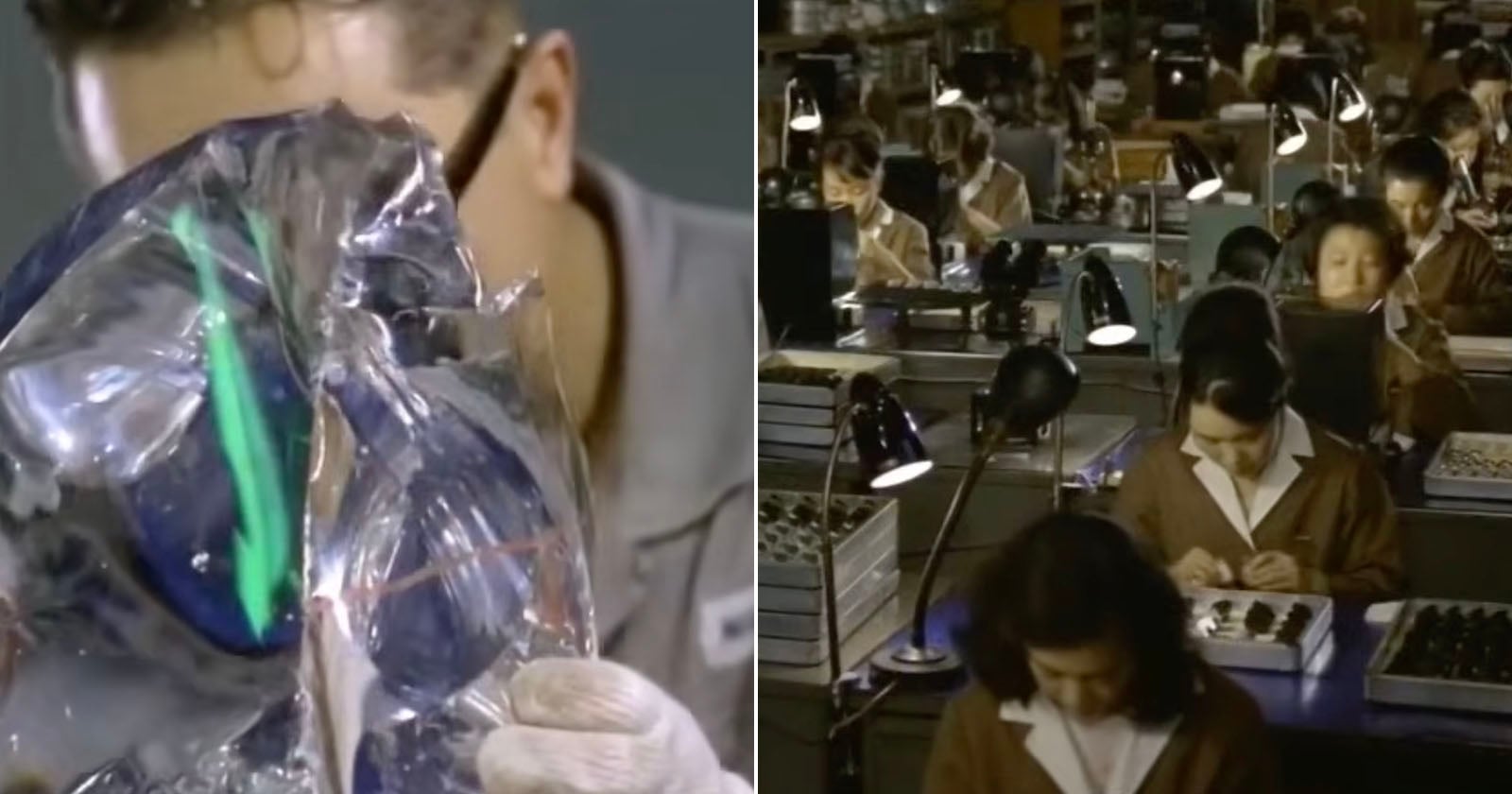
In the six decades since Nikon—then operating as Nippon Kogaku Kogyo—teamed up with Tokyo Cinema to produce an award-winning documentary, as reported by Digital Camera Life, virtually every aspect of optical and camera production has undergone a massive transformation. However, one fundamental truth remains unchanged: high-performance lenses are still built around precisely designed glass elements. Even in contemporary manufacturing facilities, certain specialized glass elements are still shaped by hand, though automation has steadily claimed a larger share of the process over the years.
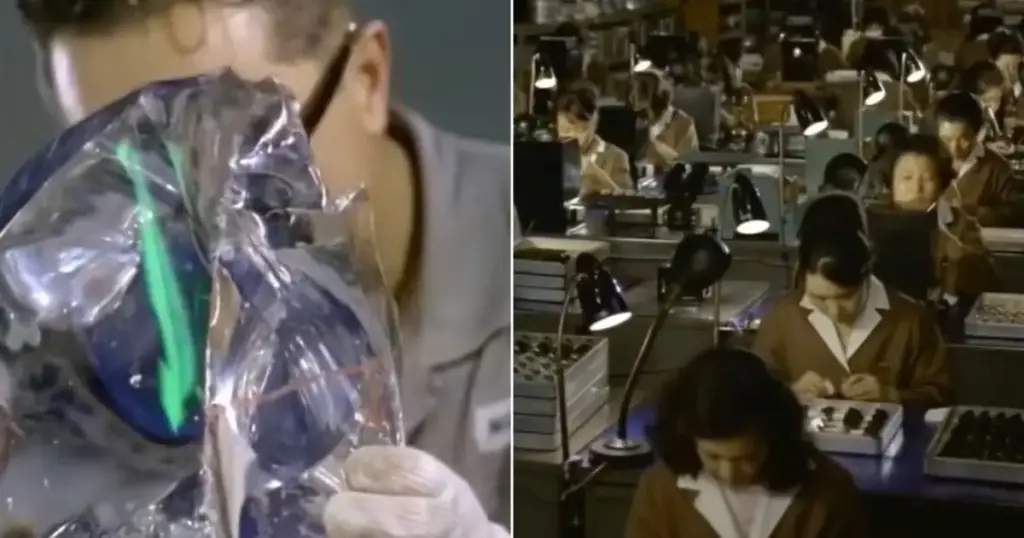
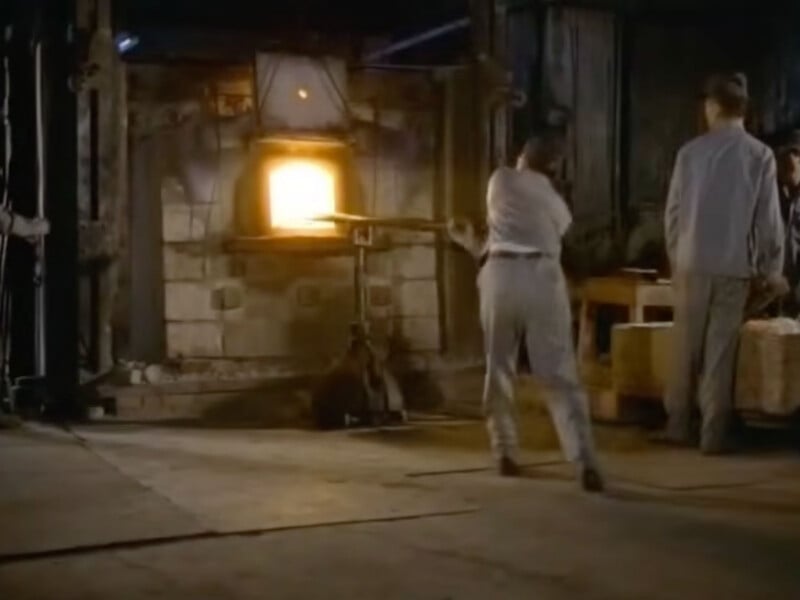
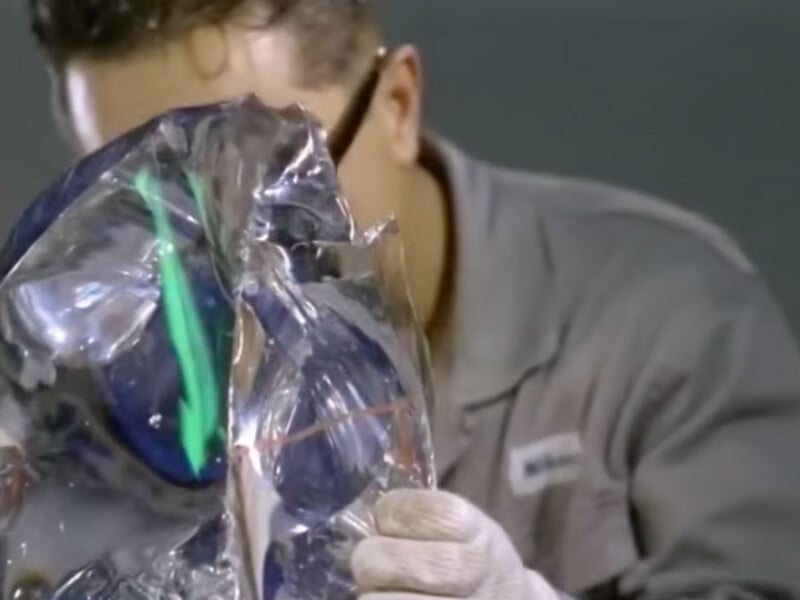
Looking back to 1966, the production pipeline looked drastically different. Nikon engineers routinely broke chunks of optical glass away from massive blocks formed inside super-heated industrial crucibles. These batches relied on high-quality silica sand combined with over a dozen other raw materials to achieve the desired refractive indices and dispersion properties. Once extracted, this in-house glass was superheated yet again, formed using heavy industrial presses, and subsequently polished and finished by hand. This painstaking manual labor achieved precision tolerances down to just a couple of micrometers—equivalent to a fraction of a thousandth of a millimeter—requiring immense skill and steady hands from the factory workers.
Once the individual glass elements passed rigorous quality control, they had to be placed with extreme care into their respective lens barrels. This assembly phase demanded just as much precision as the polishing stage. Even a tiny, virtually imperceptible alignment error during barrel construction could completely compromise the optical alignment, utterly ruining the final image quality and rendering the lens unusable.
Nikon may have manufactured its glass and barrels through vastly different methods in the 1960s compared to today, but that historical shift does not diminish the desirability of vintage glass. In fact, a dedicated community of contemporary photographers, and particularly cinematographers, actively covet these classic 60-year-old Nikon lenses. They seek them out because they deliver a distinct aesthetic—sharp yet full of organic character, complete with dynamic, flare-heavy optical traits that modern, hyper-corrected lens designs have all but eliminated. In the world of visual storytelling, a touch of optical imperfection is frequently what makes a vintage lens the absolute perfect creative choice.
While the celebrated 1966 documentary, titled The Eye of Science, focuses primarily on the intricate science of lens technology, it also provides a rare behind-the-scenes glimpse into broader camera manufacturing of the era. Viewers are treated to sequences showing Nikon engineers carefully assembling iconic camera bodies such as the Nikon F and the Nikon F Photomic T. Each of these mechanical marvels required more than 1,000 individual parts, meticulously fitted together by hand. Remarkably, many of these vintage cameras have survived the decades and remain fully operational, still regularly used by analog photography enthusiasts today. It sparks a fascinating question about modern technology: whether digital cameras manufactured today will command the same functional longevity and cultural reverence eight decades from now.
The original 1966 documentary stands as an important historical record of an industrial craft that bridged post-war manufacturing techniques with the modern consumer camera boom. Winning the Japan Industrial Film Contest Encouragement Award in 1967, The Eye of Science captured an inflection point in photographic history. As optical engineering continues to push boundaries into the digital age, revisiting these archival materials reminds the photographic community of the immense human labor, patience, and craftsmanship that went into building the tools of visual history.