

Published November 1, 2026 03:10AM
For outdoor enthusiasts who spend their weekends chasing trailheads and mountain passes, the iconic adventuremobile holds an undeniable allure. Whether it is a heavily kitted-out Land Cruiser or a custom-built Sprinter van, these vehicles have long served as the ultimate symbols of backcountry freedom. They look distinctive, instantly grant their drivers a certain level of outdoor credibility, and, most importantly, provide the ability to roam without the administrative headache of scouting campsites or pitching tents in the dark. Behind the wheel of a proper adventure rig, a traveler can venture deep into the unknown and, when fatigue finally sets in, simply pull off to the side of the road for a fully prone night of sleep without ever stepping a foot outside.
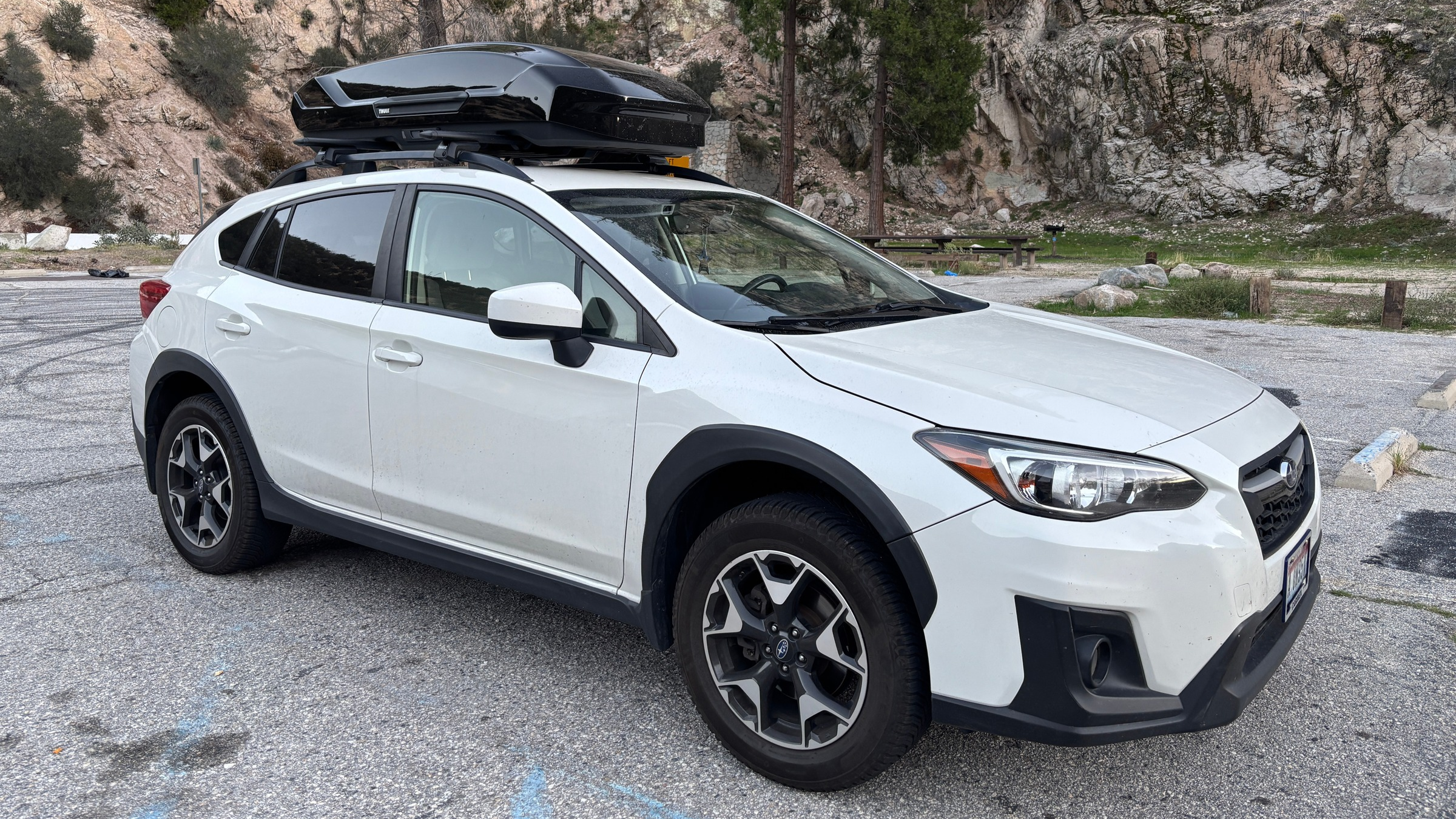
Even for those who plan their itineraries carefully rather than pulling over at the last minute, these specialized rigs function as comfortable, spacious home bases. They make ideal shelters for drive-in campsites, serve as cozy spots to rest before an early morning race, and provide reliable transport for cross-country road trips to far-flung national parks. Yet, despite their versatility, these vehicles come with a major drawback: they are often prohibitively expensive to purchase and maintain. Furthermore, they rarely function well as practical daily drivers in urban environments and can be mechanically complex to keep running smoothly. For many drivers, the idea of sleeping comfortably inside a personal vehicle has always felt like an unattainable luxury—until recently.
Earlier this year, the landscape of personal vehicle camping shifted for many drivers looking for a more accessible alternative to dedicated camper vans. Choosing a compact, highly capable crossover offers a practical middle ground, combining competent handling on unpaved dirt roads with respectable fuel economy for city commuting. Vehicles like the Subaru Crosstrek, Toyota RAV4, and similar smaller utility models have become popular choices for drivers who need a daily commuter for congested city streets like those in Los Angeles, but still want the flexibility to escape off the beaten path for a weekend road trip to Mammoth or an extended exploration of the American West. The primary question for many of these new owners is whether such a compact footprint can genuinely be transformed into a comfortable sleeping space for overnight adventures.
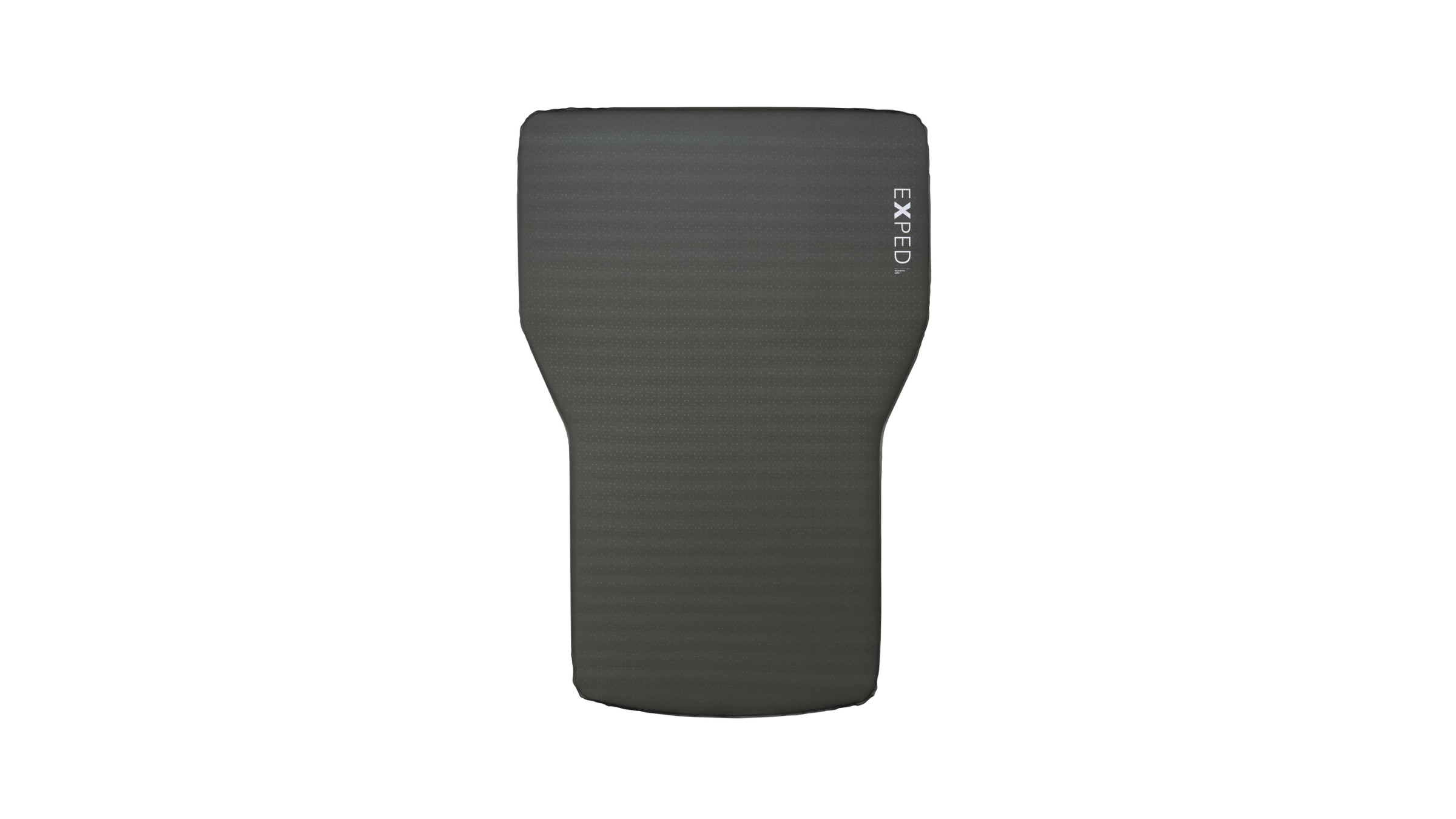
With a bit of research and the integration of a few key pieces of car camping gear, it is entirely possible to sleep comfortably in the back of a compact crossover. For individuals of average height, stretching out completely flat requires no awkward scrunching or squishing. Surprisingly, even two people can share the rear cargo area much more easily than anticipated, rivaling the interior volume of a standard two- or three-person tent. Modern automotive accessories, including car-specific sleeping pads, easily accessible roof cargo boxes, and custom organization tools, have turned sleeping in the back of a hatchback from a makeshift emergency measure into a genuinely comfortable experience.
Developing a streamlined setup for a small vehicle does not require a massive financial investment or permanent vehicle modifications. A handful of well-chosen essentials can transform almost any compact car into a viable shelter for weekend getaways, proving that van life is not the only way to enjoy the open road.
Compact Car Camping Essentials: At a Glance
Best Car Camping Mattress: Exped MegaMat Auto
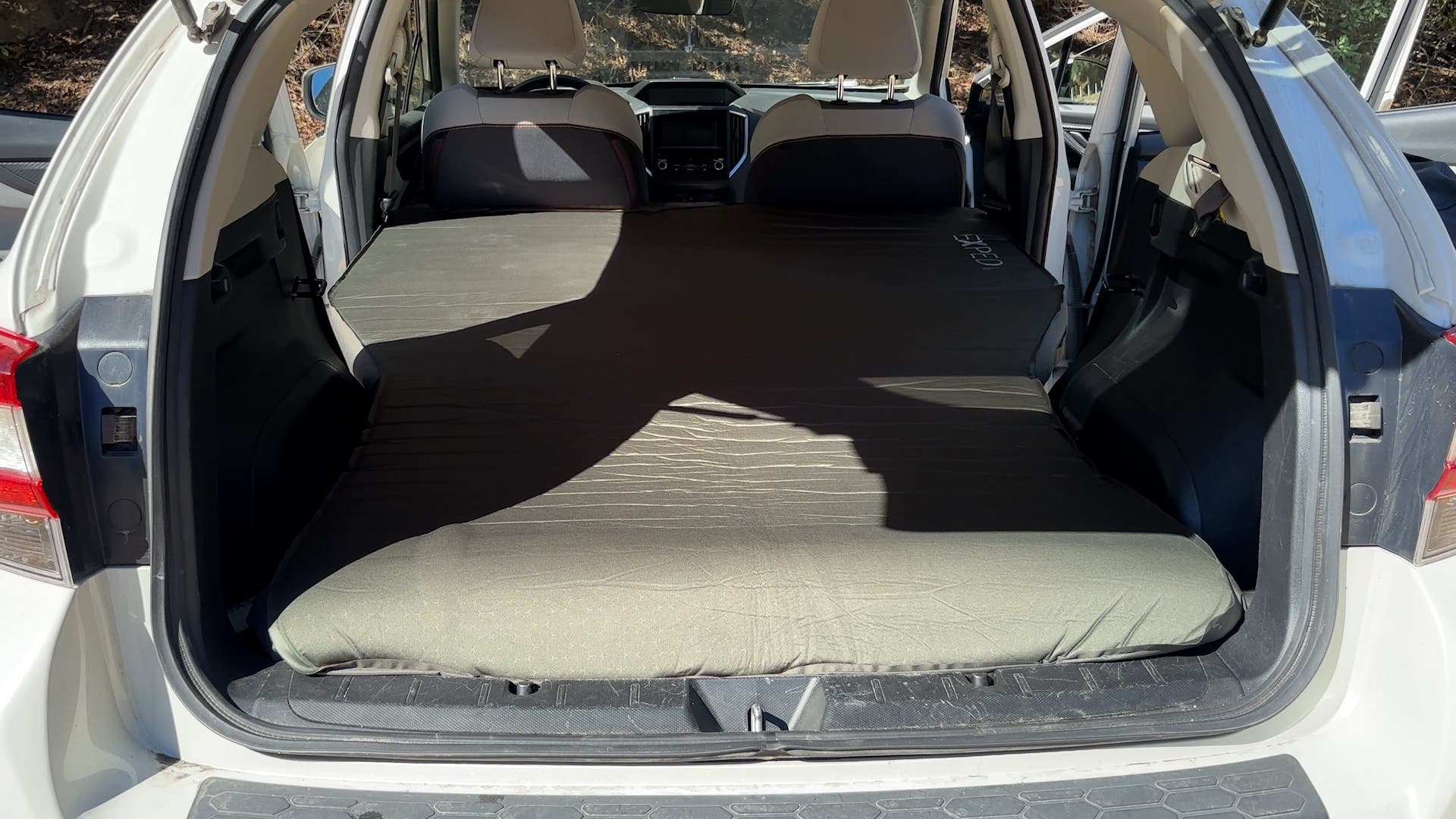
If there is a single piece of equipment that defines a successful car camping setup, it is a high-quality mattress designed specifically for automotive use. The Exped MegaMat Auto has quickly established itself as a premier choice for this application. Many campers first encounter the brand through the original MegaMat, which is frequently deployed as a comfortable guest bed in traditional homes. Skepticism regarding whether an inflatable camping mattress could rival a standard home bed is common, but the design consistently delivers a restful night of sleep. When the manufacturer introduced a version contoured specifically for automobiles, it immediately caught the attention of mobile campers.
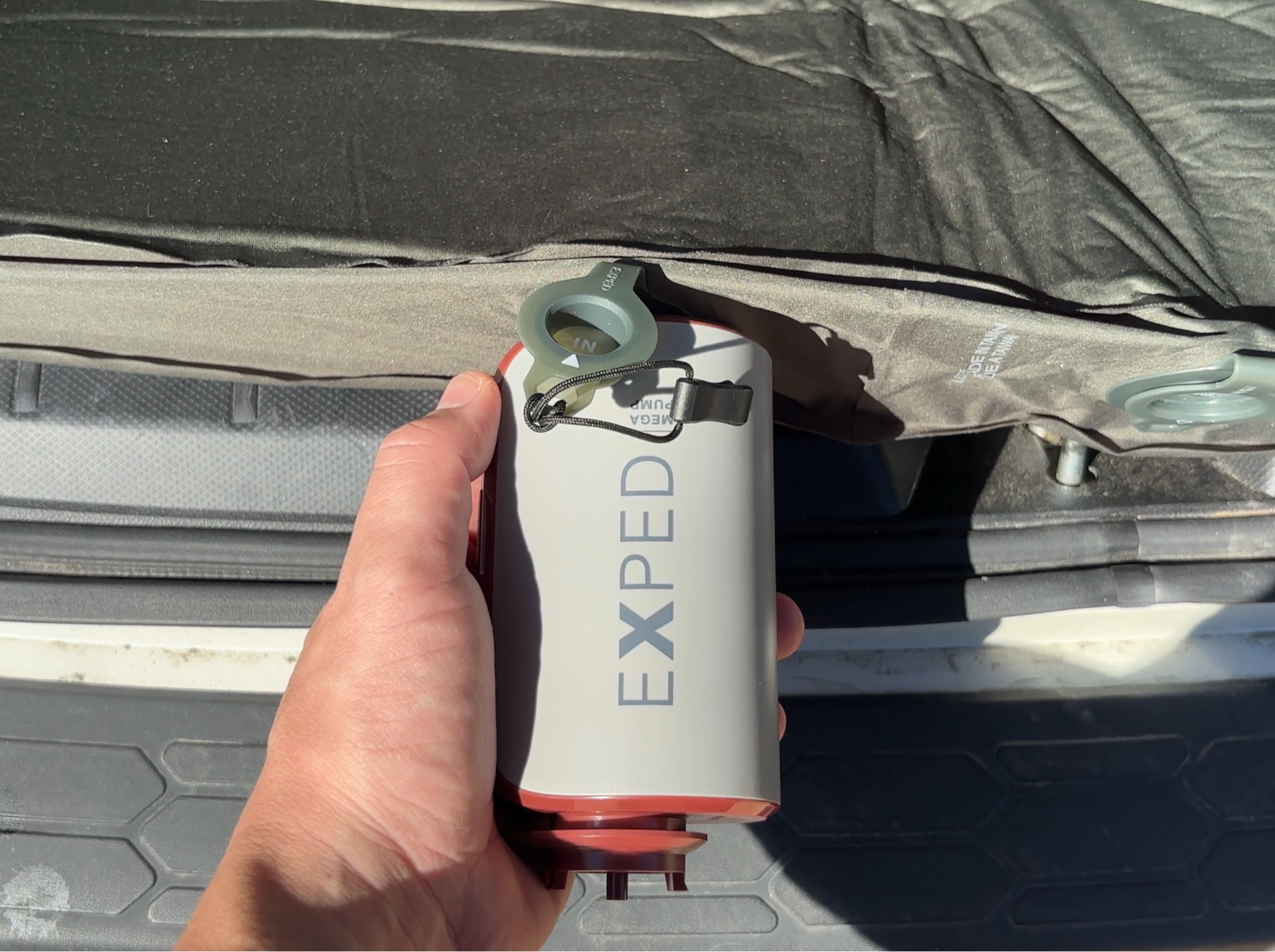
The mattress fits snugly inside compact crossovers with both front seats pushed fully forward, maximizing the available length while providing enough width for a solo sleeper or a pair of campers. Inflation is remarkably fast, particularly when paired with a compact hand pump that tops off the air chambers in under two minutes. Beyond its utility on the road, the mattress doubles as a reliable spare bed for houseguests at home. Campers looking for an extra layer of luxury can also incorporate a specialized wool-blend cover designed to fit the contours of the auto mattress.
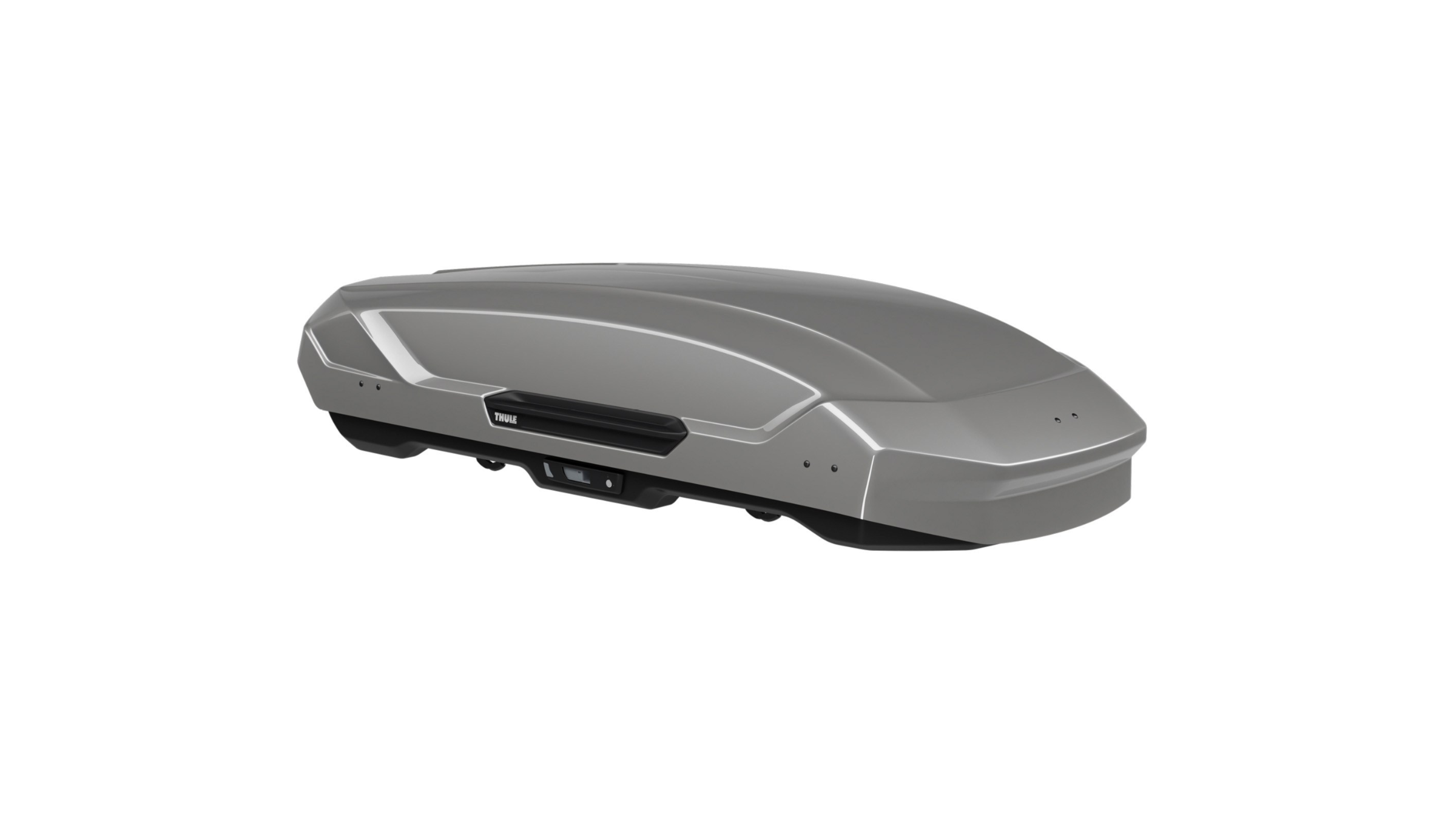
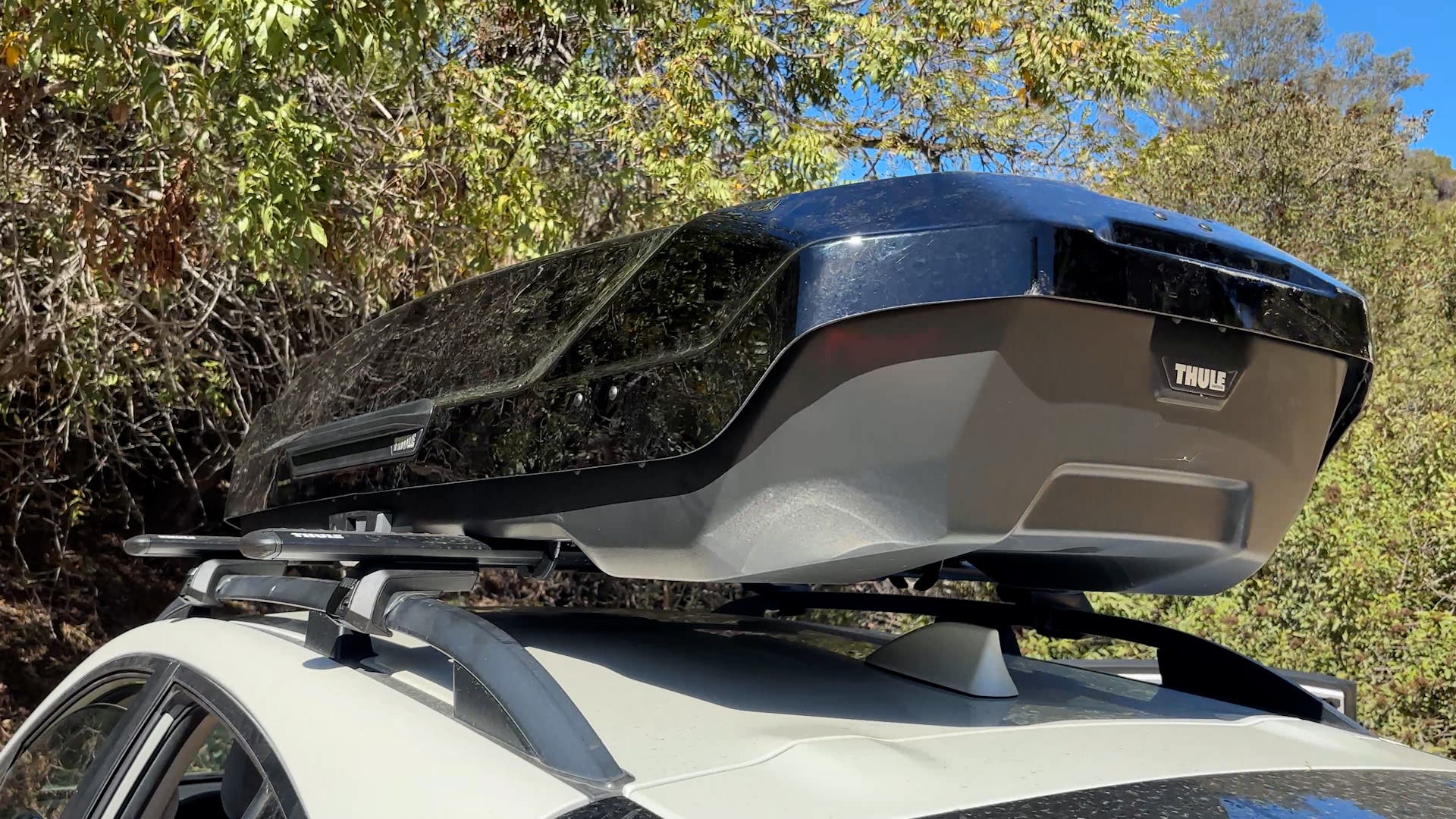
Best Roof Box: Thule Motion 3 Roof Box
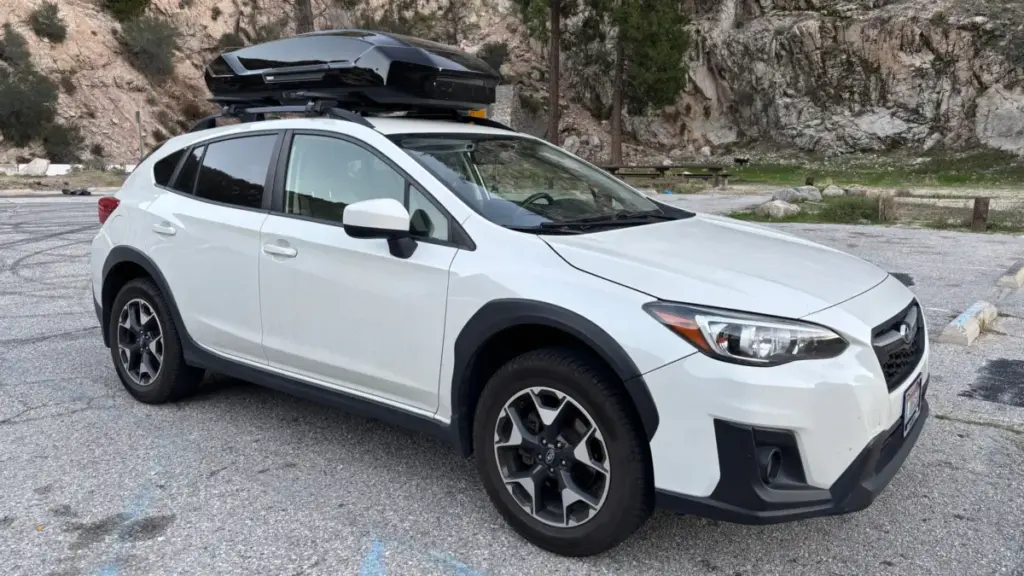
When square footage inside a compact cabin is at an absolute premium, utilizing exterior storage becomes essential. While campers can theoretically pile gear from the trunk onto the front seats during the night, doing so eliminates interior organization space and makes midnight adjustments difficult. Utilizing a rooftop cargo box allows travelers to store their bulky sleeping gear securely while driving, and then swap items around so that auxiliary gear can go up top overnight.
The Thule Motion 3 offers a sleek, aerodynamic profile in a durable black finish that integrates cleanly with the roofline of a compact crossover. The enclosure opens smoothly from either side, which is particularly useful on smaller vehicles because the box can be centered on the roof rails while remaining easily accessible from either the driver or passenger side. The large size fits the roof length of a typical compact SUV perfectly. While the unit is light enough for a single person to mount or remove, having a second set of hands simplifies the process. The mounting hardware clamps securely onto crossbars without fuss, and pairing the system with durable, versatile load bars ensures a stable platform that can remain on the vehicle year-round.
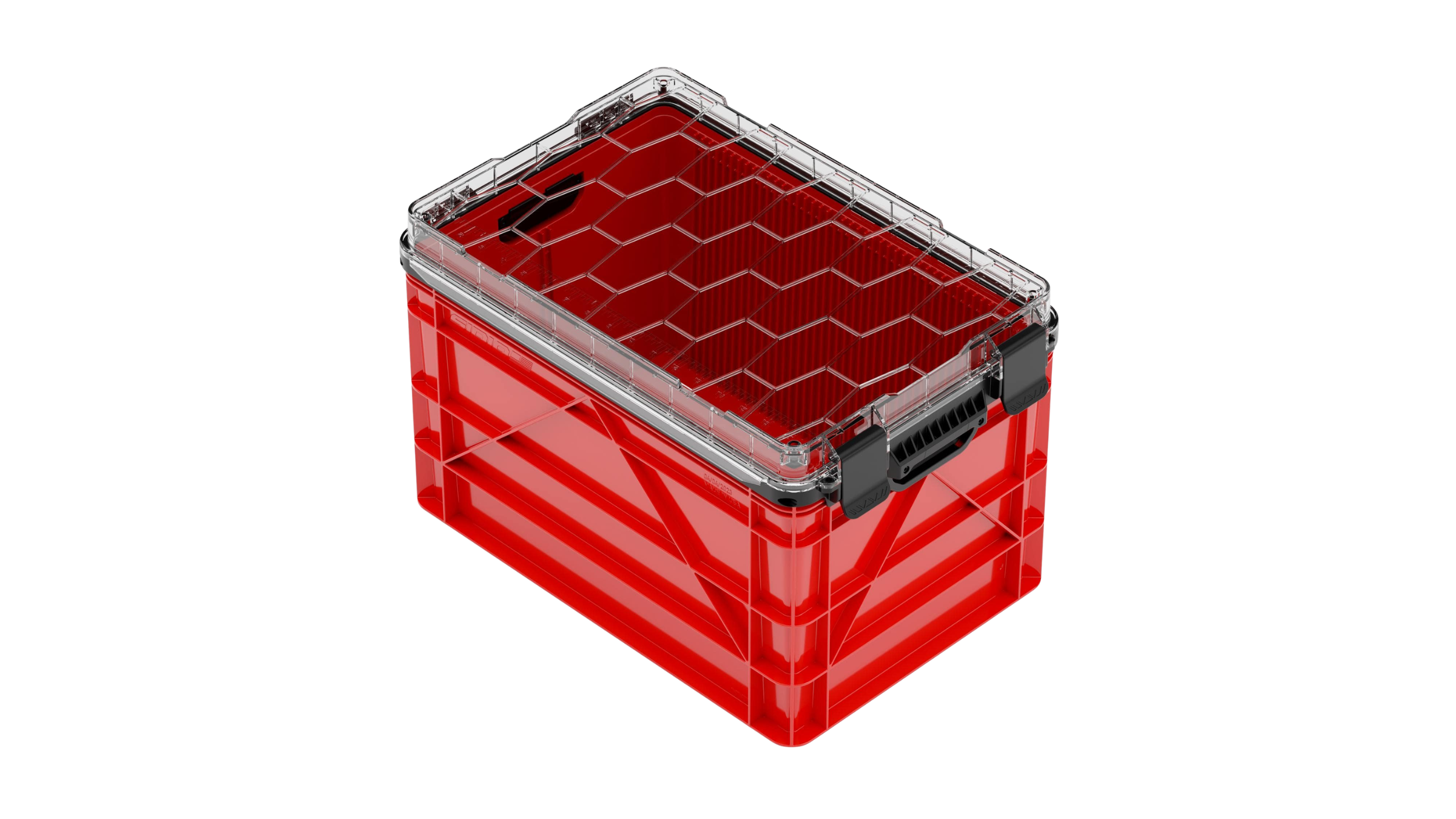
Best Storage Crate: Sidio Full Size WR Crate
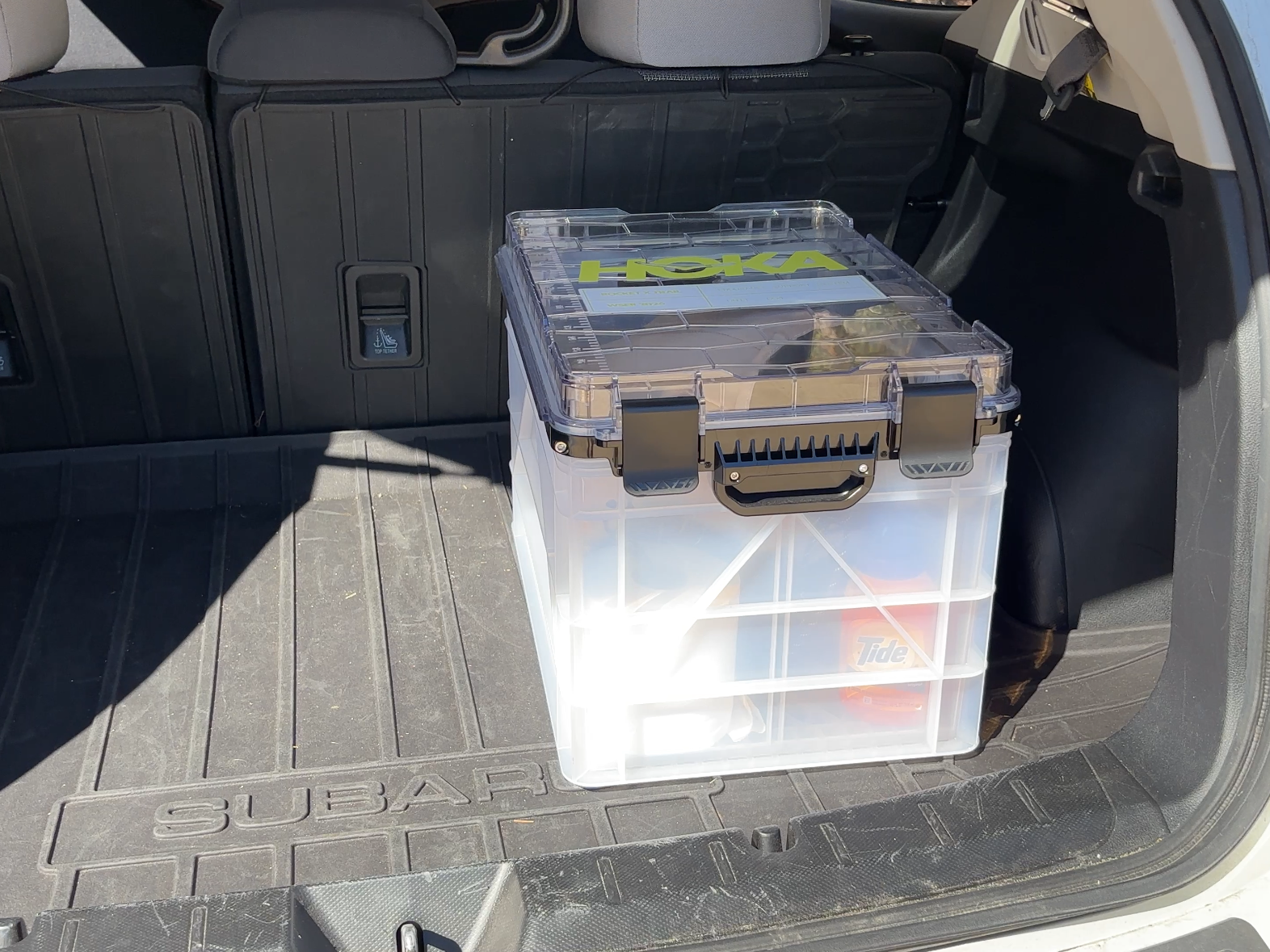
Managing gear storage inside a small vehicle presents several unique challenges, particularly when dealing with the rear footwells. When the back seats of a crossover fold flat, a wide gap remains between the folded seatbacks and the front seats. This gap requires structural support to prevent a sleeping mattress from sagging awkwardly under the weight of a sleeper’s head and shoulders.
Hard-sided storage crates provide an effective solution to this structural problem while keeping equipment organized. A weather-resistant crate stored in the trunk can hold essential road items such as first-aid kits, towels, and miscellaneous gear during transit. When it is time to set up the sleeping area, these crates slide directly into the rear footwells to create a rigid, load-bearing platform. Because a single standard crate may sit slightly below the required height for a perfectly level transition, stacking a smaller companion crate or a sturdy storage box on top achieves the exact vertical clearance needed to bridge the gap seamlessly.
Best Window Screens: Luno Car Window Screens
After a supportive mattress, proper ventilation is arguably the most critical component of a successful car camping setup. Sleeping with the vehicle windows rolled up tightly results in a stuffy, condensation-heavy cabin within a matter of hours, while leaving the glass cracked open invites insects and compromises privacy. Specialized mesh screens designed to slip securely over the rear door frames provide a balanced solution, allowing fresh air to circulate freely while keeping bugs out and blocking the view of curious passersby. For campers who tend to sleep warm, adding a second pair of screens to the front windows further improves cross-ventilation.
Car Camping Extras That Only Improve the Experience
While a basic mattress and storage system form the core of a functional adventure vehicle, several secondary accessories can significantly enhance comfort during extended trips.
A dedicated camping pillow eliminates the need to transport household bed pillows out into the dirt and dust of the outdoors. Packable camping pillows filled with shredded memory foam offer a comfortable sleep experience similar to indoor pillows while compressing down enough to remain stored inside a vehicle cargo crate full-time. Zippered liners also allow users to adjust the internal volume to their preferred firmness.
For temperature regulation, a technical down quilt provides a versatile alternative to traditional heavy blankets. These lightweight quilts pack down to a fraction of the size and adapt easily to changing ambient temperatures throughout the night, making them equally useful for backpacking trips and vehicle camping alike.
Managing electronic devices requires a reliable power source. While compact battery packs are sufficient for a quick phone charge over a single night, larger portable power stations make multi-day excursions much more manageable. Compact power units tuck away neatly inside a small vehicle cabin, ensuring that cameras, headlamps, and navigation devices remain fully charged without draining the vehicle’s primary battery.
Finally, interior lighting systems offer a subtle but meaningful upgrade for reading or relaxing inside the cabin without resorting to bright, glaring headlamps. Solar-powered string lights can be draped across the interior to provide a warm, ambient glow, while compact magnetic lanterns can be clipped to grab handles or overhead hooks. Balancing rechargeable units with battery-operated options helps maintain a dependable lighting setup throughout any road trip adventure.