

While the video game industry continues its relentless pursuit of high-profile remakes, remasters, and grand reimaginings, a counter-movement of sorts exists quietly among some of the most celebrated titles in gaming history. Over the past several years, major studios across the globe have dedicated vast resources to crafting modern iterations of all-time classics. Capcom’s faithful yet thoroughly modernized Resident Evil 4 remake and Square Enix’s wildly ambitious, expanded Final Fantasy 7 Remake trilogy stand out as prime examples of how older properties can be successfully re-engineered for contemporary hardware and modern sensibilities. Yet, while plenty of foundational titles genuinely benefit from a contemporary visual glow-up, mechanical overhauls, and updated quality-of-life adjustments, a select group of timeless Japanese Role-Playing Games (JRPGs) demonstrates that exceptional design, narrative depth, and artistic vision require very few alterations to shine brilliantly decades after their initial release.
Examining the historical landscape of the genre reveals a handful of masterpieces that have aged like fine wine. Although many of these legendary games have occasionally been ported to newer platforms or subjected to minor, faithful touch-ups over the years, their core presentation, mechanical loop, and interactive identity remain nearly identical to the editions that first hit store shelves. Far from feeling antiquated or inaccessible, these seven foundational classics continue to captivate veterans and newcomers alike, proving that peerless artistic direction and airtight game design transcend the eras in which they were originally built.
Earthbound
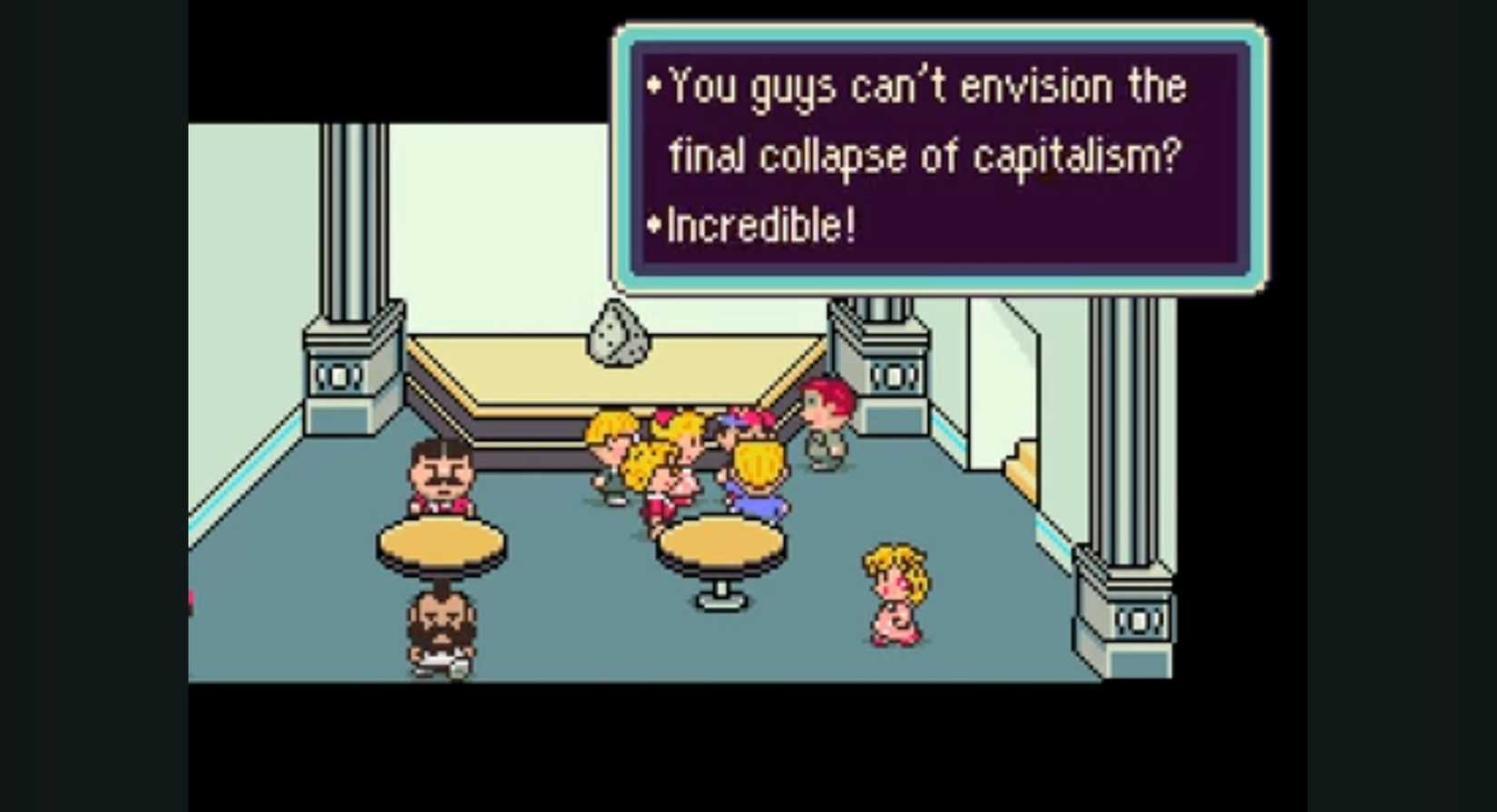
The legacy of the Mother series remains a bittersweet subject for many Western enthusiasts, particularly given that an official English-language release of Mother 3 continues to elude players outside of Japan. However, players have readily embraced one of the most endearing, idiosyncratic, and culturally influential RPGs of all time through the Super Nintendo Entertainment System library available on Nintendo Switch Online. Mother 2, globally recognized as Earthbound, originally arrived in North America in 1995, introducing audiences to a distinctively quirky universe.
Boasting some of the most clever, bizarre enemy designs this side of the Dragon Quest franchise—ranging from piles of ambulatory waste and aggressively annoying hippies to a bizarre quintet of moles fiercely competing to be ranked third-best—Earthbound remains consistently weird, wonderful, and genuinely laugh-out-loud funny. Shigesato Itoi’s timeless save-the-world adventure, which spans a brilliantly warped, satirical lens over small-town Americana, has heavily inspired countless indie titles and spiritual successors over the decades. Despite the passage of time, Itoi’s unique vision requires no mechanical updates or graphical overhauls whatsoever to deliver a deeply rewarding and utterly fantastic journey.

Final Fantasy 9
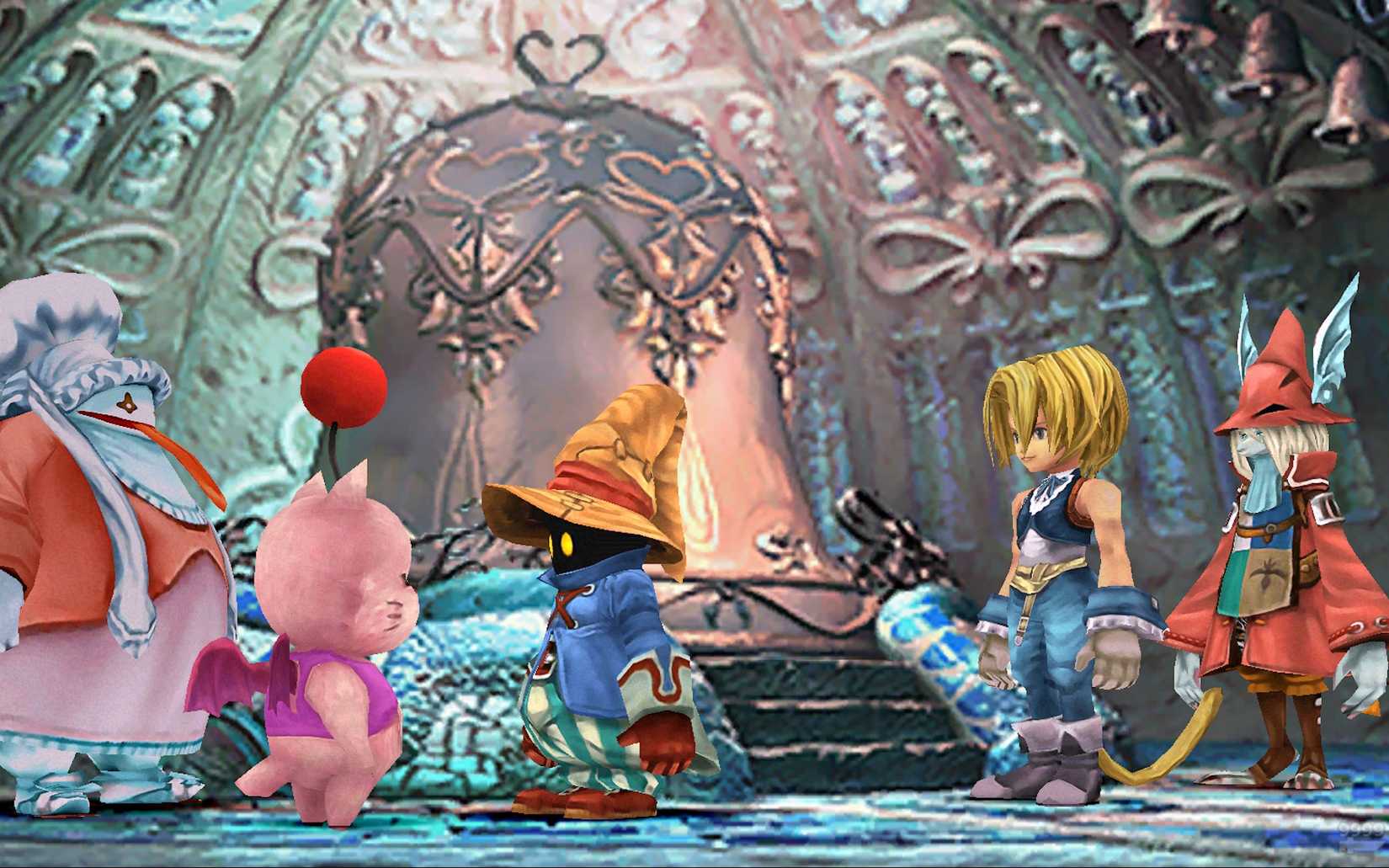
During the twilight days of the original PlayStation era, Square made a startling pivot. Having spent years pushing the industrial, steampunk grit of Final Fantasy 7 and Final Fantasy 8, the development team did the unexpected by steering the flagship franchise back toward a traditional, good-old-fashioned medieval fantasy aesthetic. Featuring an upbeat, roguish hero paired with a rebellious princess eager to escape the stifling restrictions of royal life, Final Fantasy 9 serves as both a heartfelt philosophical examination of love, existence, and mortality, and a loving homage to the overarching traditions of the genre.
Rumors regarding a potential modern remake have persistently circulated within gaming communities for years, yet significant milestones—such as the title’s 25th anniversary—have come and gone without any official confirmation from Square Enix. In truth, Final Fantasy 9 does not require a remake to justify its place in a modern gaming rotation. The pre-rendered environmental visuals, distinct character models, and legendary musical score composed by Nobuo Uematsu were technological marvels back in 2000, and they continue to hold up brilliantly today through various digital storefronts across the Nintendo Switch, PlayStation 4, Windows PC, and Xbox One ecosystems.
Chrono Trigger
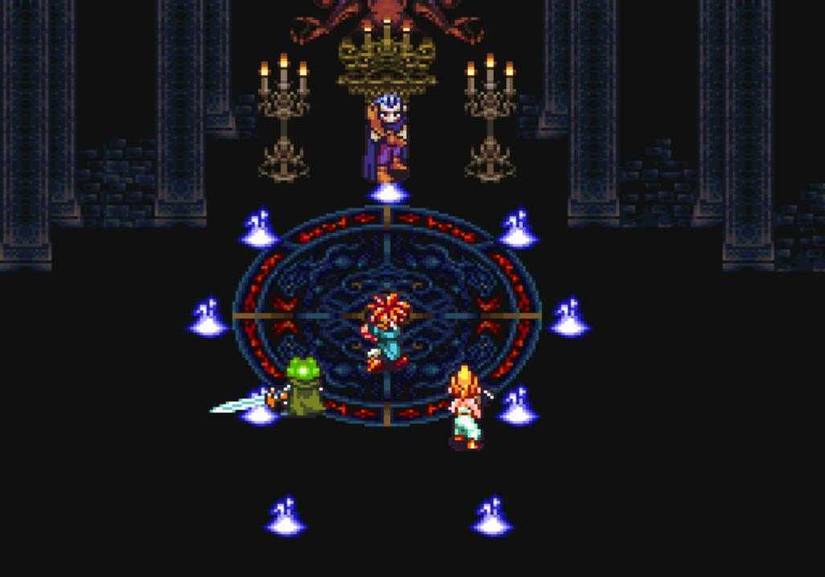
Ever since the debut promotional material for Octopath Traveler arrived in 2018, devoted fans of classic Square Enix properties have fiercely desired a modern remake of their favorite time-travel epic rendered in the striking HD-2D visual style. While that specific stylistic reimagining has yet to materialize, the absence is hardly a tragedy because Chrono Trigger stands as a remarkably complete and practically flawless artifact of interactive art.
Set seamlessly across six distinct historical periods, the memorable ensemble cast—which famously includes a swashbuckling warrior frog, a ferocious prehistoric cavewoman, and a massive yet gentle-hearted robot—embarks on an epic quest to alter history and prevent the total annihilation of the planet by a vicious parasitic alien entity. Born from a historic collaboration often dubbed the "dream team," which united Final Fantasy creator Hironobu Sakaguchi, Dragon Quest creator Yuji Horii, and Dragon Ball creator Akira Toriyama, Chrono Trigger remains just as mesmerizing today as it did upon its original 1995 debut. Bafflingly, the title remains absent from the Nintendo Switch library, leaving retro hardware formats like the SNES, PlayStation, and Nintendo 3DS, alongside modern PC releases, as the primary avenues for experiencing this legendary adventure.
Lunar: Silver Star Story
As a distinct product of the early CD-ROM gaming boom, arriving just before fully rendered 3D cinematic cutscenes became the standardized visual crutch for the RPG genre, Working Designs’ localization of Lunar for the Sega CD boldly bridged two distinct eras. The developers took the beloved 2D pixel-art aesthetic typical of the 16-bit SNES generation and injected it with fully voiced anime cutscenes and sweeping original orchestrations.
While certain narrative beats and character dynamics may read as somewhat traditional by contemporary storytelling standards, Lunar successfully captures elements that appeal broadly to JRPG enthusiasts. The journey features a floating magical academy, delightfully sarcastic feline companions, and a blossoming romance between a determined, headstrong priestess and a delightfully mouthy mercenary. The title has received various ports, enhancements, and remasters over the decades, thankfully preserving the fundamental charm and aesthetic integrity of the 1993 original. Today, it remains widely accessible as part of a bundled package alongside its equally celebrated sequel, Lunar: Eternal Blue.

The Legend of Zelda: A Link to the Past
While the historical significance of the original, foundational Legend of Zelda on the NES is indisputable, early pre-16-bit titles often demand a more academic appreciation from modern players. However, when examining early entries in the franchise that remain thoroughly engaging and intuitive by modern standards, A Link to the Past sits comfortably at the absolute peak of the medium.
For players who discovered the franchise through massive open-world iterations like Breath of the Wild and Tears of the Kingdom, experiencing this landmark 1991 Super Nintendo masterpiece offers a masterclass in game design. It highlights just how many of the series’ core structural pillars—such as the formidable architectural menace of Death Mountain, the aquatic depths populated by the Zora, and the omnipresent magical fairies—have remained entirely intact since the early days of the franchise. Utilizing convenient modern features like the built-in rewind function available through Nintendo Switch Online allows players to bypass frustrating trial-and-error setbacks without diminishing the masterclass pacing of the classic dungeon designs.
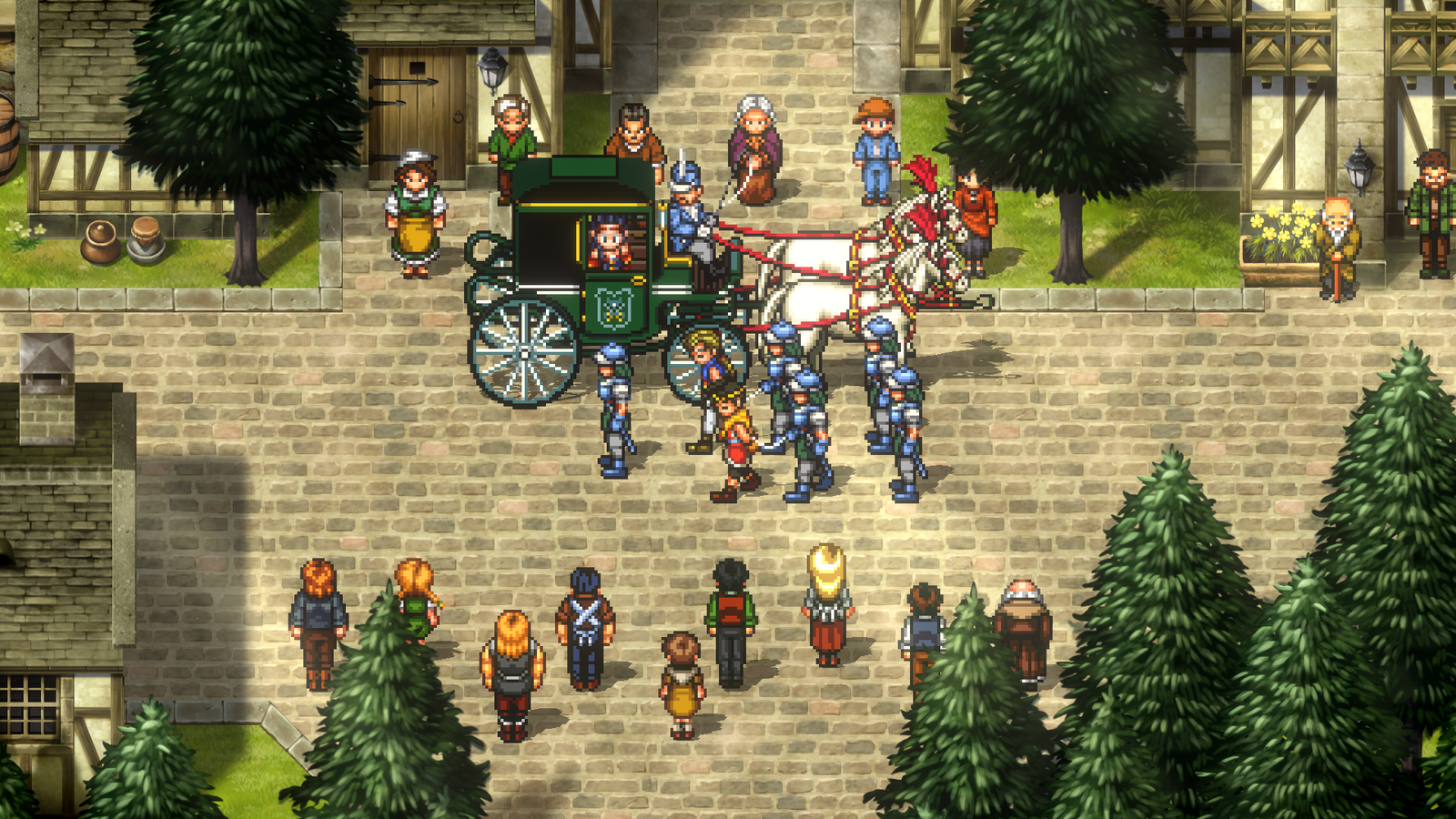
Suikoden 2
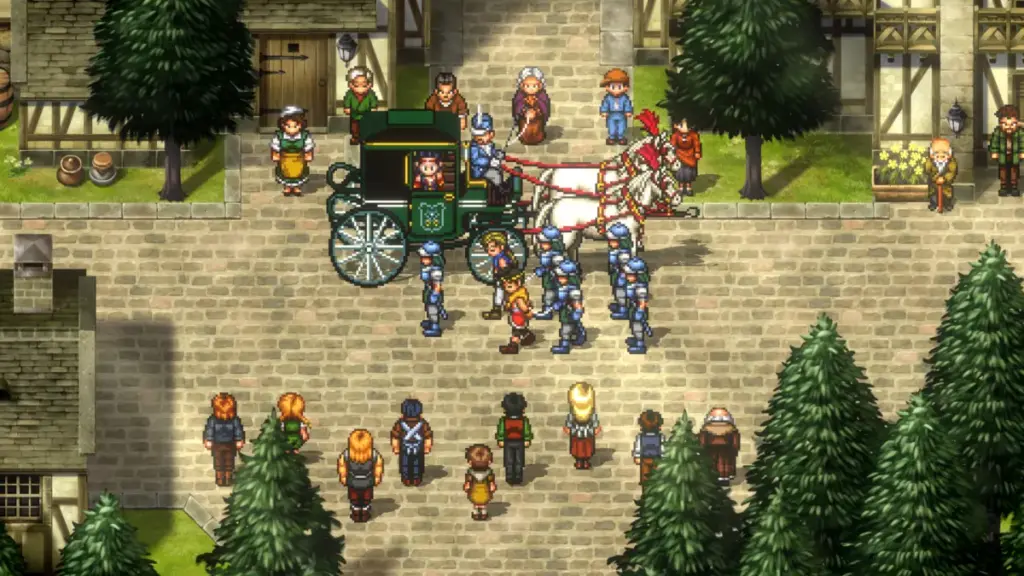
Much like the Lunar series, the early entries in Konami’s Suikoden franchise occupy a fascinating visual space, hovering gracefully between the charming sprite-based pixel art of the 16-bit era and the burgeoning 3D polygon technology that came to dominate the late PlayStation generation. Widely considered the finest installment in the series, 1998’s Suikoden 2 crafts an intricate, emotionally heavy narrative centered around two childhood friends who find themselves tragically pitted against one another on opposite sides of a brutal, continent-spanning military conflict.
Throughout the sprawling campaign, players are tasked with actively recruiting a massive roster of 108 distinct allies, constructing and managing a fortified base of operations to accommodate them, and ultimately working to depose a ruthless, genocidal tyrant. Konami’s recent remaster efforts successfully bundle the first two entries together, carefully preserving the artistic direction, atmospheric pacing, and overall structure of the original PlayStation releases while introducing welcome quality-of-life additions, including high-definition visual polish, widescreen presentation support, and a thoroughly refined localization.
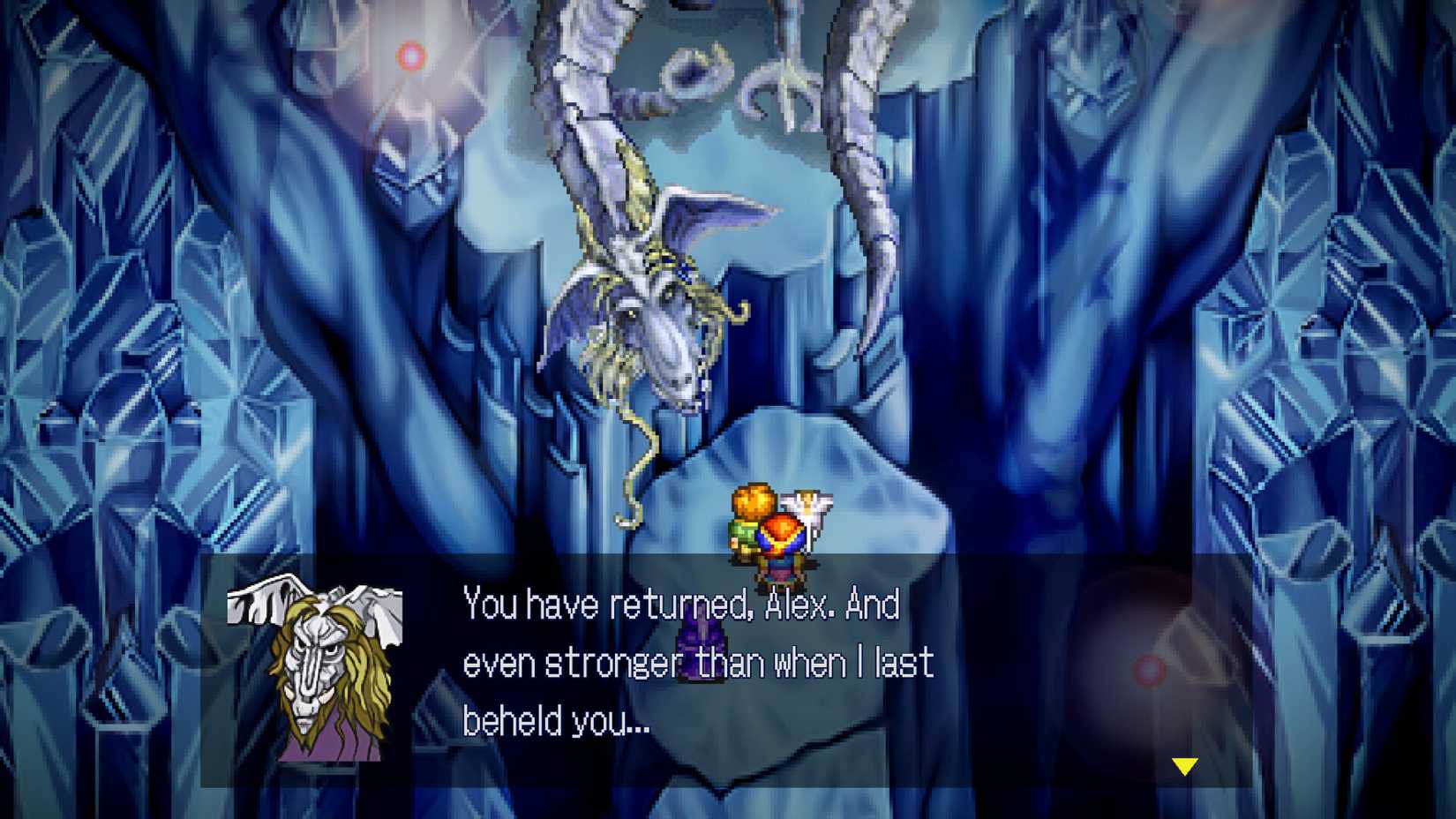
Golden Sun
Featuring intricate, environmental puzzle design and remarkably deep customization options for its rotating roster of heroic characters, 2001’s Golden Sun for the Game Boy Advance took the foundational tropes of traditional fantasy role-playing and elevated them into something fresh and exciting. The narrative follows two childhood companions, Isaac and Garet, as they set out from their hometown to investigate the supernatural origins of a devastating environmental catastrophe that fractured their community years prior.
Along the road, the party encounters a bizarre array of phenomena, including mythical sea monsters, sentient trees capable of manipulating entire villages through psychoactive means, and ruins bearing striking mythological parallels to ancient civilizations. Both Golden Sun and its direct narrative continuation, 2002’s Golden Sun: The Lost Age, are preserved and playable within the Game Boy Advance software catalog available via the Nintendo Switch Online + Expansion Pack service, ensuring that these handheld masterpieces remain accessible to contemporary audiences.