


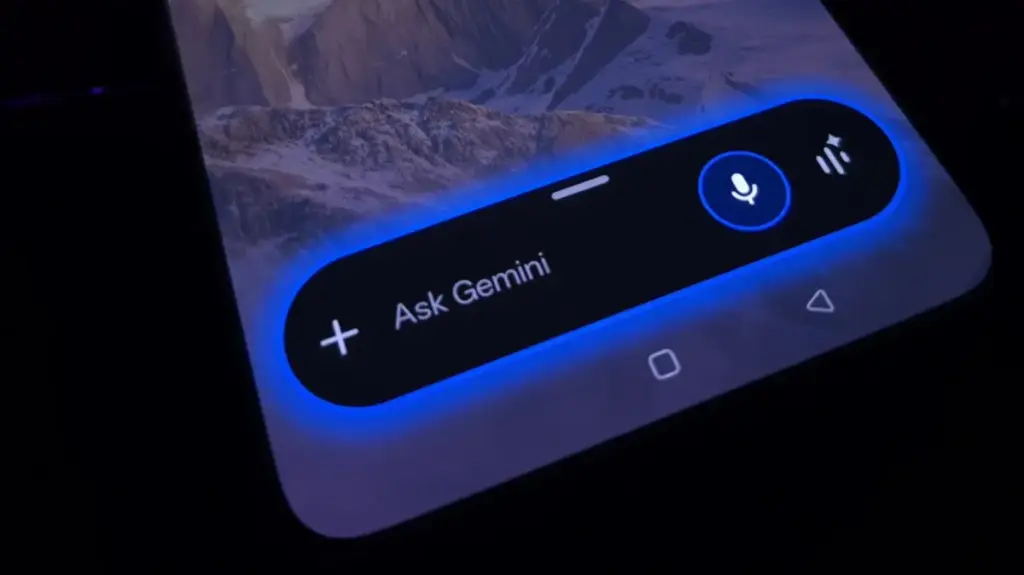
Artificial intelligence chatbots have rapidly evolved far beyond simple question-and-answer interfaces, transforming into sophisticated tools capable of managing complex, day-to-day administrative burdens. Google’s Gemini ecosystem, in particular, has introduced a suite of automation capabilities designed to minimize manual oversight for everything from travel planning to inbox management. By integrating scheduling tools, custom skills, and autonomous agent capabilities for higher-tier subscribers, the platform aims to fundamentally change how users interact with their digital workspaces.
While the fundamental premise of generative AI has historically centered on text generation and data retrieval, the integration of background processes and connected application ecosystems marks a significant shift toward proactive productivity. Users who link their Google accounts can now deploy Gemini to handle routine digital hygiene without direct intervention, freeing up time previously spent on micro-management tasks across multiple applications.
Check your day for travel trouble
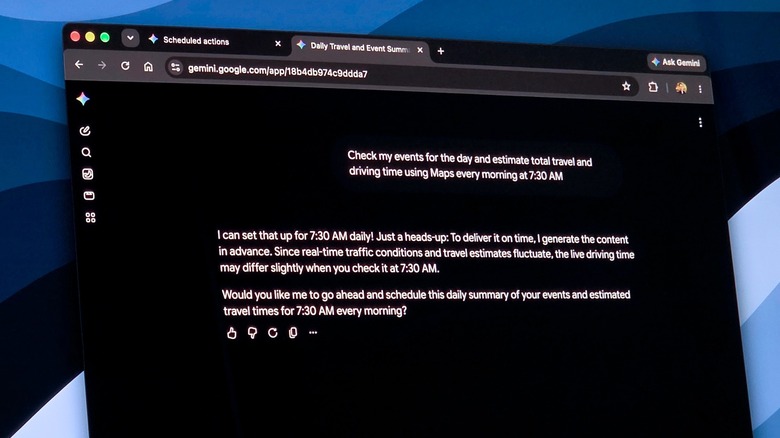
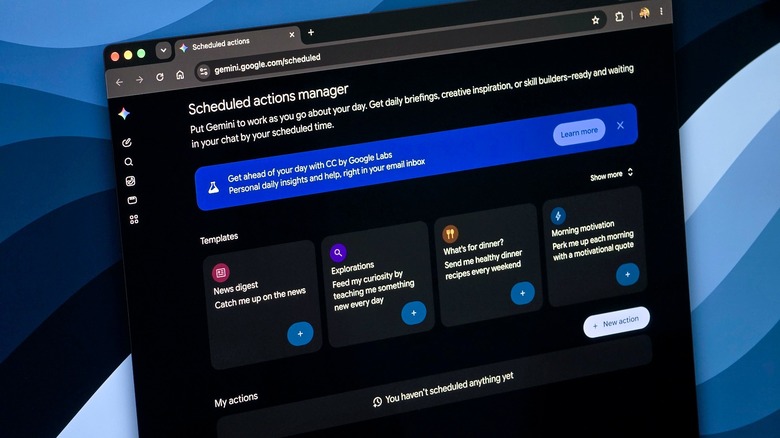
Among the most practical day-to-day applications of Gemini’s automation suite is the ability to preemptively analyze a user’s schedule for logistical friction. By establishing a routine prompt, users can instruct the assistant to cross-reference daily calendar appointments with mapping data to evaluate transit requirements. For instance, a scheduled command to assess driving times every morning at a specific hour allows the AI to calculate anticipated travel durations between sequential meetings.
This functionality relies heavily on deep integration across connected services, requiring users to explicitly link their calendar, email, and mapping utilities to the assistant. Industry observers note that while these automated briefings offer significant convenience, they operate on static data pulled at the moment of generation. Consequently, users are still advised to consult real-time navigation software closer to their actual departure times to account for sudden traffic fluctuations, accidents, or transit delays.
Get a daily briefing on the latest news
Beyond personal scheduling, Gemini’s automated background actions extend to information gathering and market monitoring. Users tracking specific industries, corporate competitors, or personal interests can program the assistant to execute web searches at predetermined intervals, synthesizing the results into a concise summary. This feature accommodates both professional monitoring and casual news consumption, delivering tailored briefings directly to the user.
Google has placed structural limits on these continuous operations, capping free and standard scheduled actions at ten simultaneous active workflows to balance server loads and ensure relevant output quality. When an automated search concludes, the system triggers a notification, alerting the user that their customized briefing is ready for review. This capability mirrors broader industry trends toward push-based AI curation, where users receive synthesized insights rather than manually hunting for updates across multiple news portals.
Plan the weekend before it starts
Lifestyle and leisure management have also been integrated into Gemini’s automated framework. By leveraging location data captured during the initial setup phase, the assistant can generate curated weekend itineraries, suggesting new dining establishments, cafes, and entertainment venues for Fridays and Saturdays. The system identifies nearby options aligned with the user’s general geographic footprint without requiring constant manual prompting.
However, this location-based automation comes with a notable caveat regarding mobility. Because scheduled actions rely on the geographical data established when the workflow was first configured, the feature does not dynamically adjust if the user is traveling away from home. Users currently away from their primary residence may receive recommendations for their home city rather than their temporary location unless the workflow is manually reconfigured.
Turn repeat prompts into skills
To address the repetitive nature of complex prompt engineering, Google has introduced custom skills—replacing the older "Gems" framework—to help maintain consistent instructions across multiple conversation threads. Professionals managing recurring projects, such as drafting weekly corporate newsletters or internal memos, can define a comprehensive set of operational guidelines once and invoke them via a simple text command.
These skills ensure that Gemini adheres strictly to established brand voices, formatting rules, and institutional communication standards without requiring the user to restate the parameters during every interaction. While current implementations utilize a forward-slash command structure, Google has indicated that future updates will transition these triggers to the ‘@’ symbol, streamlining how users summon specialized assistant behaviors within an active chat window.
Let Spark handle your inbox
At the higher end of the automation spectrum, Google offers Gemini Spark for subscribers of its AI Pro and Ultra tiers. Designed to function as an always-on agent, Spark continues processing data in the background even when the host device is powered down or disconnected from the internet. This continuous operation enables the agent to comprehensively review a week’s worth of incoming communications, isolate critical messages, draft actionable to-do lists, and populate calendars with confirmed appointments.
To utilize these advanced capabilities, subscribers must manually enable integrations with Gmail, Google Calendar, and Google Drive through the platform’s settings menu, as these data-sharing pipelines remain disabled by default for privacy considerations. Google has built safeguards into Spark requiring explicit user confirmation before executing significant deletions or irreversible modifications to personal files and correspondence. Furthermore, regional availability restrictions mean that certain advanced agentic features may roll out gradually across different international markets.