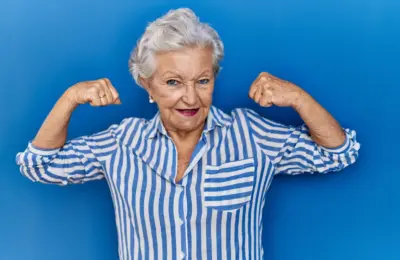




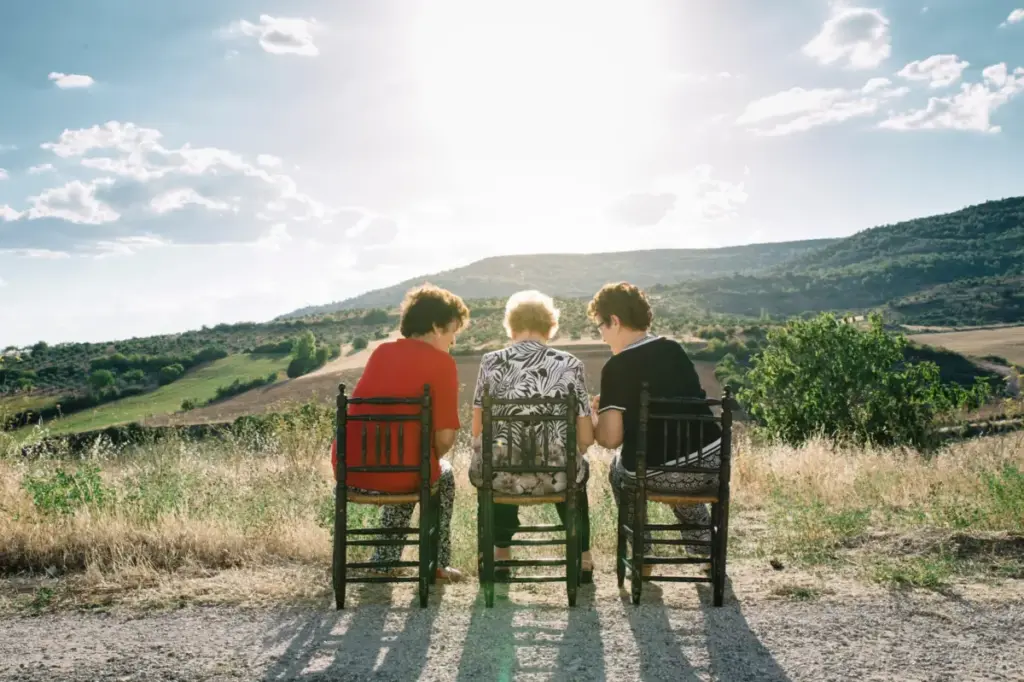
When a health and science journalist relocated to Italy in 2024, one of the immediate cultural observations involved the distinct, vibrant way Italian nonne—grandmothers—navigate their daily lives. Moving across cities independently, maintaining high levels of physical mobility without assistance, and dressing with flair while unhesitatingly owning their age, these women presented a striking image of vitality. This real-world observation soon dovetailed with a viral social media wellness trend dubbed "nonnamaxxing." The concept posits that anyone can optimize their life span and health span by simply adopting the traditional habits of Italian grandmothers. While the internet trend packages these behaviors for TikTok and Instagram, health experts note that the underlying principles offer remarkably sensible, scientifically backed guidance for aging well.
The fascination with the Italian approach to aging is grounded in hard demographics. Italy consistently ranks near the top of the European Union in overall life expectancy, boasting a rapidly growing population of centenarians. Furthermore, a cluster of villages in Sardinia constitutes one of the world’s officially recognized Blue Zones—regions where people live significantly longer, healthier lives than the global average. While online iterations of the trend often highlight aesthetic lifestyle choices like ditching social media, wearing comfortable cotton nightgowns, and indulging in unhurried lunches with friends, public health professionals emphasize that the true secret lies in deeper, systemic lifestyle choices rather than curated social media moments.
Licia Fertz, a 96-year-old Italian nonna and content creator based in Viterbo, Italy, pushes back against the minimalist, unkempt tropes sometimes associated with slow living online. Speaking to journalists, Fertz explained that presentation remains a vital part of her daily routine. She intentionally puts on makeup and dresses in cheerful colors, even on days she does not leave the house, viewing personal presentation as a fundamental act of self-love. Through this lens, Italian grandmothers emerge not merely as internet archetypes, but as authentic health gurus demonstrating how mindset, movement, community, and nutrition intersect to promote longevity.
Embrace Aging
One of the most immediate cultural contrasts observed in Italy is the general absence of anxiety surrounding physical aging. At public pools and beaches, older women, including grandmothers, regularly wear bikinis, embodying a cultural mindset that views aging not as a condition to be concealed, but as an ordinary, natural phase of life. Fertz underscores this philosophy with a simple directive: never think of yourself as old, because you are born young.
This psychological approach aligns with mounting scientific evidence suggesting that an individual’s perception of aging directly influences their biological pace of aging. Researchers have identified tangible associations between how women view getting older and the actual speed at which their bodies experience age-related decline.
Sonja Lyubomirsky, a distinguished professor of psychology at the University of California, Riverside, and author of How To Feel Loved, explains that adopting a mindset functions much like putting on a pair of glasses or a coat. She notes that the perspective one chooses regarding aging—whether it is viewed as a gift defined by wisdom, maturity, and the richness of life, or feared as a period of deterioration and loss—carries profound physiological and psychological consequences. While both aspects of aging contain truth, experts point out that individuals retain the agency to choose their perspective.
Lend a Hand
In Italian neighborhoods, school pick-up times reveal a striking multi-generational dynamic. Alongside parents, Italian nonne are ubiquitous fixtures, heavily involved in daily caregiving and the lives of their grandchildren. This intergenerational support system is so deeply woven into the social fabric that the Italian economy is widely recognized as being heavily supported by the unpaid labor of grandmothers, a frequent topic of discussion among local parents.
Gerontological research increasingly supports the notion that caregiving later in life fosters healthier aging and may act as a psychological buffer against cognitive decline. A recent study found that grandparents who actively participate in childcare—ranging from caring for sick children and assisting with homework to driving them to school—score significantly higher on cognitive tests measuring memory and verbal fluency compared to their non-caregiving peers.
Fertz notes that living with her grandson and spending daily time with her great-granddaughter remains a source of continual amazement and fulfillment. Beyond immediate family caregiving, broader community engagement yields similar health advantages. Data published in the American Journal of Preventive Medicine indicates that individuals who engage in regular volunteer work—specifically dedicating more than 100 hours a year—experience a reduced risk of overall mortality alongside heightened levels of optimism and a stronger sense of purpose.
Walk Daily
Urban and rural planning across Italy naturally promotes pedestrianism. Because historic Italian cities and villages feature infamously narrow streets, and because motor vehicle fuel is notably expensive, walking is rarely viewed purely as a structured exercise regimen; rather, it is an inescapable and organic component of daily existence.
Daniel Lieberman, a professor of Human Evolutionary Biology at Harvard University, emphasizes that walking represents the most fundamental form of human physical activity. Numerous scientific studies confirm that regular walking helps individuals age both slower and better.
In Florence, Paola Mariotti, a pediatrician and nonna, models this ancestral habit. Her own grandparents lacked a car and walked everywhere, a practice she honors by tracking a minimum of 5,000 steps daily on her phone while striving to surpass 10,000 steps whenever possible. While many urban and suburban environments outside of Europe lack pedestrian infrastructure, a 2025 study published in the American Journal of Preventive Medicine demonstrates that even committing to 15 minutes of brisk walking each day can significantly reduce the risk of premature mortality.
Live Mindfully
At local Italian cafés, the cultural practice of enjoying an espresso—often accompanied by quiet observation of passersby rather than hurried smartphone scrolling or multitasking—exemplifies the concept of dolce far niente, or the sweetness of doing nothing. While these micro-moments of pause are culturally embedded in Italy, psychotherapists suggest they point to a broader societal rejection of relentless productivity.
Jonathan Alpert, a psychotherapist based in New York, suggests that the "nonnamaxxing" trend resonates with younger generations primarily because it offers an appealing fantasy of escape from burnout and hustle culture. The desire for a grounded, warm, and unhurried existence speaks to a generation fatigued by continuous pressure to optimize personal habits, perform productivity, and turn daily life into digital content. While multitasking creates an illusion of efficiency, psychological research indicates that it actually elevates stress levels. Conversely, researchers note that remaining anchored in the present moment is strongly correlated with healthier, more resilient aging.
Eat Seasonally
Nutritional habits in Italy are heavily anchored to the natural calendar. Local food markets routinely provide shoppers with charts identifying exactly which fruits and vegetables are in season each month, making out-of-season produce comparatively rare and less integrated into daily cooking. Antonino De Lorenzo, professor emeritus of human nutrition at the University of Rome Tor Vergata, explains that the true nutritional value lies not merely in dietary variety, but in choosing seasonal produce that requires fewer preservatives and industrial interventions.
According to De Lorenzo, factors such as freshness, ripeness, and traditional preparation methods exert a profound influence on a food’s nutritional profile. Maintaining a high-quality diet over time preserves physical, mental, and cognitive functions while lowering the incidence of major chronic diseases. This foundational approach mirrors the broader Mediterranean diet, which emphasizes olive oil, vegetables, fruits, whole grains, and legumes—a lifestyle pattern consistently validated by scientific research as a driver of longevity.
Connect to Your Community
While Italian grandmothers are affectionately stereotyped in pop culture as community watchdogs or hyper-connected neighbors, gerontological research underscores the vital importance of the social networks they maintain. Fertz identifies isolation as the primary hazard to longevity, advising individuals to stay actively engaged with people, plan outings, travel, and continually leave the house.
Data published in The American Journal of Geriatric Psychiatry indicates that maintaining a strong sense of purpose helps preserve cognitive function well into old age. Separate studies confirm that individuals with a robust sense of purpose experience a significantly lower risk of depression and chronic loneliness. Whether finding fulfillment through neighborhood involvement or dedicating time to consistent hobbies, avoiding the stagnation of boredom remains central to the philosophy embodied by Italy’s enduring nonne.