




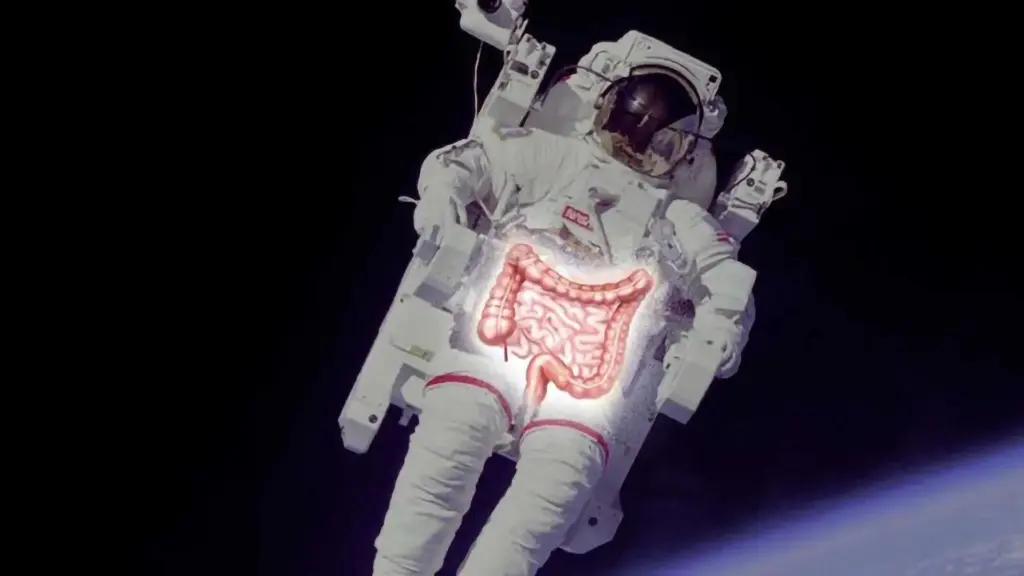
Constipation has long been a familiar, albeit uncomfortable, grievance for astronauts venturing beyond Earth’s atmosphere. Yet, despite decades of human spaceflight, the exact biological mechanisms behind how and why spending time in space can disrupt normal digestion have remained poorly understood. Now, groundbreaking research conducted by the University of Copenhagen in collaboration with NASA offers a compelling and scientifically robust explanation, shedding light on the hidden physiological shifts that occur within the human body during space travel.
By closely analyzing blood samples collected from 52 astronauts who spent months aboard the International Space Station (ISS), scientists have uncovered clear chemical signatures indicating that the human digestive system begins to undergo significant internal changes relatively soon after astronauts leave the pull of Earth’s gravity.
"We see changes in astronauts’ blood samples that indicate that the gut bacteria begin to ferment protein to a greater extent than usual within weeks after the astronauts arrive in space, and this change continues until they are back on Earth," explains joint first author and associate professor Giorgia La Barbera from the Department of Nutrition, Exercise and Sports at the University of Copenhagen.
Gut Bacteria Shift Toward Protein
To understand the gravity of these findings—pun intended—researchers point to the nature of protein fermentation itself. This biological process occurs when resident bacteria living inside the human intestines begin breaking down dietary or endogenous proteins instead of dietary fiber, typically because the available fiber has already been depleted. While this biochemical shift is not entirely unique to astronauts and can occasionally happen to individuals on Earth under certain dietary conditions, its persistent and pronounced presence in orbit caught researchers’ attention.
The scientific team strongly suspects that microgravity plays a primary role by physically slowing down the overall movement of food through the digestive tract, a process known medically as gut transit time. If food remains trapped or delayed within the intestines for extended periods, resident bacteria are given significantly more time to interact with remaining contents, ultimately shifting their metabolic focus toward protein fermentation.
"The lack of gravity in space probably causes food to move more slowly through the intestine, and this fits with the fact that we are seeing signs of increased protein fermentation. This may also help explain constipation in astronauts," notes co-author Henrik Roager, an associate professor at the Department of Nutrition, Exercise and Sports.
Gut Changes Could Affect the Brain
These remarkable insights emerged from a comprehensive, non-targeted investigation of metabolites circulating within the astronauts’ bloodstreams. Metabolites are small, dynamic molecules produced by various metabolic processes that travel throughout the body via the blood, acting as molecular messengers and providing invaluable clues about how different organ systems are functioning in real-time.
By closely examining these circulating molecules, researchers can effectively window-shop into complex internal processes, ranging from baseline diet and systemic metabolism to the intricate biochemical activities happening deep inside the intestines.
Crucially, the implications of these findings extend far beyond simple digestive discomfort. Changes originating within the gut ecosystem can exert powerful cascading influences on other vital parts of the body, most notably the central nervous system through the bidirectional communication network known as the gut-brain axis.
"We know that products of protein fermentation are often associated with negative health consequences, such as kidney damage, potential effects on mood or reduced ability to focus, among others," warns Lars Ove Dragsted, senior author of the study and a professor at the Department of Nutrition, Exercise and Sports.
Why This Matters for Missions to Mars
As international space agencies and commercial spaceflight companies actively prepare for increasingly ambitious, long-duration missions to the Moon and eventually crewed expeditions to Mars, understanding these physiological vulnerabilities becomes paramount. Astronauts embarking on these multi-month or multi-year journeys will spend exponentially more time removed from Earth’s gravity than current crews stationed in low-Earth orbit aboard the International Space Station, making proactive health countermeasures an operational necessity.
"When we plan for longer journeys in space—for example, to Mars—countermeasures may be needed to mitigate negative effects of space travel on the intestines," emphasizes Giorgia La Barbera.
Researchers suggest that several targeted medical and nutritional approaches might help counteract these digestive alterations before they develop into more serious health complications.
"Our findings can inform potential interventions—either directly through increasing dietary fiber, supplementation with prebiotics or other types of treatments that promote peristalsis and decrease gut transit time. This would help reduce protein fermentation and thus provide a healthy gut environment and avoid negative health consequences," adds Henrik Roager.
Peristalsis is the term used to describe the involuntary, wave-like muscle contractions that continuously push food, fluids, and waste through the digestive tract. Actively supporting and stimulating that natural movement could significantly shorten the duration that material lingers in the intestines, thereby cutting short the window of opportunity for excessive and potentially harmful protein fermentation to take place.
The Findings Could Also Help Patients on Earth
Beyond the specialized realm of aerospace medicine, the insights gained from this study carry profound implications for terrestrial healthcare, particularly for vulnerable populations experiencing prolonged physical immobility.
Individuals who must spend extended periods confined to hospital beds or residential care settings frequently experience chronic constipation and related gastrointestinal sluggishness. Researchers hypothesize that the same slowed intestinal transit seen in microgravity likely occurs in these bedridden patients, potentially triggering parallel patterns of adverse gut fermentation that could silently complicate their recoveries.
"You can use this knowledge to help bedridden patients. They also experience constipation and likely also have increased protein fermentation that may aggravate health conditions," concludes senior author Lars Ove Dragsted.
What Is Protein Fermentation?
To fully grasp the scope of the discovery, it helps to understand the underlying mechanics of protein fermentation. The process unfolds when complex microbial communities residing in the human gut run out of accessible dietary fiber to break down. When fiber supplies dwindle—whether due to restricted diets or slowed digestive transit—gut bacteria pivot to utilizing available proteins.
This metabolic pivot is more likely to accelerate whenever food lingers in the intestines for an extended period, a state that can transpire even if an individual does not consciously feel acutely constipated. As these bacteria metabolize proteins, they release a diverse array of biochemical byproducts and metabolites into the surrounding environment.
Once generated, these metabolites can readily cross the intestinal barrier, enter the bloodstream, and circulate throughout the entire body. Because of the sophisticated gut-brain axis—a constant, two-way signaling highway connecting the gastrointestinal tract directly to the central nervous system—certain fermentation-derived molecules can even impact neurological function.
Previous scientific literature has frequently linked specific metabolites produced during protein fermentation with subtle yet impactful neurological and psychological effects, including heightened feelings of anxiety and a diminished capacity for sustained attention and mental concentration.
Why the Results Were Unusually Clear
Investigating human blood metabolites is notoriously challenging because metabolic profiles vary widely from one individual to another, influenced by genetics, diet, lifestyle, and environment. However, the unique and standardized nature of the astronaut cohort allowed the research team to cut through this inherent biological noise and isolate clear, overarching patterns.
"The samples we have analyzed come from a total of 52 different astronauts, on different missions and across many years. This is very different from how you normally do a study. So, it is quite impressive that our method has been able to show so clearly that there is consistently more protein fermentation," highlights joint first author and assistant professor Jan Stanstrup.
How the Study Was Conducted
To evaluate how human metabolism adapts and responds to the extreme environment of spaceflight, the research team analyzed longitudinal blood samples collected from astronauts before, during, and after their time in orbit. Their rigorous chemical analysis revealed that intestinal protein fermentation reliably spikes whenever humans leave Earth and transition into microgravity. Interestingly, the blood profiles also captured smaller, secondary metabolic fluctuations linked to routine dietary factors, such as individual consumption of fish and caffeine.
Rather than taking a narrow, hypothesis-driven approach that searches strictly for predetermined chemical substances, the researchers employed a comprehensive, non-targeted metabolomics strategy. This expansive methodology enabled them to screen the broad, complex spectrum of metabolites present in the blood and pinpoint precisely which molecular shifts correlated with prolonged spaceflight.
The analyzed biological samples were drawn from three distinct, previously completed scientific investigations conducted aboard the International Space Station. Even though the available blood volumes were relatively small due to the strict logistical constraints of space research, the team’s advanced analytical techniques successfully extracted a wealth of new scientific data from the archived material.
This successful international collaboration between academic researchers at the University of Copenhagen and medical investigators at NASA underscores the immense scientific value and cooperative potential of the International Space Station as an orbiting laboratory. NASA researchers Sara R. Zwart and Scott M. Smith contributed directly to the study alongside University of Copenhagen team members Giorgia La Barbera, Jan Stanstrup, Henrik M. Roager, and Lars Ove Dragsted.