


Whether an individual lives completely solo—a demographic that currently accounts for nearly 30 percent of all households in the United States—or is simply enjoying a quiet night to themselves while family members are away, sitting down to an evening meal should be an experience to look forward to rather than a chore to dread. For many home cooks, the traditional routine of scaling down multi-serving recipes often feels cumbersome, resulting in excessive leftovers or ingredients that go to waste. Instead, solo dining offers a distinct opportunity for personal culinary customization, speed, and comfort.
When left entirely to one’s own devices for dinner, the decision-making process often narrows down to comfort and simplicity. For many, there is truly only one dish that meets all the criteria for an ideal solo evening meal: the omelet. While mainstream culinary tradition often associates the omelet with morning routines, hearty weekend brunches, or diner counters alongside strips of crispy bacon and golden hash browns, the versatile egg dish is arguably even better suited for the end of the day.
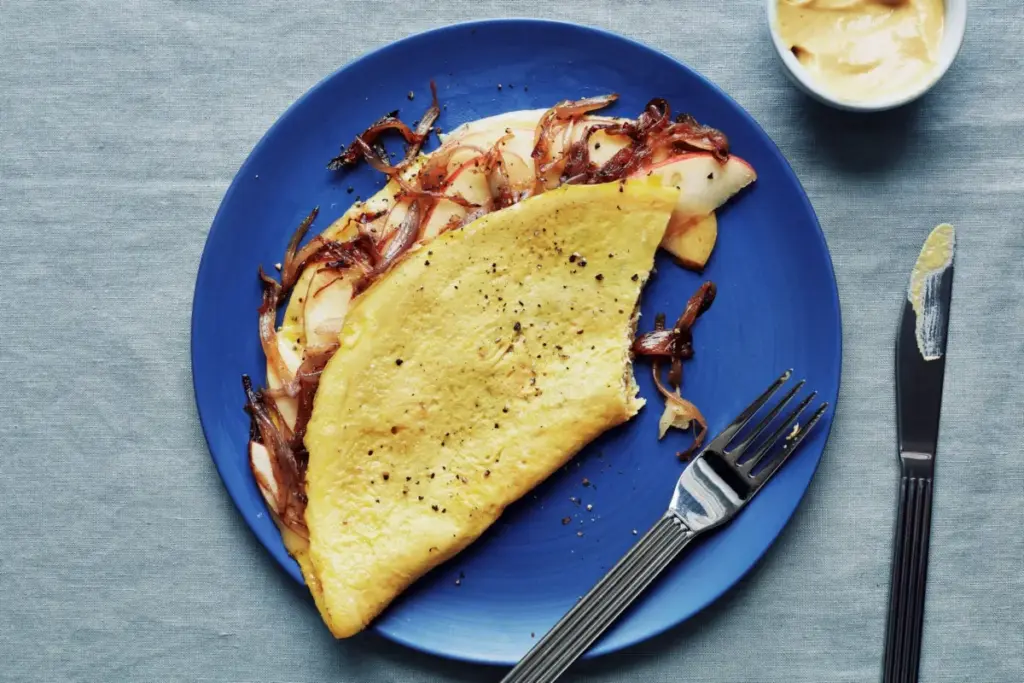
Crucially, omelets are best prepared one at a time and consumed immediately upon cooking, making them structurally and practically flawed for large groups but exceptionally well-suited for the solo diner. Trying to churn out multiple delicate French-style omelets for a dinner party is a stressful logistical challenge, but preparing a single, hearty omelet for oneself requires minimal effort and delivers maximum satisfaction. Embracing a diner-style approach rather than aiming for classical French refinement helps take the pressure off the home cook. By utilizing heavier, more substantial fillings—after all, this is dinner, not breakfast—and simply folding the set eggs in half, the cook bypasses the need to mess around with a delicately rolled version after a long day of work.
Achieving success with a solo dinner omelet often comes down to the choice of cookware. Culinary enthusiasts who happen to own a well-seasoned carbon-steel pan will find that this is the ideal moment to put it to use. When properly heated, a carbon-steel surface becomes entirely nonstick, allowing the cook to use metal utensils to maneuver the eggs with absolute confidence and zero risk of scratching the delicate cooking surface. That said, standard nonstick pans work just as wonderfully for those who do not keep carbon steel in their kitchen arsenals.
When it comes to sizing, a 10-inch pan is typically the sweet spot for a standard three-egg omelet. Cooks should keep in mind that using a larger pan will cause the eggs to cook much more quickly, requiring attentive monitoring. Alternatively, expanding the recipe by adding a fourth egg and a little extra cheese transforms the dish into an effortless meal for two if circumstances change.
While the omelet easily stands alone as a complete and satisfying dinner, rounding out the plate with simple side dishes is always an option depending on energy levels at the end of the day. On nights when ambition strikes, throwing together a quick green salad with a bright vinaigrette provides a refreshing contrast to the rich, savory eggs. Meanwhile, heating up a handful of frozen sweet potato fries in a countertop toaster oven offers an effortless way to introduce warmth and texture to the plate without adding significant time or complexity to the cooking process.
More often than not, however, the ideal solo dinner requires nothing more than efficiency. The ultimate reward of the solo omelet routine often involves simply sliding the freshly folded creation directly onto a plate, giving it a swift swipe of sharp mustard, and calling it a night.