


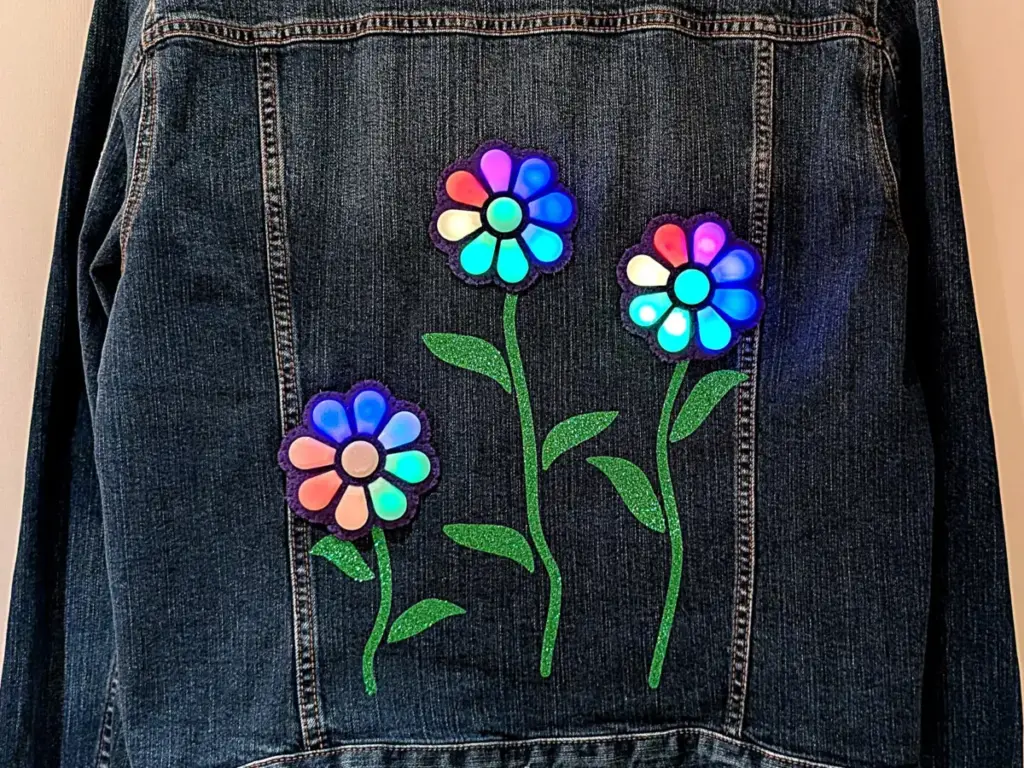
The intersection of high fashion and DIY electronics has yielded some striking innovations over the years, but few projects manage to bridge the gap between everyday streetwear and interactive wearable art quite as seamlessly as the latest creation from maker and educator Debra Ansell. Featured in Volume 97 of Make: magazine, Ansell’s "BedazzLED" denim jacket project demonstrates how modern desktop fabrication tools, textile crafts, and programmable microcontroller platforms can converge to create garments that are as durable and practical as they are visually arresting.

For decades, customising denim has been a staple of counterculture and personal expression, ranging from punk-rock patches and hand-painted designs to the classic, rhinestone-heavy bedazzling kits of previous generations. Ansell’s approach, however, leverages the precision of 3D printing and the ambient capabilities of addressable LEDs to turn a standard thrift-store jacket into an illuminated canvas. When powered down, the garment maintains the unassuming look of a classic denim jacket suitable for an afternoon running errands or attending a concert. With a single click of a controller, however, it transforms into a dynamic light display driven by open-source firmware.
The process of crafting a BedazzLED jacket begins with the foundation itself. Because denim varies widely in weight, wash, and style, sourcing a jacket from a local thrift shop is often the most sustainable and budget-friendly route. The primary requirement is structural: the back panel must provide enough unobstructed space to accommodate an arrangement of three illuminated floral motifs.
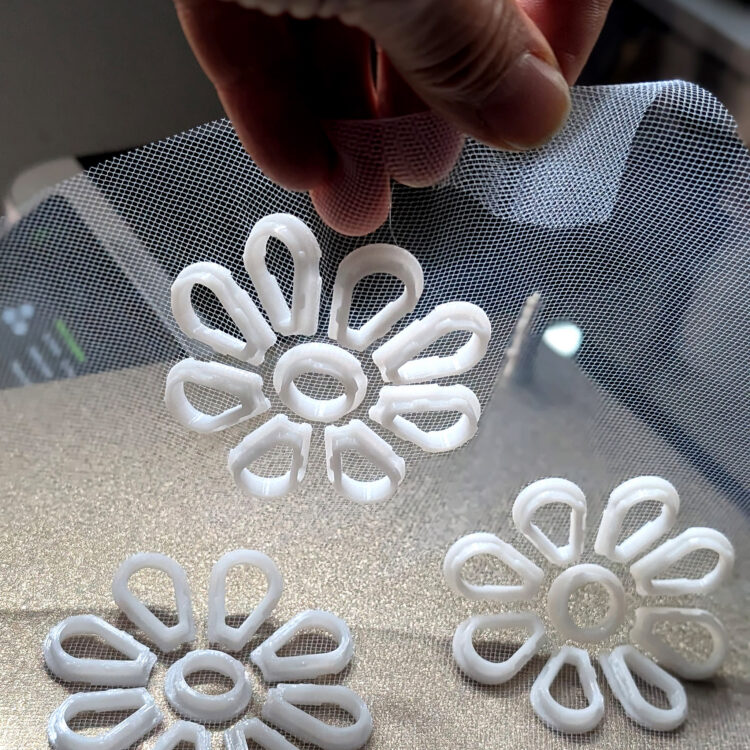
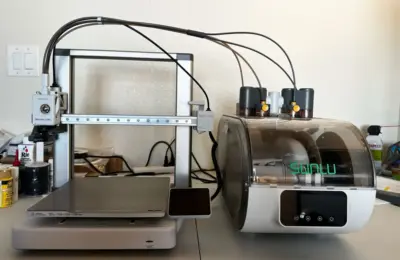
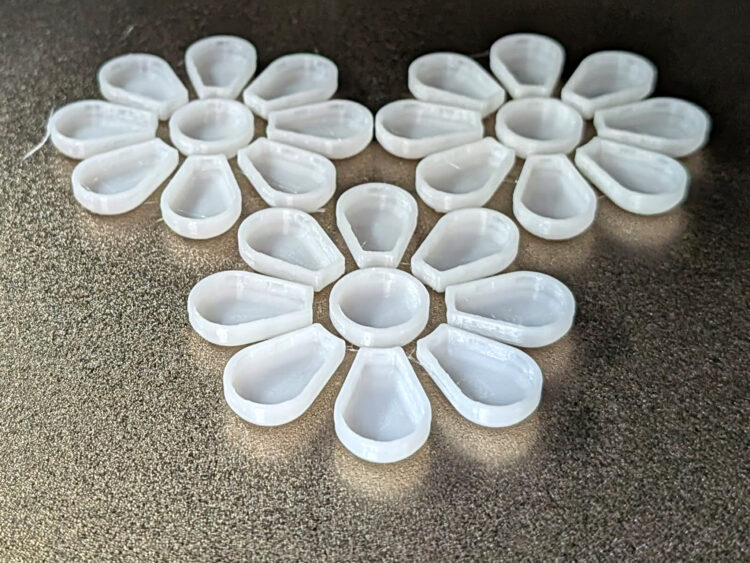
Rather than relying purely on traditional embroidery, Ansell utilizes a multi-step 3D printing technique to construct the flowers, employing translucent white PETG filament. While PLA plastic is a common choice for many 3D printing hobbyists, PETG is selected here for its superior flexibility and durability, both crucial factors for items subject to the physical stresses of everyday wear. Specifically, filaments designed for lithophanes—such as California Filament’s Cloudy White PETG—are utilized for their exceptional light-diffusion properties, ensuring that the embedded LEDs glow evenly rather than creating harsh, localized bright spots.
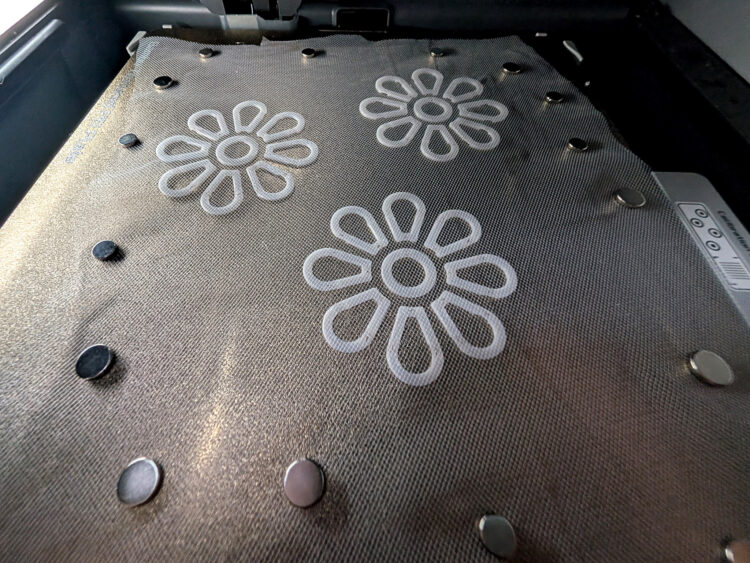
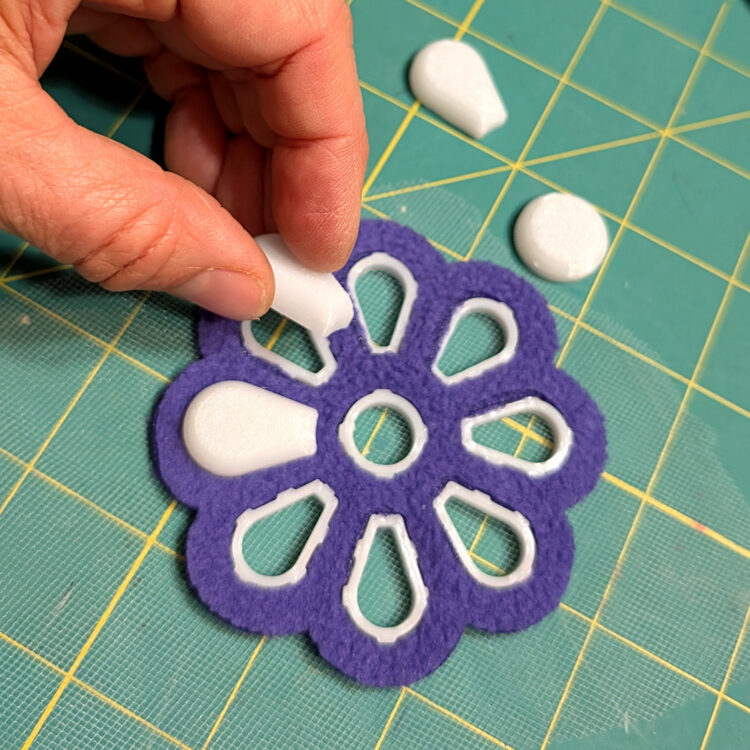
The construction of the flower base requires a clever technique known as pause-at-height printing. Makers import the base layer design file into their slicing software, setting a fine layer height and programming a temporary pause roughly 1.5 millimeters into the print. At this juncture, a layer of fine mesh tulle fabric is carefully laid across the partially printed plastic, held securely in place by small neodymium magnets or high-temperature Kapton tape to eliminate wrinkles. When the printer resumes, the hot PETG bonds directly through the porous mesh fabric, anchoring the fabric permanently to the plastic flower petals and center disc. This hybrid material approach allows the rigid plastic components to maintain their specific configuration while retaining the flexibility needed for a textile application.
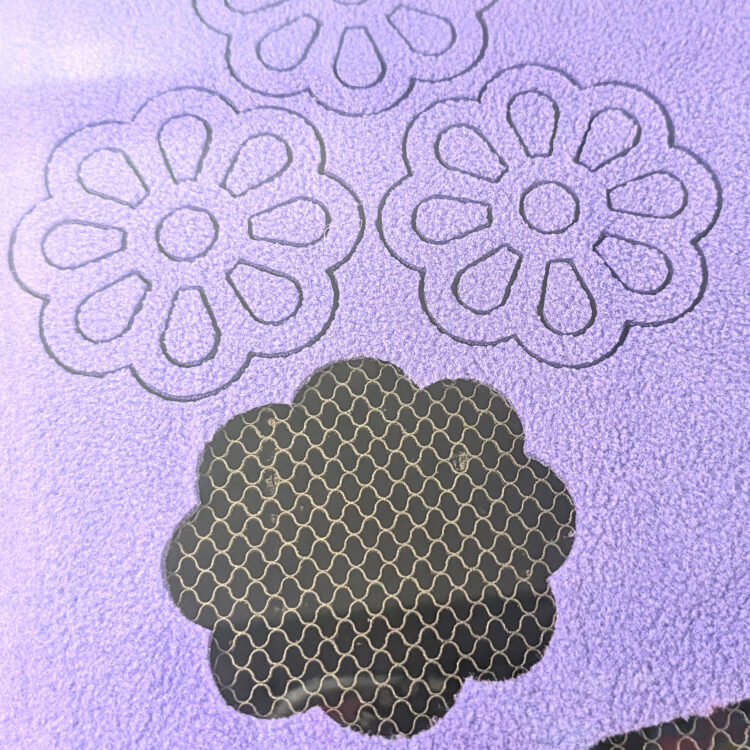
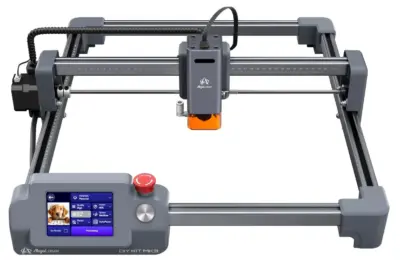
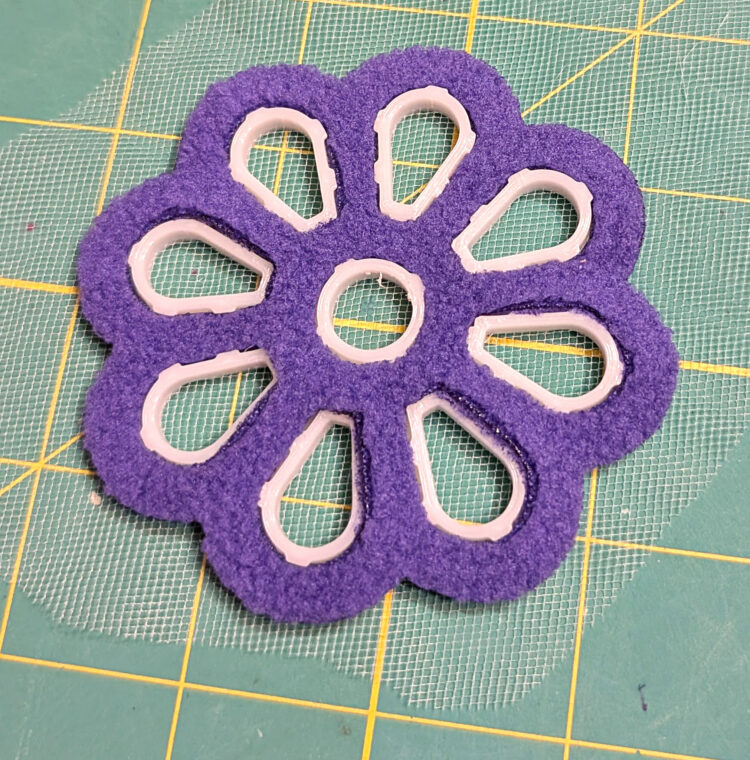
To frame the 3D-printed flowers and provide a clean transition to the denim, Ansell incorporates a border made from non-fraying materials such as thick fleece or PVC-free faux leather. These border pieces can be precisely cut using a laser cutter or carefully trimmed by hand using vector templates. While faux leather offers a tough, sleek outline complete with pre-perforated stitching guides, fleece provides a softer, tactile visual boundary that gently bridges the gap between the rigid printed elements and the woven texture of the denim.
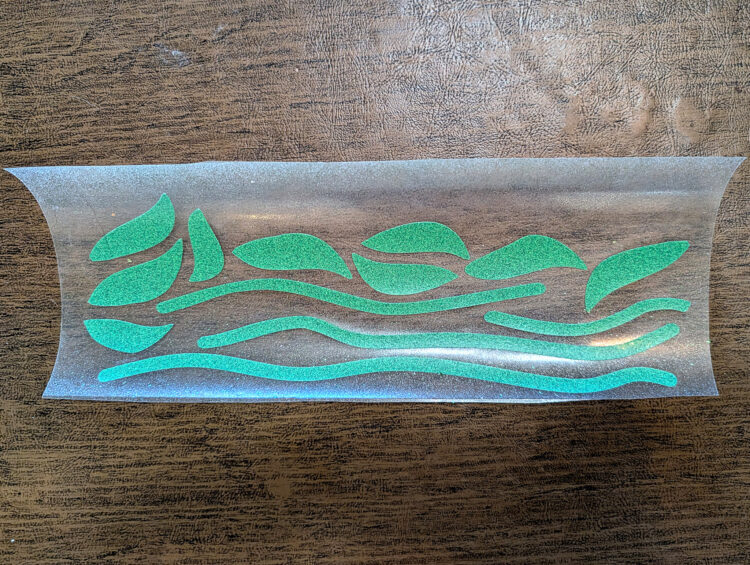
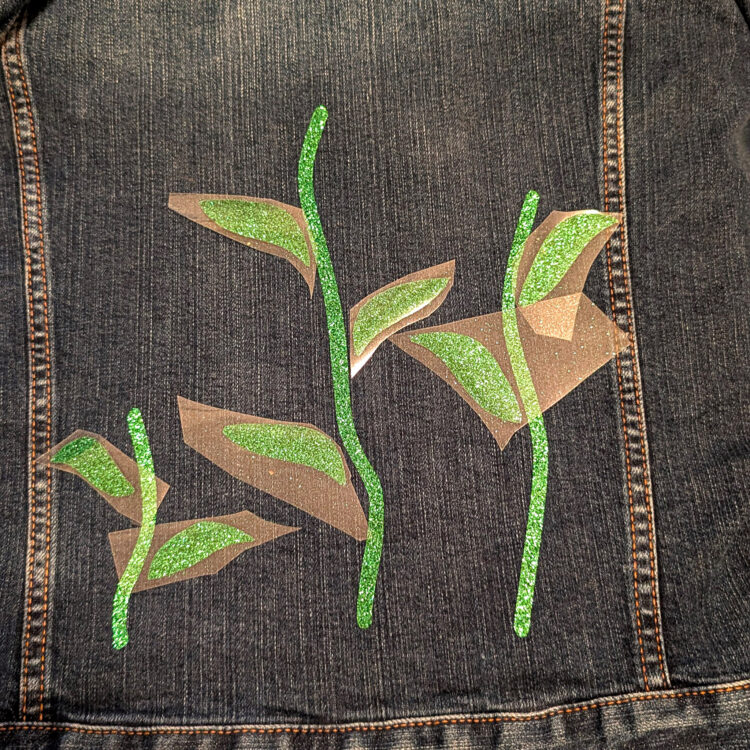
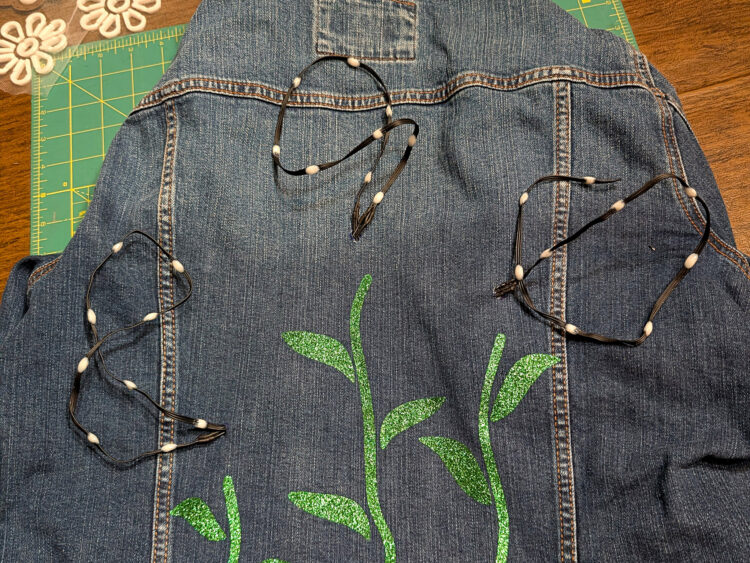
The botanical theme is further enhanced through the use of heat-transfer vinyl (HTV) to create intricate stems and leaves. Using a vinyl cutter, makers weed excess material from designs and iron them directly onto the exterior back panel of the jacket. By carefully arranging the stems and leaves beneath where the flowers will eventually sit, the final assembly mimics a natural, blooming garden winding across the back of the garment.
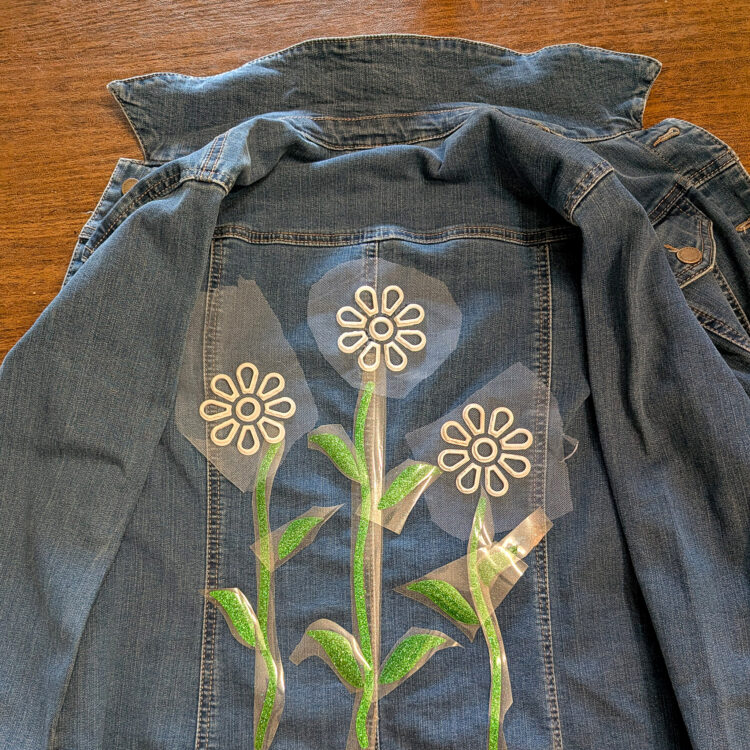
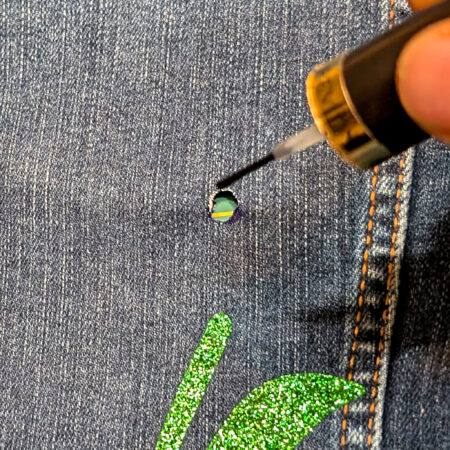
Routing the electronics requires careful planning to ensure the jacket remains comfortable and wearable. Small holes, approximately one centimeter in diameter, are cut directly through the back panel at the center point of each flower location. To prevent the denim from fraying over time, the edges of these holes are treated with a touch of clear nail polish or craft glue. These apertures serve as hidden conduits, allowing the wiring to pass seamlessly between the jacket’s exterior embellishments and its concealed interior lining.
The lighting system itself relies on addressable pebble-light strings, which are wired in series using three-wire silicone cable and connected to a compact microcontroller. Ansell details a specific soldering sequence, connecting a JST SM connector and three-pixel segments for each of the three flowers, ensuring that data flow and power lines remain uniform. Waterproof pebble lights are chosen specifically for their durability and weather resistance, a feature that proves essential later in the garment’s lifecycle. Once the LED strings are soldered and tested using a powered controller, they are attached to the mesh backing of the 3D-printed flowers using adhesive dots, neatly folding back on themselves to take up slack and align properly within each petal.
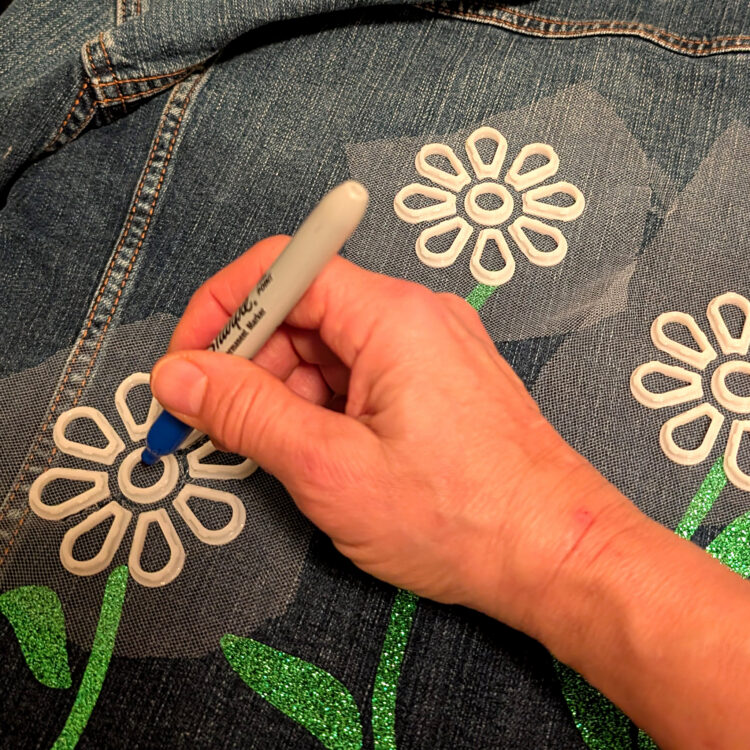
Attaching the completed flower assemblies to the jacket involves traditional hand-sewing techniques. Using coordinating thread and a needle, the border fabric is stitched directly to the denim. If using faux leather, the needle passes cleanly through the pre-cut perforations, whereas fleece allows for a simple running stitch or a decorative applique technique like a blanket stitch. Great care must be taken during this stage to avoid accidentally piercing the silicone-insulated wires hidden beneath.
Once the flowers are firmly anchored to the exterior, attention turns to the interior of the jacket. The loose connecting wires spanning the gaps between the flowers are secured against the inside of the back panel using iron-on fusible interfacing. This step completely conceals the circuitry and protects the wiring from snagging when the jacket is put on or taken off. The primary power and control line is neatly routed toward an interior pocket, which houses a portable USB-C power bank and a compact WLED-compatible controller, such as units produced by QuinLED or Athom.
The integration of WLED software is a key factor in the project’s versatility. The open-source platform comes pre-loaded with a vast array of customizable lighting animations, color palettes, and transition speeds. Users can easily adjust the intensity of the glow, select specific color schemes to match an outfit or event, and organize their favorite patterns into automated playlists. Because the system runs on standard portable USB power banks commonly used for charging smartphones, the electronics remain entirely self-contained and portable.
Despite its high-tech interior, the BedazzLED jacket remains remarkably practical. The use of waterproof pebble lights means that once the removable power bank and controller are detached, the entire garment can be safely hand-washed in cold water. Ansell notes that the project also serves as a proof-of-concept that can easily be scaled to other accessories, suggesting that similar techniques could be adapted for baseball caps featuring a single illuminated blossom or expanded to cover tote bags and other fabric goods with sprawling, glowing gardens.
Through projects like this, showcased prominently within the maker community and the pages of Make: magazine, the boundaries of smart textiles continue to expand. By combining accessible desktop fabrication tools with traditional garment modification, makers are finding new ways to blend personal style with interactive technology.