
For pet owners navigating a canine diabetes diagnosis, the search for dietary solutions often leads to a hunt for a single, miracle ingredient. However, veterinary nutritionists and clinical experts agree that managing diabetes in dogs is less about finding a magic formula and far more about establishing a highly predictable, repeatable routine. The ideal diabetic dog food is not a one-size-fits-all product; rather, it is a complete and balanced diet tailored to an individual dog’s weight, muscle condition, and concurrent medical needs, designed to be fed in precise portions at identical times every day.
While diet plays a critical role in managing the disease, it represents only one component of a broader therapeutic strategy. According to the American Animal Hospital Association (AAHA) diabetes management guidelines, insulin remains the cornerstone of treatment for clinical diabetes in dogs. To successfully regulate a diabetic pet, food intake, insulin administration, daily exercise, and blood glucose monitoring must function as a synchronized, cohesive system designed and monitored by a veterinary care team.
What Veterinarians Evaluate in a Diabetic Diet
When assessing a dog food formula for a diabetic patient, veterinarians focus on three primary goals: supporting steady nutritional intake, maintaining an ideal body condition, and establishing a repeatable insulin routine. The AAHA nutrition and weight management guidelines highlight several critical dietary components for canine diabetes, including the type and amount of fiber, protein adequacy, calorie density, and consistency across meals.
However, clinical experts emphasize that diabetic dogs are highly individual patients. A blanket prescription of a high-fiber or low-calorie diet is not appropriate for every animal. For instance, an underweight dog experiencing muscle wasting requires a significantly different nutritional profile than an overweight dog needing controlled weight loss. Furthermore, secondary diagnoses such as pancreatitis, kidney disease, elevated blood lipids (hyperlipidemia), food sensitivities, or a naturally poor appetite will heavily influence the selection process.

To determine the best dietary path, veterinarians perform a comprehensive evaluation of the individual patient. This assessment goes beyond the ingredient list to review:
- Nutritional Completeness: The food must serve as a complete and balanced daily diet, meeting all of the dog’s life-stage requirements unless another medical condition dictates a specialized therapeutic formula.
- Fiber Profiles: The presence of both soluble and insoluble fibers helps regulate digestion, but excessive fiber can decrease the palatability of the food or prevent an underweight dog from consuming enough calories.
- Protein Levels: Adequate high-quality protein is essential for maintaining lean muscle mass, especially in dogs that have experienced weight loss prior to diagnosis. However, protein levels may require careful adjustment if the dog also suffers from compromised kidney or urinary health.
- Calorie and Fat Density: Precise calorie targets allow for controlled weight management, whether the goal is weight loss, gain, or maintenance. Dietary fat must also be carefully monitored, particularly because diabetic dogs are highly susceptible to pancreatitis and high blood fats.
- Palatability and Format: A diet is only effective if the dog eats it reliably. Food aversion, dental disease, or nausea can disrupt a strict feeding schedule, making the physical format and taste of the food a primary safety consideration.
To facilitate these decisions, pet owners are encouraged to gather exact product labels, calorie statements, ingredient lists, and current feeding measurements to review directly with their veterinarian. This allows the clinical team to compare the nutritional facts of the food with the dog’s physical trend data, including muscle condition scores, glucose curves, and overall appetite.
The Scientific Role of Fiber and Macronutrients
Fiber is widely recognized as a beneficial tool in diabetic dog nutrition, but veterinary experts caution that it must be utilized correctly. According to the NC State College of Veterinary Medicine, insoluble fiber adds bulk to the diet and physically slows the passage of food through the digestive tract, while soluble fiber can delay the absorption of simple carbohydrates. Together, these mechanisms help prevent the sharp, rapid spikes in blood glucose that typically occur immediately after a meal. Additionally, the increased volume provided by fiber helps overweight dogs feel full and satisfied even while on a restricted-calorie plan.
Despite these benefits, adding excessive fiber is not a universal solution. For dogs that are already underweight or struggling with a poor appetite, a highly bulky, low-calorie diet can make it difficult to consume sufficient nutrients, potentially worsening muscle loss.
Similarly, the balance of protein and carbohydrates must be evaluated within the context of the dog’s overall health. While diabetic cats often thrive on ultra-low-carbohydrate diets, this approach should not be automatically applied to dogs. Canine diabetes physiology differs from feline diabetes, and there is no single carbohydrate percentage that defines a proper diabetic dog food. Instead, the focus remains on carbohydrate quality and consistency. Avoiding simple sugars and unmeasured treats is far more critical than eliminating carbohydrates entirely, as a steady, known carbohydrate source allows the veterinary team to safely align the dog’s insulin doses with their post-meal glucose response.
Establishing a Strict Routine: Meal Timing, Insulin, and Monitoring
In the management of canine diabetes, a highly predictable routine is a vital safety mechanism. Feeding schedules should remain identical from day to day, with the same measured portion of food served at the exact times prescribed by the veterinarian. Insulin must be administered in direct relation to these meals, and daily exercise levels should remain relatively stable to avoid sudden fluctuations in glucose utilization.
Clinical guidance from NC State College of Veterinary Medicine notes that a twice-daily feeding schedule, spaced approximately 12 hours apart, is the most common routine for diabetic dogs. A fundamental rule of this schedule is confirming that the dog has actually consumed its meal before administering the prescribed insulin dose. Because insulin lowers blood glucose, giving a full dose to a dog that has refused its meal can result in severe, life-threatening hypoglycemia.
Achieving true meal consistency requires eliminating guesswork:
- Precise Measurement: Food should be measured using a digital kitchen scale or a dedicated, consistent measuring utensil rather than relying on loose estimations.
- Accurate Recording: Caregivers should keep a daily log of exactly how much food was eaten. If a dog leaves a portion of its meal, the exact leftover amount should be recorded rather than rounded up or ignored.
- Strict Timing: Meals and insulin should be given at the same times each day. If a meal is delayed, or if there is uncertainty about whether a family member already administered a dose, owners must refer to their clinic’s specific emergency guidelines rather than guessing or doubling a dose.
A simple daily log is an invaluable tool for both the owner and the veterinarian. By tracking the time and size of each meal, the exact timing and dosage of insulin, daily water consumption, urination frequency, overall energy levels, and any approved treats, pet owners can provide their veterinary team with the data necessary to make informed adjustments to the treatment plan.
Navigating Treats, Home-Cooked Diets, and Non-Prescription Foods
A common challenge for pet owners is managing treats and dietary extras. While diabetic dogs do not necessarily have to live a completely treat-free life, any extras must be strictly budgeted, measured, and factored into the dog’s daily caloric allowance. Random table scraps, sugary commercial treats, fatty meat trimmings, and large chew toys with unknown caloric values can easily disrupt blood glucose control and make clinical data difficult for veterinarians to interpret.
For owners interested in preparing homemade meals, veterinary professionals advise against using improvised recipes. A simple diet of chicken, rice, and vegetables is highly unlikely to provide complete and balanced nutrition over the long term. Imbalanced diets can lead to severe nutritional deficiencies and make blood glucose levels incredibly difficult to stabilize. Any home-prepared diet must be formulated by a board-certified veterinary nutritionist or a veterinarian with specialized training in clinical nutrition, and the recipe must be followed precisely without any ingredient substitutions.
When considering over-the-counter or non-prescription dog foods, pet owners must look beyond marketing claims on the front of the packaging. While some commercial foods contain appropriate fiber profiles and quality ingredients, they must still be evaluated against the dog’s specific veterinary targets. A non-prescription food is only appropriate if it matches the dog’s required calorie density, supports an ideal body condition, remains compatible with concurrent health risks like pancreatitis, and is eaten reliably by the dog on a strict schedule. Any transition to a new food—prescription or otherwise—must be done gradually under the supervision of a veterinarian to prevent digestive upset and allow for safe, concurrent adjustments to insulin dosing.
The Role of Gently Cooked Fresh Diets
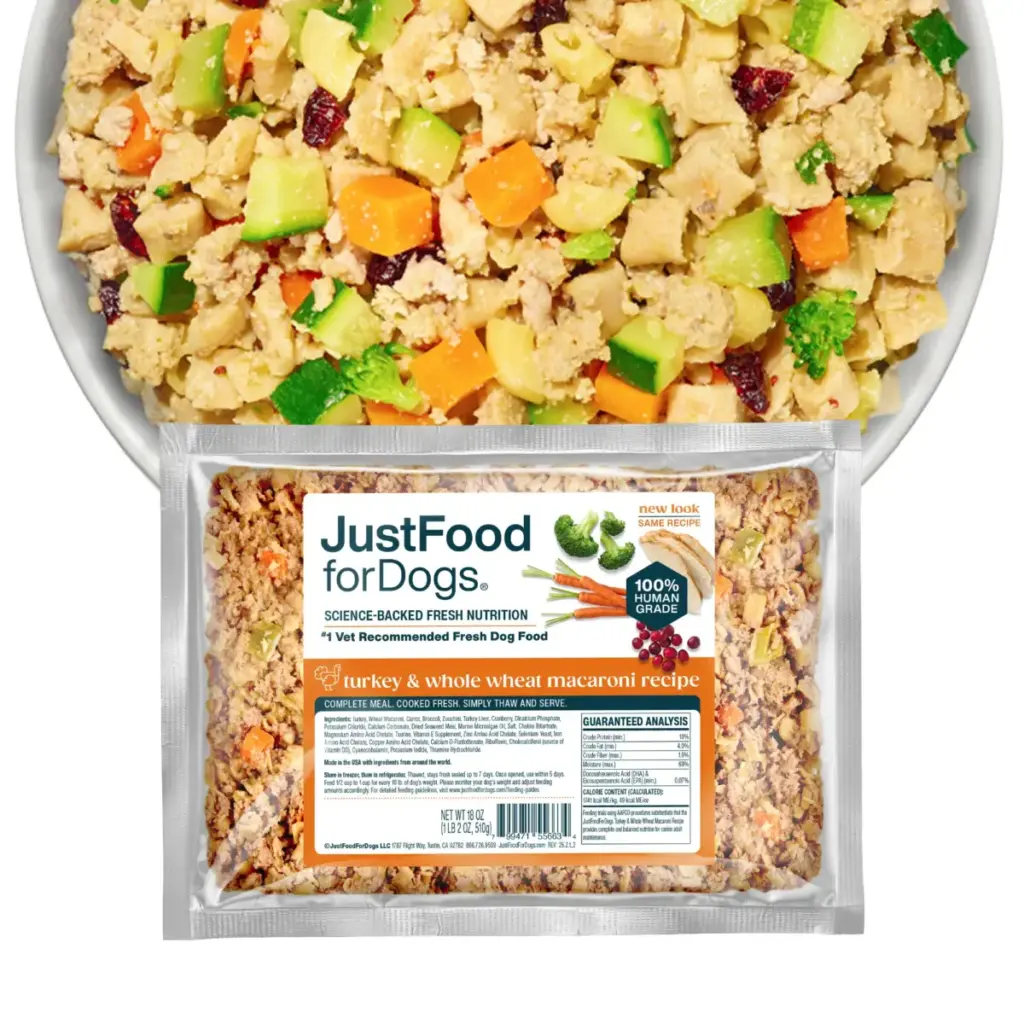
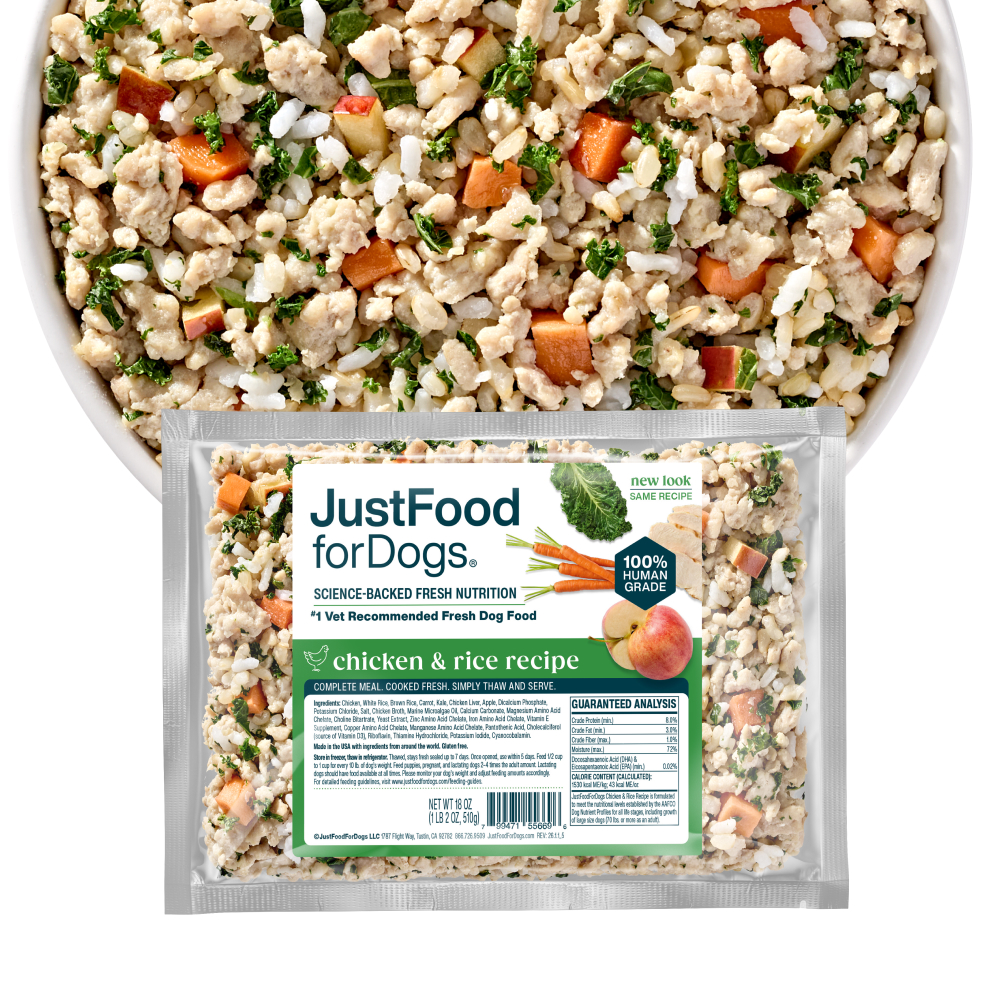
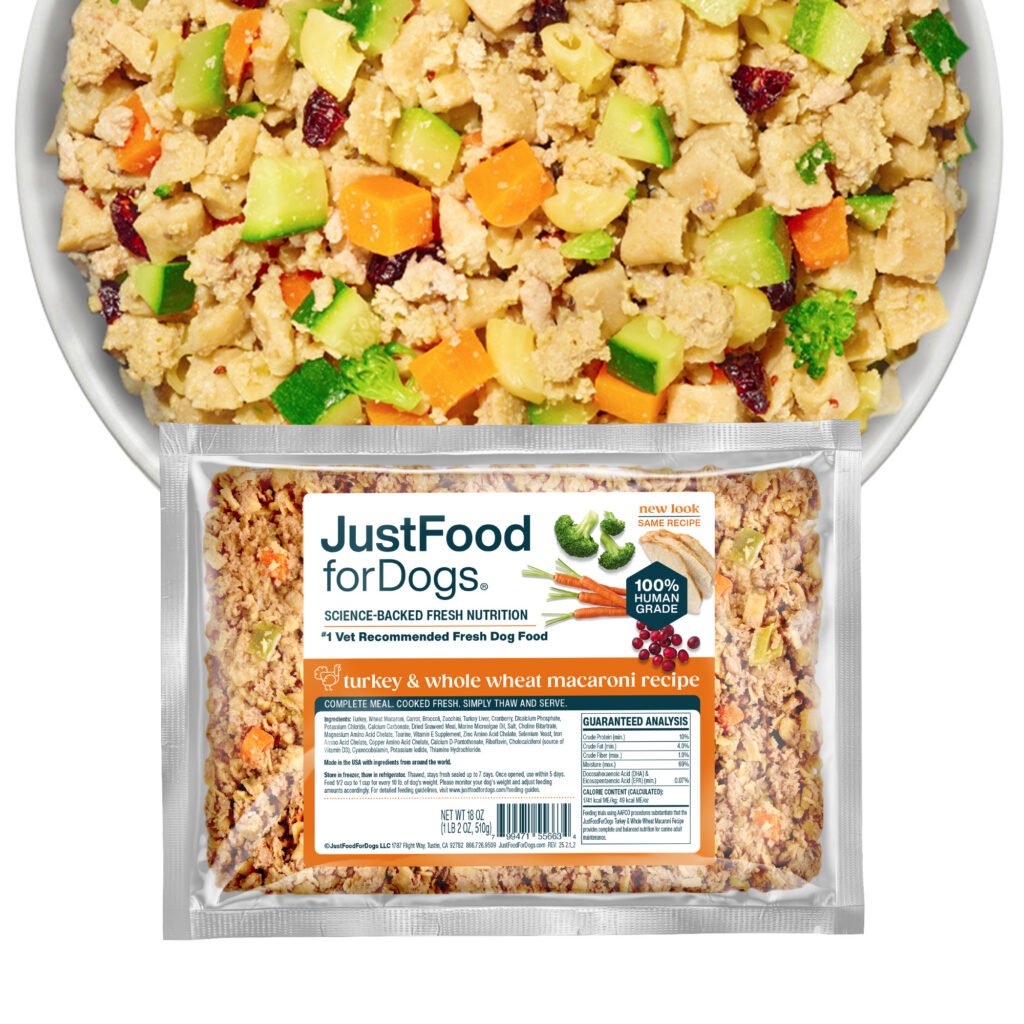
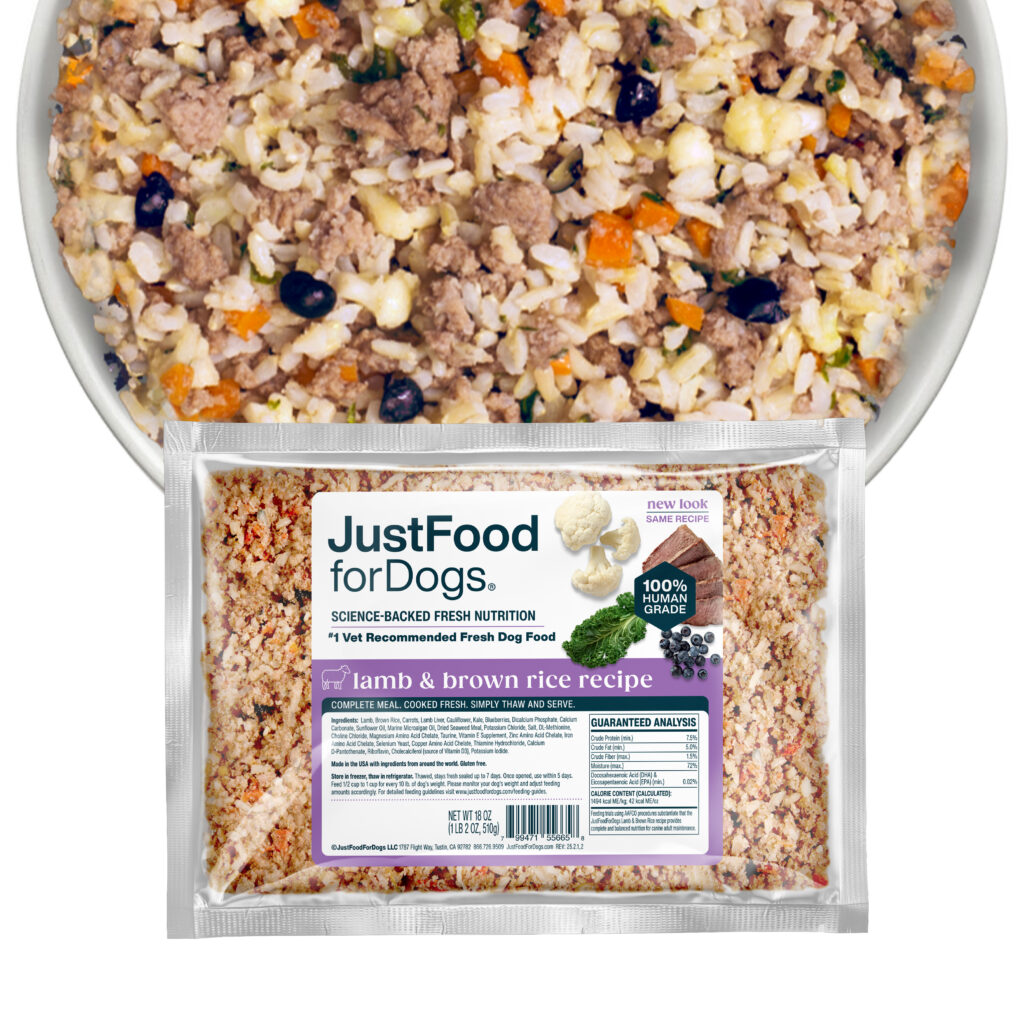
In recent years, gently cooked fresh diets, such as those offered by JustFoodForDogs, have emerged as a practical option for managing diabetic pets. One of the primary clinical advantages of these fresh food formulations is the detailed transparency of their nutritional data. Because the company publishes exact, comprehensive ingredient profiles and calorie counts for each recipe, veterinarians have the precise data needed to calculate daily portions and align them with an insulin protocol.
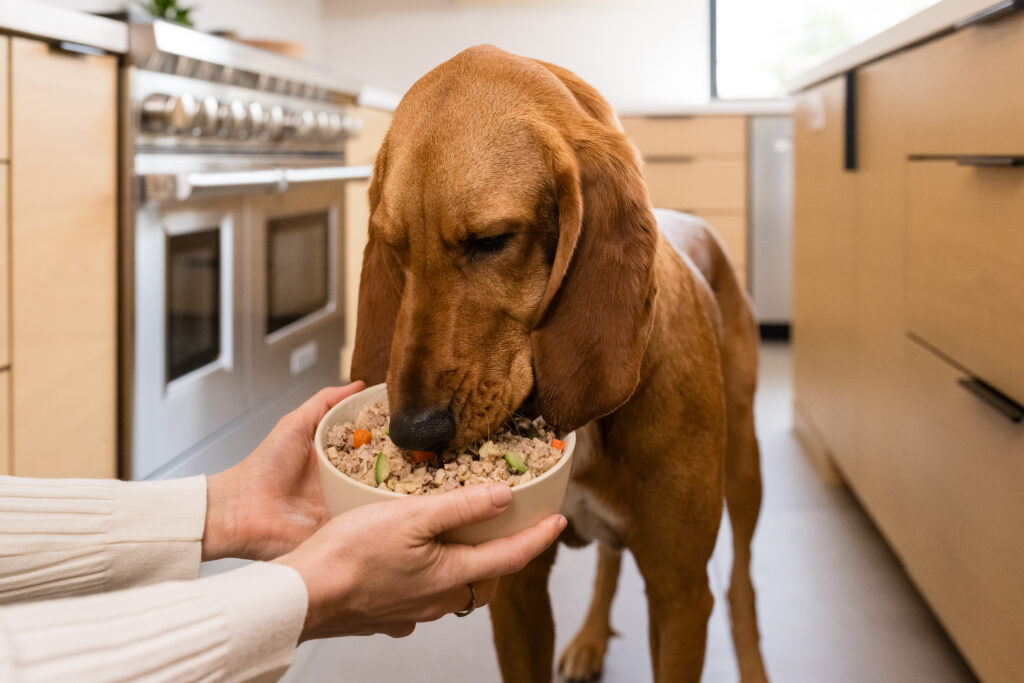
Additionally, the natural aroma and soft texture of gently cooked fresh food can be highly beneficial for diabetic dogs struggling with poor appetite, dental issues, or food aversion. Because ensuring a dog eats its entire meal before receiving insulin is a critical safety checkpoint, the high palatability of fresh food can make maintaining a strict routine much easier for caregivers.
However, veterinary supervision remains essential. The veterinarian managing the dog’s care must select the specific fresh food recipe and determine the exact daily portion size, ensuring the food’s fat, fiber, and protein levels are appropriate for the dog’s complete medical profile.
Recognizing Warning Signs and Emergency Situations
Even with a meticulous feeding and insulin routine, a diabetic dog’s regulatory needs can change over time due to aging, shifts in physical activity, or the development of secondary infections and illnesses. Pet owners must monitor their dogs closely and contact their veterinary clinic if they observe persistent changes in behavior or physical health.
Routine indicators that a feeding or insulin plan needs a clinical review include:
- Repeated refusal of meals, vomiting, or diarrhea.
- Unexplained weight loss or rapid weight gain.
- A noticeable return of classic diabetic symptoms, such as excessive thirst and frequent urination.
- General lethargy or a sudden drop in daily energy levels.
Conversely, some symptoms point to a critical medical emergency. Signs of severe hypoglycemia—which can occur if a dog receives too much insulin, exercises excessively, or does not eat enough food—require immediate veterinary intervention. Homeowners should seek urgent veterinary care if their dog exhibits:
- Extreme physical weakness or loss of coordination.
- Visible trembling or shivering.
- Disorientation, head tilting, or apparent confusion.
- Physical collapse or seizures.
The ultimate goal of a diabetic management plan is not to achieve perfect, unvarying blood glucose readings every hour of the day. Rather, the objective is to maintain a high quality of life for the dog, ensuring they feel active and comfortable, maintain a healthy body condition, and avoid dangerous metabolic extremes through a consistent, practical routine that fits seamlessly into the family’s daily life.