

This article is sponsored by The Honest Kitchen. Vetstreet maintains editorial control and uses current product information plus independent pet-nutrition and veterinary sources. Vetstreet may earn a commission if you purchase through links in this article.
The quest to find the best dog food for a selective canine companion often leads pet owners down a path of endless recipe switching and mealtime frustration. However, veterinary nutritionists and animal health experts emphasize that the ideal solution is not a magical flavor, but rather a complete-and-balanced food that a dog will eat consistently, served in a texture and routine that fits the household.
For a dog with a long-standing history of specific preferences—but who maintains a normal weight, healthy energy levels, and receives clear veterinary exams—simple environmental adjustments can make meals much more appealing. Gentle warming, added moisture, structured meal schedules, and carefully controlled toppers can successfully entice a hesitant eater. Conversely, when a dog suddenly refuses food, displays signs of pain, struggles to chew, vomits, experiences diarrhea, loses weight, or exhibits lethargy, the immediate priority must be veterinary intervention rather than a more tempting recipe.
Within this nutritional and behavioral framework, specialized options can serve as valuable tools. High-quality complete meals can act as a nutritional anchor, while targeted additions like bone broth or single-protein boosters can introduce moisture, aroma, and appealing textures. The key to long-term success lies in assigning each product the specific role supported by its label, ensuring that supplemental toppers remain limited enough that they do not displace the balanced nutrition of the primary diet.
First: Is Your Dog Picky or Is Something Wrong?
In veterinary medicine, "picky" is a descriptor of behavior rather than a clinical diagnosis. Many healthy dogs possess stable flavor or texture preferences, maintaining their ideal weight and body condition even while routinely declining less-favored meals. However, a new or sudden decrease in food intake can be an early indicator of underlying physical distress. This includes dental pain, difficulty chewing or swallowing, nausea, gastrointestinal disease, side effects from medication, environmental stress, localized pain, or systemic illness.
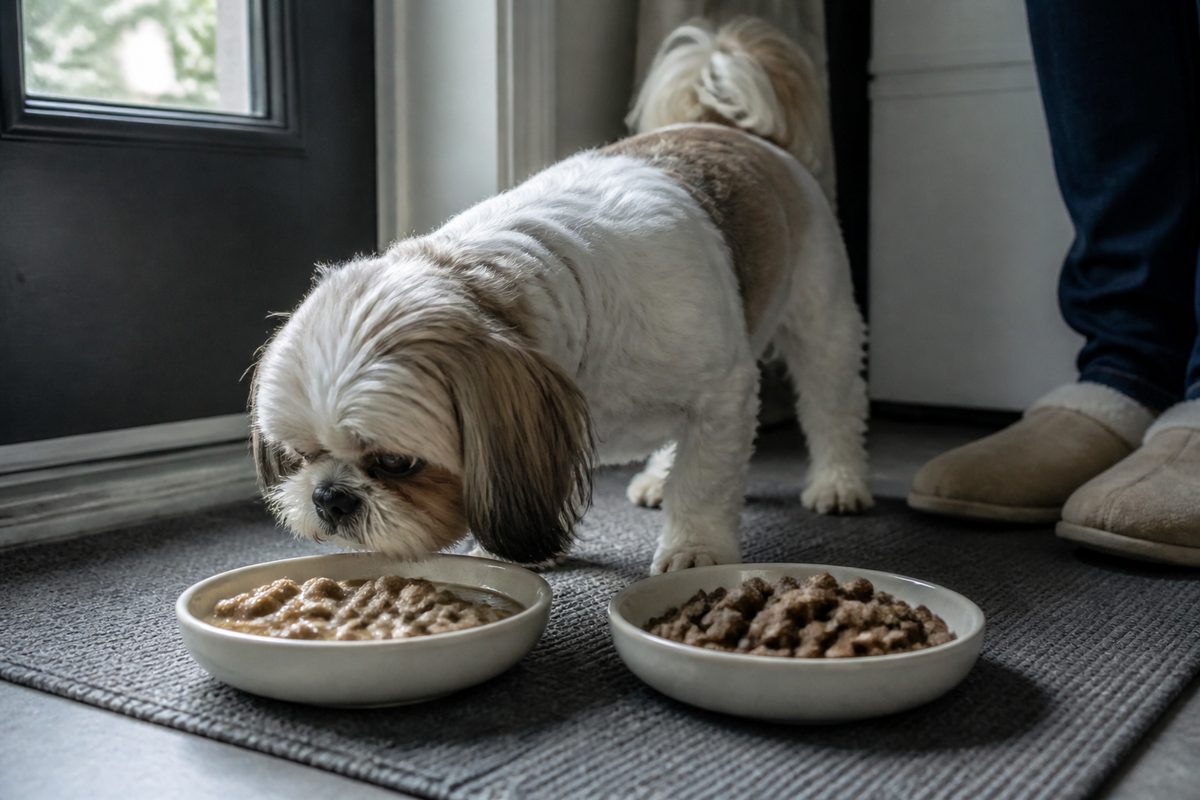
According to guidelines on canine anorexia published by VCA Animal Hospitals, it is crucial to distinguish true anorexia—a complete loss of appetite—from pseudo-anorexia, a state in which a dog wants to eat but is physically prevented from doing so. A dog experiencing pseudo-anorexia may approach the food bowl eagerly but back away, drop kibble, chew on only one side of the mouth, or drool excessively. These patterns indicate a physical barrier to eating, such as periodontal disease or swallowing difficulties, rather than a dislike of the food’s flavor.
To systematically evaluate a dog’s eating habits, owners should observe several distinct behavioral patterns and align them with the appropriate response:
- Long-standing preferences: When a dog displays normal energy and maintains a stable weight but consistently favors specific complete foods, owners should review the daily feeding routine, total calorie intake, food texture, and the pet’s veterinary history. It is a mistake to assume the dog simply needs a continuous rotation of novel foods.
- Sudden food refusal: If a dog who previously ate normally suddenly begins skipping meals, owners should contact their veterinarian promptly. This sudden shift should never be dismissed as simple pickiness that can be resolved with a tasty topper.
- Mouth or chewing difficulties: When a dog approaches the bowl but drops the food, chews awkwardly on one side, or drools, a prompt oral and veterinary evaluation is required. Assuming the dog merely dislikes the flavor can delay treatment for painful dental conditions.
- Nausea or gastrointestinal concerns: Symptoms such as frequent lip licking, repeated swallowing, vomiting, diarrhea, or grass eating point directly to gastrointestinal distress. Veterinary guidance is essential, and owners should not assume that hunger will eventually force the dog to eat.
- Pain or systemic illness: Lethargy, hiding, an altered or rigid posture, unexpected weight loss, or feverish behavior require a comprehensive veterinary exam. These are physical indicators of illness, not behavioral quirks.
- Stress or environmental changes: If a dog avoids eating in noisy areas, appears vigilant or anxious, or will only eat when moved to a different room, reducing environmental stress is the first step. While monitoring intake is crucial, owners should not assume that all appetite changes are entirely harmless.
Reviewing the Timeline and Bowl Behavior
When assessing a dog’s reluctance to eat, analyzing the timeline is vital. A dog that has preferred soft food for years but otherwise remains in excellent health presents a completely different scenario than a dog that ate normally yesterday but refused breakfast today. Owners should note any recent life events, including dental work, medication adjustments, boarding, travel, household changes, extreme weather, vomiting, changes in stool quality, potential toxin exposure, or access to household garbage.
Observing the dog at the bowl without placing pressure on them can yield highly informative clues. Watch whether the dog sniffs the food and walks away, licks the surface repeatedly, swallows dryly, or accepts high-value treats while completely ignoring their standard kibble. Tracking actual daily intake is equally important. Pet owners frequently report that a dog "barely eats," yet a close audit reveals the dog is receiving ample calories from training treats, dental chews, table scraps, or food stolen from another pet’s bowl. Measuring and weighing all offered food and leftovers for several days provides an accurate baseline of actual consumption.
Recognizing Red Flags
Certain clinical signs demand immediate veterinary attention, moving the issue entirely out of the realm of food selection. Prompt medical care is necessary if a dog displays sudden refusal to eat, marked lethargy, persistent vomiting or diarrhea, signs of abdominal pain or swelling, difficulty swallowing, or rapid weight loss.
The American Animal Hospital Association (AAHA) highlights changes in appetite, posture, movement, and general behavior as common indicators of pain in companion animals. Puppies, toy breeds susceptible to hypoglycemia, pregnant or lactating dogs, geriatric patients, and dogs managing chronic conditions like diabetes require urgent evaluation if their food intake drops. If there is any suspicion of toxin ingestion, a swallowed foreign object, or gastric dilatation-volvulus (bloat), emergency veterinary care must be sought immediately.
Even long-standing dietary preferences deserve professional investigation during routine wellness visits. Chronic, low-grade dental disease, persistent mild nausea, environmental anxiety, or learned mealtime negotiations can persist for years. Bringing a complete, detailed feeding history—including the exact brand of food, precise daily measurements, treats, supplements, table scraps, and weight trends—helps the veterinary team identify patterns that might otherwise be overlooked.
What Makes a Food More Appealing to Picky Dogs?
Dogs evaluate their food through a complex sensory hierarchy dominated by aroma, followed closely by temperature, texture, familiarity, and the social context of their environment. By adjusting these specific variables one at a time, owners can often stimulate a dog’s interest in their regular diet without triggering a frustrating cycle of constant recipe changes.
Sensory Enhancements: Aroma, Temperature, and Moisture
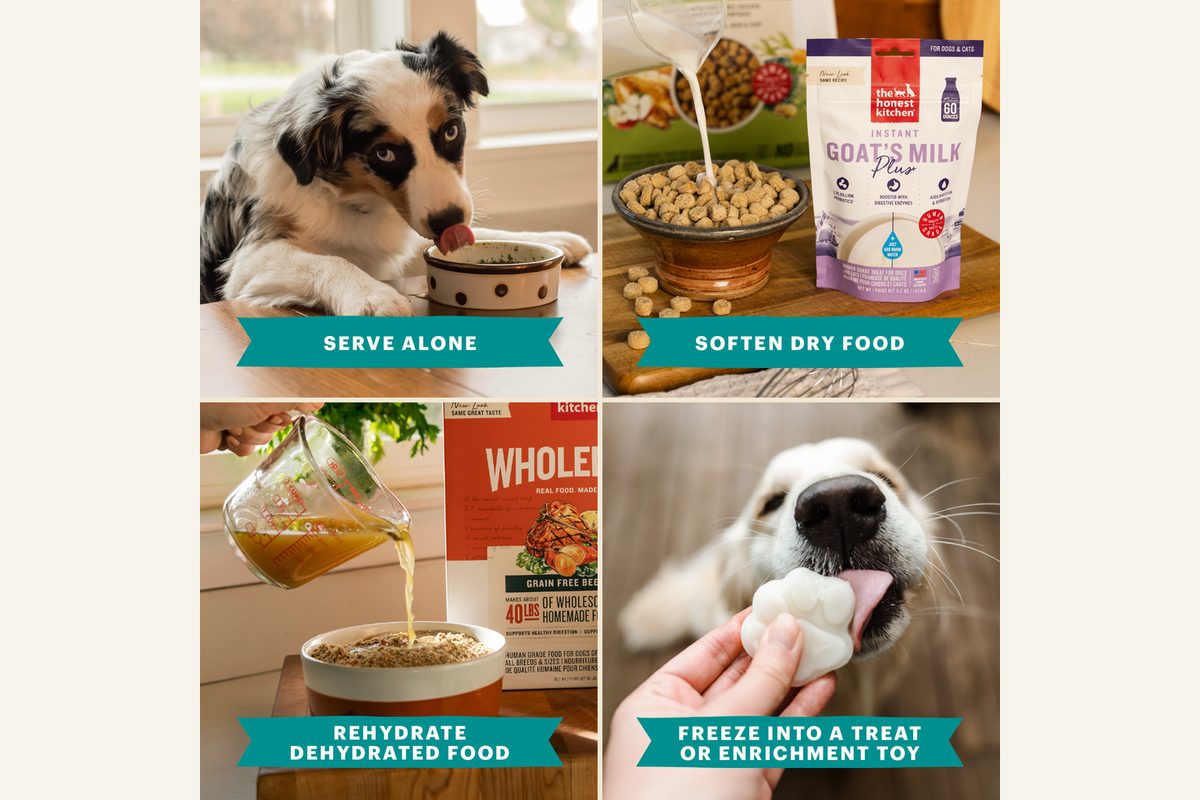
Because a dog’s sense of smell is incredibly sophisticated, aroma is the primary driver of appetite. Warm food releases significantly more aromatic volatile compounds than cold food straight from the refrigerator. Rehydrating dry food with warm water or adding a warm, dog-safe broth helps distribute these enticing scents throughout the entire bowl. It is crucial to ensure the food is warm rather than hot, and owners should always test the temperature before serving to prevent oral burns. While a enhanced aroma can tempt a healthy but hesitant dog, it will not overcome decreased appetite caused by underlying medical nausea.
Moisture also alters the mouthfeel of the diet and helps carry aromas. Adding a measured amount of dog-safe broth or rehydrating a dehydrated complete food can soften hard kibble, making it easier to manage. This addition must be done in a controlled, measured manner to keep the meal’s overall calorie count and nutritional balance clear.
Texture is another significant preference factor. Some dogs prefer a uniform, soft mash, while others favor distinct, chunky pieces or a satisfying crunch. A dog’s comfort when chewing and swallowing heavily influences these preferences. If a dog’s texture preference changes suddenly, or if chewing appears painful, the mouth should be examined by a professional rather than attempting to bypass the issue by continually blending or pureeing the food.
Environmental and Routine Adjustments
The context in which food is presented plays a major role in canine appetite. Feeding a dog in a quiet, low-traffic location, utilizing a clean bowl, and maintaining a predictable feeding schedule can significantly reduce anxiety. Many dogs are easily distracted or intimidated when forced to eat near noisy household appliances, busy doorways, or in close proximity to faster, more assertive housemates. Separating multi-pet households during feeding times often resolves apparent pickiness.
Furthermore, calorie accounting is essential. A dog that is continuously fed high-calorie training treats and table scraps throughout the day simply may not be hungry when mealtime arrives. Reducing these extra, unplanned calories often restores a healthy appetite for their balanced, complete food.
To systematically test these adjustments, owners should change only one variable at a time, observing the dog’s response over a three-day window. If you simultaneously warm the food, introduce a new topper, change the feeding location, and switch the bowl, it is impossible to determine which change actually helped. Keeping a detailed "preference map" of what the dog accepts or rejects can reveal valuable clues—such as a sudden preference for soft textures when chewing hard kibble becomes painful.
Best Complete-Meal Option: The Honest Kitchen Wholemade
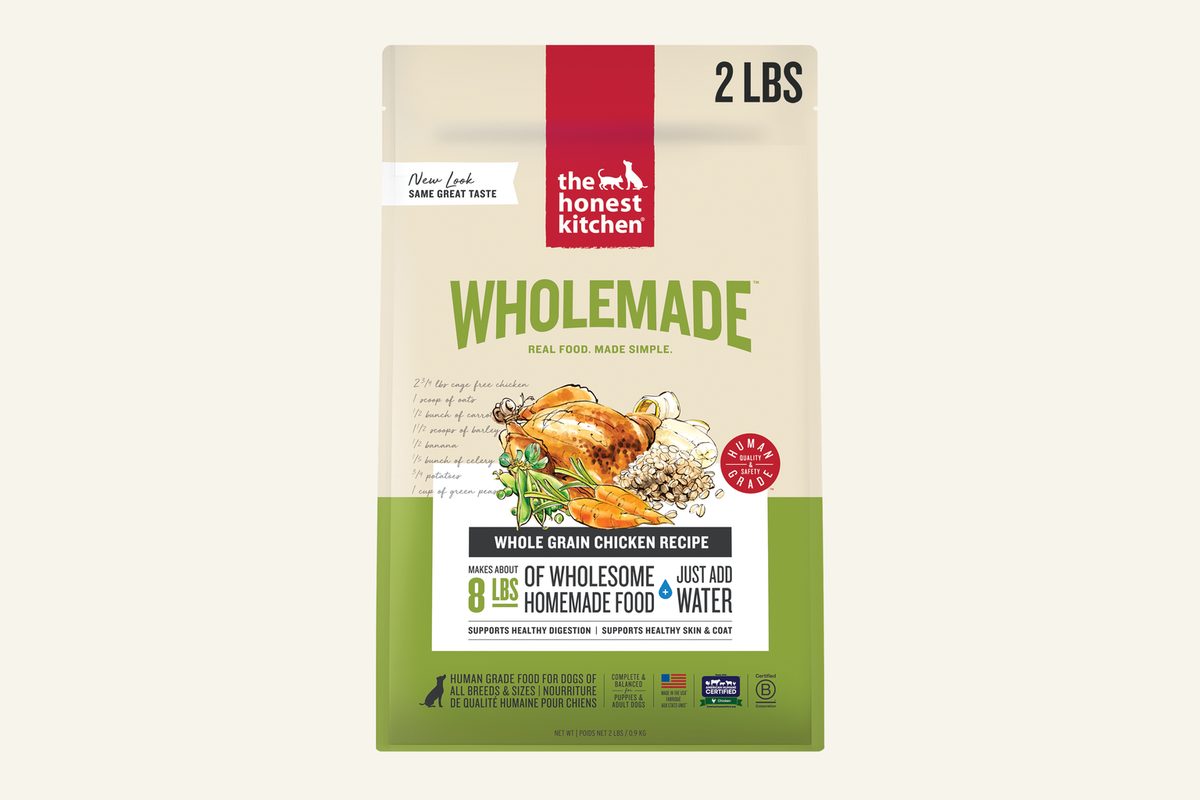
A successful dietary plan for a selective dog relies on a highly nutritious, complete-and-balanced primary food to carry the nutritional load. The Honest Kitchen Wholemade Whole Grain Chicken dehydrated recipe is an excellent anchor for this strategy. When prepared with warm water, it transforms into a soft, highly aromatic, and easily digestible meal that meets strict nutritional adequacy standards for its designated life stage.
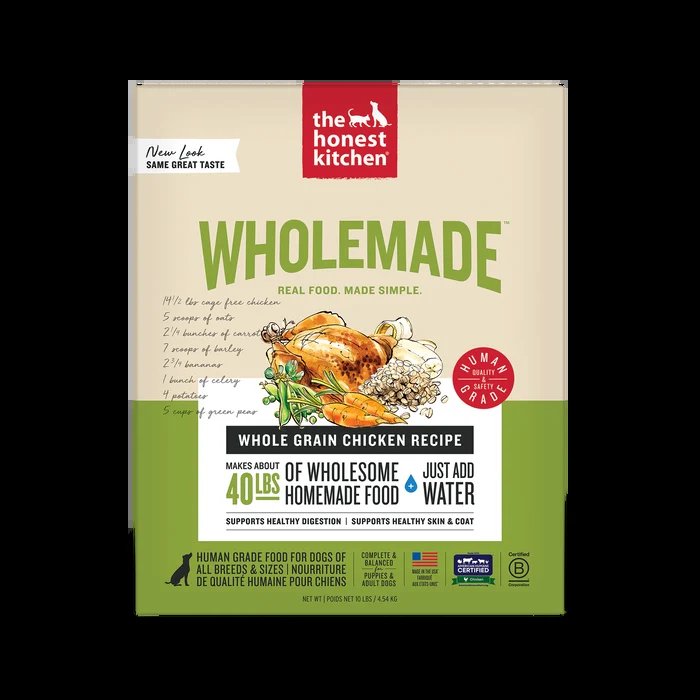
The preparation method for this dehydrated format is straightforward: owners measure the recipe-specific dry amount, add the recommended ratio of warm water, stir thoroughly, and allow the mixture to sit for three minutes before serving. The manufacturer recommends transitioning dogs to this new format gradually over a period of 7 to 10 days. This warm-water preparation naturally enhances both aroma and moisture content, eliminating the need for owners to construct a complex diet out of unbalanced, highly rich toppers.
Using a complete-and-balanced dehydrated meal as the core of the diet offers distinct advantages over relying solely on supplemental toppers. Toppers are highly concentrated in protein, moisture, or fat, which makes them incredibly appealing. However, if used without restriction, they can quickly displace the essential vitamins and minerals provided by the primary diet. Starting with a highly palatable, complete meal allows pet parents to evaluate if texture, temperature, and preparation routine solve the picky eating behavior before layering on additional products.
When introducing a dehydrated food like Wholemade, it is best to prepare a small, accurate portion and offer it alongside or mixed with the dog’s familiar food, slowly increasing the ratio over several days. Forcing a large, unfamiliar bowl of food on a hesitant dog while removing all alternatives can create a negative association, potentially leading to a learned aversion. If the dog carefully sorts out and eats only the familiar food, the transition should be slowed down. If any digestive upset or complete refusal occurs, owners should temporarily return to the previous safe diet and consult their veterinarian.
This format is particularly beneficial for dogs that prefer soft textures, those that benefit from increased dietary moisture, and owners who want a highly trackable, easily measured feeding routine. Conversely, dogs requiring strict therapeutic diets, those with known ingredient sensitivities to the recipe, or those experiencing acute medical crises require a specialized veterinary plan before any dietary transitions are attempted.
Best Moisture and Aroma Boost: The Honest Kitchen Pour Overs
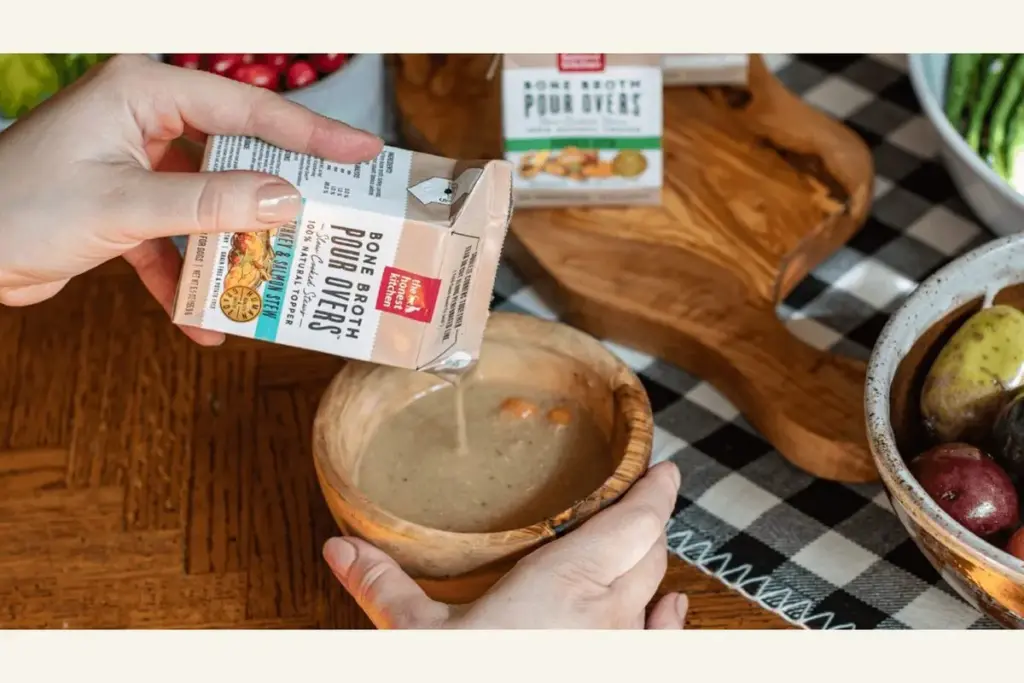
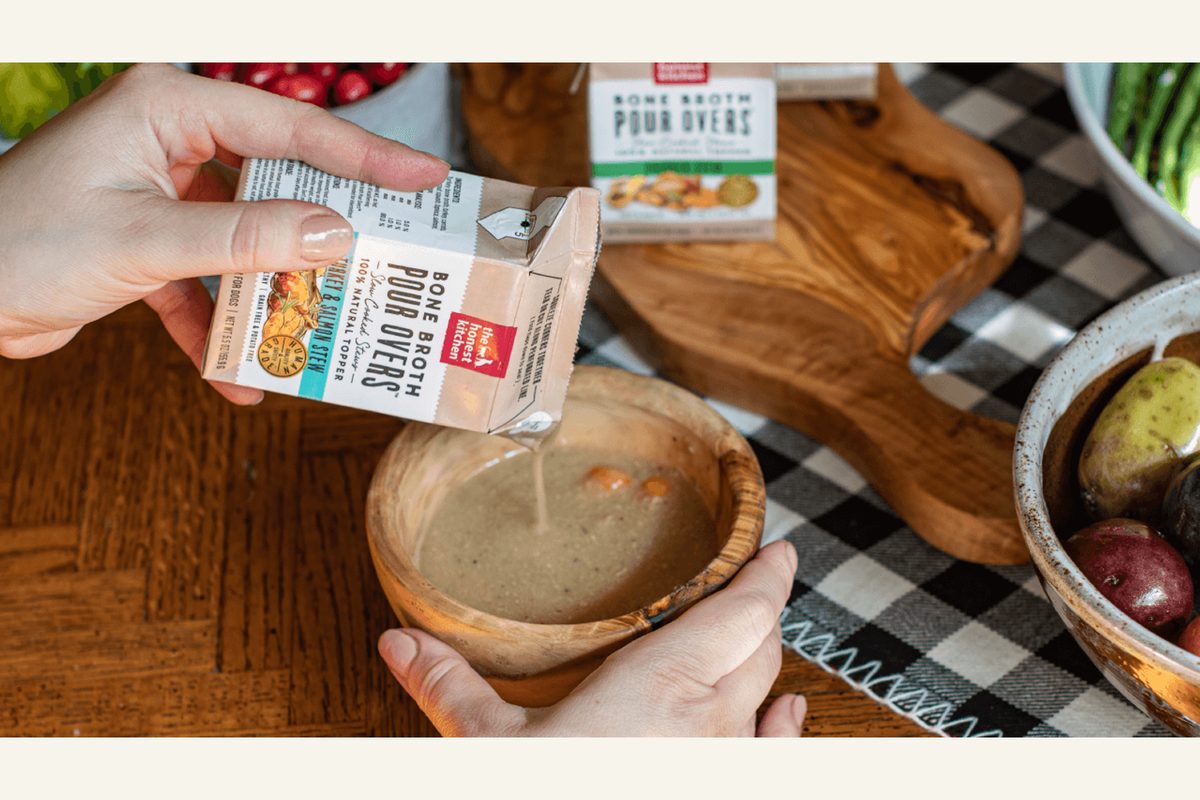
For dogs that require an extra boost of moisture and scent to stimulate their appetite, ready-to-pour supplemental options can be highly effective. The Honest Kitchen Bone Broth Pour Overs with Chicken, which typically feature a high moisture content of around 90%, provide a convenient way to add liquid, rich aroma, and a savory coating to a complete dry meal without the hassle of preparing homemade, sodium-heavy broths.
It is vital to remember that these pour-overs are strictly supplemental products and do not constitute a complete meal. They must be treated as a measured addition to the diet, and the calories they contribute must be factored into the dog’s overall daily energy allowance.
To use these toppers successfully without encouraging selective behavior, owners should pre-measure the portion and mix it thoroughly throughout the complete food. Simply pouring a rich pool of broth on top of the kibble often teaches the dog to lick off the tasty topper while leaving the nutritious base food untouched. If a dog begins refusing their meal unless increasingly larger amounts of topper are added, owners should halt the escalation. Constantly increasing the volume of toppers trains the dog to negotiate for richer additions and can ultimately unbalance their overall nutrient intake.
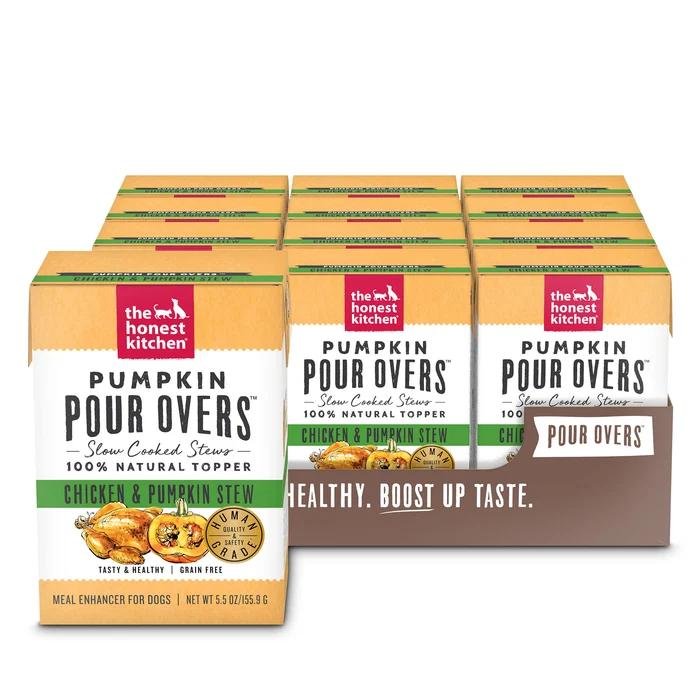
For added variety, options like Pumpkin Pour Overs with Chicken introduce alternative textures and flavors. While pumpkin-based toppers are popular, they should be used as planned, supplemental variety rather than marketed as home remedies for complex digestive issues. Like all supplemental products, they must be stored according to package directions, refrigerated promptly after opening, and discarded if not used within the recommended timeframe.
Best Simple Protein Boost: The Honest Kitchen Meal Booster
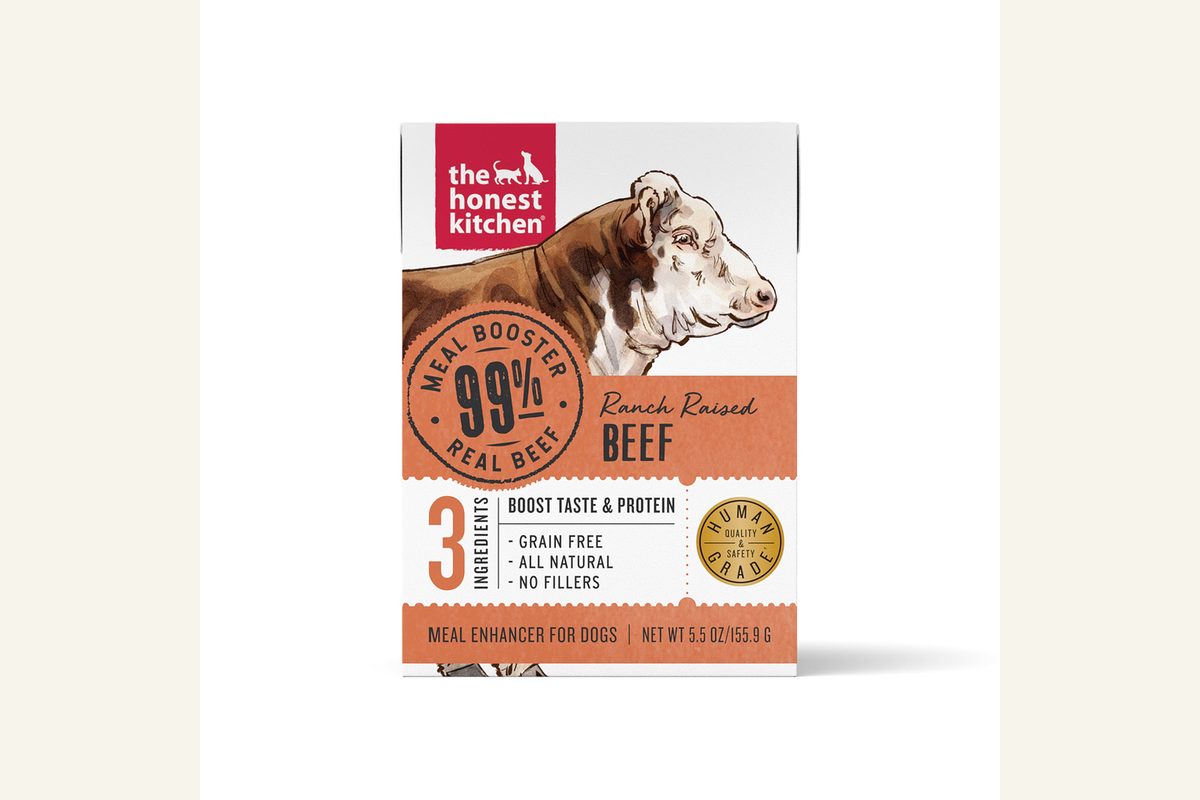
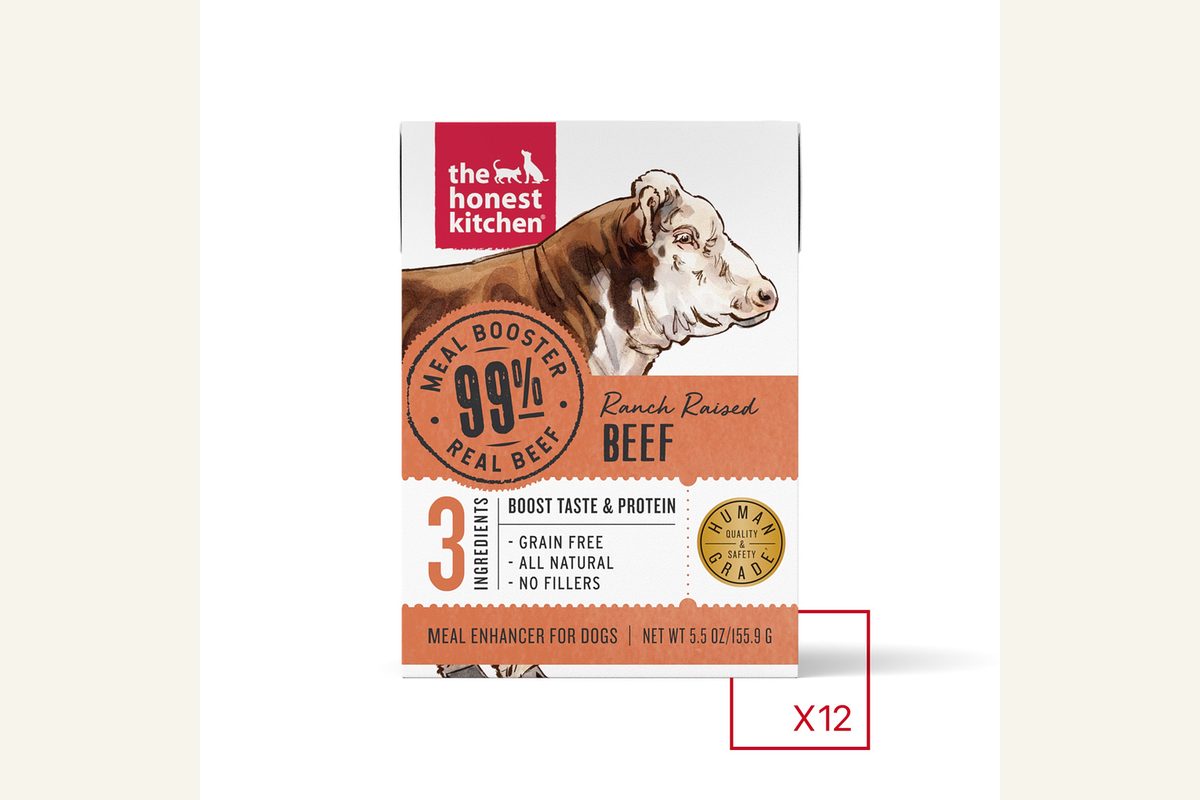
When pet owners wish to add a distinct protein punch to their dog’s bowl, a clean, simple topper can be highly effective. The Honest Kitchen Meal Booster 99% Beef offers a straightforward, beef-forward profile designed to be served directly over complete-and-balanced kibble or dehydrated food. This product is ideal for owners who want a clearly defined, single-protein addition rather than a complex, multi-ingredient mixture of table scraps.
Nutritionists recommend that supplemental toppers and treats should never exceed 10% of a dog’s total daily caloric intake. Keeping extras limited ensures that the dog continues to consume the precise balance of essential vitamins, minerals, and amino acids formulated into their primary complete diet.
Utilizing a single-source, labeled protein booster makes it much easier for owners to track and control exactly what enters their dog’s bowl. When owners react to a dog’s food refusal by adding a chaotic mix of cheese, deli meats, commercial gravies, and table scraps, the overall diet’s nutritional profile and calorie count become completely obscured. A labeled topper provides a transparent serving size and calorie count, allowing for precise dietary management.
However, even simple, high-quality beef toppers are not universally appropriate. They should be avoided for dogs on strict elimination trials, those with known beef allergies, or pets prescribed therapeutic diets for kidney, urinary, or gastrointestinal conditions. Owners should always budget these boosters within the dog’s total 10% daily "extra" allowance, rather than allocating a separate 10% limit to training treats, dental chews, and toppers individually.
A Practical Mealtime Plan for Picky Eaters
For a medically stable dog whose veterinary team has confirmed there are no underlying health concerns, a structured feeding plan can help establish consistency and reduce mealtime anxiety. This approach systematically tests different appeal factors while maintaining strict nutritional boundaries.
First, owners should measure the entire day’s food allowance, including all planned treats, toppers, and training rewards, setting them aside in a single container. This visual representation makes it easy for all household members to see exactly how many extra calories are being distributed. Meals should be offered at predictable, scheduled times in a quiet, designated location away from household distractions and competing pets.
If utilizing a dehydrated food, prepare it consistently according to the package directions, ensuring the water-to-food ratio is accurate and the temperature is comfortably warm. Place the bowl down calmly and give the dog space. Many experts recommend leaving the food undisturbed for a set period, such as 15 to 20 minutes, before quietly removing any leftovers. This helps establish a natural hunger rhythm and discourages the habit of grazing throughout the day.
A weekly consistency plan can help identify what specific changes positively influence the dog’s appetite:
- Day 1: Establish a quiet, distraction-free feeding location, keeping the food, portion size, and timing completely consistent.
- Day 2: Try serving the food on a clean, flat plate instead of a deep bowl to see if the shape of the dish or whisker fatigue affects the dog’s approach.
- Day 3: Gently warm the meal to release more enticing aromas, monitoring if this increases the dog’s initial interest and approach to the bowl.
- Day 4: Offer a soft, fully rehydrated texture to determine if a softer mouthfeel improves consumption.
- Day 5: Introduce a small, pre-measured pour-over mixed thoroughly through the base food to assess if added moisture and scent improve meal completion.
- Day 6: Try a small, measured single-protein booster to evaluate if a simple protein accent helps without leading to selective sorting.
- Day 7: Repeat the specific setup that yielded the most successful, consistent meal completion earlier in the week.
Throughout this process, keeping a simple daily log of what was offered, what was consumed, the dog’s behavior, and stool quality prevents owners from making emotional assumptions about their dog’s eating patterns. If the dog continues to refuse food or begins to lose weight, the plan should be paused, and the veterinary team should be consulted.
How to Use Toppers Without Unbalancing the Diet
The World Small Animal Veterinary Association (WSAVA) Global Nutrition Committee emphasizes the importance of keeping treats, toppers, and table scraps strictly limited to protect the integrity of a complete-and-balanced diet. When a significant portion of a dog’s daily calories comes from unbalanced supplemental foods, the overall nutrient density of their intake drops, potentially leading to long-term deficiencies in essential vitamins and minerals.
To calculate a dog’s daily "extra" budget, owners must first establish their pet’s target daily calorie requirement with their veterinarian. For example, if a dog requires 600 calories per day, the absolute maximum limit for all combined treats, dental chews, toppers, and training rewards is 60 calories. When a topper is introduced into the daily routine, the portion of the primary complete food must be adjusted downward slightly to prevent gradual, unhealthy weight gain.
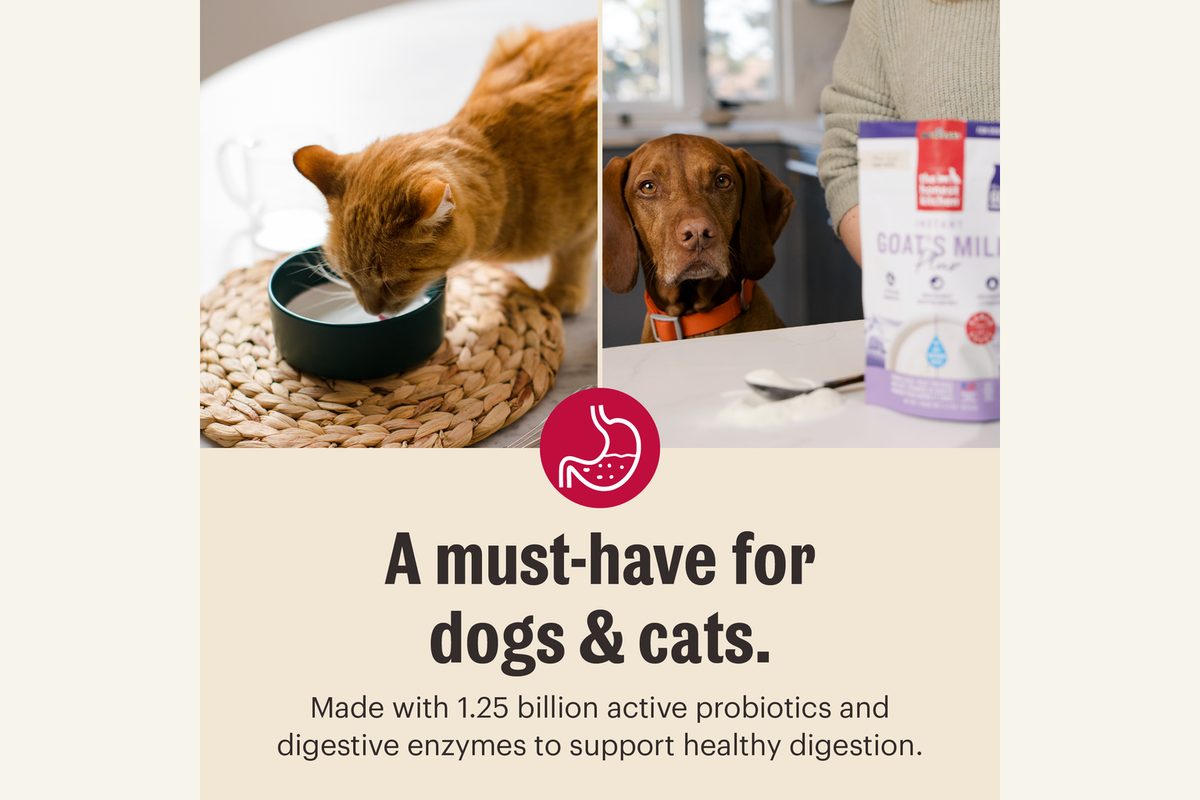
Additionally, owners must be vigilant about avoiding common human-food hazards when attempting to tempt a selective dog. Many commercial broths, gravies, and home-cooked meals contain ingredients that are highly toxic to dogs, including onions, garlic, chives, excessive sodium, grapes, raisins, chocolate, or the artificial sweetener xylitol. Using a labeled, dog-specific commercial topper is a far safer and more easily regulated option than offering seasoned leftovers from the family dinner table.
When to Call Your Veterinarian
Recognizing when selective eating transitions from a minor behavioral preference to a medical emergency is critical for safeguarding a dog’s health. Pet owners should seek prompt veterinary guidance if a dog’s appetite loss is sudden, lasts for more than 24 hours, or is accompanied by any of the following warning signs:
- Marked lethargy, weakness, or reluctance to stand
- Repeated vomiting or persistent, watery diarrhea
- Visible signs of pain, such as whining, trembling, or a hunched posture
- Obvious difficulty chewing, dropping food, or excessive drooling
- A noticeably swollen, firm, or painful abdomen
- Unexplained, rapid weight loss
For high-risk patients—including young puppies, toy breeds prone to hypoglycemia, pregnant or lactating dogs, senior pets, and those managing chronic illnesses like diabetes or kidney disease—waiting even 24 hours can be dangerous. Emergency veterinary evaluation should be sought immediately if there is any suspicion of toxin exposure, a swallowed foreign object, collapse, severe respiratory distress, or bloody vomit or stool.
When preparing for a veterinary visit regarding appetite loss, owners can help their medical team by bringing a detailed, written history. This should include the exact brands and formulas of all foods and toppers fed, precise daily measurements, a complete list of current medications and supplements, and a timeline of when the appetite change began. Taking a short video of the dog attempting to eat can also be highly valuable, as it allows the veterinarian to observe behaviors like head tilting, awkward chewing, or backing away from the bowl in real-time.
How to Choose a Food for a Medically Stable Picky Eater
Once any potential medical concerns have been thoroughly addressed and ruled out by a veterinarian, selecting the right food requires a structured, logical decision-making process.
First, owners must confirm the nutritional adequacy of the food by reading the official AAFCO statement on the packaging. This statement verifies that the diet is complete and balanced for the dog’s specific life stage, whether that is growth, adult maintenance, or all life stages. Next, owners should establish a clear daily calorie target based on their dog’s ideal body condition, rather than simply relying on generic feeding charts, which often overestimate calorie needs for sedentary household pets.
By utilizing the dog’s sensory preference map, owners can select a format that aligns with what the dog naturally enjoys. If the dog consistently favors warm, soft textures, a high-quality dehydrated complete food is a logical starting point. Ingredients should always be evaluated in the context of the dog’s specific health needs and any known veterinary restrictions. Eliminating entire food groups, such as grains or specific proteins, based solely on popular internet trends is not recommended and can unnecessarily complicate the search for a balanced diet.
Finally, the chosen food must fit practically into the household’s daily routine. Owners should realistically evaluate the preparation steps, storage requirements, and the long-term monthly cost at the dog’s actual required portion size. A successful transition is defined by a dog that maintains a healthy body weight, produces consistent, well-formed stools, and enthusiastically consumes their complete-and-balanced meals without requiring a continuous escalation of rich additions.
Picky-Eater Plans for Common Scenarios
Every dog’s selective eating habits manifest differently depending on their environment, age, and unique history. Applying targeted, practical strategies can help resolve these specific behavioral challenges:
- The dog eats treats but ignores meals: This common scenario usually points to a simple calorie imbalance. Owners should conduct a strict audit, placing all daily treats in a single container and halting all extras once it is empty. Reducing between-meal snacks naturally encourages a healthy appetite at mealtime.
- The dog will only eat when hand-fed: Hand-feeding often starts during a period of illness or stress and quickly becomes a learned expectation. To transition back to the bowl, owners should gradually place a few pieces of food into the dish while the dog is eating from their hand, slowly increasing the amount of bowl-fed food over several days in a calm, quiet environment.
- The dog demands a new flavor every few days: This cycle of novelty-seeking is reinforced when owners quickly open a new bag of food every time a dog hesitates. A more sustainable approach is to stick to one complete-and-balanced base food and introduce planned, controlled variety using small, measured toppers on a set schedule.
- The dog prefers soft food: If a veterinarian has cleared the dog of any oral or dental pain, transitioning to a high-quality, rehydrated dehydrated food is an excellent option. This provides a naturally soft, moisture-rich texture without relying on unbalanced gravies or canned foods that may be difficult to portion.
- Multi-pet household tension: Some dogs refuse to eat simply because they feel threatened by the presence of other pets. Feeding dogs in separate rooms with the doors closed gives each animal the security they need to eat at their own pace without anxiety.
Mealtime Behavior Without Blame or Pressure
Dogs are highly perceptive animals that learn quickly from the consequences of their actions. If a dog discovers that sitting quietly by their bowl and refusing to eat kibble consistently results in their owner adding roast chicken, cheese, or premium wet food, they will continue to wait. This behavior is not a form of manipulation; rather, it is a perfectly logical, learned response to household patterns.
To break this cycle, owners must maintain a calm, consistent approach. Offer a single, nutritionally complete meal prepared exactly the same way each day. If the dog chooses not to eat within the designated feeding window, quietly pick up the bowl without scolding, coaxing, or offering an immediate, high-value alternative.
Force-feeding, pushing a dog’s face toward the bowl, or smearing food on their muzzle should be strictly avoided. These high-pressure tactics generate intense anxiety, which can lead to a severe, long-lasting aversion to the food bowl. If environmental stressors like loud noises, remodeling, or separation anxiety are impacting the dog’s appetite, working with a credentialed veterinary behaviorist or professional trainer is far more effective than continuously changing the food’s flavor.
Common Picky-Eater Myths
A variety of persistent misconceptions surround canine appetite and selective eating behaviors:
- Myth: A healthy dog will never starve itself. While a healthy dog will generally not cause themselves severe harm, some highly sensitive or anxious dogs can go without adequate food for dangerously long periods. Appetite changes should always be evaluated by a medical professional rather than treated as a simple test of will.
- Myth: If the dog accepts high-value treats, they aren’t sick. Highly palatable, soft treats stimulate different pathways and are often accepted by dogs experiencing significant dental pain, nausea, or systemic illness. Accepting a treat is not a clean bill of health.
- Myth: Grain-free diets are naturally more appealing and healthier. A dog’s individual preference is driven by aroma, moisture, and texture, not by the presence or absence of grains. Diets should be selected based on complete nutritional formulation and individual health requirements.
- Myth: Adding more bone broth will cure a poor appetite. While dog-safe bone broth is an excellent tool for adding moisture and aroma, it does not address or treat the root cause of appetite loss, such as dental disease, organ dysfunction, or gastrointestinal blockages.
Frequently Asked Questions
Why is my dog suddenly refusing food?
A sudden refusal to eat is a common clinical sign of physical discomfort. It can stem from dental pain, gastrointestinal upset, systemic illness, medication side effects, or environmental stress. Owners should contact their veterinarian to rule out medical issues rather than assuming the dog has simply become selective overnight.
Should I warm my dog’s food?
Gentle warming is an excellent, low-risk way to enhance