



Visiting a traditional German beer garden offers a quintessential slice of European culture, drawing locals and travelers alike for festive celebrations, family gatherings, and spur-of-the-moment afternoon lunches. However, navigating the intricate unwritten social contracts and operational customs of these historic establishments can prove daunting for first-time visitors, particularly American tourists. Missteps frequently happen within the very first minutes of arrival, ranging from mistaken seating choices to misunderstandings regarding food and ordering protocols.
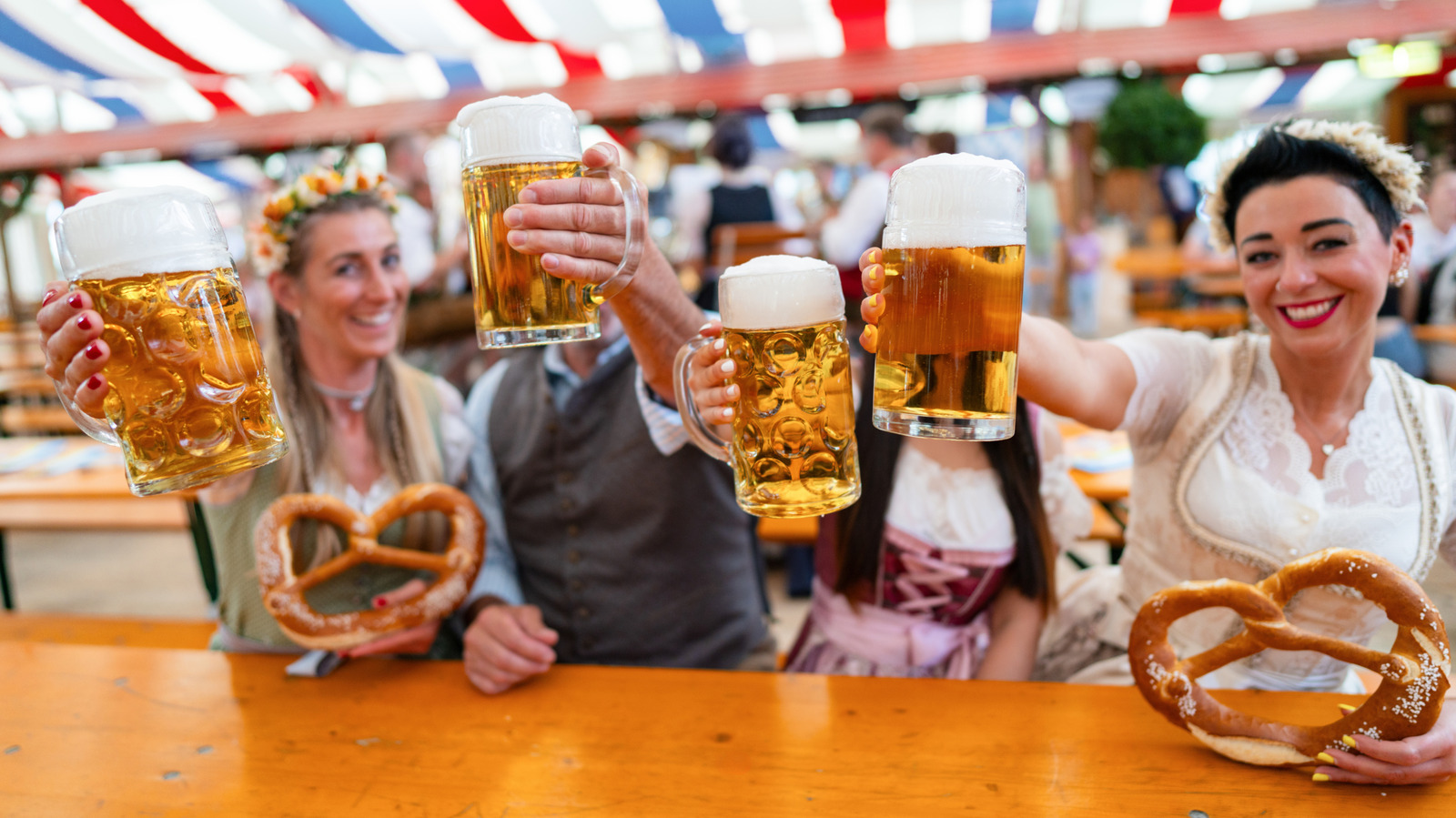
To shed light on these traditional spaces, experts like Ron Smith, founder of the Beer MBA Program and a seasoned leader of European beer tours, emphasize that while making mistakes as a tourist is understandable, approaching the culture with respect and a willingness to learn goes a long way.
"It is OK to be a tourist and not know how things work," Smith explains, noting that visitors should remain respectful and eager to follow local customs. While cultural differences in communication styles can occasionally catch Americans off guard—such as a lack of the hyper-bubbly service exchange common in the United States—understanding the foundational rules of German beer gardens ensures a much smoother and more enjoyable experience.
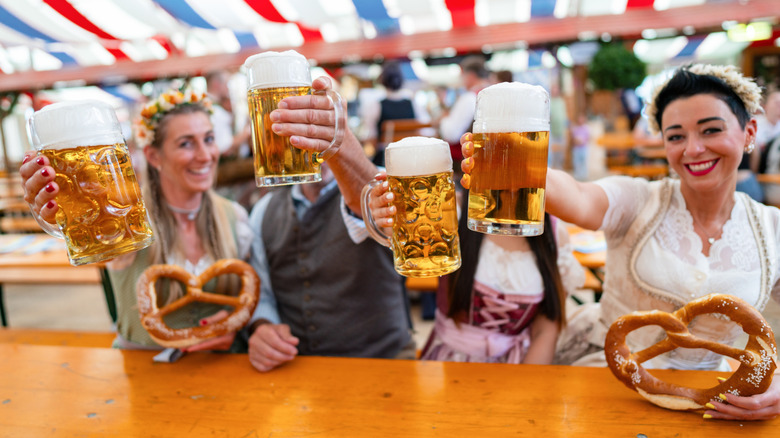
Among the most common early missteps involves assumptions regarding outside food. The historic tradition of bringing one’s own food to a beer garden dates back centuries, providing a welcome option for visitors hesitant about meat-heavy German cuisine or those managing specific dietary requirements. Yet, this long-standing custom comes with specific spatial boundaries.
Smith points out that while the tradition persists, it is strictly relegated to designated areas. Understanding the distinction between a self-service zone and a full-service restaurant section is crucial. Tables outfitted with tablecloths, napkins, or salt and pepper shakers indicate full-service areas where dedicated servers attend to patrons, meaning outside food is strictly prohibited. Conversely, self-service areas typically permit guests to enjoy homemade picnics alongside a freshly poured brewery beer, provided they navigate the setup correctly.

Navigating those self-service areas requires careful observation of traffic flow and station layouts. Patrons must independently seek out walk-up windows where individual offerings—ranging from salads and regional specialties like leberkäse to various beers—are served. During peak hours, understanding this system can feel overwhelming, but patience and observation quickly clarify the process. Portions in German beer gardens are famously generous, making it wise to start small or share among companions. Bringing a tray to transport items back to the table is especially helpful when managing large group orders. For those bringing their own food, assembling traditional elements like breads, meats, and cheeses, alongside personal napkins and utensils, aligns best with custom.
Financial transactions within these establishments also introduce a unique element: the pfand system. At many, though not all, German beer gardens, customers are required to pay a deposit, known as a pfand, for their drinking vessels. This deposit is most commonly applied to regulation-sized, one-liter glasses that hold a Maß of beer, though half-liter options are also widely available.
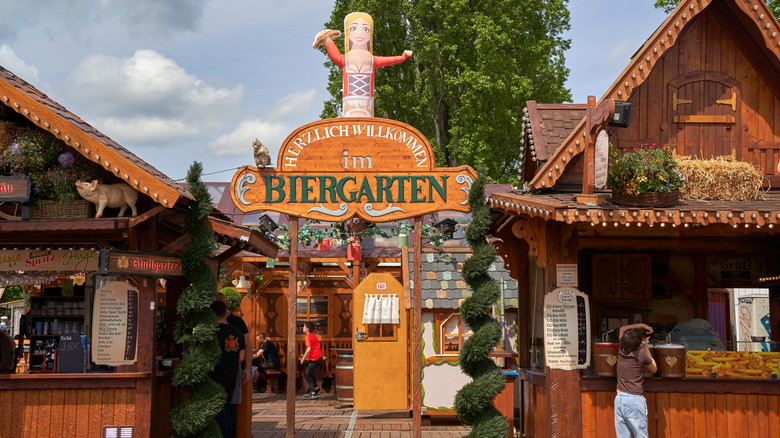
The mechanism varies by location, but often involves receiving a small token alongside the glass to serve as a receipt. Patrons must safeguard this token to retrieve their deposit when returning the glass, a system designed to prevent individuals from collecting unattended glassware from tables to claim undeserved refunds. Depending on the venue, a pfand can range from one to five euros. Because credit cards can slow service queues and are not universally accepted, keeping sufficient cash on hand for food, beverages, and deposits is essential.
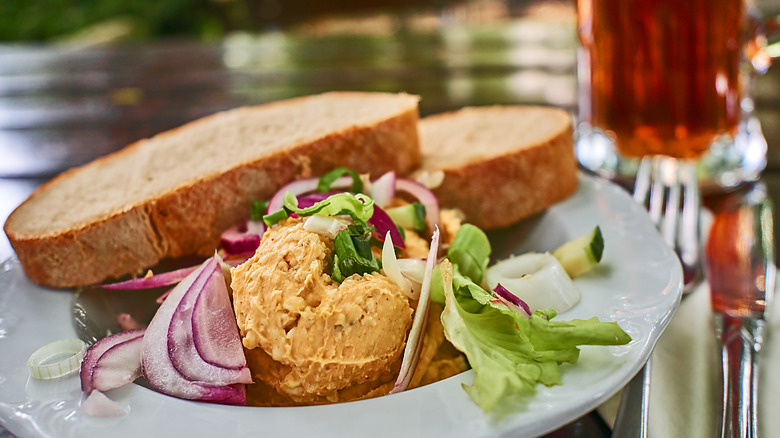
Familiarity with the menu is another critical component of beer garden etiquette. American tourists frequently rely on servers to explain dishes in English, a luxury that cannot always be anticipated in bustling, traditional settings. Translating menu options beforehand helps prevent surprises, such as ordering steckerlfisch—a regional specialty featuring whole, skewered, and grilled fish—without realizing the head remains intact. Universally approachable staples like pretzels served with obatzda (a rich spread of butter, soft cheese, and spices) or Bavarian potato salad offer safer culinary entry points. When ordering beer, patrons should specify a precise style, such as a helles or a radler, rather than asking generically for "beer," treating the beverage with the deep respect local brewing traditions command.

Responsible drinking is strongly encouraged across European beer culture. While vacationers naturally want to celebrate, moderation remains vital. Experts recommend pacing consumption, drinking plenty of water, and exploring the diverse selection of high-quality non-alcoholic and reduced-alcohol options now standard across Germany. Alternatives such as non-alcoholic wheat beers (alkoholfrei weissbier), or refreshing lower-alcohol mixed drinks like a radler (helles mixed with lemon-lime soda) or a russ (wheat beer mixed with soda), provide flavorful choices for those looking to moderate their intake.
Proper etiquette extends directly to social interactions, particularly when making a toast. In Bavarian beer gardens, clinking glasses, making direct eye contact, and saying "Prost!" is mandatory. Local folklore playfully warns that failing to make eye contact during a toast results in seven years of romantic misfortune, though experts advise keeping the gaze friendly and brief rather than overly intense. Outside of Bavaria, patrons may also be expected to lightly tap their glass against the table before or after drinking. If consuming beverages from delicate glassware, such as wheat beer or Kölsch glasses, gently bumping the heels of the glasses together preserves the vessels. Importantly, traditions dictate that one should never clink a glass of water, though raising it in acknowledgment while saying "prost" remains entirely acceptable.
Finally, seating etiquette requires careful attention to reservation systems and local traditions. While reserving tables in full-service sections is common, self-service areas operate differently. Visitors frequently encounter Stammtisch tables, which are explicitly marked as reserved for regular patrons who gather there routinely. Sitting at these tables without a direct invitation—even if they appear completely empty—is a major cultural faux pas. However, joining other partially occupied tables is generally acceptable, though offering a polite greeting before taking a seat remains a courteous practice that ensures a welcoming atmosphere for everyone sharing the space.