


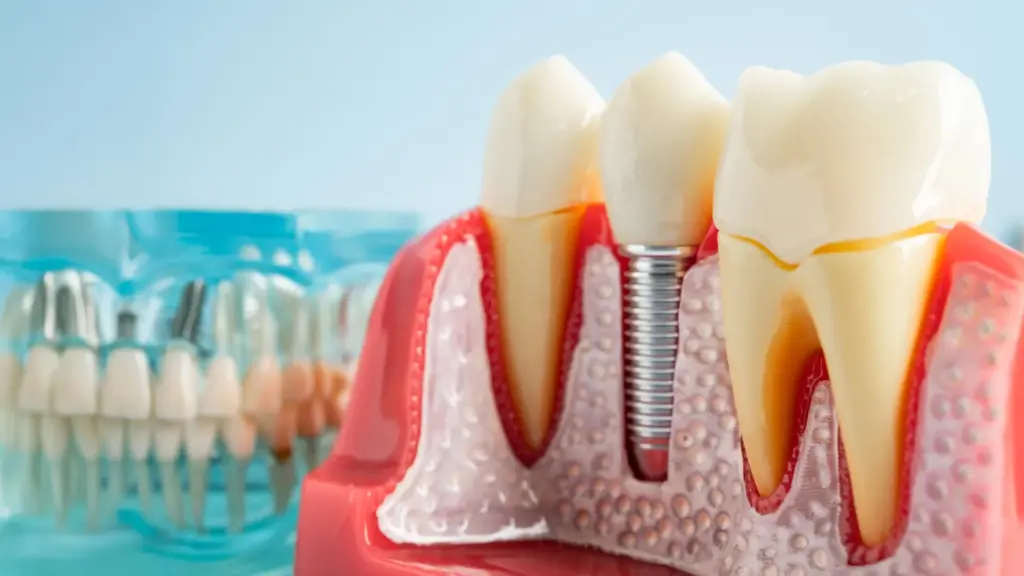
For tens of millions of people worldwide, dental implants have revolutionized modern dentistry, offering a permanent and reliable way to replace missing teeth with a full set of fixed, functional alternatives rather than traditional, removable dentures. Yet, despite their high success rate, a persistent clinical challenge continues to affect a significant minority of recipients. An estimated 10% to 20% of all dental implant patients eventually develop peri-implantitis, a serious and progressive inflammatory condition that actively damages the surrounding jawbone and threatens the stability of the implant itself.
For years, clinicians and researchers have been baffled by a frustrating phenomenon: standard antibiotics, which typically prove effective in treating bacterial infections in the oral cavity, frequently fail to control peri-implantitis. Scientists have long struggled to understand why these conventional therapies fall short, but a breakthrough study may finally provide the answer. Researchers believe they have uncovered the exact molecular mechanism responsible for this treatment resistance, opening the door to a completely new approach in dental medicine.
According to a new study published in PNAS Nexus by a team of scientists at the Rutgers School of Dental Medicine, bacteria can gradually corrode dental implants over time. This corrosive process releases microscopic titanium particles into the nearby soft and hard tissues of the mouth. Far from being inert, these tiny metallic particles directly interfere with the immune cells tasked with fighting off infection. Specifically, they trap these cells in a state of chronic, excessive inflammation that progressively and destructively breaks down the patient’s jawbone.
To arrive at these findings, the research team undertook a comprehensive investigation that examined human tissue samples, studied human immune cells in laboratory settings, and conducted controlled experiments using genetically engineered mice. Their rigorous work successfully identified a specific calcium channel located within macrophages—the specialized immune cells responsible for engulfing and destroying bacteria—that becomes abnormally activated upon encountering titanium particles. Crucially, when the researchers disabled this specific calcium channel in mice, the destructive disease process was entirely prevented.
This major discovery provides the first credible drug target for a condition that affects as many as one in five dental implant recipients and imposes a financial burden on global healthcare systems exceeding $1 billion annually.
"For the first time, we show why all the antibiotic treatments that work around teeth do not work around implants," said Georgios Kotsakis, senior author of the study and assistant dean for clinical research at the Rutgers School of Dental Medicine. "Now that we know the cause, we can start developing therapeutics."
Why Dental Implant Infections Resist Antibiotics
One of the most profound historical mysteries surrounding peri-implantitis has been its striking clinical similarity to periodontitis, the common gum disease that develops around natural teeth. Both conditions originate from the same basic types of pathogenic bacteria found naturally within the human mouth. Yet, despite sharing a bacterial origin, these two conditions respond in vastly different ways to standard medical and dental treatments.
When it comes to natural teeth, a combination of localized antibiotic therapy and routine professional dental cleaning can usually resolve the infection and halt tissue damage. Around dental implants, however, those exact same medications and interventions are successful in fewer than half of all clinical cases. Even when aggressive treatment is attempted by dental professionals, the underlying jawbone may stubbornly continue to deteriorate, putting the patient at risk of implant failure.
For the past two decades, the scientific community largely concentrated its investigative efforts on the bacteria themselves as the primary culprits behind these stubborn infections. However, researchers in Kotsakis’ laboratory decided to pivot and investigate another potential contributor that had long been overlooked: the implant material itself.
Their detailed work revealed that bacteria accumulating on the micro-rough surfaces of dental implants create acidic biofilms. These biofilms slowly and continuously damage the titanium structure. Over time, this ongoing corrosion can release billions of microscopic metal particles into the surrounding tissue, with each individual fragment measuring smaller than a human red blood cell.
Furthermore, titanium particles can also be inadvertently dislodged from the implant body during routine dental cleaning procedures. This mechanical risk is particularly concerning when dental instruments originally designed for natural teeth are used on implants, as metal scalers can scrape, scratch, and damage the delicate surface of the titanium, accelerating the release of particles.
How Titanium Particles Hijack the Immune System
Once these minuscule titanium fragments are released into the gums, they act as catalysts for further biological disruption. The particles attract a bacterial toxin known as lipopolysaccharide, which readily coats their surfaces. This combination creates a deceptive target for the human immune system, causing the titanium particles to resemble unusually large, indestructible bacteria.
Macrophages, the frontline white blood cells responsible for engulfing and destroying harmful microorganisms, naturally attempt to consume these coated particles. However, because these immune cells cannot digest or break down titanium, they quickly become trapped in a prolonged state of excessive activation and inflammation.
As a direct consequence of this entrapment, the macrophages begin producing massive quantities of inflammatory signaling molecules, including interleukin-1 beta. This specific inflammatory protein is also closely associated with the chronic inflammatory processes involved in systemic conditions like rheumatoid arthritis and Alzheimer’s disease.
The resulting immune response gradually and relentlessly breaks down the bone supporting the dental implant. At the exact same time, because the macrophages are completely occupied by the titanium particles, they become significantly less effective at fighting off the actual live bacteria that originally triggered the infection.
Controlled laboratory experiments revealed just how severely these immune defenses were disrupted. Macrophages that had been exposed to titanium particles engulfed fewer than half as many bacteria as healthy immune cells that had never encountered the metallic fragments.
"These particles are little magnets that attract the bacterial toxin, and they hijack the immune system, preventing it from clearing bacteria," Kotsakis explained. "You have a perfect storm that defies antibiotics."
Scientists Identify a Potential New Treatment Target
After successfully uncovering how microscopic titanium particles disrupt the body’s natural immune defenses, the researchers turned their attention to identifying the precise molecular pathway responsible for this damaging biological reaction.
Their investigation traced the process directly to TRPC1, a specialized calcium channel—functioning as a pore-forming protein structure within cell membranes—found within macrophages. This particular channel plays a central role in driving the excessive inflammatory response that is triggered when macrophages encounter the combination of titanium particles and bacterial toxins.
To test the functional importance of this pathway, the research team utilized genetically engineered mice that lacked the TRPC1 channel entirely. When these modified animals were exposed to the exact same combination of titanium particles and bacteria that normally wreaks havoc, their immune systems responded in a dramatically more effective manner.
The mice developed noticeably smaller abscesses, produced significantly fewer inflammatory signaling molecules, and fully regained their natural ability to clear out invading bacteria. Effectively, disabling the calcium channel prevented the destructive disease process that was consistently observed when TRPC1 was present.
These compelling results point directly toward a potentially revolutionary approach to treating peri-implantitis. Instead of relying exclusively on traditional antibiotics that fail against the metal-induced immune blockade, future therapies could focus on modulating the immune system’s response at the molecular level.
With ongoing funding provided by the National Institutes of Health, Kotsakis and his dedicated research colleagues are currently evaluating potential pharmacological drugs that act on this exact same molecular pathway in human cells, bringing clinical applications one step closer to reality.
Why Proper Dental Implant Cleaning Matters
While this groundbreaking research opens the exciting door to future medical therapies, it also strongly reinforces a critical preventive measure for individuals who currently have dental implants or are considering receiving them.
Regular professional dental cleanings remain the single strongest known form of protection against the development of peri-implantitis. However, the specific instruments and techniques utilized during those dental appointments can make a profound difference in the long-term health of the implant.
Until approximately a decade ago, many dental professionals routinely cleaned implants using the exact same metal scalers and curettes employed to remove calculus deposits from natural teeth. Subsequent research conducted by the Rutgers team and other scientists has since demonstrated that these harsh metal tools can easily scratch, damage, and corrode titanium surfaces, potentially releasing additional microscopic particles and inadvertently accelerating disease progression.
In response to these insights, nonabrasive cleaning methods and specialized instruments have become standard clinical practice across modern dentistry. These updated techniques help thoroughly protect implant surfaces while significantly reducing the risk of inflammatory complications.
By revealing how corroded titanium can interfere with the body’s immune defenses, these findings finally offer a clear and scientifically sound explanation for why some dental implant infections have proven so notoriously difficult to treat. More importantly, they identify a highly promising direction for the development of significantly more effective therapies in the future.