

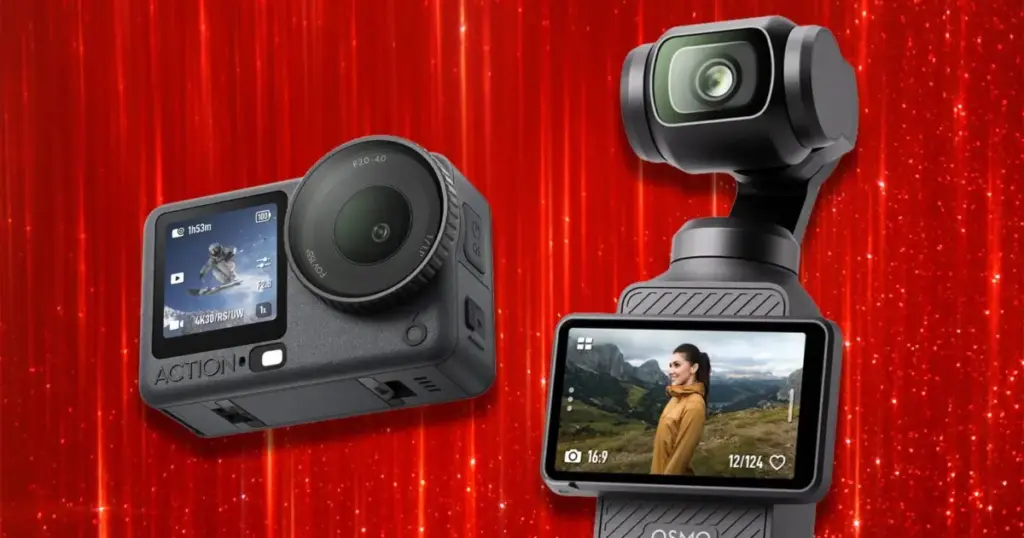
Recent market research published by technology intelligence firm IDC reveals explosive growth within the global handheld "smart camera" sector, a category that encompasses action cameras, 360-degree cameras, and increasingly popular gimbal-mounted video systems. According to the data, the worldwide market for these portable capture devices reached 16.65 million units in 2025, representing a staggering 83 percent increase compared to the previous year. Total sales value for the sector climbed to more than 46 billion yuan, or roughly $6.875 trillion at current exchange rates, marking an 86 percent surge over 2024 totals. Looking ahead, industry analysts at IDC project that the rapid upward trajectory will continue, with annual shipments anticipated to hit the 40 million-unit milestone by 2030.
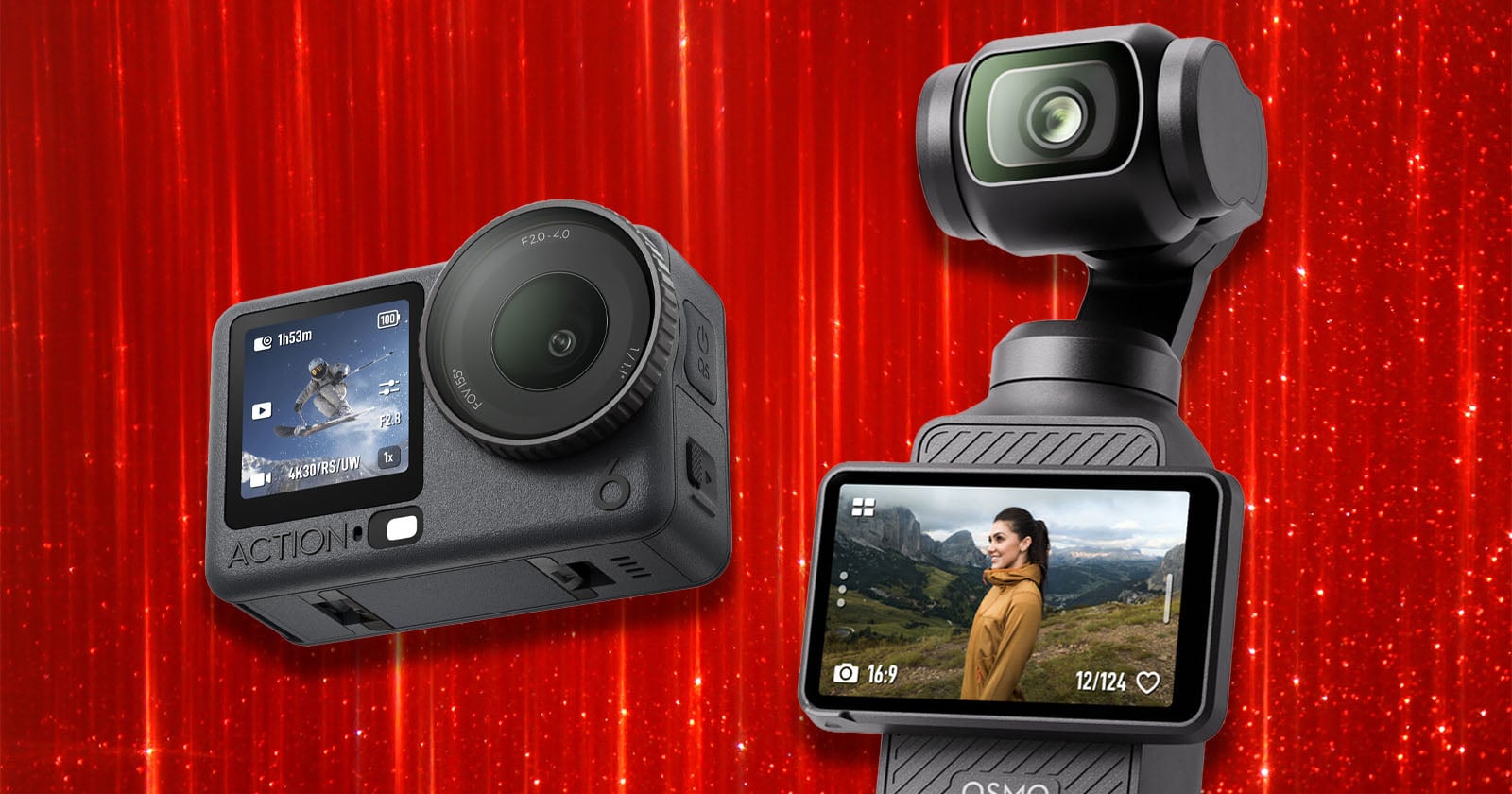
The term "handheld smart camera" covers a diverse array of consumer hardware, including traditional action cameras, immersive 360-degree devices, and integrated gimbal cameras such as the DJI Osmo Pocket series and the Insta360 Luna lineup. While Chinese manufacturing giants currently capture the lion’s share of this burgeoning sector, the broader market categorization includes all competing brands worldwide, incorporating legacy names like GoPro.
In sharp contrast, the traditional digital camera market—measured comprehensively by the Camera and Imaging Products Association (CIPA)—presents a very different operational landscape. CIPA tracks data primarily from Japanese camera manufacturers, meaning the organization’s tallies largely omit independent or niche luxury brands such as Leica and Hasselblad. For the photo industry, 2025 proved to be a remarkably strong period, recording total digital camera sales of 9.44 million units. This milestone marked the fourth consecutive year of growth for the traditional camera industry—a streak unseen in nearly two decades—and the highest annual unit total since 2019, pulling well clear of the industry’s post-pandemic low point in 2023. CIPA’s figures aggregate interchangeable-lens digital cameras, spanning both mirrorless and DSLR models, alongside fixed-lens compact cameras.
Yet, despite the robust four-year recovery enjoyed by traditional manufacturers, the scale of the handheld smart camera sector has expanded to a point where individual market leaders are routinely outpacing entire legacy manufacturing segments. IDC data indicates that market leader DJI alone shipped an unprecedented 10.4 million handheld cameras last year. This performance marks the first time a single handheld camera brand has surpassed the 10 million-unit threshold in a single year, allowing DJI to single-handedly outpace the combined annual output of all member companies represented under the CIPA umbrella. Industry observers note, however, that it remains to be seen how ongoing regulatory scrutiny and compliance challenges with the Federal Communications Commission (FCC) in the United States might impact DJI’s international shipping volumes moving forward.
Other players in the smart camera arena are also posting remarkable numbers. Insta360 accounted for 3.4 million handheld camera shipments last year, a volume equivalent to more than half of the entire mirrorless camera output shipped by all Japanese manufacturers combined in 2025. Combined shipments from DJI and Insta360 totaled approximately 13.8 million units last year, a figure that is more than double the total number of mirrorless cameras delivered globally by CIPA member companies, which stood at 6.1 million units.
As the handheld smart camera market expands at an extraordinary pace, the primary beneficiaries have been these major Chinese technology firms. Meanwhile, American pioneer GoPro has continued to struggle with declining market share. This prolonged downward trend has weighed heavily on the company’s financial health, reflecting a fundamental shift in where consumer dollars are being spent for portable video recording.
Industry analysts emphasize, however, that framing this phenomenon as a zero-sum conflict between two opposing types of camera technology is a gross oversimplification. Both the traditional digital camera market and the handheld smart camera market can grow and succeed simultaneously, as the success of one does not require the failure of the other. Many content creators, enthusiasts, and everyday consumers own and actively use devices from both categories because they serve fundamentally different purposes. Purchasing an Osmo Pocket or an Insta360 device does not render a traditional mirrorless or DSLR camera obsolete.
Significant financial and economic distinctions separate the two categories. An interchangeable-lens camera setup typically requires a substantial financial investment, with camera bodies often costing thousands of dollars and specialized lenses adding hundreds more. In contrast, consumer-oriented smart cameras are considerably more accessible; for instance, an Insta360 Luna Ultra retails for around $770, while action cameras and pocket gimbals are often priced even lower. The traditional digital camera market operates as a relatively high-margin sector, with average retail prices steadily climbing due to shifting consumer demands, advanced sensor technologies, and component costs.

Conversely, the handheld smart camera market operates under significantly thinner profit margins and experiences intense downward pricing pressure. In the smart camera space, a minor price variation of just $50 can heavily influence a consumer’s purchasing decision, whereas a similar variance would have virtually negligible impact on a buyer investing in a full professional camera kit totaling $3,000 or more. Consequently, the value per unit and the economic fundamentals governing these two distinct manufacturing ecosystems vary dramatically.
Ultimately, while both segments of the broader imaging industry are currently experiencing positive momentum, the handheld category is expanding at a velocity that continues to redefine the marketplace. Observing how a massive global consumer market can be so heavily influenced by just two primary manufacturers—one of which navigates complex regulatory headwinds in the United States—provides a fascinating case study in modern consumer electronics. The contrasting operational strategies of agile tech companies like DJI and Insta360 versus century-old photographic institutions like Canon and Nikon highlight a changing landscape for image capture. The question of how much further the handheld camera market can expand, and whether these pocket-sized systems will eventually evolve into full-fledged replacements for traditional professional gear, remains a compelling ongoing narrative for the industry.