




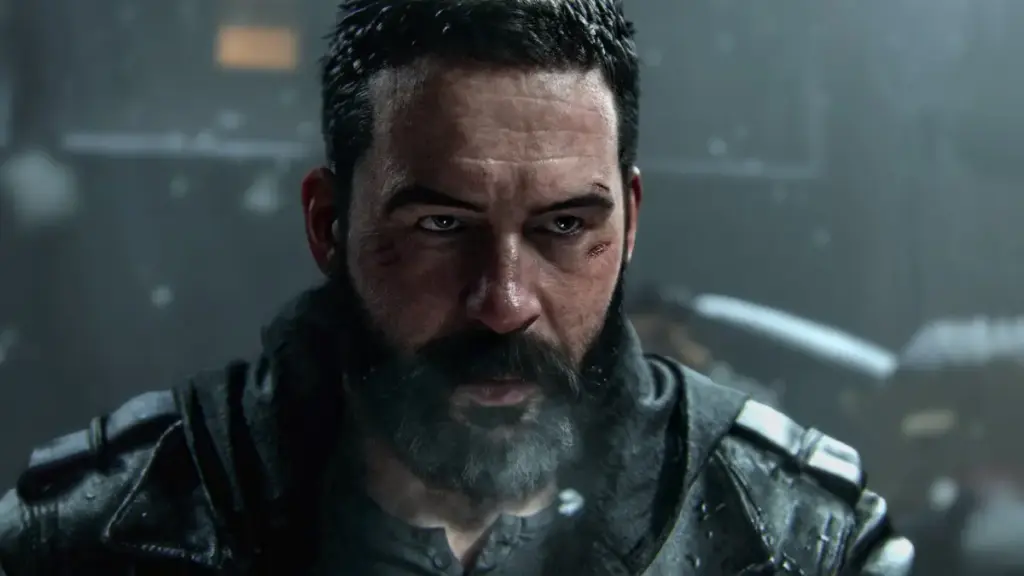
Nintendo Switch 2 owners jumping into the competitive multiplayer arenas of Call of Duty: Modern Warfare 4 are facing a steep uphill battle. Technical analysis has revealed that crushing input lag plagues the platform, leaving players at a distinct and frustrating disadvantage compared to their counterparts on other consoles.
The issue comes to light following an in-depth performance analysis by Digital Foundry, which examined how the ambitious port handles Nintendo’s new hardware. Modern Warfare 4 marks a monumental return for the blockbuster franchise, representing the first Call of Duty title to land on a Nintendo console in over a decade, following Ghost way back in 2013. While port specialist Digital Legends, backed by support from Infinity Ward, managed the monumental feat of getting the military shooter onto the Switch 2, the technical compromises required to achieve this have introduced notable friction in fast-paced online matches.
In competitive multiplayer modes, the Switch 2 version targets a baseline of 60 frames per second. According to Digital Foundry, the game successfully hits that performance target for the most part, though certain visual stressors can trigger noticeable frame rate dips. For instance, looking directly through the transparent visor of a riot shield is enough to cause stutter and dropped frames.
The Call of Duty franchise has long prided itself on rock-solid 60fps gameplay, a standard that delivers the smooth, highly responsive experience required by players obsessing over their kill-to-death ratios in modes like standard 6v6 skirmishes. Maintaining a minimum of 60fps across every available platform is considered crucial for keeping a level playing field among multiplayer fans—even if the broader debate regarding the inherent advantages PC players hold over console users has dogged the franchise relentlessly since the widespread adoption of crossplay.
While Variable Refresh Rate support helps smooth out the occasional frame rate hiccups on compatible displays, the overall performance experience becomes considerably harsher when players take the console into portable mode. More critically, however, the real bottleneck lies in controller responsiveness.
Digital Foundry’s rigorous testing uncovered startling input latency figures. In docked mode, the Switch 2 registers an 81ms response time. In portable mode, that figure balloons to a staggering 100ms. To put that into perspective, the portable mode latency is literally double the 49.1ms recorded on the PlayStation 5. Furthermore, Digital Foundry observed that multiplayer matches in portable mode could fluctuate wildly, ranging from a best-case scenario of 83ms to a sluggish worst-case scenario of 125ms. Analysts categorized this level of delay as genuinely deleterious to performance.
For competitive players, the takeaway is stark: no matter how fast your trigger finger might be, the Switch 2 hardware takes noticeably longer to register inputs. In a split-second twitch shooter where milliseconds frequently determine the difference between victory and defeat, this lag translates directly into a heavy competitive disadvantage.

A Tale of Two Experiences: Campaign Versus Multiplayer
Outside the hyper-competitive realm of online multiplayer, the narrative surrounding the Switch 2 version changes quite dramatically. The single-player campaign operates at 30 frames per second, a performance trade-off that proved entirely acceptable during hands-on evaluations, such as IGN’s initial look at the hardware.
Evaluating the visual compromises made to fit the game onto the mobile-hybrid platform, reviewers noted that textures lack the fine detail found on more powerful hardware. Flat surfaces and character faces are notably smoothed over, giving the campaign’s cast a somewhat plasticine appearance. It is by no means a visual showcase, but considering the drastically reduced hardware horsepower that Nintendo’s latest console is working with compared to contemporary home systems, the campaign gameplay itself remains remarkably smooth, running at 30fps while docked at a 4K resolution.
While visual downgrades are certainly substantial when stacked against the PC, PlayStation 5, or Xbox Series X versions, such compromises come with the territory of hardware architecture limits. For long-time Nintendo enthusiasts who have found themselves completely locked out of the Call of Duty ecosystem for over a decade, receiving a version of Modern Warfare 4 that captures the overarching mechanical snappiness of the franchise—even if the presentation appears somewhat muddier than traditional, crisp Nintendo-developed titles—remains a notable milestone.
The Long Road Back to Nintendo Hardware
The return of Call of Duty to a Nintendo platform after a fourteen-year hiatus did not happen by accident. The release is directly tied to Microsoft’s massive $69 billion acquisition of Activision Blizzard. During the intense regulatory scrutiny and global antitrust hurdles that threatened to derail the mega-merger, Microsoft sought to appease competition watchdogs by making high-profile concessions.
Among the primary olive branches extended to ease the regulatory path was a formal 10-year legal commitment to bring Call of Duty titles to Nintendo hardware concurrently with Xbox releases following the finalization of the merger.
Back in December 2022, then-Xbox chief Phil Spencer articulated the philosophy driving the initiative, stating that Microsoft remained fully committed to helping bring more games to more people, regardless of the platform or device they choose to play on. Four years later, with the Activision Blizzard buyout fully realized and integrated, that promise has materialized on the Switch 2.
As players dive into the package, resources remain readily available for those navigating the release. Comprehensive campaign walkthroughs, collectible note locations, and keypad code solutions assist players through single-player missions, while specialized guides offer tips on leveling up efficiently in multiplayer, optimizing graphic and control settings, and mastering the return of the popular DMZ mode.