



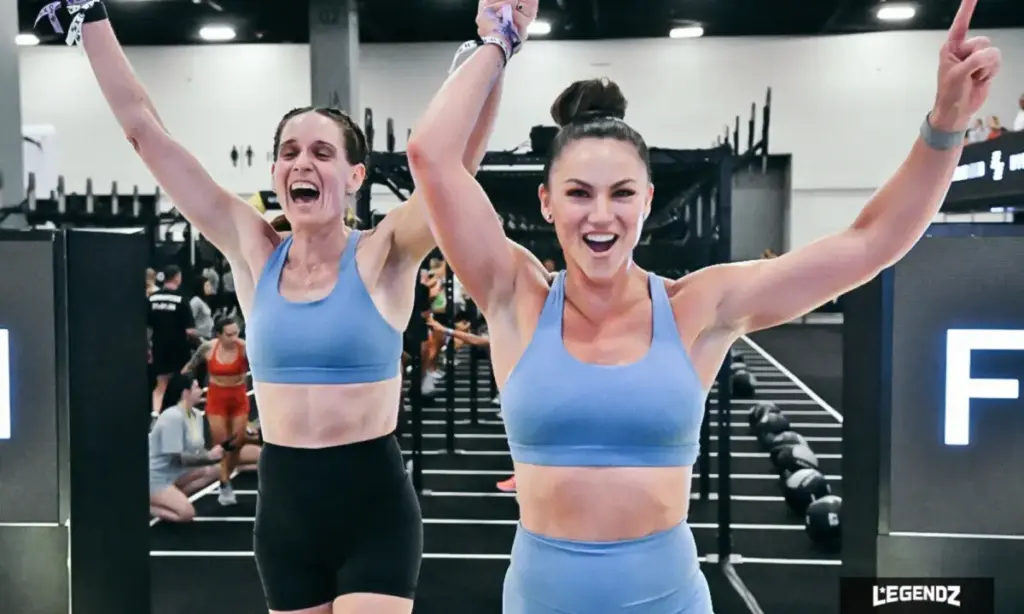
For many fitness enthusiasts, signing up for a grueling athletic event begins as a simple, passing goal. For one athlete stepping onto the vibrant floor of the Miami Beach Convention Center, however, the decision to tackle a HYROX competition evolved into a profound lesson in resilience, community, and redefining what the body can achieve at 46 years old.
Like countless others, the inspiration came from witnessing the sheer energy, power, and determination displayed by thousands of women conquering HYROX challenges worldwide. The hybrid fitness racing format—which uniquely blends high-intensity cardiovascular endurance with heavy, weight-based functional strength work—offered a compelling answer for anyone seeking a fresh athletic spark after years of missing genuine cardio training without having to endure monotonous treadmill sessions.
Entering this new chapter required taking stock of an existing fitness baseline. Having relocated to Miami in a few years prior, the athlete had progressively integrated weight training into a daily routine before eventually teaming up with trainer Ashley Damaj to incorporate functional movements with an added cardiovascular stimulus. Believing she was already in peak physical condition, the reality of preparing for a HYROX doubles partnership quickly set in, proving that the adventure would require a collaborative effort and an entirely new level of grit.
Running Again and Finding Unexpected Joy
The initial hurdle on the road to race day was confronting cardiovascular conditioning head-on. The first training run took place along the scenic Rickenbacker Causeway—a demanding three-mile trek interwoven with functional movements that served as an immediate physiological wake-up call. Data from the session revealed a max heart rate of 194 beats per minute and significant time spent in heart rate zones four and five, confirming that foundational cardio fitness needed substantial development.
Rather than shying away from the discomfort, the training partners committed to a consistent schedule of at least two runs a week, gradually building distance up to five miles apiece with a strategic stretch break at the halfway point. What began as a daunting physical requirement soon transformed into a cherished routine. Running side by side rekindled the lost art of training with peers, fostering genuine conversation, laughter, and a unique form of companionship distinct from traditional run clubs.

As working mothers, carving out this time often meant stepping out the front door at 5:30 a.m., establishing a disciplined morning rhythm. Ultimately, running proved to be the most efficient cardiovascular discipline for elevating heart rate zones and building enduring stamina.
Rethinking Nutrition and Athletic Fueling
Preparing the body for the rigorous demands of a HYROX race necessitated a comprehensive overhaul of daily nutrition. To sustain energy output throughout grueling training sessions, carbohydrate intake was purposefully increased, alongside a strict focus on optimal protein consumption and targeted supplementation. Because building and maintaining muscle mass can present a continuous challenge, incorporating creatine became a cornerstone of the preparation strategy.
Rather than reserving the supplement solely for high-end gym performance, the daily regimen expanded to include between 12 and 15 grams of creatine daily, cycling through specialized formulas such as taurine-infused options and cognitive-support blends, while utilizing electrolyte-infused variants specifically on race day. This approach underscored a growing awareness among women that creatine offers wide-ranging physiological benefits, supporting overall cellular energy production, muscular maintenance, and cognitive longevity.
Navigating Setbacks and Knee Injuries
No intensive training cycle is without its obstacles, and a valuable lesson in body awareness arrived roughly two months before the event. During a full-length race simulation in a gym setting—where both partners completed every single modality individually rather than splitting the workload as intended for the doubles division—the athlete pushed past sensible limits and sustained a painful knee injury.
The setback highlighted a fundamental truth about hybrid racing: unlike traditional weightlifting, where movement patterns are strictly controlled, high-intensity functional racing under fatigue demands exceptional joint stability and real-time form checks. Managing the injury required pivoting away from high-mileage running and collaborating closely with fitness partners and physical specialists, including a chiropractor, to strengthen the quads and stabilize the joint.
For a 46-year-old athlete, the experience delivered a freeing and transformative realization about aging and athletics. Achieving absolute physical perfection is rarely attainable, yet true fitness does not require feeling one hundred percent every day. Success, instead, lies in the willingness to adapt, listen to physical boundaries, and show up despite imperfections.

Race Day at the Miami Beach Convention Center
When race day finally arrived, the atmosphere inside the Miami Beach Convention Center was nothing short of electric. Scheduled for a 2:40 p.m. start slot, the afternoon timing provided a welcome departure from typical morning competitions, allowing ample time for rest, sleep, and a calm, unhurried buildup.
The sensory experience of stepping through the pre-race tunnel—surrounded by mounting adrenaline, thumping music, and roaring crowd support—proved deeply moving. The competition stations delivered the expected physical test, with each challenging station followed by recovery laps around the track designed to bring the elevated heart rate back down.
While equipped with long-term fitness tracking technology, the race highlighted a desire for more immediate, distraction-free performance insights, sparking thoughts of transitioning to dedicated athletic watches to avoid the constant notifications of smart devices. Above all, having family present carried profound meaning. Demonstrating the value of hard work, perseverance, and active living for the next generation remains a vital priority, culminating in a respectable official finish time of 1:27:06 without entering the event with a rigid time target.
Following the event, the post-race debrief became an integral part of the experience, offering an opportunity to analyze fueling strategies, pacing, and station transitions with a trusted partner.
Carrying the Momentum Forward
As the dust settled on the competition, the ultimate takeaway extended far beyond a single race result or a medal on the wall. The experience cemented a long-term commitment to maintaining a high standard of functional fitness as an enduring lifestyle rather than treating it as a short-term training sprint.
Amidst daily headlines of heavy global news, spending hours inside a packed arena filled with tens of thousands of supportive spectators left a lasting impression. From married couples and adaptive athletes to postpartum mothers, seniors, and solo competitors, the collective display of human perseverance offered an undeniable surge of optimism. The journey ultimately reinforced a timeless fitness philosophy: true wellness is not measured by perfection or personal records, but by the readiness to adapt, find joy in the process, and share the journey alongside the people who matter most.