

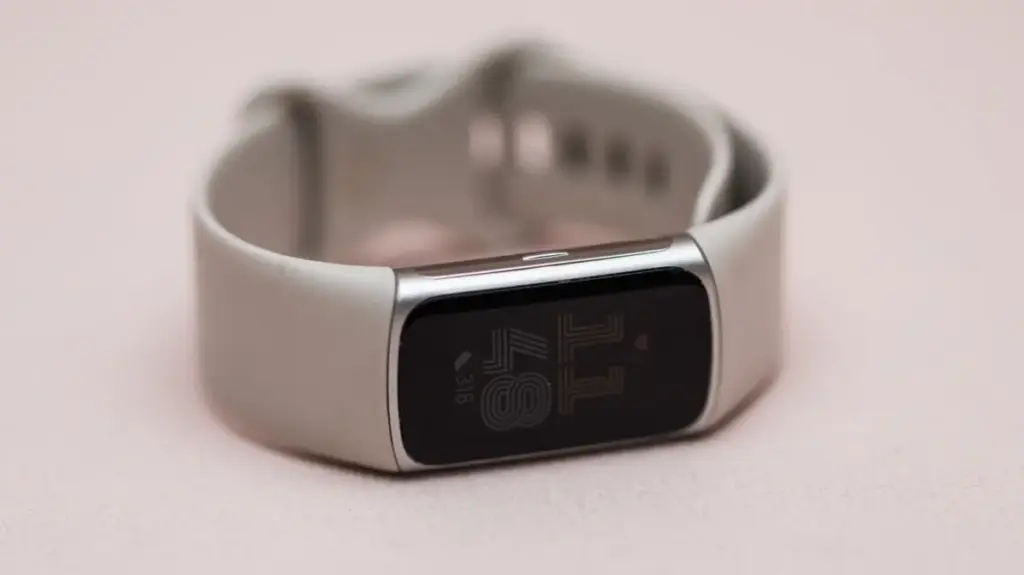
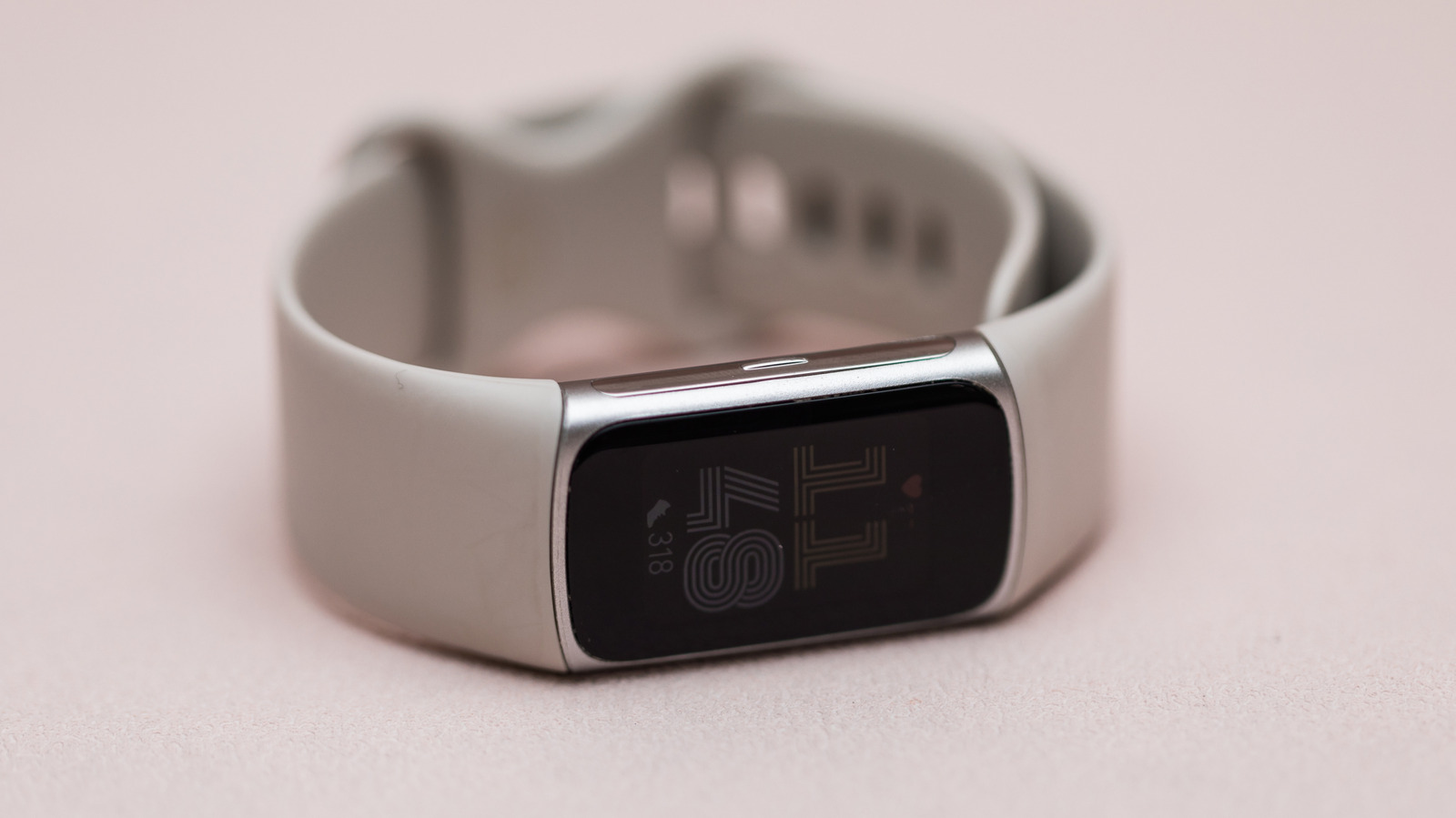
Google has all but confirmed the upcoming release of a brand-new fitness tracker after dropping official teasers across its social media channels. The confirmation follows a wave of recent leaks that exposed both the moniker and physical design of the rumored device, known as the Fitbit Edge. With the official announcement now just around the corner, anticipation is building within the consumer technology community regarding where this new hardware will fit into Google’s evolving ecosystem of health and wellness products.
The official confirmation materialized through coordinated posts on both Instagram and X, formerly known as Twitter, published by the Google Health accounts. Accompanying the social media posts was an image showcasing what appears to be a physical side button located on the chassis of the upcoming wearable. Alongside the visual teaser, the official caption left little room for speculation, reading, "Get an Edge on your health. 10.12.26." The intentional capitalization of the word "Edge" heavily points to the final commercial name of the tracker, while the date indicates that Google has scheduled a formal product reveal for October 12.
Rumors and glimpses of this mysterious new Fitbit hardware have been circulating for months. Speculation first ignited back in August when eagle-eyed observers spotted an unfamiliar fitness tracker embedded within marketing materials for the Pixel 11 published by the tech publication 9to5Google. At the time, the exact identity and branding of the device remained a mystery. However, the puzzle pieces began falling into place earlier this week when Android Headlines published detailed reports containing images of the Fitbit Edge, alongside early insights into its pre-installed applications and comprehensive health-monitoring capabilities.
Those initial details were subsequently corroborated and expanded upon by a report from the French technology magazine Dealabs. The European report provided further validation regarding the wearable’s aesthetic design and confirmed the Fitbit Edge branding. Furthermore, Dealabs shed light on vital specifications, including anticipated battery longevity and regional pricing structures. According to the report, the Fitbit Edge is expected to deliver up to seven days of battery life on a single charge when the always-on display function is disabled. When users choose to keep the always-on display active, the battery performance is expected to drop to approximately two days.
In terms of pricing, European markets are looking at a tentative price point of roughly 179 euros, which translates to approximately $200 based on current currency conversions. Analysts note that given the pricing strategy of other recent Google wearables—such as the screenless Fitbit Air, which debuted at $99 in the United States and 99 euros in Europe—the Fitbit Edge could potentially launch with a domestic price tag closer to $180 in the United States market.
The introduction of the Fitbit Edge marks an important milestone for Google’s hardware lineup, particularly given the timing of previous releases. The last comparable, traditional fitness tracker of this specific size and category introduced by the company was the Fitbit Charge 6, which rolled out to consumers back in 2023. Because the technology landscape has shifted significantly since then, Google is considered overdue for a refresh in its dedicated fitness band sector.
Industry observers note that the Fitbit Edge is strategically positioned to occupy the middle ground within Google’s current wearable hierarchy. It is rumored to sit comfortably between the screenless Fitbit Air, which Google launched earlier this year to target a minimalist fitness tracking demographic, and the significantly more premium Pixel Watch 5, which caters to users seeking a fully featured smartwatch experience. By bridging this gap, Google aims to capture a wider audience of fitness enthusiasts who prefer a lightweight band over a bulky wrist computer, while still enjoying modern conveniences like a dedicated display and physical navigation buttons.
Moreover, the release of the Fitbit Edge aligns with Google’s broader strategy to unify its health and fitness ecosystem under the Fitbit umbrella. Industry analysts suggest that hardware offerings like the Edge serve as an effective gateway to drive user adoption toward premium software offerings, such as the Google Health Premium subscription service, which offers deeper insights, personalized coaching, and advanced health metrics.
As the technology world awaits the formal unveiling, questions remain regarding the exact feature set, regional availability dates, and deep software integration the Fitbit Edge will offer upon hitting store shelves. For now, consumers and tech enthusiasts alike will have to wait until October 12, when Google is expected to take the wraps off the device and provide a comprehensive look at what the new wearable brings to the table.