




For the modern adventure-first traveler, the traditional cruise has long been an antithesis to exploration. Conjuring images of massive floating resorts, congested embarkation ports, rigid mega-itineraries, and hours lost to endless days at sea, conventional cruising rarely satisfies the appetite for raw, unscripted discovery. Yet, a growing segment of the expedition travel market is proving that the ultimate base camp for rugged, immersive adventure might actually be found on the water—provided the ship is small enough to reach where the big liners cannot.
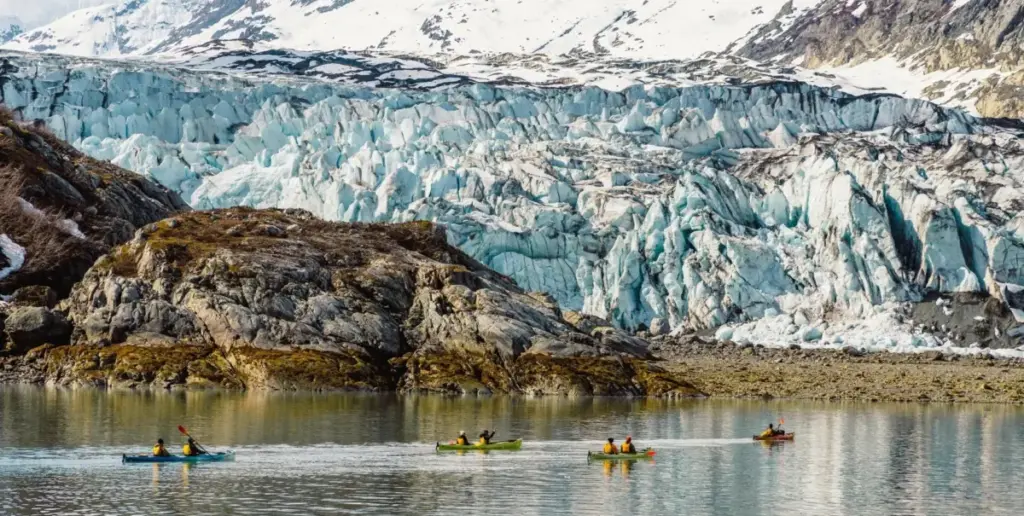
UnCruise Adventures, an experience-based, small-ship expedition cruise line, has built its operational philosophy around discarding the trappings of mainstream cruising in favor of direct access to the wild places that define remote ecosystems. Eschewing shipboard bingo and mega-resort waterslides, the line structures its voyages around active, outdoor pursuits like coastal kayaking, remote snorkeling sessions, forest hikes, and wildlife tracking. Operating across diverse global regions—including Hawaii, Costa Rica, Panama, Mexico, the Galapagos Islands, and more than a dozen distinct itineraries in Alaska—the company blends the comforts of a boutique maritime vessel with the vibrant energy of an expedition outfit.
What Puts the ‘Un’ in UnCruise
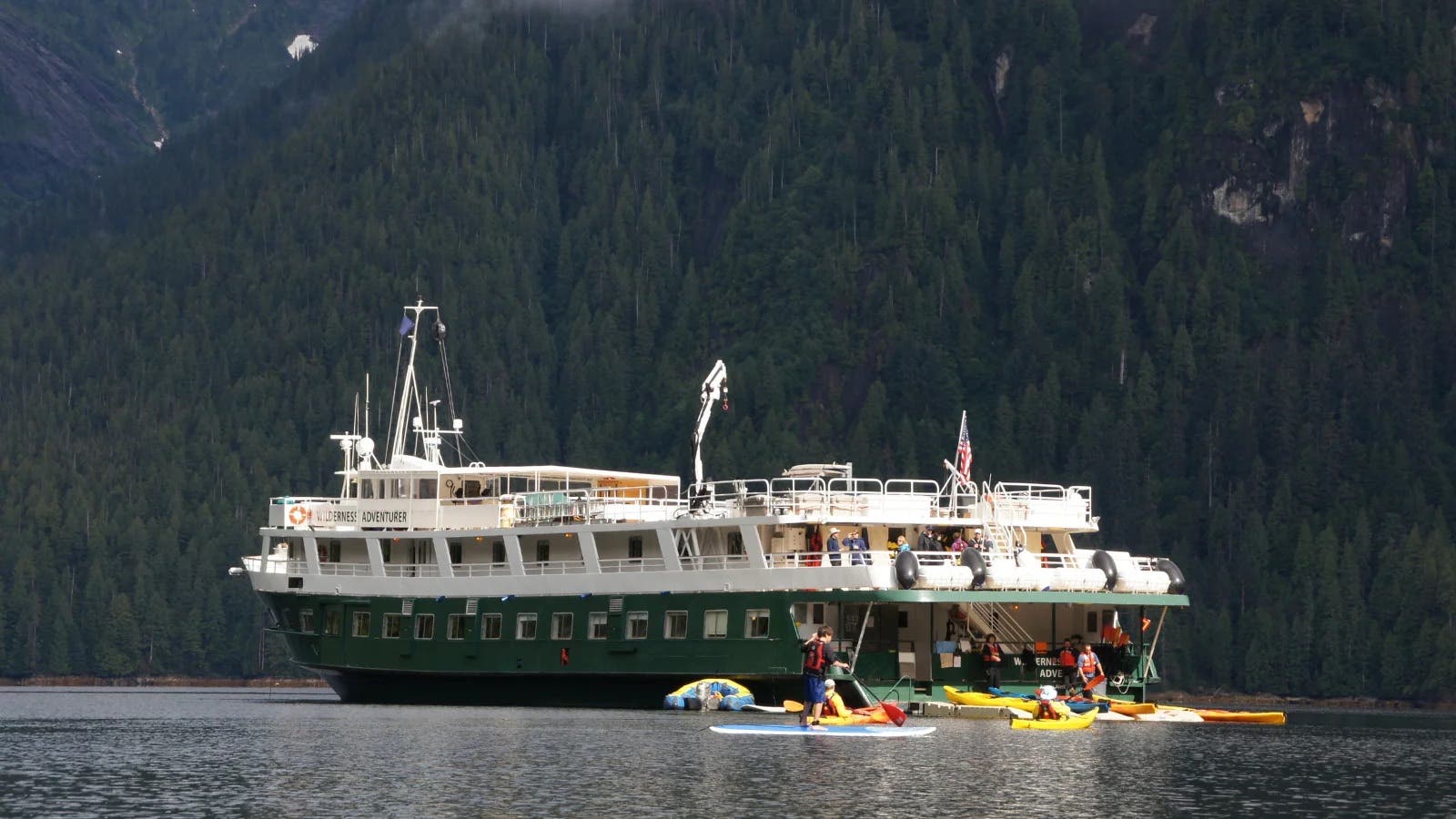
The operational distinction of the company begins with the scale of its fleet. Ranging in guest capacity from just 22 to 86 passengers, these small vessels cultivate an intimate atmosphere where travelers forge close connections with the crew, resident wilderness guides, and fellow explorers. More importantly, this diminutive footprint allows the ships to navigate narrow channels, secluded fjords, and shallow bays that remain entirely inaccessible to larger commercial vessels.
Many of these destinations can otherwise only be reached via rough maritime transit or seaplane. While onboard life is characterized by comfortable cabins, thoughtful interiors, sea-to-plate dining featuring locally sourced ingredients, and inclusive amenities, the ship itself remains strictly secondary to the surrounding environment. As Captain Dan Blanchard, the chief executive officer of UnCruise, succinctly summarizes the corporate ethos, the entire operation is anchored in what lies beyond the hull. Each evening, alongside signature cocktails, resident guides lead detailed presentations in the lounge regarding the ecology, marine biology, and wildlife observed throughout the day.
This commitment to organic wildlife encounters and shifting ecological dynamics means that standard itineraries function less as rigid schedules and more as flexible outlines. Leveraging their expertise as professional naturalists and mariners, the UnCruise crew constantly adapts daily plans in response to unpredictable weather, tidal shifts, and spontaneous wildlife sightings. Blanchard refers to this operational philosophy as having "a plan from which to deviate."
Under this model, a sudden appearance by a pod of orcas during an Alaskan coastal transit is seamlessly integrated into the day’s agenda. When weather dictates a shift in course, the crew draws upon deep regional knowledge to pivot toward alternative wilderness activities. It is an approach that openly embraces uncertainty—though Blanchard jokingly offers reassurance to guests who experience anxiety over fluid itineraries, noting that daytime refreshments remain available for those who prefer a structured timeline.
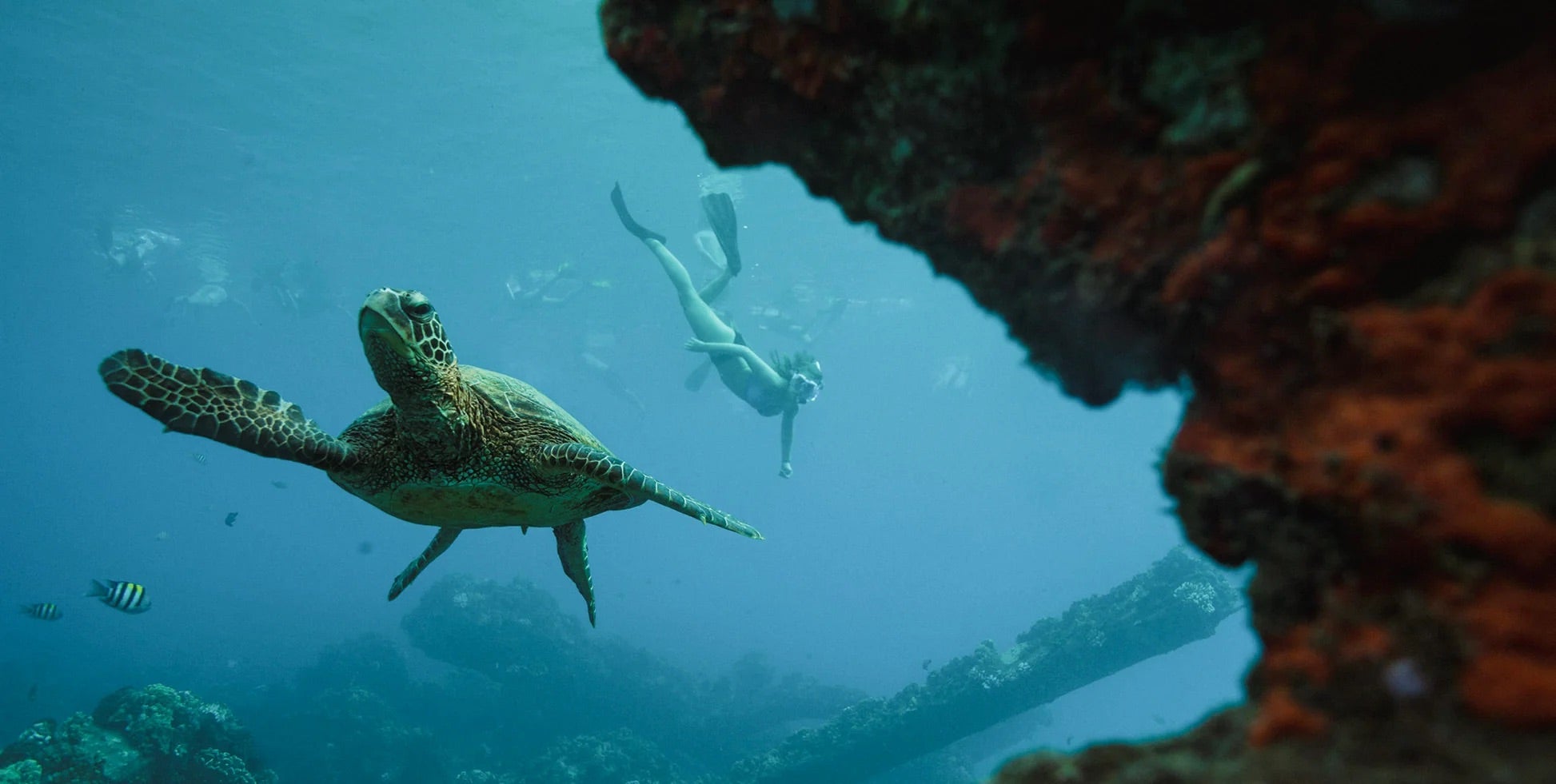
The all-inclusive pricing structure covers all daily meals, snacks, beverages, and excursion equipment. Whether guests are snorkeling in Hawaiian waters, kayaking through tropical fjords in Costa Rica, riding pack animals through rugged Mexican mountain trails, or observing blue-footed boobies in the Galapagos, financial surprises are eliminated. The only hidden elements encountered on the journey are the secluded sea caves, hidden waterfalls, and isolated wildlife colonies awaiting discovery.
Explore Alaska’s Wild Side
This expedition-focused methodology finds its most pronounced expression in Alaska, a destination that has seen a massive surge in conventional tourism over recent years. While mainstream operators frequently skim the surface of the state’s coastal fringes, UnCruise utilizes its unique operational framework to delve deep into remote wilderness regions.
A foundational element of this approach is that nearly all of the line’s Alaskan voyages begin and end within the state, bypassing the lengthy maritime transit from Seattle or Canadian ports. Furthermore, UnCruise operates exclusively with U.S.-flagged vessels, granting them the freedom to navigate freely through intricate Alaskan waters without the obligation to make international port calls. Consequently, every single day is maximized for off-the-ship wilderness experiences, favoring remote landscapes and secluded anchorages over bustling commercial port towns. Because the vessels are U.S.-flagged, the expedition crew members are directly licensed to lead onshore and on-water adventures wherever the journey leads, rather than outsourcing guiding responsibilities to third-party operators.
By traveling predominantly at night, UnCruise ships eliminate the full days at sea that characterize standard cruise itineraries, positioning the vessel directly adjacent to the next morning’s adventure zone at dawn. This efficient routing drastically reduces total mileage: while a typical weeklong Alaskan cruise might log upwards of 3,000 miles, UnCruise itineraries generally cap total distance at approximately 400 miles.
Operating one of the longest seasonal windows in the industry—stretching from April through late September—the line exposes travelers to distinctly different ecological chapters of the region. Springtime voyages offer crisp landscapes under the dancing movement of the northern lights; early summer brings breaching humpback whales; and the late-season salmon runs draw heavy concentrations of coastal wildlife, including foraging bears.
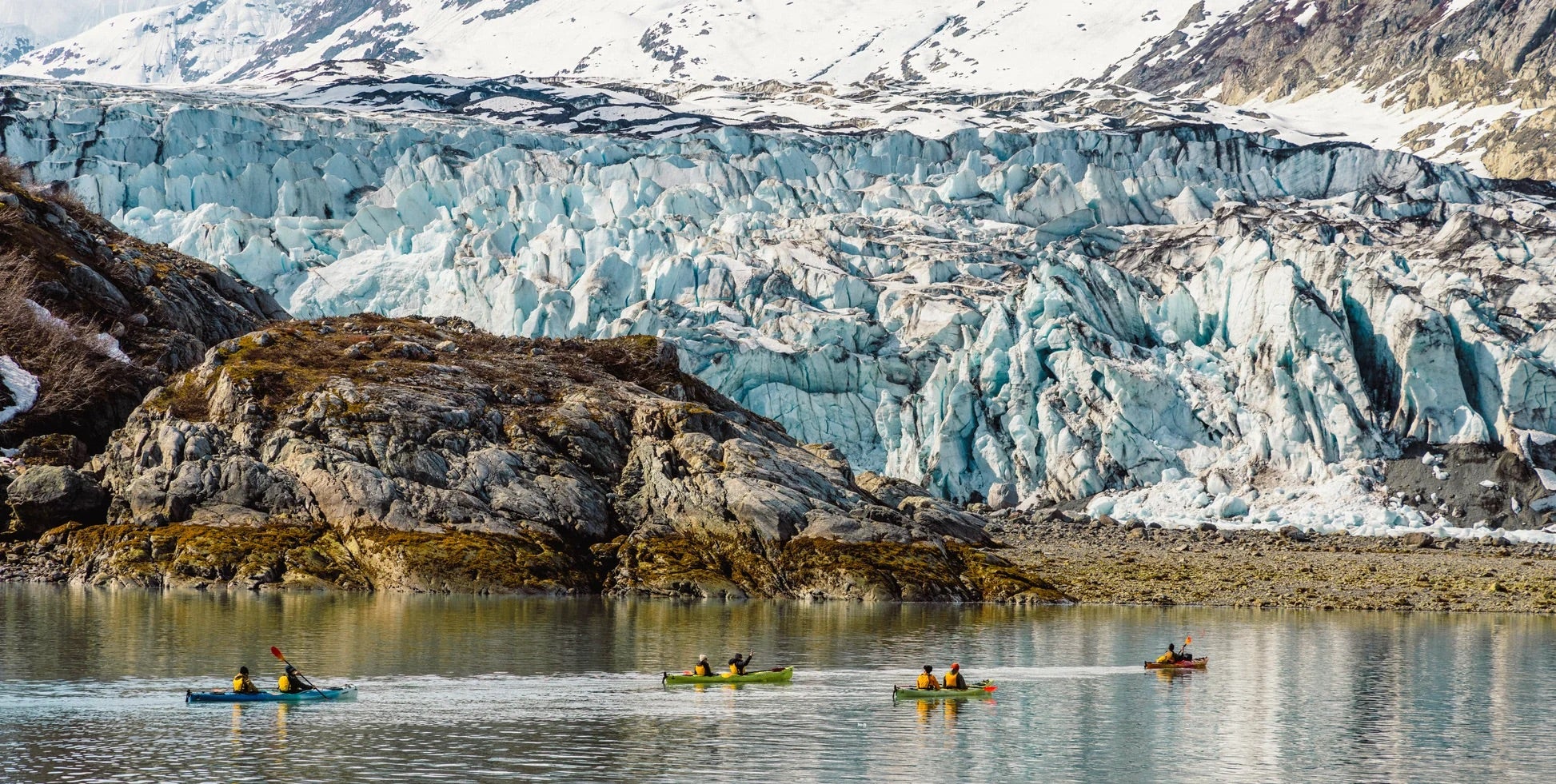
The geographic scope of these itineraries covers Southeast, Southcentral, Interior, and Southwest Alaska, providing access to remote backcountry regions rarely witnessed by the general public. A prime example is Glacier Bay National Park. While millions of travelers view the park from the decks of massive cruise ships, the vast majority never physically set foot on the terrain. UnCruise facilitates rugged terrestrial exploration, including guided ridgeline hikes rising above the dramatic ice of the Lamplugh Glacier.
According to Captain Blanchard, fewer than one percent of all visitors to Glacier Bay National Park ever step foot in the outer bay wilderness. Through the use of small-scale vessels, intentional travel planning, and an unwavering commitment to remote exploration, UnCruise continues to grant its passengers exclusive access to that rare, awestruck minority of travelers.