



For millions of women around the world, menstrual cramps can turn an ordinary, productive day into one spent planning around a heating pad, relying on over-the-counter painkillers, or simply pushing through a wave of debilitating discomfort. Because severe dysmenorrhea disrupts work, school, and daily life, individuals who experience regular menstrual pain are often curious about any natural lifestyle modification, dietary adjustment, or holistic strategy that could make those days a little easier.
Now, new research points toward a surprisingly simple and accessible option from the produce aisle. In a recent clinical investigation, women who added fresh strawberries to their daily diets reported experiencing less menstrual pain, offering researchers an intriguing new food-based avenue to explore for women’s health and wellness.
About the study
To explore the potential link between dietary habits and menstrual discomfort, researchers at the University of Huelva in Spain designed a clinical trial involving 64 women between the ages of 18 and 35. All of the participants regularly experienced menstrual cramps, providing a consistent baseline for evaluating how dietary interventions might influence their symptoms over time.
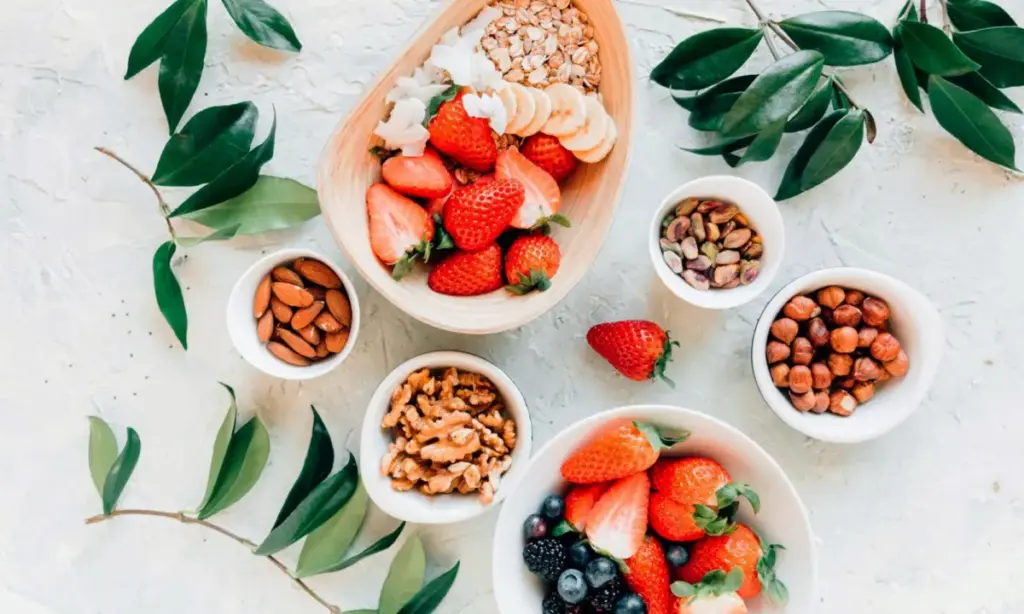
The researchers randomly assigned the participants to one of two groups. The first group continued to consume their usual, everyday diets without any specific modifications. The second group was instructed to add 250 grams of fresh strawberries to their daily routines for a duration of one month. This daily portion amounted to roughly one and a half cups of fresh fruit.
Throughout the investigation, participants were asked to evaluate and rate their pain levels at strategic intervals: at the very start of the study, after the one-month intervention period concluded, and again during a follow-up assessment two months later. To ensure the scientific rigor of the trial, the researchers established a specific benchmark in advance. They required the strawberry-consuming group to report at least a one-point greater reduction in pain compared to the control group in order for the difference to be considered clinically meaningful.

The motivation behind investigating strawberries centered on their rich nutritional profile. Strawberries contain high concentrations of polyphenols, a category of plant compounds that includes anthocyanins. These specific compounds are well known in nutritional science for possessing powerful antioxidant and anti-inflammatory properties, which researchers hypothesized might interact with the biological mechanisms driving menstrual cramps.
Daily strawberries were linked to less period pain
When the results were evaluated after the initial month of the study, the data revealed a notable shift. Women who had incorporated fresh strawberries into their daily diets reported significantly less menstrual pain than those in the comparison group who maintained their standard eating habits. Furthermore, this measured difference successfully met the researchers’ pre-established threshold for a meaningful improvement in pain scores.
An intriguing development emerged during the subsequent evaluation. The lower pain scores reported by the strawberry group were still observable at the two-month follow-up assessment. This persistence occurred even though the participants had stopped eating the daily portion of strawberries a month earlier, after the active intervention phase ended. While this lingering effect presents an interesting observation for researchers, the study authors note that it does not definitively prove strawberries have a long-lasting, permanent pain-relieving effect on the body.
Why strawberries could help with cramps
To understand why a common fruit might influence menstrual discomfort, it helps to look at the underlying biological triggers of cramps. Menstrual pain is driven, in large part, by prostaglandins. These are hormone-like compounds that signal the uterus to contract during menstruation, helping the body shed its lining. However, an excess of these compounds can lead to stronger uterine contractions, restricted blood flow, and heightened inflammation, all of which contribute to severe cramping.
Because strawberries contain concentrated levels of bioactive plant compounds, researchers believe these nutrients may interact with and influence some of the body’s inflammatory processes. Despite this plausible biological pathway, the clinical trial did not measure direct markers of systemic inflammation or track the specific levels of prostaglandins in the participants. Consequently, while the dietary addition coincided with reduced pain, the researchers emphasize that they cannot definitively state that anti-inflammatory action was the direct cause of the reported symptom relief.

At the same time, the study had notable limitations that must be considered when evaluating the findings. It was a relatively small pilot trial, involving just 64 participants, and it was unblinded, meaning the women involved were fully aware of whether they were eating strawberries or maintaining their usual diets. Additionally, the trial received partial funding from a Spanish strawberry producers’ association. Because of these factors, the researchers stress that these preliminary findings must be confirmed through larger, more rigorous, and ideally blinded studies that are free from potential funding biases.
The takeaway
While strawberries cannot currently be classified as a proven medical treatment or a guaranteed cure for period pain, this small-scale trial provides researchers with a compelling, food-based avenue to explore further in the field of nutritional science.
For individuals looking to support their overall well-being, incorporating fresh strawberries can easily serve as part of a balanced, anti-inflammatory diet. However, health professionals note they should be viewed as a nutritious addition to overall lifestyle habits rather than a replacement for established medical treatments and pain relief strategies.