


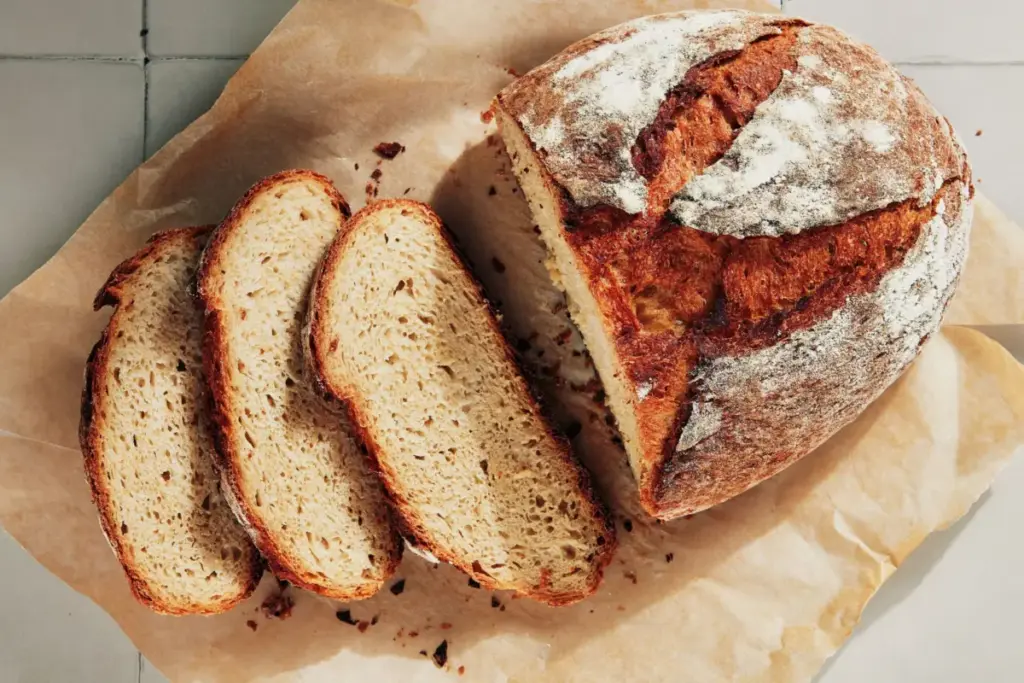
A deceptively simple substitution of apple juice for water is transforming ordinary homemade bread into a subtly sweet, autumn-inflected loaf that is winning over home cooks and professional bakers alike. To the eye and the touch, the resulting loaf is indistinguishable from a standard, soft white bread. Yet, it carries an unmistakable, delicate undercurrent of apple sweetness that functions almost like a culinary magic trick, elevating a morning slice slathered in butter or completely redefining a midday peanut butter and jelly sandwich.
The inspiration for this technique comes from an unexpected setting: a diminutive, four-seat teppanyaki restaurant tucked away in the back of the prestigious Suiran Hotel in Kyoto, Japan. It was there that chef Tsubasa Yamaguchi served a warm piece of the bread prior to the first course of the meal, establishing an idyllic, comforting tone for the dining experience that followed. Intrigued by the complex flavor profile of what appeared to be a traditional rustic loaf, the diner inquired about the chef’s secret methods.
Chef Yamaguchi’s answer was astonishingly straightforward. He explained that he merely took his standard rustic bread recipe and substituted apple juice directly for the water, utilizing the exact same quantities and following the identical baking technique. No complex adjustments, no extra fermentation steps, and no specialized ingredients were required. That single, unassuming swap achieved what many bakers spend years attempting to master: an infusion of seasonal warmth and fruit-forward flavor without compromising the structural integrity, shape, or texture of the traditional loaf.
Since that encounter in Kyoto, the technique has rapidly gained traction as an instant household favorite, offering a versatile canvas for both sweet and savory applications. While the bread shines brightest in the morning hours, served warm with a generous smear of high-quality butter that melts into the crumb, its adaptability extends far beyond breakfast. The subtle fruit notes create a sophisticated flavor pairing with rich nut butters and fruit preserves, elevating simple comfort foods into something remarkably memorable.
Achieving this result at home, however, does require a certain level of attentiveness during the baking process, particularly for those utilizing traditional artisanal methods. Bakers who employ a Dutch oven for their crust development will encounter a slightly nerve-wracking moment when it comes time to lower the shaped dough into the intensely hot, heavy vessel. While the procedure requires a steady hand and a measure of caution, culinary experts emphasize that a little focused attention is all that is needed to master the transfer safely. The slight tension of the maneuver is quickly forgotten once the finished loaf emerges from the oven, boasting a golden, crackling exterior and a tender, subtly sweet interior that carries the quiet elegance of its origins in a historic Kyoto kitchen.