

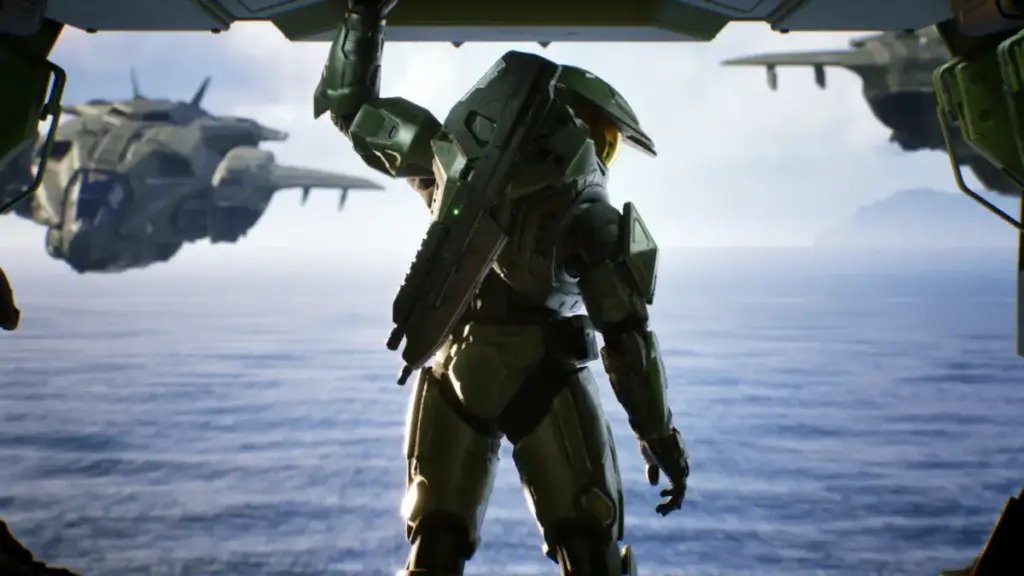
Halo will never be the same. In a sweeping corporate restructuring that marks a monumental turning point for the video game industry, Xbox announced the next phase of its ongoing business strategy, resulting in a wave of 268 new job cuts. Among the hardest hit is Halo Studios, the developer historically responsible for shepherding Microsoft’s flagship sci-fi franchise. According to an internal memo sent by Xbox Executive Vice President Matt Booty, a small team at Halo Studios will remain in place to support the active community and existing games currently in the market, but the future of the series has fundamentally shifted. In a move that would have seemed entirely implausible just a decade ago, Activision—the powerhouse publisher behind Call of Duty—will now be developing the next mainline Halo game.
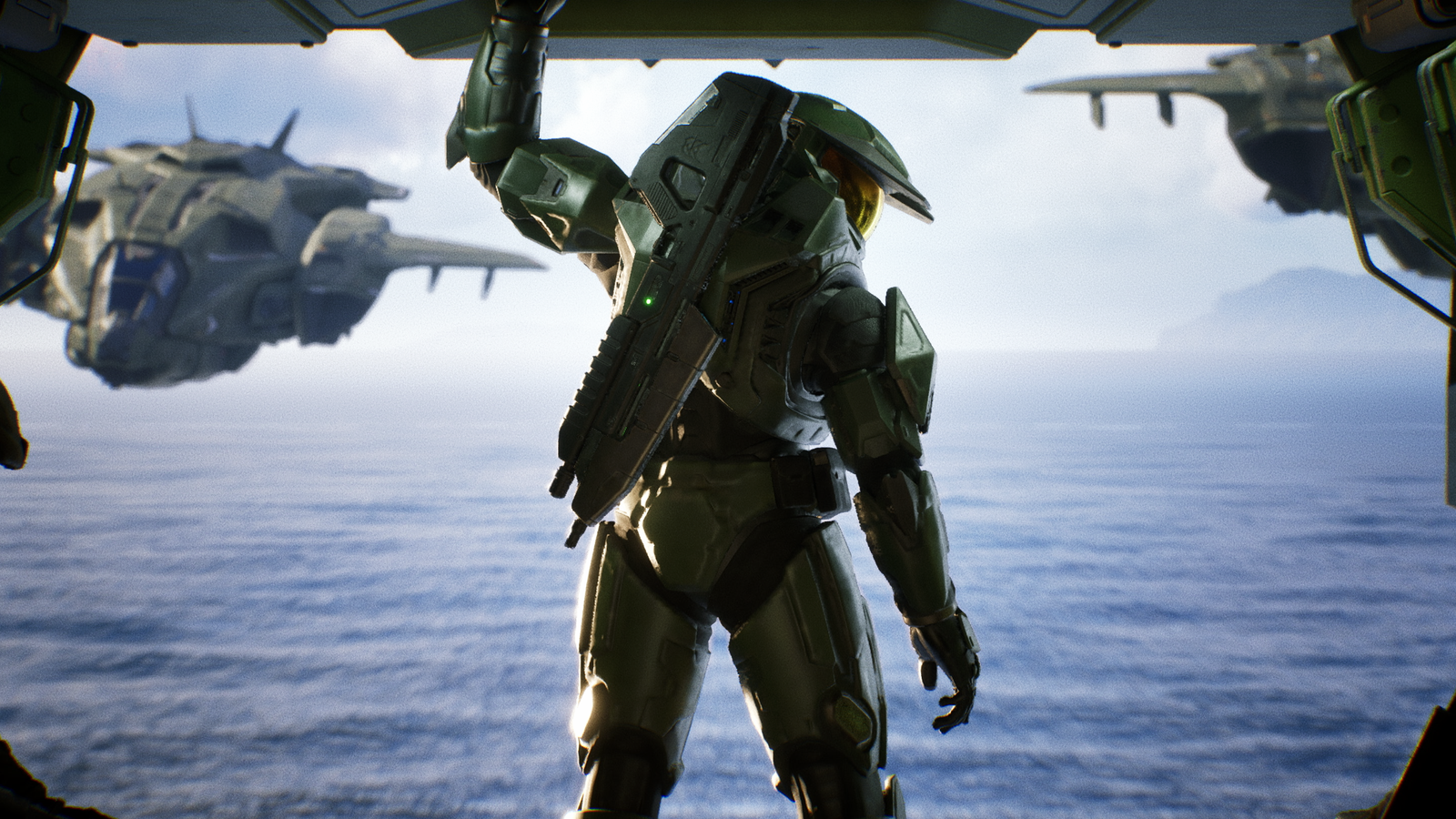
This massive development arrives during a turbulent era for Microsoft’s gaming division, continuing a decade defined by shifting brand strategies, leadership changes, and struggles to maintain the undisputed market dominance Xbox once enjoyed. For longtime veterans of the gaming community, handing the keys of Microsoft’s crown jewel to the studio responsible for its historical rival feels like the definitive end of an era—and the quiet close to one of the most passionate fanbase rivalries in gaming history.
To understand the magnitude of this transition, one must look back at the origins of the franchise. Halo has served as the undisputed face of the Xbox brand since the very beginning. Bungie’s landmark 2001 first-person shooter, Halo: Combat Evolved, was arguably the single system-selling title that put the original Xbox console on the map. Its direct successors, 2004’s Halo 2 and 2007’s Halo 3, went on to define an entire generation of console gaming, widely regarded as some of the greatest first-person shooters ever created and achieving a level of universal acclaim rarely seen in the medium. Even beloved spin-offs like Halo: Reach cemented the franchise’s cultural footprint.

Following Microsoft’s decision to part ways with Bungie, Xbox established 343 Industries—named in homage to a key artificial intelligence character from the original trilogy—to take over stewardship of the Master Chief. While the studio produced critically acclaimed titles, its tenure was consistently plagued by rocky launches and shifting creative visions. Halo 4 proved to be the first entry in the series to genuinely divide the community. Although the Halo: Master Chief Collection eventually matured into the definitive way to experience the classic games on modern hardware, it required years of patches and updates to achieve stability after a disastrously flawed launch. Later, Halo 5: Guardians reached a critical low point for the fanbase, with many players criticizing the game for leaning too heavily into mechanics reminiscent of Call of Duty.
In 2020, 343 Industries prepared to launch the next console generation with its most ambitious project yet: Halo Infinite. Master Chief’s iconic helmet was printed directly onto the retail packaging of launch-edition Xbox Series X consoles, positioning the game as the premier showcase for Microsoft’s new hardware. However, just months before release, the studio was forced to delay the game, leaving millions of newly minted consoles with box art advertising a game that was nowhere to be found.

When Halo Infinite finally arrived a year later as a free-to-play multiplayer experience paired with a paid narrative campaign, it enjoyed an astronomical initial launch drawing 20 million players. Unfortunately, the momentum quickly faded. The game suffered from a lack of foundational features that fans had come to expect from past entries, such as a cooperative campaign mode and robust player-creation tools. Although 343 Industries gradually added these missing components over time, the damage to the player base was already done. Infinite had originally been pitched as a decade-long platform for Halo content, but active development on the title wound down, concluding with minor updates.
Part of the studio’s operational difficulties stemmed from a split focus. Alongside developing games, 343 Industries was tasked with maintaining the Slipspace engine, a proprietary piece of software built exclusively for Halo. Developers frequently described the immense engineering challenge of building and repairing the engine while simultaneously trying to steer the train. In 2025, the studio rebranded itself as Halo Studios and announced a major pivot toward Epic Games’ industry-standard Unreal Engine. This transition birthed Halo: Campaign Evolved, a remarkably faithful remake of the original Combat Evolved that successfully recreated Bungie’s classic physics and design with minor modernizations, such as the addition of a sprint button.
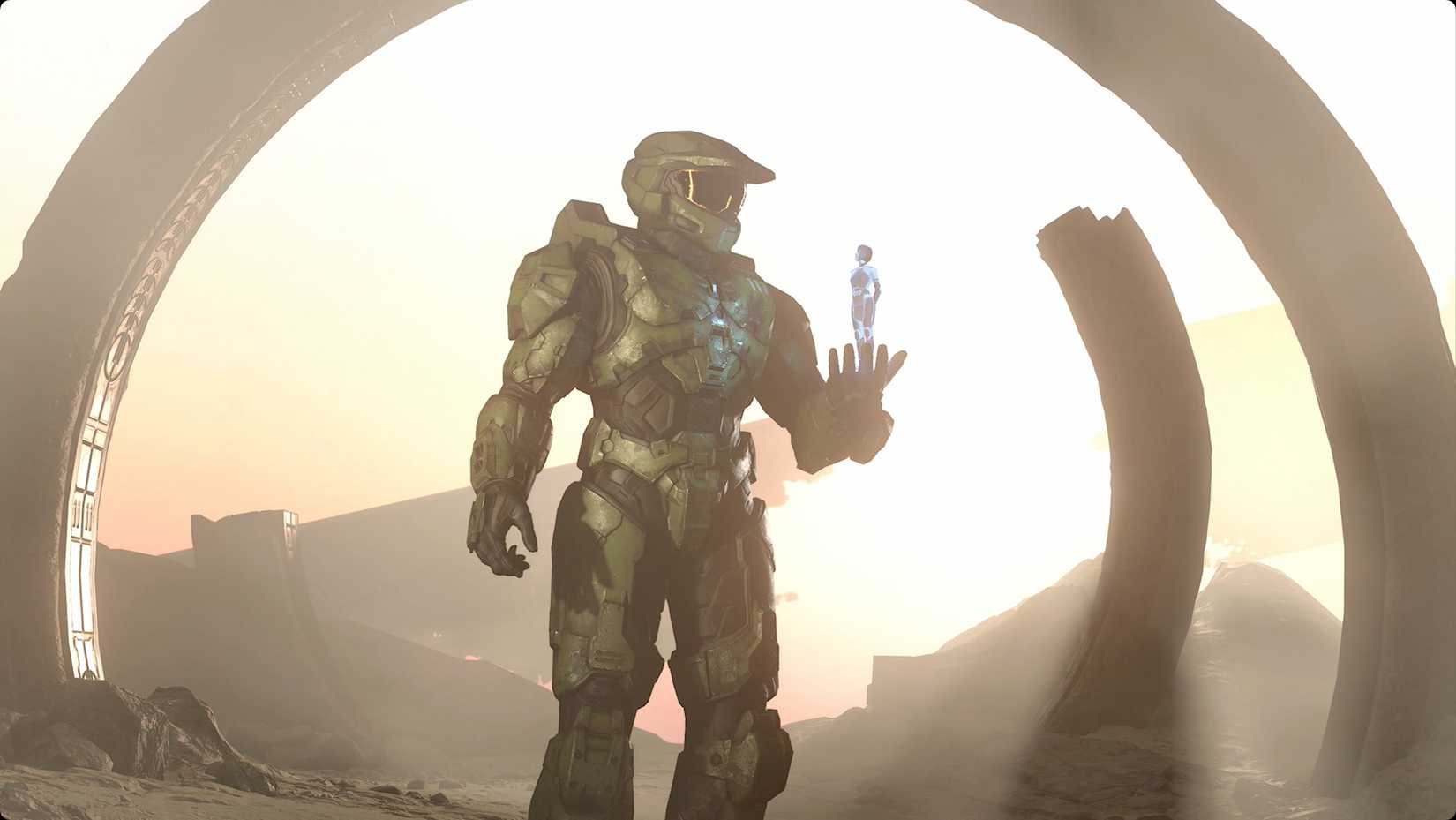
When Campaign Evolved was revealed, Halo Studios indicated that multiple projects were actively in the works. The current status of those initiatives remains uncertain, as Xbox representatives did not respond to inquiries prior to publication. What is clear, however, is that Activision is now tasked with building the next major installment in the franchise. According to Matt Booty’s memo, this new project will be handled by a "new, purpose-built team that is separate from ongoing development and plans for Call of Duty." This means the traditional Call of Duty rotation studios—Treyarch, Infinity Ward, and Sledgehammer Games—will not be directly in charge of the next Halo title.
Nevertheless, the cultural and operational influence of Call of Duty will almost certainly permeate the project. Activision operates under a high-output, standardized development model with annualized releases that follow a proven framework, an ethos that inevitably trickles down from corporate leadership. While Halo Studios proved with Campaign Evolved that Halo’s unique gravity, momentum, and combat feel can be successfully replicated on Unreal Engine, the broader design philosophies associated with modern military shooters—such as complex loadouts, strict seasonal content models, and dense user interfaces—may well find their way into future entries.

Predicting the exact shape of the next Halo outing remains difficult, aside from the near certainty of a robust competitive multiplayer suite. For Xbox, operating in a corporate climate laser-focused on the bottom line, leaving a multi-million-player franchise on the table is simply not an option, especially given that Campaign Evolved notably launched without a multiplayer component. Yet, the irony of transferring the stewardship of Halo to a publisher that was once its fiercest rival cannot be overstated.
During the height of their respective powers in the 2000s, Halo was positioned as the cerebral, epic sci-fi counterweight to Call of Duty’s grounded, straightforward military machismo. The franchise only ever faltered when past developers attempted to chase Callo f Duty’s success, whether through Halo 4’s custom loadouts or Halo 5’s accelerated match pacing. When Halo Infinite returned to the series’ foundational roots, it achieved the biggest launch in franchise history. As the series moves permanently into the house built by its former rival, questions linger regarding its identity and future. In the middle-school cafeterias and college dorms of the 2000s, the rallying cry was always that Halo beat Call of Duty. In the 2010s, fans worried it was becoming too much like it. Now, with Halo officially housed under Activision, there is little left to say.