


Many potential heavy-hitting spoilers, such as Marvel’s Wolverine, have flamed out or underwhelmed critics, leaving a surprisingly open playing field for unexpected and exciting nominees. To understand how the final six nominees for Game of the Year 2026 will be chosen, one must look closely at the voting body itself. Composed of a wide and diverse range of international games media outlets—including Polygon—alongside a vital 10-percent contribution from fan voting, The Game Awards features a reliable set of indicators that dictate which titles rise to the top.
A high Metacritic rating, preferably sitting comfortably above 90, remains practically mandatory for any serious contender. Historically, role-playing games, action-adventures, and titles with deep narrative elements are strongly favored by the jury, while indie projects and multiplayer-focused games have to fight significantly harder to earn mainstream recognition against AAA single-player blockbusters. These exact metrics have proven remarkably accurate in past cycles, successfully predicting winners like Clair Obscur: Expedition 33 and Astro Bot, while accurately forecasting entire slates of nominees and category winners.
With the year’s release calendar largely accounted for, several standout titles have emerged as the front-runners for the coveted six GOTY nomination slots, based exclusively on games already released or made available for review. Unlike the film industry, where major awards contenders are often known quantities months in advance, video games carry inherent volatility. Unforeseen critical reception shifts and frequent release-date slippages mean that a game’s true impact is rarely known until it reaches the public.
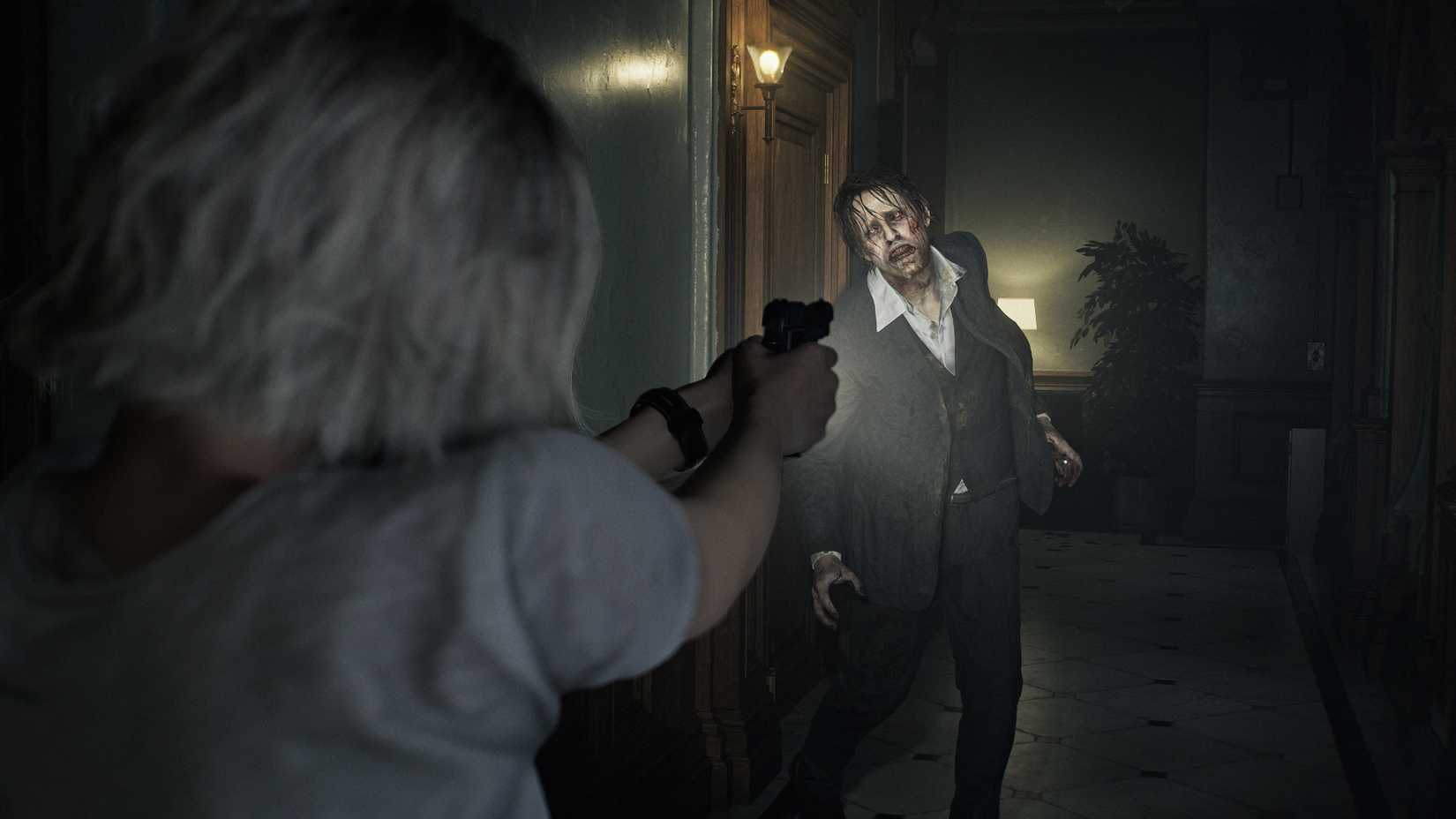
Leading the pack currently is Resident Evil Requiem, Capcom’s latest entry in its storied survival horror franchise. Resident Evil has proven to be a remarkably reliable presence at The Game Awards, securing three separate GOTY nominations since 2019 alongside numerous nods in other technical and genre categories. Requiem succeeds by ingeniously combining the nostalgic fan appeal of the franchise’s celebrated remakes with the narrative and structural freshness of a brand-new mainline entry. It is slickly produced, thrilling, and balanced with both global commercial appeal and critical weight. While its critical scores sit in the high 80s on Metacritic and OpenCritic—making it perhaps a tiny bit soft compared to historical multi-90s winners—the sheer lack of unblemished competition keeps it firmly in the lead.
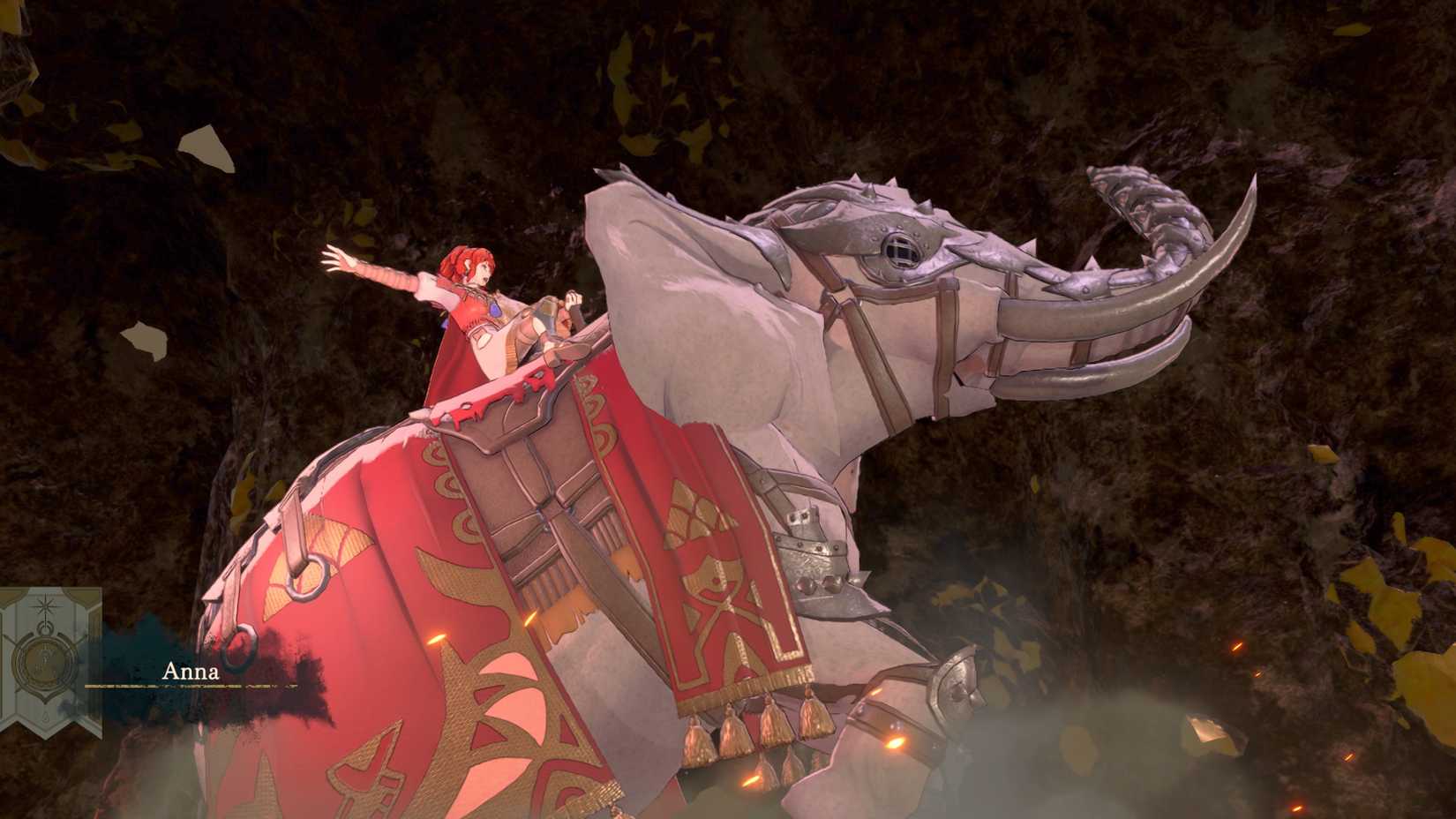
Hot on its heels is Fire Emblem: Fortune’s Weave, Intelligent Systems and Nintendo’s latest grand-scale tactical role-playing masterpiece. Boasting a robust 89 on Metacritic, the game has been universally praised by critics for successfully uniting deep, sophisticated storytelling with refined, expansive tactical combat on an epic canvas. There is a growing recognition within the TGA voting body for authentic, deeply realized Japanese-developed RPGs, a trend bolstered by previous successes like Metaphor: ReFantazio. Furthermore, Nintendo properties carry immense fan support, as seen when Fire Emblem: Three Houses claimed the fan-voted Player’s Voice award. However, Fortune’s Weave faces a historical hurdle: the jury traditionally consigns Fire Emblem games to the Simulation and Strategy category, which has never historically crossed over into the main Game of the Year race.
IO Interactive’s debut James Bond title, 007 First Light, has also made a confident splash, earning a solid 87 Metascore and climbing steadily from the lower rungs of the prediction lists. The studio’s trademark mastery of social stealth and cinematic action-adventure design resonates well with a jury that favors high-production espionage and narrative flair. While licensed games rarely break into the GOTY conversation and some critics noted a slight pivot toward a more commercial direction, the sudden collapse of competing action titles—most notably Marvel’s Wolverine, which stumbled due to poor critical reception and toxic online discourse—has left Agent 47’s spiritual successors in a surprisingly secure position.
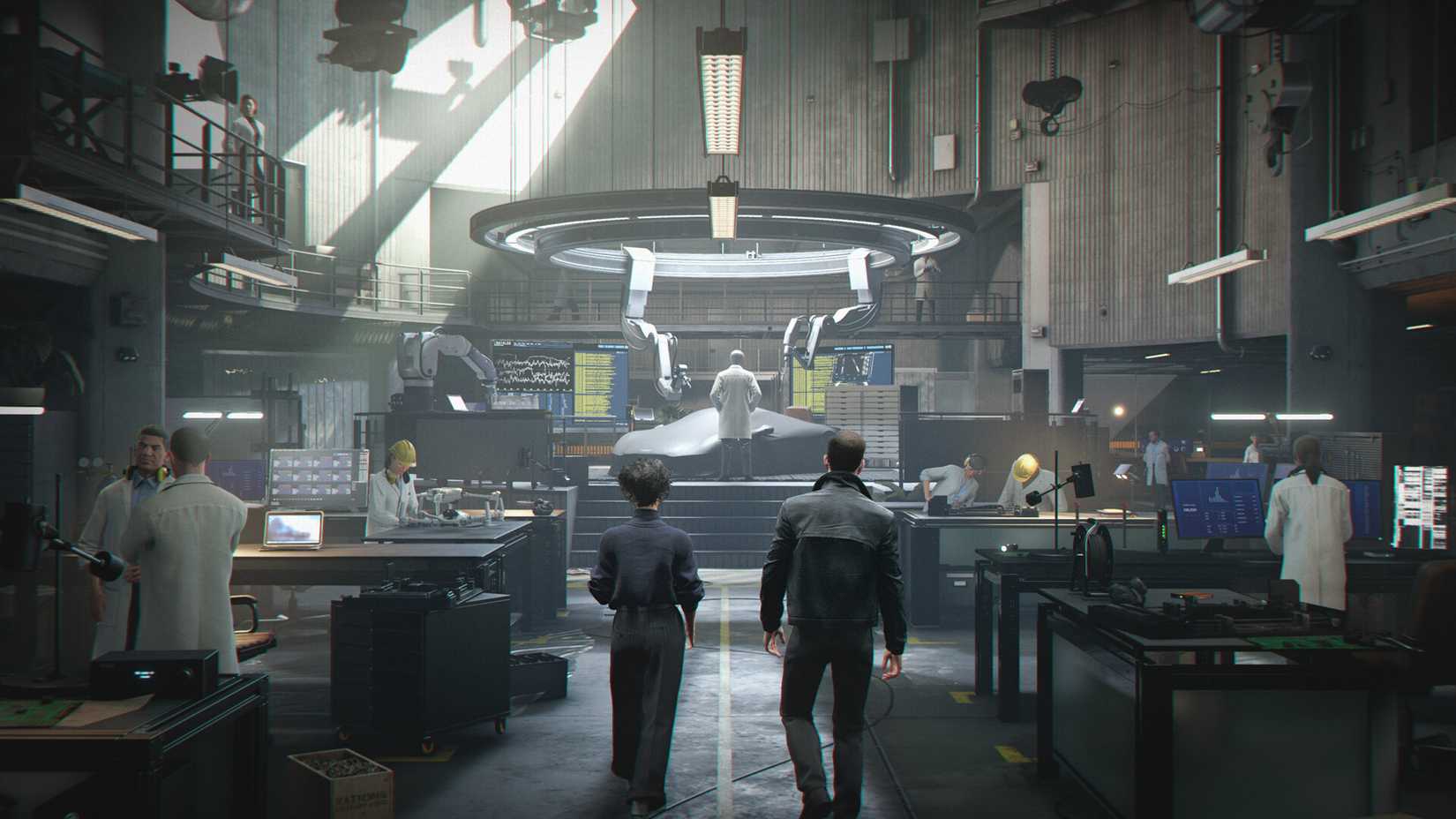
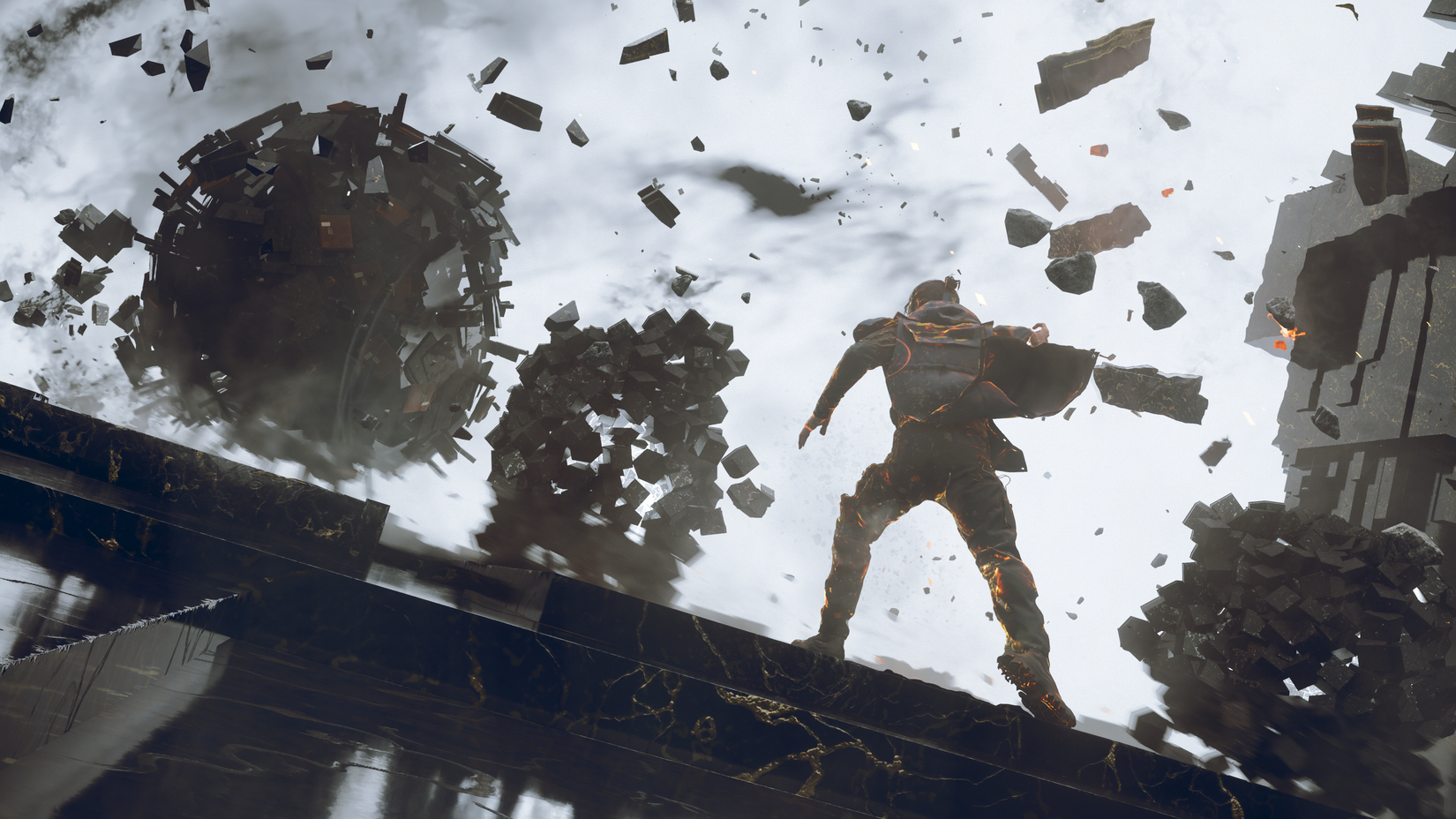
Remedy Entertainment’s Control Resonant occupies a fascinating space as a perennial critical darling. Remedy has mastered the art of delivering mainstream cinematic action-adventures that retain a distinct indie coolness, earning previous GOTY nominations for both the original Control and Alan Wake 2. Although the sequel’s genre shift from a tight shooter to a sprawling open-world action-RPG has generated a somewhat mixed response, its Metacritic rating of 84 actually edges out the first game’s 82. Sitting right on the edge of the review embargo and public release, Resonant will rely on sustained player conversations to solidify its nomination longevity.
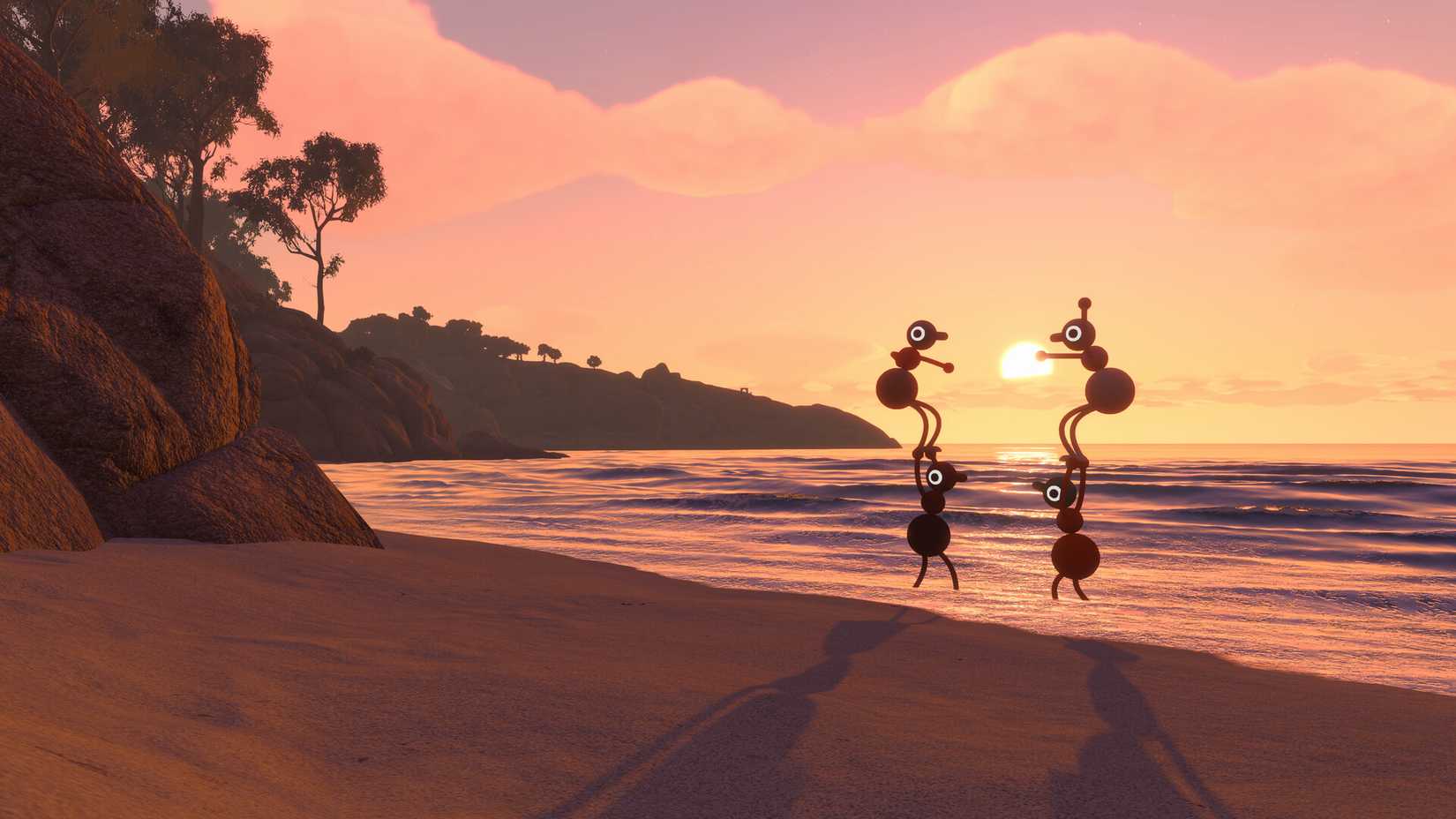
Representing the indie and co-op space is Big Walk, House House’s whimsical and critically adored cooperative puzzle adventure. Sitting proudly at 91 on Metacritic—higher than any other game on the current prediction list—the title benefits from the developers’ established pedigree following the massive success of Untitled Goose Game. Cooperative titles have historically fared exceptionally well with the jury, most notably when It Takes Two took home the ultimate prize in 2021. The primary obstacle for Big Walk remains the logistical nature of online multiplayer games, which demand social organization and shared playtime that can occasionally elude busy voting jurors.
Rounding out the current front-runners is Pearl Abyss’s Crimson Desert. As a massive, technologically polished open-world action-RPG, it checks all the traditional boxes for a blockbuster TGA contender. It has enjoyed massive global sales and commands a passionate "outsider AAA" fanbase, similar to the momentum that propelled Black Myth: Wukong to a nomination in 2024 and Kingdom Come: Deliverance 2 in 2025. Yet, it is clinging to its spot by its fingernails; its Metascore of 77 sits well below the historical threshold for GOTY consideration, and critics have pointed to narrative and design flaws that the jury typically scrutinizes heavily.
Beyond the core six predictions, a handful of dark horses loom on the horizon. The Blood of Dawnwalker, a vampire RPG spearheaded by key talent behind The Witcher 3, underperformed slightly upon release and remains overshadowed by its predecessor, though it stands as a strong contender for Best Narrative. Similarly, Bit Reactor’s Star Wars Zero Company has captured the hearts of tactical enthusiasts, while Capcom’s eccentric sci-fi adventure Pragmata, Yacht Club’s retro-adored Mina the Hollower, and the life-sim phenomenon Pokémon Pokopia all retain enough critical goodwill to pull off a surprise upset.
Finally, the remaining months of the year introduce monumental upcoming contenders that could completely upend the race. Rockstar Games’ Grand Theft Auto 6 remains the ultimate presumptive favorite, provided it successfully hits its late-year release window just days before the eligibility deadline. Nintendo’s lavish reimagining of The Legend of Zelda: Ocarina of Time tests the industry’s historical aversion to remakes, while Chinese action-RPG Phantom Blade Zero and The Coalition’s explosive blockbuster Gears of War: E-Day wait in the wings. As the release calendar plays out, these rankings will continue to evolve, mapping out what promises to be a fascinating battle for supremacy at the 13th annual Game Awards.