



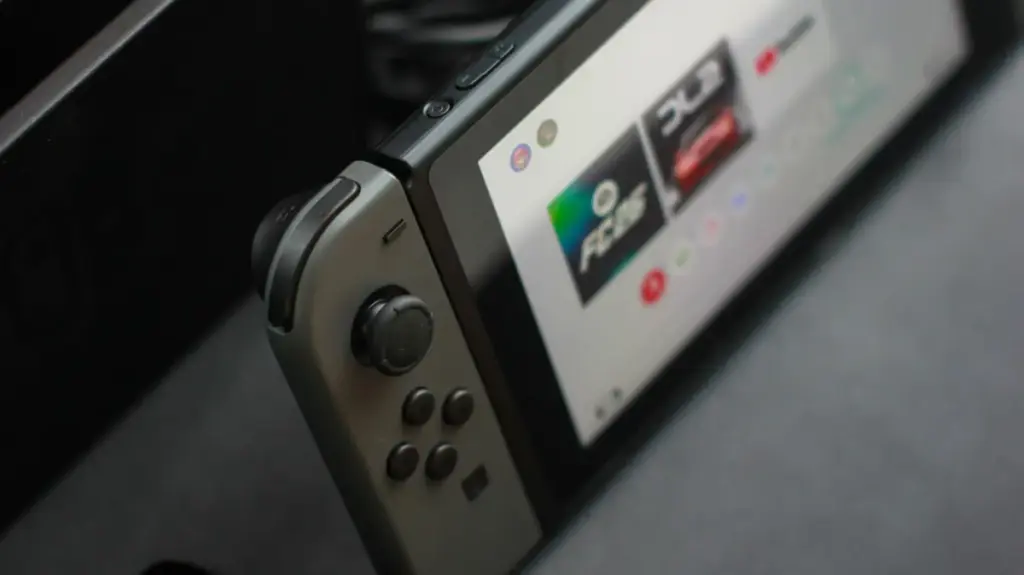
Nearly a decade after its initial global launch, the original Nintendo Switch continues to maintain a notable presence in the video game marketplace. However, as the industry moves firmly into the next generation of hardware led by the Nintendo Switch 2, consumers eyeing Nintendo’s original hybrid console face a financial equation that relies heavily on acquisition strategy and pricing. While buying brand new at this stage presents a hard sell against newer and more powerful hardware, the secondhand market radically alters the value proposition for budget-conscious gamers and physical media collectors alike.
The economic landscape of the gaming industry in 2026 has made console pricing a complicated affair. The standard original Switch currently commands a retail price of around $339.99, while the Switch OLED edition sits at $399.99. Meanwhile, the successor Nintendo Switch 2 has held a steady price tag of $499.99 since its rollout. This broader hardware pricing shift—bolstered by rising component costs that have forced companies like Microsoft to escalate the prices of competing Xbox models by up to $150—means that buying a brand-new Nintendo Switch OLED is increasingly difficult to justify. Saving a modest $100 compared to a brand-new Switch 2 feels less compelling when weighed against the sweeping technical and software advantages of the newer system.
Buying New Makes the Switch 2 Easier to Justify
Choosing to purchase current-generation hardware carries distinct advantages that extend beyond raw graphical horsepower. The Switch 2 boasts a rapidly expanding catalog of platform exclusives, but its appeal is further strengthened by robust backwards compatibility. Nintendo has consistently rolled out software updates designed to optimize the experience of playing legacy games on modern hardware.
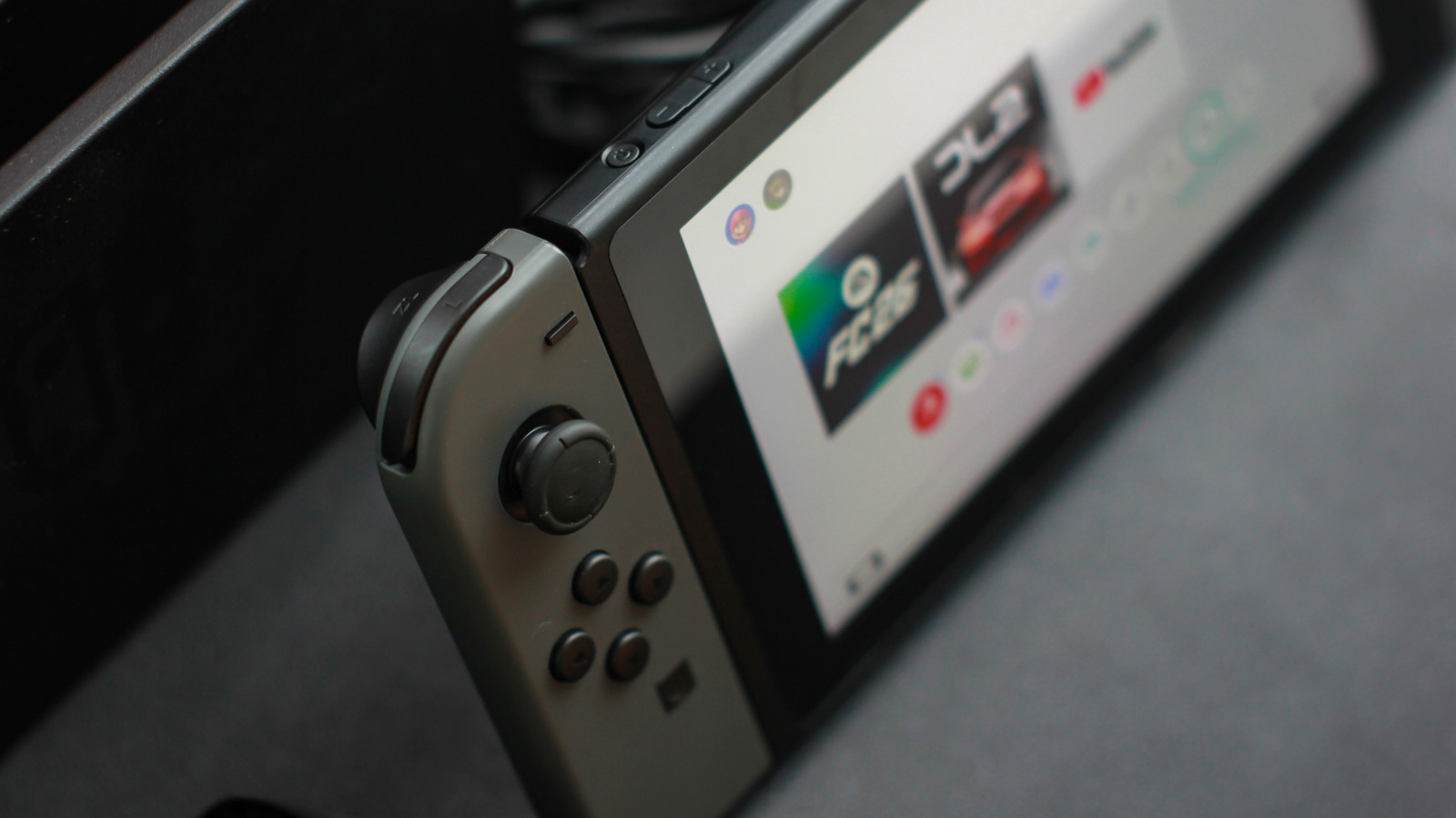
Among these features is Handheld Mode Boost, a software addition that allows supported original Switch games to run as if they were operating in TV mode while players are using the Switch 2 on the go. This capability frequently yields a noticeably clearer and more refined picture than users would experience running the same title natively on an original Switch in handheld mode. Furthermore, select legacy games have received free performance patches alongside paid upgrade packs engineered to inject visual enhancements and smoother frame rates.
At the same time, the software divide between generations is becoming increasingly pronounced. Major first-party titles such as Splatoon Raiders are developed exclusively for the Switch 2, a trend mirrored by upcoming high-profile releases including Fire Emblem: Fortune’s Weave and Metroid Ravenous. Major third-party publishers are also increasingly treating the original Switch hardware as a legacy platform from a bygone era—a categorization that accurately reflects its age.
The Switch OLED does retain certain distinct hardware strengths for specialized use cases. Its vibrant 7-inch OLED panel delivers superior contrast ratios compared to the LCD screen housed within the Switch 2. Additionally, Nintendo estimates the battery life of the OLED model at roughly 4.5 to nine hours, comfortably outlasting the estimated two to 6.5 hours of battery life on the Switch 2. For players who exclusively game away from the television, these portable display and battery metrics remain significant considerations.
However, if a console is destined to spend its entire lifespan resting inside a television dock, purchasing a brand-new Switch OLED means paying a premium for screen fidelity that goes entirely unused, yielding performance identical to the less expensive standard model. That price delta becomes even more glaring when factoring in the cost of software. While used console bundles occasionally include physical game cartridges or hardware accessories that introduce tangible value, bundled digital games rarely justify inflated secondhand pricing, as they remain permanently tethered to the original seller’s personal Nintendo Account.
Buying Used Changes the Equation
The financial calculation shifts dramatically when prospective buyers pivot away from retail shelves and look toward the pre-owned market. Pre-owned standard Nintendo Switch consoles are widely available at retailers like GameStop for approximately $200, while used OLED models generally command around $250. This creates a stark contrast: a consumer can acquire a functional, library-rich legacy system for roughly $200, compared to investing $500 in a next-generation machine. Gamers who plan to play exclusively in handheld mode can lower their financial barrier to entry even further by securing a pre-owned Nintendo Switch Lite for around $170, though the Lite sacrifices the core hybrid feature of television connectivity.
Beyond upfront hardware savings, the original Switch benefits from a massive, mature library. With nine years of first-party Nintendo releases, diverse third-party projects, and acclaimed indie titles under its belt, the console offers an immense volume of playable content. Nintendo has repeatedly affirmed that core digital infrastructure, including the eShop and Nintendo Switch Online services, will remain operational for the foreseeable future, ensuring that digital libraries stay accessible. Moreover, compatible digital games purchased on the original ecosystem can seamlessly transfer over to the Switch 2 for future play.
The original hardware ecosystem also retains a subtle appeal for traditional physical media collectors. While certain modern releases—including some arriving on the Switch 2 platform—rely on game-key cards that lack complete on-card game data and demand mandatory internet downloads before play, traditional Switch cartridges house the entire game code directly on the physical medium. For many collectors, this self-contained design holds a distinct charm.
Navigating the secondhand market, however, requires a degree of technical due diligence. Buyers shopping for a pre-owned standard Switch are advised to look for console serial numbers beginning with the prefix XKW rather than the older XAW designation. The revised hardware revision features improved energy efficiency, carrying Nintendo’s rating of 4.5 to nine hours of battery life per charge, compared to the 2.5 to 6.5 hours offered by the original launch models.
Shoppers must also thoroughly test critical hardware components before completing a purchase, including the Joy-Con thumbsticks, the USB-C charging port, the display panel, the television dock, and the power adapter. Such precautions are particularly vital given the hardware’s repair profile. Independent repair organizations like iFixit currently rate the original Nintendo Switch at a modest 4 out of 10 for overall repairability, citing design hurdles such as a glued-in internal battery, a soldered USB-C port, and a relative scarcity of official replacement parts and authorized repair documentation. For those keeping score of long-term hardware degradation, Nintendo estimates that an original console battery will preserve roughly 80 percent of its initial storage capacity after enduring approximately 800 charge cycles.