

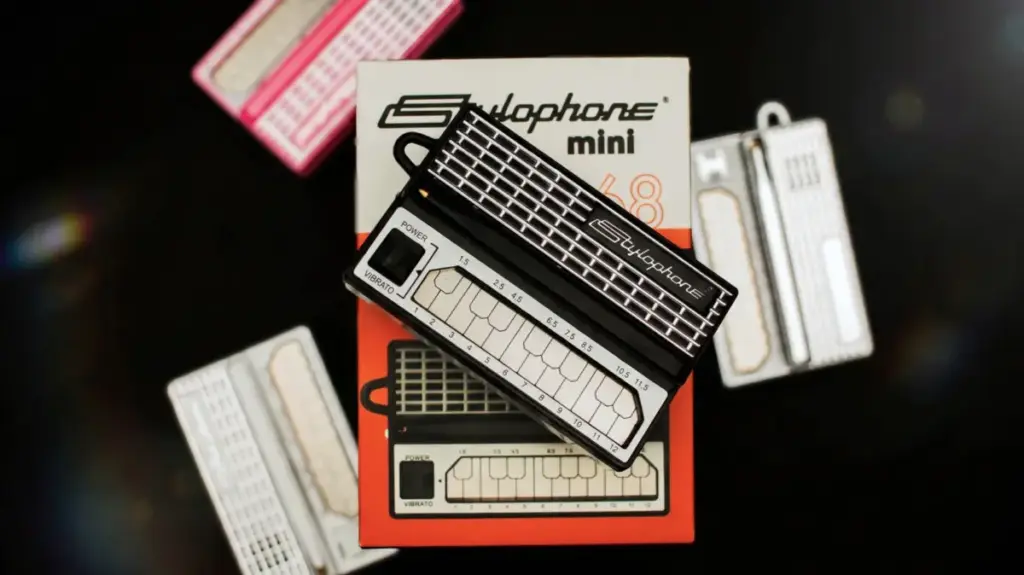
It is small enough to attach securely to a keychain, simple enough to operate without a manual, and costs just $30. For decades, the quirky Stylophone synthesizer has occupied a unique space in the world of popular music, bridging the gap between novelty toy and legitimate musical instrument. Now, the company behind the retro device is officially bringing back its diminutive Stylophone Mini, refreshing the classic pocket-sized instrument for a modern audience that is increasingly rediscovering the charm of analog sound in a digital world.
Originally introduced to the market back in 2010 before quietly leaving production years later, the newly revived Stylophone Mini retains the extremely compact footprint that earned the model its name. While a standard, full-sized Stylophone is already portable enough to fit comfortably inside a typical pants pocket, the Mini shrinks that concept down even further, measuring in at roughly the size of a standard credit card. To emphasize its ultra-portable nature, the design includes a convenient loop, allowing users to connect it directly to a set of keys or even hang it neatly from a car dashboard.
Beyond its physical dimensions, the refreshed Stylophone Mini features very few outward changes from its previous iteration, though it is now being made available in three distinct color options. This lineup includes a brand-new pink variant, adding a vibrant splash of color to the otherwise retro-leaning aesthetic of the hardware. For loyal fans of the brand and new enthusiasts alike, the question of what else could realistically be changed or added misses the entire point of the instrument. The Stylophone is a device that proudly wears its history directly on its sleeve, showing remarkably little interest in adopting modern musical accoutrements, complex software integrations, or complicated menus.
This deliberate commitment to simplicity is a core philosophy behind the revival. In an era dominated by algorithmic automation and artificial intelligence, the company’s leadership sought to chart a different course. According to the company’s chief executive officer, in the age of artificial intelligence, they specifically wanted to make something simple, fun, and real. Judging by the immediate reception and the enduring appeal of the underlying hardware, that core mission has been successfully accomplished.
Despite its diminutive physical size, this device remains, for all practical intents and purposes, a real-deal Stylophone. It features just as many keys as its larger, more traditional sibling, comes equipped with the signature stylus required for playing melodies, and includes built-in speakers so musicians can jam out anywhere without needing to plug into an external amplifier or audio interface. It is a remarkably nifty piece of engineering that delivers immediate gratification to anyone who picks up the stylus.
Perhaps the most compelling aspect of the relaunch is its price point. At just $30, the Stylophone Mini remains remarkably accessible to casual hobbyists, curious students, and professional musicians alike. Stylophones have historically always been budget-friendly instruments, and the underlying technology utilized here is about as simple as technology gets. The refreshed Mini is available for purchase right now, offering an instant dose of retro musical nostalgia without requiring a significant financial investment.
While the Stylophone is often viewed through a lens of whimsical nostalgia, its pedigree in professional music production is remarkably serious. Throughout rock history, it has found its way into the hands of some of the most influential musicians and songwriters of the twentieth and twenty-first centuries. Although the legendary David Bowie was perhaps the most prominent and notable champion of the Stylophone, cementing its status in music lore, he was hardly the only major artist to find deep creative inspiration within the unique confines of its nickel-plated touch keyboard.
David Bowie famously utilized the Stylophone during the creation of some of his most defining early work, most notably on his iconic 1969 track "Space Oddity," where the quirky electronic tones helped establish the futuristic, otherworldly atmosphere of the song. In fact, biographical accounts of the era note that Bowie wrote a significant portion of the track directly on the instrument, cementing its place in the annals of classic rock history.
Following Bowie’s embrace of the device, a diverse roster of legendary artists and bands across various genres adopted the Stylophone for their own recordings and live performances. Acts such as The White Stripes, the pioneering German electronic outfit Kraftwerk, new wave icons Blondie, and the British alternative rock band Pulp have all integrated the distinct sonic signature of the device into their professional records or brought it out on stage during major tours.
Even the legendary Beatles famously fooled around with a Stylophone during the turbulent and heavily documented recording sessions for "Old Brown Shoe" during the historic Let It Be sessions. Though that specific experimental recording did not ultimately make the final cut for the released track, the mere presence of the device in the studio alongside the world’s most famous rock band underscores its undeniable cultural footprint and enduring appeal across generations of musicians.
As the music industry continues to evolve in an increasingly digital and virtual direction, the return of the $30 Stylophone Mini offers a refreshing reminder of the simple joy of physical music-making. By keeping the design true to its roots while making it more accessible and colorful than ever, the company ensures that this pocket-sized piece of rock history will continue to inspire new generations of creators, tinkerers, and music lovers for years to come.