



The deep and enduring North African influence on Spanish cuisine remains a fascinating subject of culinary study, with few dishes embodying this cross-cultural legacy as clearly as the traditional flourless almond cake known as Tarta de Santiago. This iconic pastry, dense and fragrant, was a direct by-product of increased almond cultivation and rich culinary traditions introduced and expanded during Spain’s Moorish era. The historic integration of ingredients and techniques from North Africa fundamentally shaped the agricultural landscape of the Iberian Peninsula, leaving behind a legacy that continues to define Spanish baking to this day.
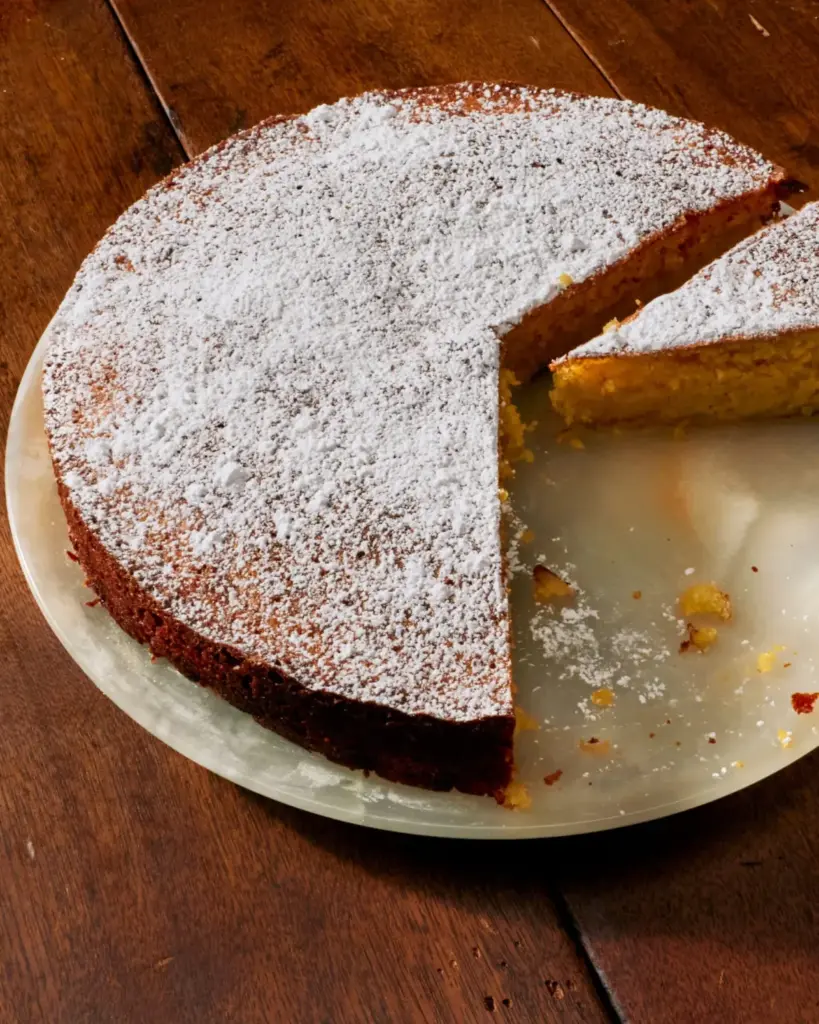
With its naturally dense and moist crumb, the cake is perfectly suited for a relaxed breakfast, a quiet morning coffee break, or an unhurried afternoon tea. While traditional versions are often served unadorned except for a dusting of powdered sugar over a stenciled Cross of Saint James, contemporary and seasonal variations provide ample room for creativity. This particular seasonal version incorporates chopped fresh pears into the batter, though crisp apples or even no fruit at all work just as well, preserving the integrity of the almond base. Culinary enthusiasts note that after the cake has cooled entirely, allowing it to rest in the refrigerator before bringing it back to room temperature yields a particularly soft, rich, and fluffy texture that enhances the overall eating experience.
The documented history of this beloved dessert stretches back nearly two centuries. The oldest recorded recipe for Tarta de Santiago dates to the 1830s, preserved through the writings of Luis Bartolomé de Leybar. However, earlier written references to a strikingly similar almond cake known as "Torta Real" imply that the pastry has existed for centuries longer, passed down through generations of domestic cooks and regional bakers before finding a permanent place in the culinary canon. Today, it remains a popular and ubiquitous option at bakeries and cafés throughout Spain, and it holds a special place of cultural significance in the northwestern Galicia region.
During the Feast of St. James, the cake’s cultural footprint expands significantly. Historically, it was—and still is—served to weary travelers and pilgrims of the Camino de Santiago as a traditional and deeply appreciated reward when they finally reach their destination of Santiago de Compostela. After weeks of arduous walking along the historic pilgrimage routes, travelers are traditionally greeted with slices of this nourishing, protein-rich almond cake, making it as much a symbol of hospitality and endurance as it is a masterclass in historical baking. For those looking to explore similar flavors and regional techniques, Spain’s rich confectionery traditions offer numerous other notable bakes for almond lovers, including the savory-sweet Extremadura Almond Pie, the versatile Anytime Almond Cake, and the flaky, decadent Almond Croissant Galette.