


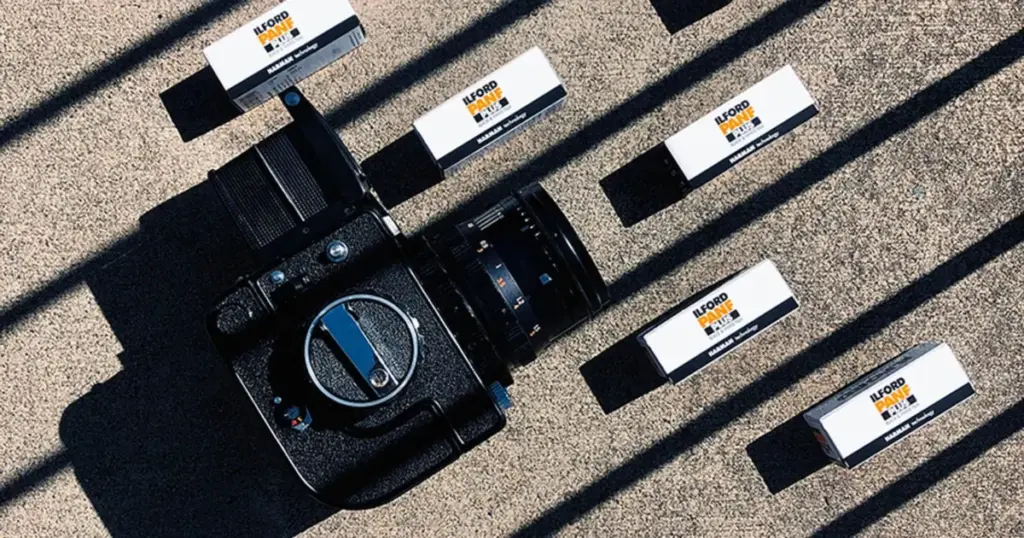
In the vast and varied landscape of photographic film, a distinct clique exists quietly in the shadows—a group of emulsions that photographers and enthusiasts have affectionately come to refer to as the "Sub-100 Club." These are the specialized stocks that flaunt ultra-low ISO ratings well below 100, generally lingering near the periphery of the room, far away from the energetic crowds gathered around high-speed offerings like Delta or TMax P3200. These slow-speed films possess a distinct mystique and a unique allure, appealing to practitioners who prioritize immaculate detail, razor-sharp edge contrast, and a deliberate, methodical approach to image-making. While previous explorations have touched upon modern slow-speed marvels like Cinestill 50D for bright summer days, the conversation inevitably turns to the grandparent of the group: Ilford Pan F+.
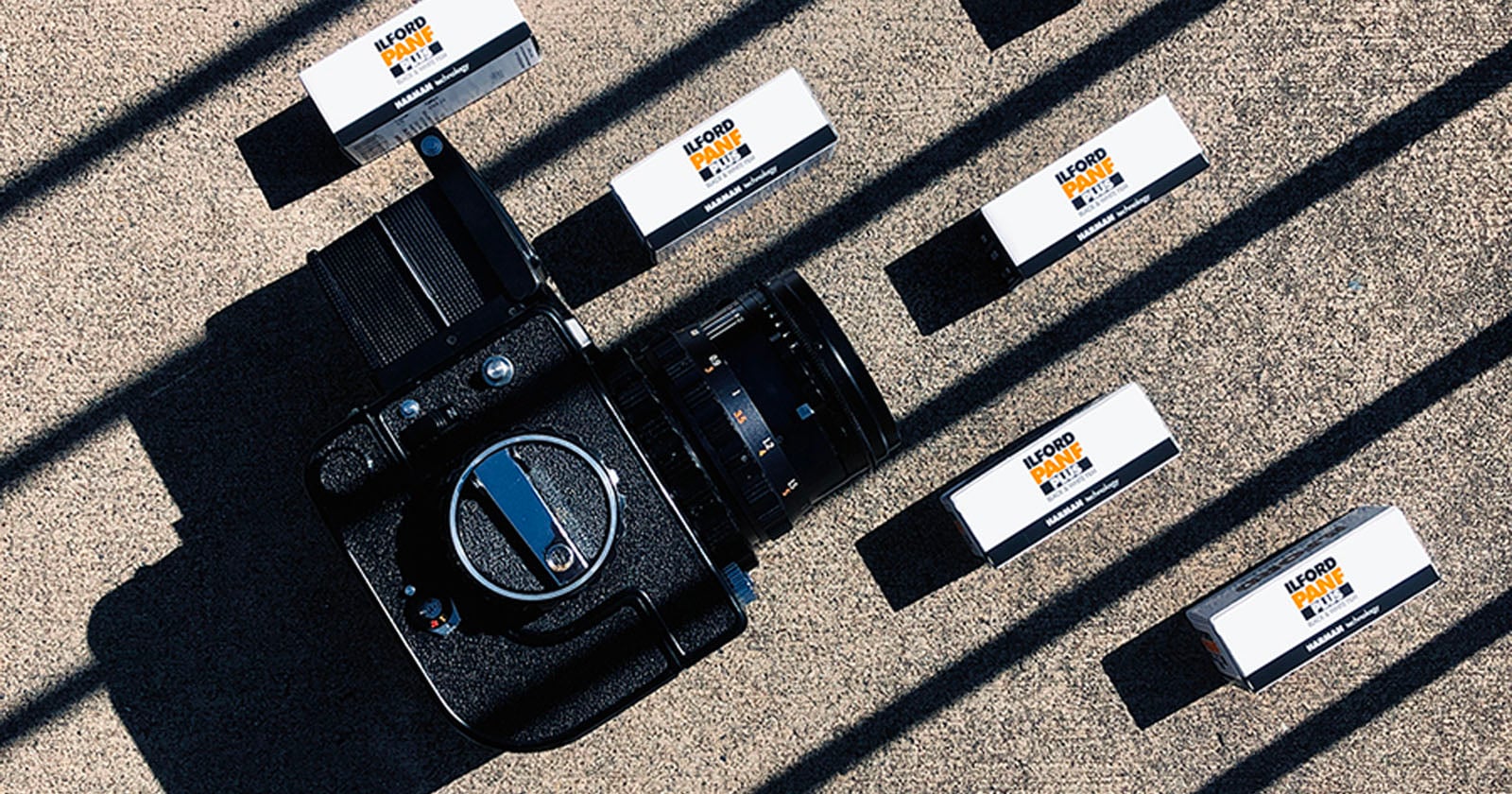
As the modern-day iteration of the original Pan F emulsion introduced way back in 1948, Ilford Pan F+ is a panchromatic black-and-white film that has witnessed decades of photographic evolution. Through the years, the emulsion has enjoyed several strategic updates, most notably in 1992 when it was bestowed with the "+“ suffix that continues to define its identity. Additional subtle refinements to the emulsion followed into the 2000s, keeping the classic stock relevant in a rapidly changing digital and analog market. Given such remarkable longevity and historic pedigree, one might expect Pan F+ to command mainstream household-name status. Instead, it continues to cater to a more select, highly passionate group of analog photographers who appreciate its uncompromising technical characteristics and distinct aesthetic signature.
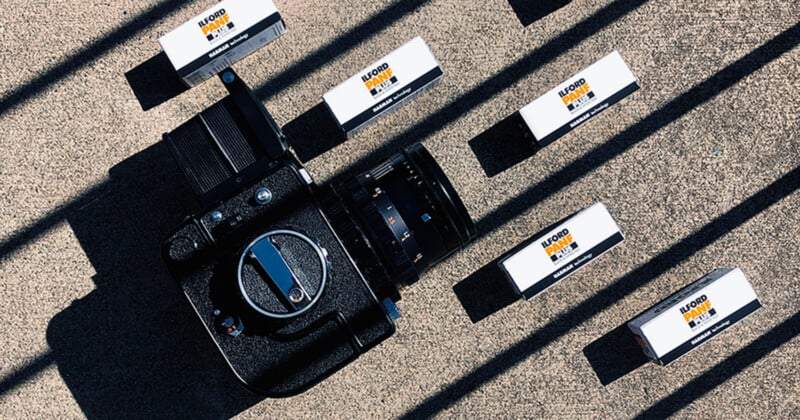
Summarizing Ilford Pan F+ in a single sentence is a testament to its singular personality: the film is exceptionally fine-grained, remarkably sharp, and visually dramatic, bearing a brooding and atmospheric character that lends itself to powerful storytelling. Beginning with its physical properties, the grain structure is among the finest available on the market today. For photographers shooting in the 35mm format who desire the pristine, clean aesthetic typically associated with medium format, Pan F+ serves as a reliable solution. Similarly, for practitioners planning mural-sized enlargements where every microscopic detail matters, Pan F+ consistently emerges as a preferred answer.
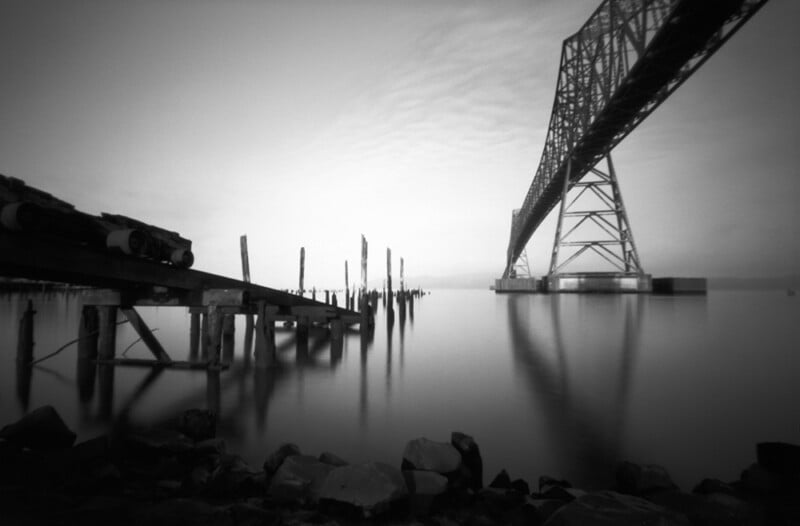
Naturally, the fundamental trade-off for achieving such microscopic grain is the film’s inherently slow speed. Pan F+ is undeniably a bright-day stock, a tripod-bound medium, or a specialized choice for pairing with exceptionally fast lenses. However, rather than viewing this slow speed purely as a limitation, many creative photographers interpret it as an invitation to explore techniques that faster films rarely permit. During bright daylight conditions, the slow speed allows for handheld, slower shutter speeds to achieve deliberate motion blur or smooth panning effects, or alternatively, it enables the use of wide-open apertures—such as f/1.4—to maintain a shallow depth of field even under harsh midday sun.
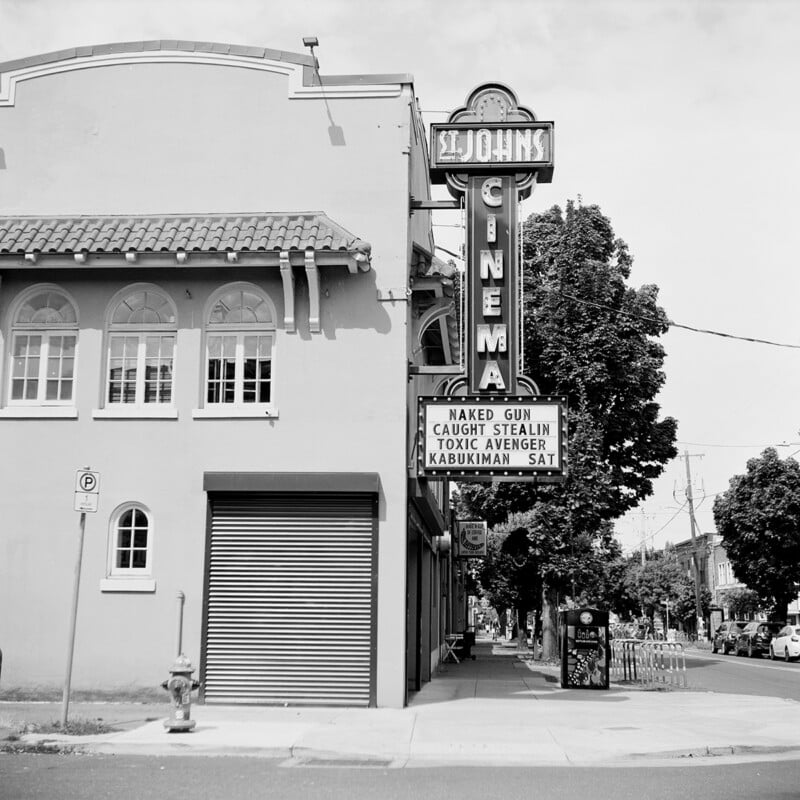
Beyond its grain, the second defining characteristic of Pan F+ is its exceptionally high degree of sharpness, which stems from a combination of fine grain and deliberate optical engineering. The film is manufactured to yield high acutance, maximizing edge sharpness through an increase in local contrast precisely at the boundaries separating dark and light areas within the frame. By elevating this edge contrast, images take on an immediate visual clarity and snap, making details pop even if the fundamental resolution is simply being highlighted by the stark tonal transitions. While acutance is frequently dictated by chemical development choices—with classic formulations like Rodinal or FX-2 serving as prime examples—Pan F+ possesses a high edge contrast baked right into its chemical composition.

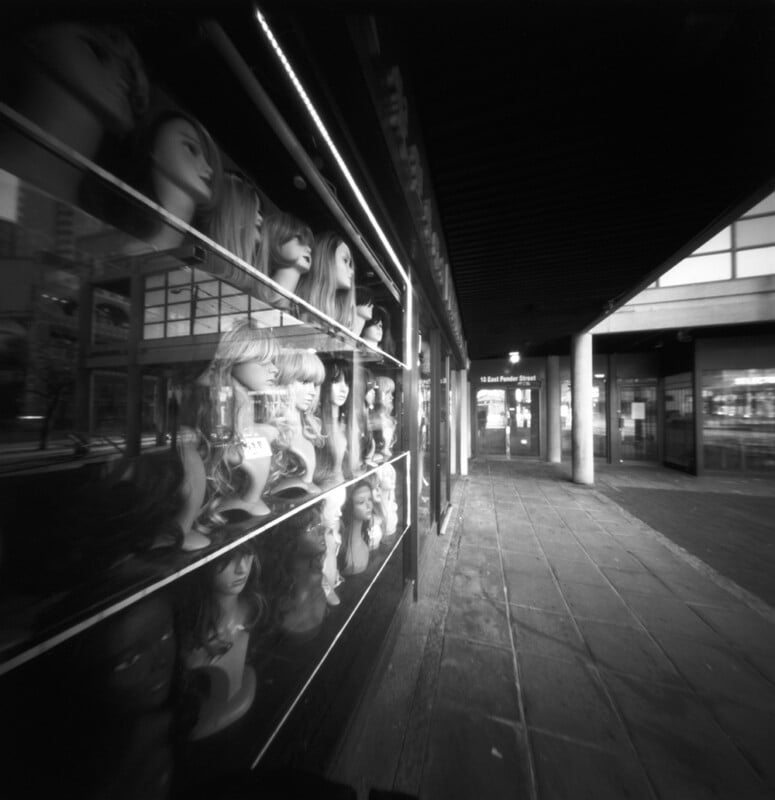
Historically, this crisp rendering has made Pan F+ an enduring favorite among architectural photographers seeking immaculate architectural recording and high structural resolution. Conversely, some portrait photographers have historically avoided the film for the exact same reason, noting that its unforgiving sharpness mercilessly accentuates every facial wrinkle, line, and blemish. Yet, for artists whose portraiture embraces the raw character, texture, and drama found in the human face, Pan F+ offers a compelling medium to translate those complex features into striking visual narratives.

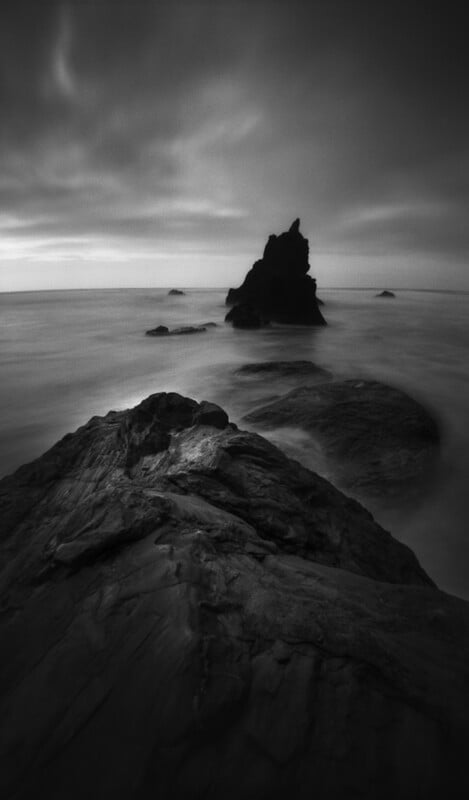
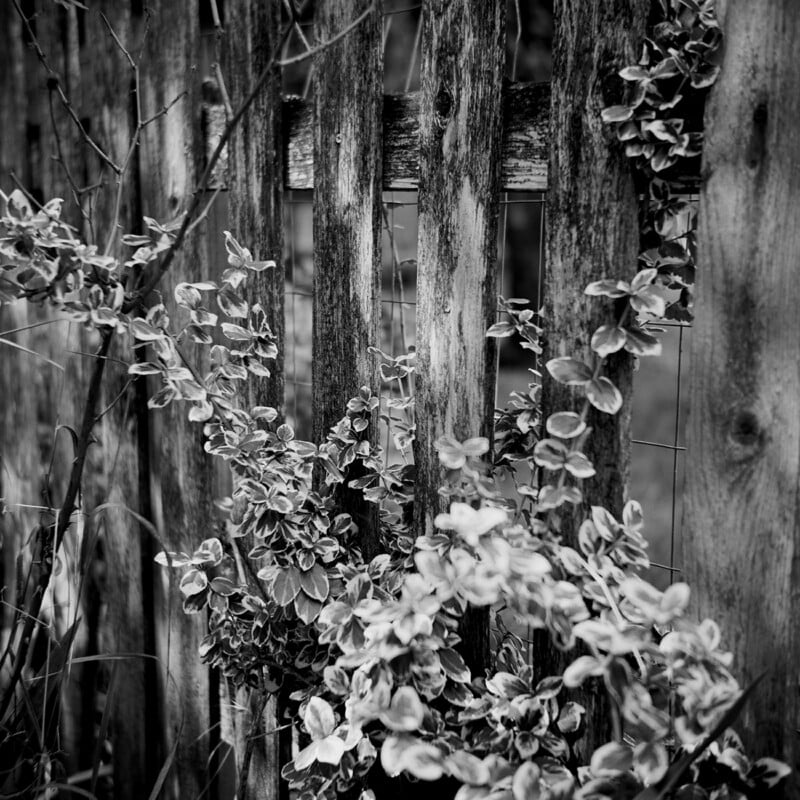
This leads directly into the third pillar of the Pan F+ experience: its moody, cinematic drama. Images captured on Pan F are remarkably rich in contrast, leaning naturally toward deep, inky shadows and bright, crisp whites that evoke a distinct film noir aesthetic. The blacks tend to saturate the frame with authority, while even the midtones frequently register with a darker, more contemplative mood. This is not to suggest that Pan F suffers from compressed tonality—there remains an abundance of delicate nuance to explore within its tonal scale—but its inherent contrast philosophy unashamedly leans toward the dramatic.

Because of this strong tonal personality, generations of darkroom practitioners have experimented with diverse developing techniques to manipulate and control the film’s inherent contrast. Consequently, some analog shooters regard Pan F as a demanding film to master, one that can punish errors just as quickly as it rewards precise exposure and development. It demands more familiarity and discipline than forgiving emulsions like Ilford Delta or Kodak TMax. Yet, that very challenge imbues Pan F with an undeniable sense of mystery. Whether a photographer chooses to tame its wild tendencies through meticulous testing or lets them run free, the ultimate creative control remains entirely in the hands of the maker.

As part of any serious evaluation of a slow-speed emulsion, reciprocity failure is an essential technical consideration. Because Pan F+ requires deliberate management of light, photographers frequently find themselves relying on extended shutter speeds to secure a proper exposure, or perhaps selecting the film specifically to stretch exposure times in dynamic environments. The modern iteration of Pan F+ exhibits relatively reasonable reciprocity characteristics. For exposures ranging between one and ten seconds, the manufacturer recommends adding between half a stop to one full extra stop of exposure—meaning a metered ten-second exposure should be extended to roughly twenty seconds.
Beyond the ten-second mark, Pan F+ slows down more gradually, eventually requiring a full two stops of additional exposure by the time a metered reading reaches sixty seconds, translating to an actual physical exposure time of approximately four minutes. While this performance is neither the absolute best nor the worst among modern black-and-white stocks, historical context reveals significant improvements. As recently as 2004, Pan F+ demanded significantly heavier compensation, requiring a two-stop overexposure threshold as early as thirty seconds. This evolution suggests that Ilford has quietly tweaked the emulsion over the past two decades to perform more reliably in low-light and long-exposure scenarios. Photographers need not shy away from long exposures with Pan F+, provided they calculate the necessary compensation, particularly for times stretching past a single minute.
Another critical technical quirk of Pan F+ involves its latent image retention—specifically, its historic reluctance to sit undeveloped for extended periods after exposure. While the film behaves impeccably when shot and processed promptly, leaving an exposed roll sitting in a camera bag or drawer for several months can lead to thin, underwhelming negatives that mimic the appearance of severe underdevelopment. To secure optimal results, the standard recommendation is to finish a roll of Pan F+ relatively quickly after the first frame is captured and deliver it to the darkroom without unnecessary delay, aligning with Ilford’s technical guidelines suggesting development within three months of exposure.
Ultimately, Ilford Pan F+ remains a crown jewel for the elder demographic of the Sub-100 Club, offering a smooth, sharp, and undeniably dark-edged aesthetic that cannot be easily replicated by digital sensors or faster silver-halide alternatives. Available across standard 35mm and 120 formats, the film has long sparked desires among large-format photographers hoping for sheet film availability, a wish that was finally fulfilled with the official release of Pan F+ in 4×5 and 8×10 formats. Whether purchased online or sourced directly from specialty brick-and-mortar storefronts like Blue Moon Camera and Machine in Portland, Oregon, Pan F+ continues to secure its place as a reliable staple for those willing to embrace the deliberate, dramatic world of slow-speed analog photography.