


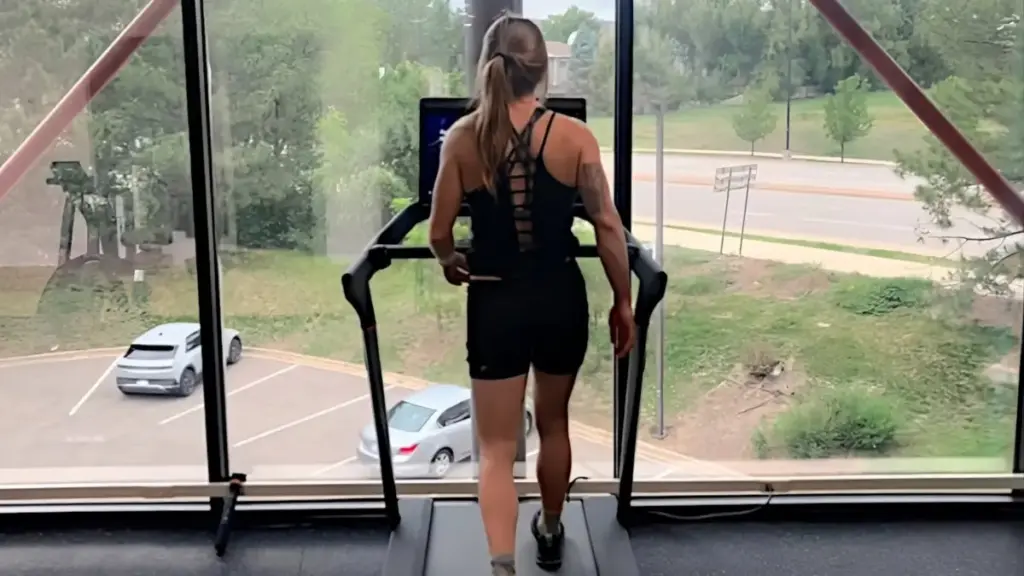
For many outdoor enthusiasts, stepping onto a trail with a heavy pack brings a familiar, frustrating routine of discomfort. Every hike, particularly those requiring a weighted backpack, often reveals a persistent imbalance: aches and pains flare up exclusively on one side of the body, leaving the opposite side completely untouched. In the search for relief, sufferers routinely try nearly everything to fix their perceived structural flaws, ranging from targeted single-leg exercises and physical therapy to foam-rolling, deep-tissue massage, and even alternative treatments from practitioners who humorously earn nicknames like the "Bone Carpenter" for their aggressive hands-on realignments.
Yet, a growing number of physical therapists and athletic trainers suggest that the solution to these lopsided aches might be far less medieval. Instead of assuming the body is permanently broken or simply lacking brute strength, specialists recommend looking at a fundamental biomechanical metric: the way you walk. For hikers dealing with chronic, unilateral pain, a professional gait analysis can uncover whether the root of the problem is not weak muscles, but a faulty movement pattern.
Why Your Gait Could Be the Problem
Gait refers to the distinct movement pattern an individual uses when walking, hiking, or running. Much like handwriting, a person’s gait is completely unique, shaped by years of practice, learned physical shortcuts, and ingrained daily habits. And, much like handwriting, it can gradually deteriorate or get sloppy over time.
Everyone possesses certain idiosyncrasies in their movement. For the vast majority of people, these minor quirks do not cause noticeable problems, especially over short distances or during casual daily activities. However, when multiplied across thousands and thousands of steps on a rugged trail, even the smallest asymmetries can accumulate into significant physical stress.
If a hiker consistently favors one side of their body or tilts slightly too far in any direction, they run a high risk of developing chronic pain in their hips, lower back, or knees over time, according to Dr. Steve Brown, an athletic trainer, chiropractor, and co-owner of the Boulder Sports Clinic, a specialized chiropractic and physical therapy practice in Colorado.
In clinical practice, biomechanical data reveals a clear hierarchy of injury risk. As Dr. Brown notes, while the number-one predictor of a future injury is a previous injury, the number-two predictor is asymmetry.
A helpful way to understand this concept is to look at an automobile. If a car’s wheels are out of alignment, the vehicle will likely feel completely normal while driving down a smooth highway. However, after a few thousand miles of driving with that hidden imbalance, the owner will begin to notice major wear and tear on the tires, and eventually, structural damage to the suspension system.
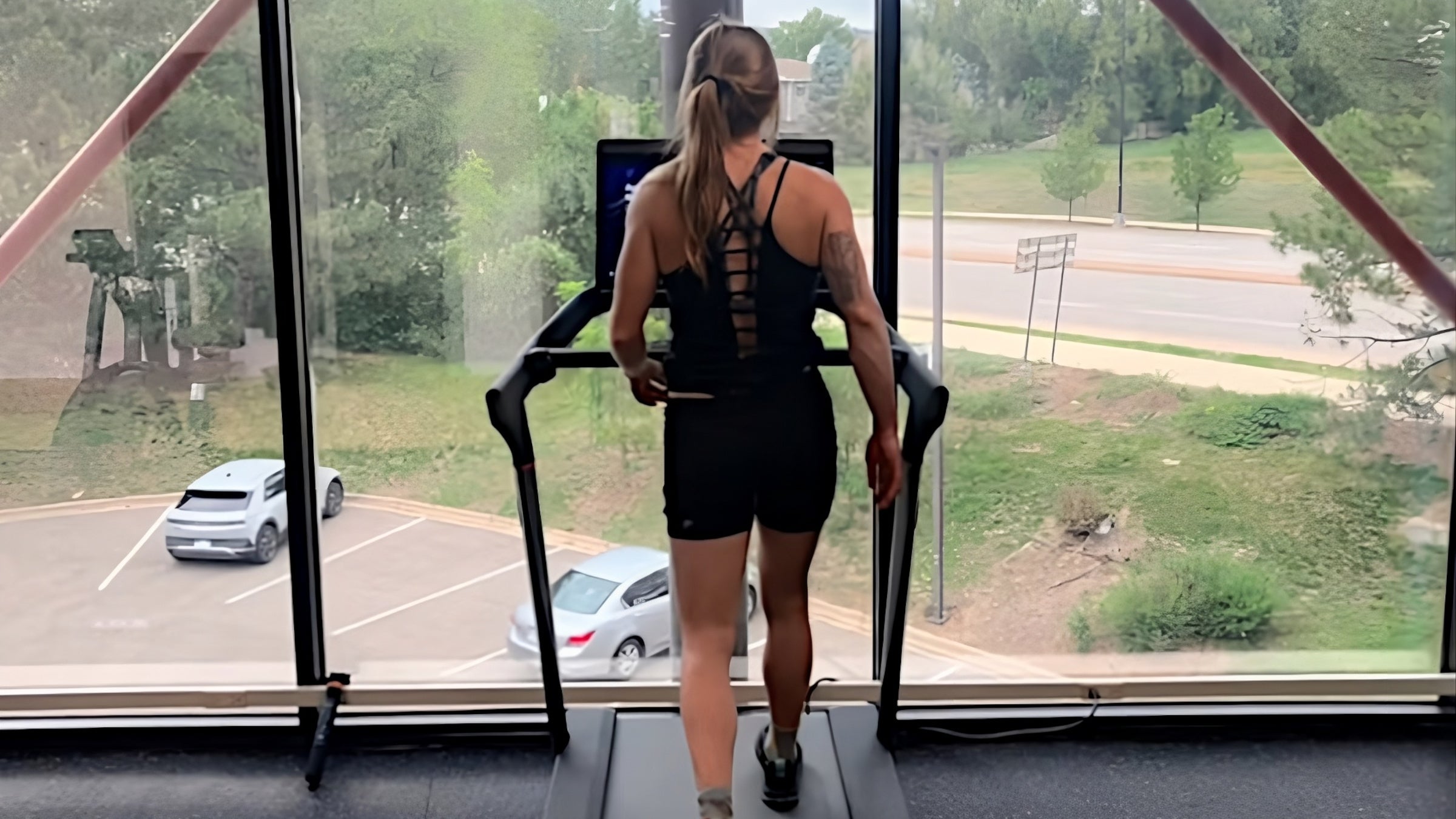
Carrying this metaphor forward, undergoing a professional gait analysis is the human equivalent of taking a body to an expert mechanic. A trained specialist or physical therapist evaluates how smoothly the body operates and helps realign any components that have slipped out of their optimal positions. While gait analysis has long been a popular diagnostic tool among competitive and recreational runners, many hikers are beginning to realize its immense value for diagnosing trail-related injuries.
What Is a Gait Analysis?
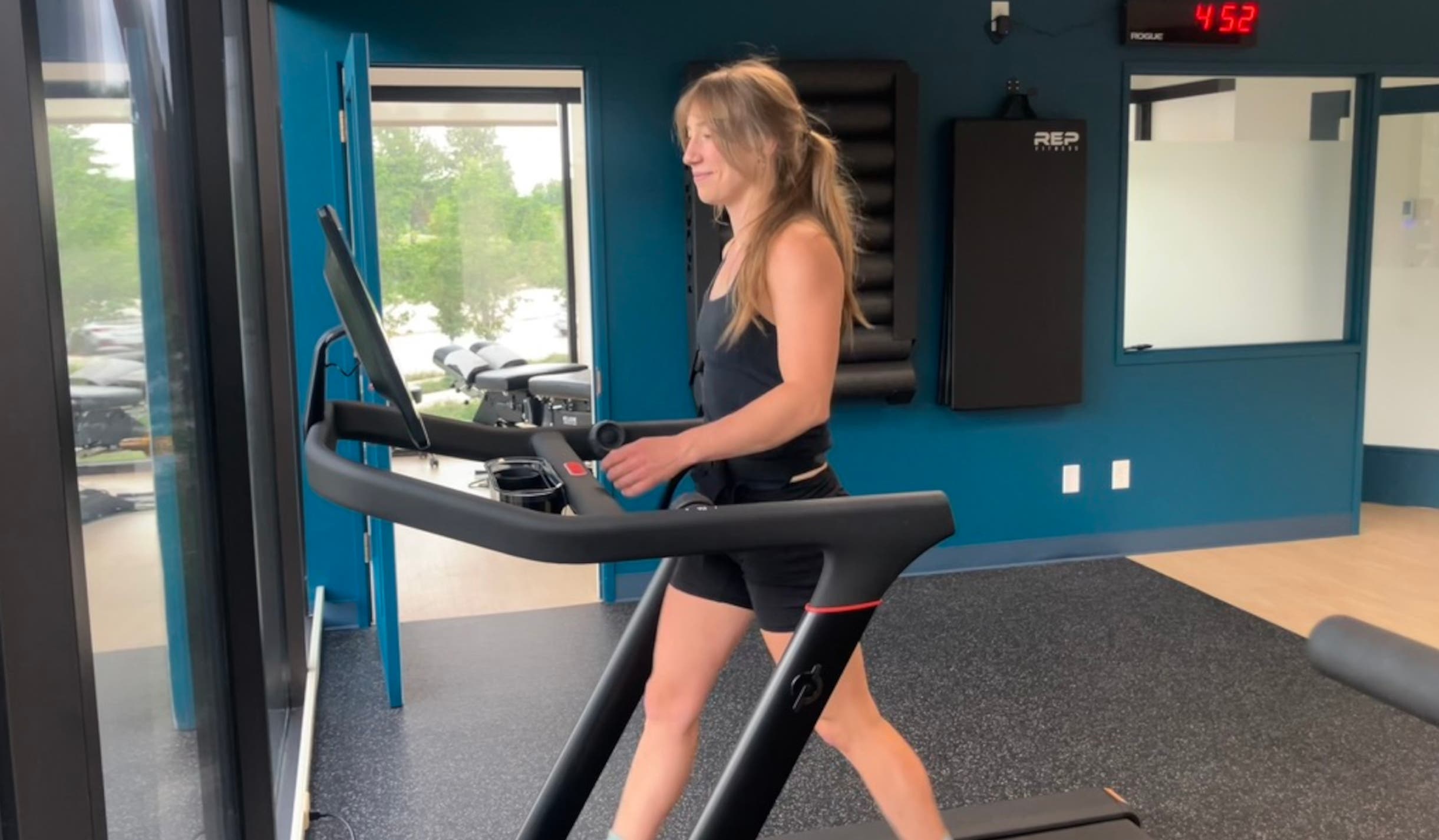
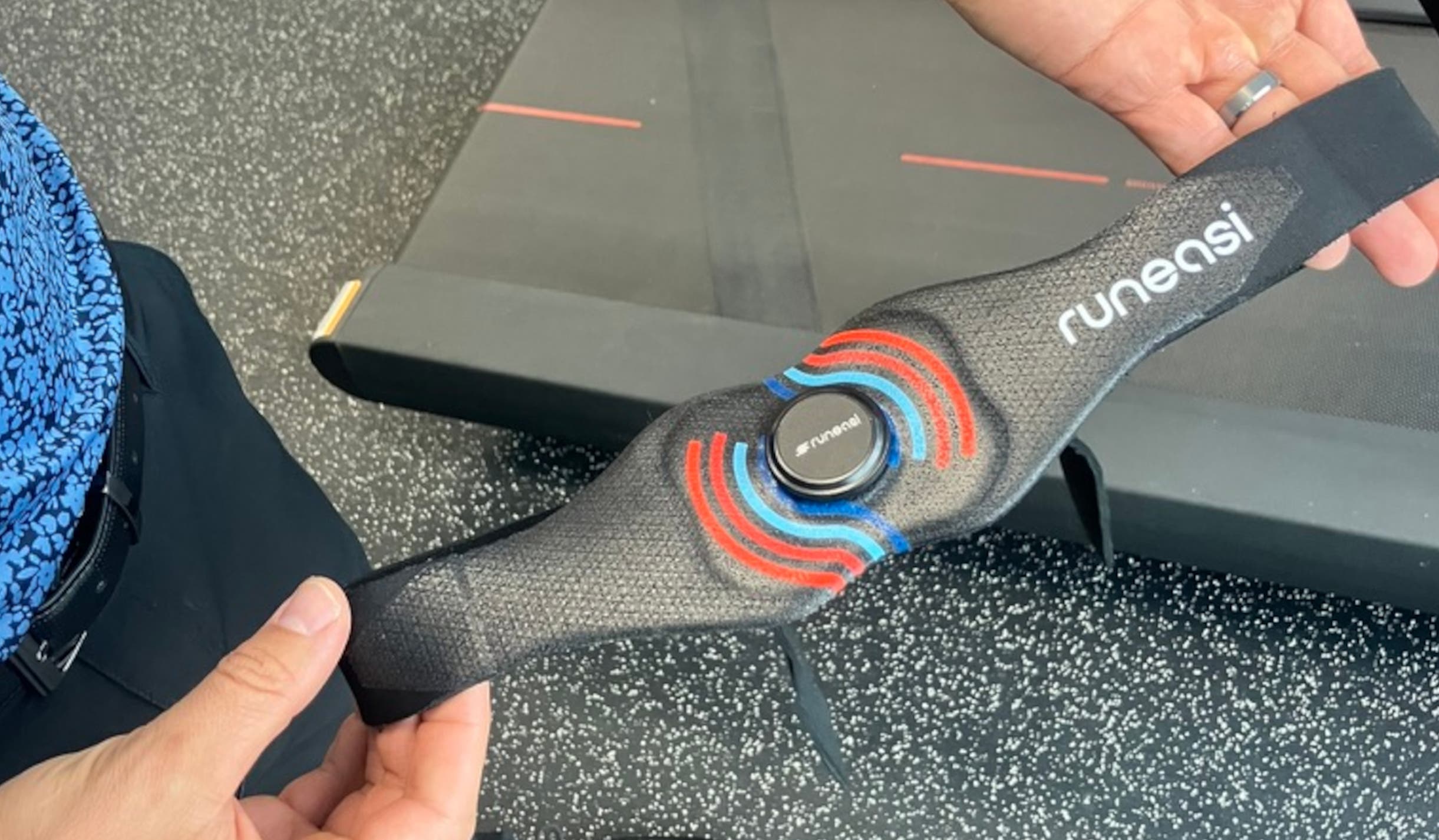
To understand how the process works in practice, a visit to Dr. Brown’s clinic in Colorado offers a clear look at modern biomechanical evaluation. Far from the high-tech, full-body motion-capture suits used by Hollywood actors to digitize movements for fantasy films, modern clinical assessments are often surprisingly sleek and straightforward. Instead of a full-body rig, the diagnostic process typically relies on a compact belt equipped with a single, highly sensitive motion sensor sewn into the back.
Strapping on the belt and stepping onto a treadmill set to a challenging incline—such as a ten-percent grade—allows the sensor to go to work. Connected to a specialized gait analysis software platform known as Runeasi, the technology measures precise biomechanical data: how well and how evenly the legs piston up and down, and the exact degree to which the hips swivel in space.
As the subject trudges on the treadmill, the specialist monitors a tablet displaying real-time data visualizations, where various performance bars and graphs light up and fluctuate based on the walker’s stride. After a few minutes of steady movement, the test is paused for a review of the data, which often provides immediate validation for anyone who has long felt that their body mechanics were simply misaligned.
In cases of chronic lopsided pain, the data frequently points to specific mechanical blockages. For instance, a locked-up right hip can subtly pull the entire torso into a slight, right-leaning curve. Because the hiker’s upper body is bent over sideways, they inadvertently hammer a greater amount of force into their right leg than their left with every single stride.
Over extended periods, these hidden asymmetries generate chronic injury. The repeated, outsized impact forces can easily manifest as stubborn physical ailments like plantar fasciitis and persistent hip pain, frustrating athletes who cannot figure out why the trauma is localized to just one side of their body.
Where Do Gait Problems Come From?
Pinpointing the exact origin of a gait issue can be a complex diagnostic challenge, according to Dr. Brown. Sometimes, movement imbalances stem from a distinct past injury or another clear traumatic incident that leaves one side of the body noticeably weaker or less mobile than the other.
In other instances, the problem develops as a gradual cascade of smaller, seemingly insignificant events. For example, if someone slightly overworks one hip during a gym workout, that muscle group may become sore, prompting the person to subconsciously favor the uninjured side. That subtle shift alters the biomechanics, putting extra force onto the opposite knee and causing it to twist slightly. To compensate for the knee discomfort, the walker might adjust again, further aggravating the original hip issue while simultaneously triggering a new problem in the ankle. This invisible chain reaction continues to build, often entirely outside of conscious awareness.
Human biology is fundamentally hard-wired to avoid pain. Because of this protective mechanism, the body will naturally shut off certain underperforming muscles or press others into double-time service to protect perceived injury sites, all without conscious permission from the individual.
Furthermore, small, repetitive daily activities can throw the body out of alignment over the years. Constant habits—such as always pressing down firmly with the right foot on a vehicle’s gas pedal or consistently carrying a child on the right hip rather than the left—contribute to structural drift. While biological symmetry is the biological ideal, modern life and daily routines rarely support it naturally. Professional athletes and individuals who are exceptionally diligent about balanced gym training constantly work to hammer their bodies back into symmetrical strength, but without that targeted maintenance, minor imbalances inevitably compound over time.
The resulting biomechanical asymmetry can manifest visibly as a noticeable limp or remain entirely hidden as a subtle lean that only sensitive diagnostic equipment can detect. This is precisely why consulting a professional trainer or physical therapist equipped with advanced diagnostic sensors proves so valuable for active individuals.
Who Should Get a Gait Analysis?
Gait analysis is not reserved exclusively for elite athletes; it is a powerful diagnostic tool for anyone who subjects their body to long distances of movement, notes Dr. Brown. Individuals experiencing asymmetrical pain—such as frequent, unexplained soreness isolated to one hip, one knee, or one ankle—may find that a faulty gait is the underlying culprit. Additionally, persistent heel pain, arch pain, and lower-back discomfort can all serve as secondary symptoms of an irregular movement pattern.
For those whose persistent aches and pains fit these descriptions, and who have found that standard strength training routines fail to resolve the issue, investing in a professional gait analysis can provide the clarity needed to break the cycle of chronic discomfort.
How Do I Fix an Asymmetrical Gait?
The path to correcting an asymmetrical gait depends entirely on the specific biomechanical flaws identified during the evaluation. A patient might be excessively flexible in certain joints while remaining far too stiff in others.
As physical therapists often explain, the core objective of physical therapy is to identify what is not moving enough and gently restore its mobility, while simultaneously figuring out what is moving too much and reining it in.
For hikers dealing with restrictions like a tight right hip, targeted manual therapy—such as deep, specialized soft-tissue massage—can release the restriction and immediately restore more even movement mechanics upon returning to the treadmill. However, experts emphasize that these structural improvements will not stick permanently without the disciplined implementation of a regular stretching and strengthening routine. While this requires ongoing dedication, identifying a concrete, measurable issue gives injured athletes a clear roadmap and renewed hope for returning to the trail entirely pain-free.
How to Get a Gait Analysis
For those interested in exploring their own biomechanics, options range from casual evaluations to advanced clinical assessments. A rudimentary gait analysis can often be obtained for free at specialty running stores. While these retail stores typically offer only a visual analysis without the benefit of specialized motion sensors or sophisticated software, they serve as an accessible starting point for individuals who are new to biomechanical detective work and wish to avoid upfront out-of-pocket expenses.
Athletes seeking highly detailed, data-driven insights will need the expertise of a professional trainer or physical therapist. Physical therapists who specialize in working with runners and endurance athletes frequently offer advanced, comprehensive gait analyses. Depending on the complexity of the diagnostic equipment and the depth of the evaluation, these clinical sessions typically range from $100 to $400, with standard 60-minute assessments often falling near the middle of that range—an investment many active individuals find well worth the cost for long-term injury prevention.