


In Hanoi, two thousand years of history continue to shape a city changing at remarkable speed. French colonial villas stand beside centuries-old temples, narrow Old Quarter alleyways give way to wide boulevards, and street-food stalls and family-run cafés share the streets with big-name retailers and cool-kid art galleries. This dynamic interplay between ancient heritage and forward-looking momentum defines the character of Vietnam’s capital, creating a unique urban landscape where past and present exist in constant, fascinating dialogue.
For many visitors, Vietnam’s capital is often defined by its ancient past. The city’s identity is deeply rooted in its dynastic origins, sacred shrines, and the legendary waters of Hoàn Kiếm Lake. But the best hotels in Hanoi tell a more complete story. They range from iconic Indochine-era landmarks to bold contemporary expressions of Vietnamese maximalism, alongside intimate boutique properties set right in the midst of the city’s everyday rhythms. Increasingly, these accommodations are destinations in their own right, featuring Michelin-starred restaurants, award-winning cocktail bars, and design-centric spas that rank among the best in the world.
The result is one of Asia’s most rewarding and fascinating hotel scenes. Whether travelers are checking into a luxury landmark or a boutique property with refreshingly reasonable rates, choosing where to stay isn’t simply about location or amenities. It is about deciding which version of Hanoi you want to experience, and how deeply you wish to immerse yourself in the city’s evolving cultural narrative.
The accommodation landscape reflects the broader transformation of the city itself. Where travelers once had to choose between utilitarian budget stays and a single historic luxury option, the modern hospitality market offers a sophisticated spectrum of design, service, and historical perspective. Hoteliers are drawing inspiration from the city’s French colonial architectural legacy, traditional Vietnamese craft traditions, and contemporary artistic movements to create spaces that feel entirely tethered to their geographic and cultural coordinates.
Frequently Asked Questions
What is the best area for tourists to stay in Hanoi?
For first-time visitors, travel experts and local insiders almost always recommend staying around Hoàn Kiếm Lake, the city’s beating heart where the historic French Quarter and the bustling Old Quarter meet. Staying in this central hub places travelers within comfortable walking distance of Hanoi’s biggest cultural landmarks, museums, and historical sites. Beyond sightseeing, the area boasts some of the city’s most celebrated restaurants, traditional cafés, hidden cocktail bars, and boutique shopping, all while maintaining easy access to the broader metropolitan area through convenient transportation links.
Luxury travelers seeking refined architectural surroundings and grand service traditions typically look toward the French Quarter, particularly the graceful streets surrounding the Hanoi Opera House. Meanwhile, travelers who prefer a quieter boutique experience away from the heaviest tourist foot traffic can look just beyond the borders of the Old Quarter at properties like Hotel de Lagom. These neighborhood options offer a more residential perspective on daily urban life while keeping the core attractions within easy reach.
What is the nicest hotel in Hanoi?
If forced to choose just a single standout property, the Sofitel Legend Metropole Hanoi remains the definitive answer for its unmatched history, legendary service, exceptional dining, and profound sense of place. More than 120 years after first opening its doors, it remains the city’s undisputed grande dame. The property features beautifully restored Heritage Wing rooms that whisper tales of colonial-era intrigue, alongside the remarkable Path of History tour that guides guests through the hotel’s storied subterranean wartime bunker and archival displays.
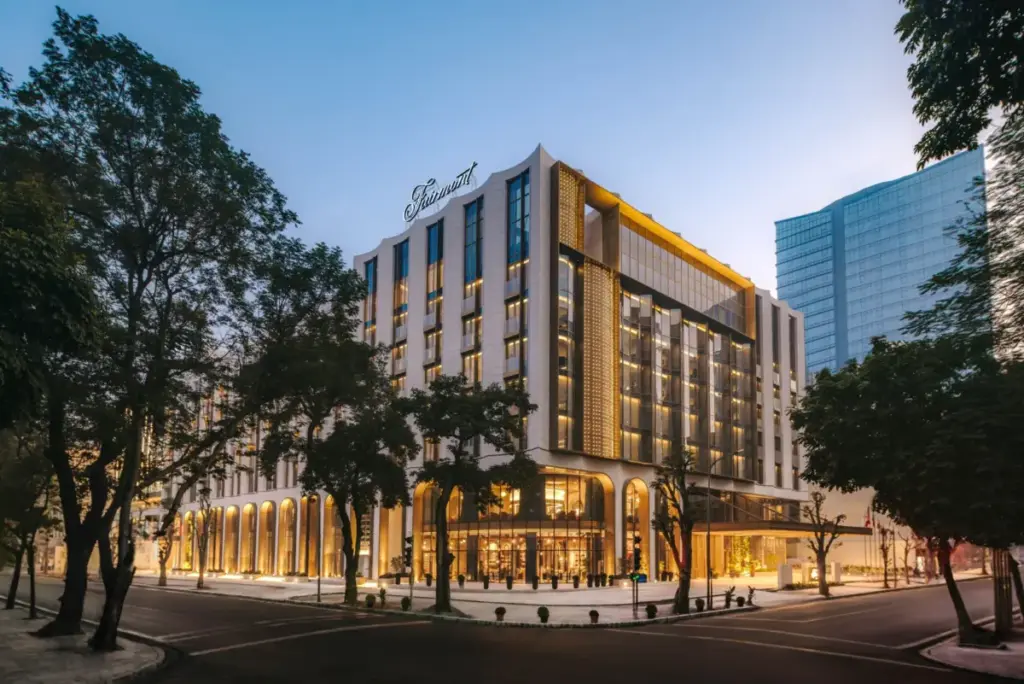
At the same time, travelers looking for a contemporary expression of luxury are increasingly drawn to newer arrivals like the Fairmont Hanoi. With its expansive guest rooms, modern interpretations of traditional Vietnamese design motifs, and the sprawling Cirua Spa, the property has quickly established itself as one of the city’s most exciting recent luxury additions, proving that Hanoi’s high-end hospitality sector continues to innovate.
Is three days enough time to visit Hanoi?
In short, yes. Three days is generally considered sufficient time to experience Hanoi’s major highlights, including Hoàn Kiếm Lake, the labyrinthine Old Quarter, the elegant French Quarter, and the historic Temple of Literature. This timeframe also allows visitors to sample the city’s vibrant local food scene, from street-side phở stalls to refined dining rooms, while still leaving ample hours to relax and enjoy the amenities of their chosen hotel.
However, travelers planning excursions beyond the city limits—such as day trips to the breathtaking landscapes of Ninh Bình or the iconic limestone karsts of Hạ Long Bay, located roughly two to four hours away respectively—will find that adding at least one or two extra nights makes for a much more balanced itinerary. After all, one of Hanoi’s greatest and most enduring pleasures is the opportunity to slow down. Lingering over a classic egg coffee, wandering aimlessly through ancient trade guild alleys, and spending a quiet afternoon sitting by the lake are experiences best savored without rushing.
How hotels are chosen
Every hotel review and recommendation from major travel publications is typically written by a dedicated journalist who possesses deep regional expertise and has personally visited the property. When evaluating hotels for inclusion, editors consider properties across a wide range of price points that offer an authentic and insider perspective of a destination. Key criteria always include distinctive design, strategic location, attentive service standards, and a commitment to sustainability, ensuring that travelers receive guidance grounded in first-hand experience and rigorous journalistic integrity.