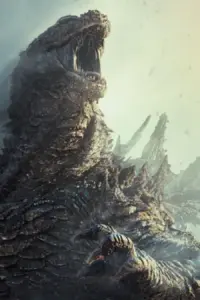


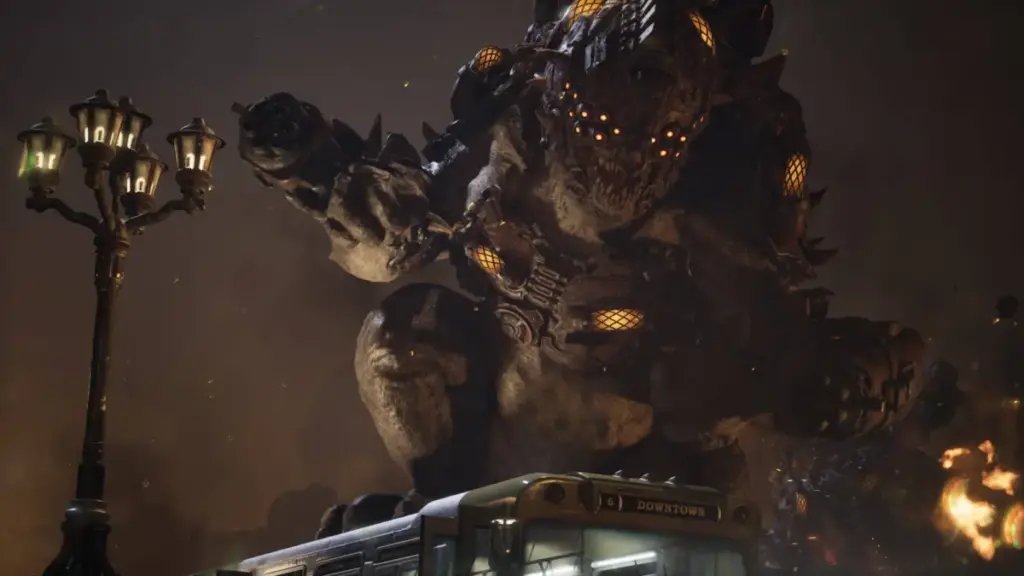
After an extended period marked by challenging developments and difficult news for Xbox players, the gaming community finally has a major release to anticipate. Reviews have officially landed for Gears of War: E-Day, the upcoming prequel from developer The Coalition that takes players back to the terrifying origins of Xbox’s iconic third-person shooter franchise. Early critical reactions to the single-player campaign indicate that the studio has delivered a striking and visually impressive experience, but critics emphasize that the overall judgment of the game remains incomplete. Because review access ahead of the launch was restricted exclusively to the single-player narrative, the franchise’s popular multiplayer and cooperative horde modes have not yet been evaluated by the press.
As the embargo lifts, Gears of War: E-Day commands a strong standing on aggregate review platforms, holding an 88 on Metacritic and an 87 on OpenCritic. Achieving these figures is no small accomplishment within a crowded release window, especially considering that several of the year’s other heavily anticipated titles—such as Control Resonant and The Blood of Dawnwalker—faced slightly more tempered critical receptions, hovering around an 83 and 84 respectively on Metacritic. However, because numerous major outlets are withholding their final scores until the multiplayer infrastructure goes live and can be thoroughly tested, industry analysts expect the game’s aggregate placement to shift in the coming weeks. Based on a number of more grounded, in-progress reviews that question certain campaign design choices, the final consensus could settle a bit lower than its current early peak.
Gears of War: E-Day Review Scores Are High, But Multiplayer Still Needs Rating
What remains undeniable is that the campaign has struck a powerful chord with a significant portion of the critical community. In IGN’s work-in-progress review, which attaches a preliminary 9/10 score to the title, critic Ryan McCaffrey commended the shooter for injecting unexpected emotional gravity into a universe historically celebrated primarily for its bombastic action and macho bravado. McCaffrey specifically highlighted the exploration of the formative backstory shared by long-running series heroes Marcus Fenix and Dominic Santiago as a major high point for the narrative. He noted that the title succeeds in conveying the profound uncertainty and visceral horror of the Locust invasion’s opening hours, effectively drawing players into the psychological weight carried by the characters even when the ultimate outcome of the broader conflict is already known.

Screen Rant critic Chris Carter shared a similarly enthusiastic sentiment, awarding the game a 9/10 score. Alongside high marks directed at the refined gunplay and emotional resonance of the storytelling, Carter pointed to the fictional city of Kalona—where a significant portion of the prequel’s narrative unfolds—as a masterclass in world-building. He observed that Kalona feels like a genuinely believable, lived-in future metropolis. Even as the populace faces a desperate, harrowing struggle against an overwhelming subterranean threat, the city retains its distinct architectural personality and cultural footprint throughout the progression of the campaign, anchoring the stakes in a tangible environment.
Yet, despite this wave of strong praise, prospective players are being advised to temper their long-term expectations. Several prominent industry publications have published in-progress critiques that paint a more complex, friction-filled picture of the experience, casting doubt on whether the prequel will ultimately contend for major year-end accolades once the review pool is complete. Writing for PC Gamer, critic Abbie Stone described the campaign as a demanding slog, arguing that while the foundational third-person mechanics feel as sharp and responsive as ever, the structure of the adventure represents a narrative and pacing regression compared to previous entries like Gears 5.
Stone questioned whether the core shooting mechanics alone could sustain an extended runtime without growing monotonous, noting that the relentless gauntlet of intense firefights eventually borders on exhaustion. She characterized the experience as an unyielding action movie stripped of any pacing variations outside of bullets meeting enemies, describing the lengthy campaign as excessive given its relatively narrow mechanical focus, aside from a few obligatory turret-shooting sequences hosted inside aircraft.

A similarly mixed perspective came from Richard Wakeling at GameSpot, who issued a non-final 7/10 rating in his in-progress review. Wakeling argued that the tedious shooter feels overly anchored to the past, missing a prime opportunity to take bold, creative risks with its prequel premise. Furthermore, he expressed frustration that the narrative tries too hard to accommodate newcomers to the franchise by constantly rehashing well-trodden plot points and familiar universe lore. According to Wakeling, treating these established elements as profound narrative revelations feels indicative of a deeper creative hesitation, suggesting that the development team played it safe rather than striving to genuinely surprise veteran fans or meaningfully expand the series’ historical depth.
Additional reservations have emerged from outlets whose assessments are not currently factoring into the numerical aggregates. Kotaku’s Ethan Gach outlined a complex mixture of high points and low points within the campaign structure, while Polygon critic Ford James echoed concerns regarding the game’s pacing. James pointed specifically to the introduction of open-world segments within the campaign structure, arguing that these structural deviations ultimately disrupted the narrative momentum and drained the tension from key moments.
Ultimately, these divergent perspectives highlight that the critical consensus surrounding Gears of War: E-Day remains far from settled. While the visual fidelity and baseline mechanical execution of The Coalition’s latest project have earned admiration, the structural pacing, narrative ambitions, and eventual state of the multiplayer ecosystem will dictate where the game ultimately lands in the historical record of the franchise. Until reviewers have the opportunity to evaluate the complete package—including the competitive and cooperative modes that have historically defined the community longevity of the series—the true measure of the game’s success remains in motion, pointing toward a reception more closely aligned with Gears 5 rather than the foundational trilogy that started it all.