
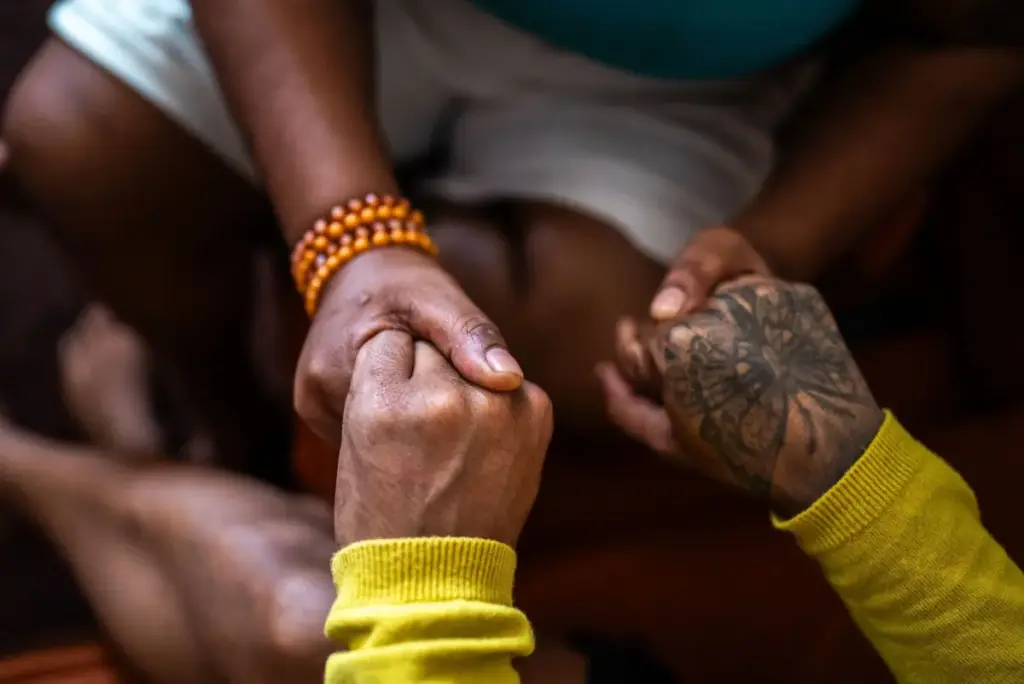
When examining the landscape of Black women’s breast health, statistical data rarely paints a hopeful picture. National figures show that Black women are diagnosed with breast cancer at a younger median age—60 years old, compared to 62 for white women—and face a mortality rate that is 38% higher. Furthermore, they experience the lowest survival rates across every known stage of the disease. Approximately one in five Black women diagnosed with breast cancer faces triple-negative breast cancer (TNBC), an aggressive and hard-to-treat form of the illness, representing a higher proportion than any other racial or ethnic group.

Yet numbers alone can never fully capture the human experience behind a diagnosis: the anxious phone calls in the middle of the night, the emotional head-shaving gatherings with loved ones, the therapy sessions that helped unravel deep-seated trauma, or the poignant moment a mother looks into the eyes of her children and decides they are reason enough to fight for her life. Black women have always transcended mere data points, a reality most visible in the resilience, survival, and reinvention that follow a breast cancer diagnosis.
Thirteen women across the country have stepped forward to share their personal stories, refusing to be reduced to percentages on a medical chart. These individuals are professionals, mothers, daughters, and community members whose encounters with breast cancer reshaped their lives in profound ways. By navigating their own medical journeys and finding support, they have built a vital network of community, purpose, and a blueprint for survival that they now pass on to future generations.

Monique Bass, 53, had always maintained a proactive approach to her health. As a single mother of twin sons and a grandmother of four, she began scheduling annual mammograms at the age of 40. However, it was a self-exam performed while lying in bed at age 47 that revealed an unfamiliar lump. Over the next three years, she underwent three tissue biopsies, all of which returned benign results. While doctors recommended watchful waiting, Bass trusted her knowledge of her own body and insisted on a lumpectomy to remove and test the growing mass. The diagnosis confirmed stage 1 invasive ductal carcinoma requiring immediate chemotherapy.
Receiving the news in 2020 at the height of the COVID-19 pandemic added isolation and emotional strain, compounded by an ongoing divorce. Her treatment regimen included multiple rounds of powerful chemotherapy drugs and 21 radiation sessions. Hair loss proved especially difficult, though she noted her hair eventually grew back thicker and healthier. Grounded by her faith, Bass eventually founded What’s Behind the Bra?, a New Jersey nonprofit that provides comfort care packages to breast cancer patients alongside a weekly support podcast.

For Jaqueline Beale, 64, a family history of cancer, including her mother’s battle with the disease, meant she remained vigilant. At age 40, she discovered a lump during a self-exam. Although initial imaging results were clear, she pursued a biopsy that confirmed stage 1 breast cancer. Relying heavily on humor and a supportive family, Beale navigated her grueling treatments by leaning into laughter, turning even the most harrowing clinical moments into opportunities for connection and shared levity.
Annita White, 51, delayed her routine mammogram by five months due to the demands of her career in higher education, doctoral studies, and raising two sons as a single mother. When she finally attended the screening, a new mass was detected and subsequently confirmed as cancer through a biopsy. The diagnosis triggered an overwhelming emotional response, marked by grueling treatments, the loss of her hair, and a profound sense of physical vulnerability. Supported by her faith and a renewed spiritual connection, White completed her PhD three years later and now serves as an active member of the African American Breast Cancer Alliance, transforming her trauma into advocacy.

Marylande Regis, 38, faced an aggressive diagnosis shortly after relocating to Georgia. As a registered nurse, realtor, and mother of three, she discovered a lump after weaning her youngest child. Despite initial dismissals from medical staff who attributed the mass to a clogged milk duct and her young age, Regis advocated for herself, securing a diagnosis of stage 2B, BRCA1-positive breast cancer. Her extensive treatment plan included chemotherapy, a bilateral mastectomy, radiation, and a total hysterectomy. Supported by her husband and family, Regis emerged from the ordeal dedicated to being fully present for her children, particularly her autistic son.
Judy Fambrough-Billingsley, 75, lived a remarkably active life marked by daily walks, swimming, and soccer, with virtually no history of illness. When she discovered multiple growing lumps despite a clean mammogram earlier that year, her biopsy revealed cancer, introducing her to the complex world of the medical system for the first time. Drawing upon her formative experiences as a youth leader during the Civil Rights Era and the NAACP, Fambrough-Billingsley approached her diagnosis with the same spirit of endurance and resistance that defined her earlier life.

Taylor Johnson was nearing 30 when she discovered a lump on her left breast. After initial pushback from providers citing her age, she insisted on a biopsy, resulting in a diagnosis of stage 2 triple-negative breast cancer. Balancing her own physical recovery with the emotional awareness of her five-year-old daughter watching her, Johnson relied on a robust community of family, friends, and medical professionals at the Mayo Clinic in Arizona. The experience reinforced her understanding of emotional resilience alongside physical strength.
Jessica Ncube, 41, a licensed clinical social worker, received her diagnosis following a routine mammogram that detected hidden cancer cells. Beginning with a lumpectomy and progressing to a double mastectomy due to unclear margins, Ncube faced the difficult task of balancing gratitude with grief. Accustomed to caring for others professionally, she had to learn to accept support, soften her approach to resilience, and prioritize her own mental and emotional well-being.

Ameiko Newman, 40, discovered her breast cancer unexpectedly after being hospitalized for severe abdominal pain. While undergoing ongoing chemotherapy and immunotherapy, Newman found unexpected purpose in her diagnosis by launching an entrepreneurial venture designing specialized scarves for chemotherapy patients, combining her personal experience with a dedication to supporting other women facing similar trials.
Charlotte Connor, 38, noticed a lump shortly after a breast augmentation procedure at age 30. Despite initial medical reassurance, the lump tripled in size over the course of a year, leading to a diagnosis of stage 2A ductal carcinoma. Adopting an intentionally optimistic outlook for the sake of her young daughter, Connor focused on her future recovery while relying on a close-knit support system that organized a celebratory head-shaving party before her treatments began.

Donna Culmer received a clean mammogram in 1999, only to discover a stone-sized lump months later. While that specific lump was fibrocystic, further imaging revealed an early-stage cancer on the opposite breast. Serving in the Navy alongside her husband and raising three children at age 46, Culmer endured months of debilitating chemotherapy and a subsequent mastectomy. Reflecting on her decades of survival, she emphasizes the importance of asking questions and drawing upon the historical resilience inherent in Black communities.
Patricia Fox was only 26 when she discovered a sudden lump in her breast, which was initially dismissed by medical providers as a cyst due to her age and breast density. Persisting with a biopsy revealed estrogen receptor-positive stage 2A breast cancer. Overwhelmed by the emotional toll of the disease, Fox turned to therapy to process her diagnosis and address personal patterns, eventually becoming an advocate for mental health support within the Black community.

Annette Colden, 63, was inspired to maintain regular screenings after witnessing her sister’s prolonged battle with cervical and breast cancer. Despite initial inconclusive imaging, her persistence led to an early-stage diagnosis at age 42. Supported by her deep faith and a sense of calm, Colden dedicated her post-recovery life to supporting other patients through hospital support groups, providing round-the-clock comfort to women navigating similar medical crises.
Ricki Fairley, 69, received a diagnosis of aggressive stage 3A triple-negative breast cancer while traveling for work. Recognizing the severity of the disease and the disparities affecting Black women, Fairley underwent a double mastectomy, chemotherapy, and radiation while fundamentally restructuring her personal and professional life. After subsequently overcoming a metastatic recurrence, she co-founded The Black Breast Cancer Alliance, dedicating her life to systemic advocacy and reducing mortality rates for future generations.